Let's be honest. Most of us have thrown together a "first aid kit" with some band-aids and antiseptic wipes, called it good, and headed into the woods. I've done it. You've probably done it. It feels like a checkbox item. But a true camping emergency kit isn't about ticking a box; it's your silent partner for when the weather turns, a trail disappears, or a simple cut becomes a problem miles from the car. It's the difference between an inconvenient story and a genuine crisis.
After more than a decade of guiding trips and learning from my own mistakes (like the time I forgot a backup fire starter in a downpour), I've realized most pre-packaged kits and online lists miss the mark. They're either too generic or filled with gadgets you'll never use. This guide cuts through that. We're building a kit based on real scenarios, not fear. We'll focus on multi-use items, weight savings, and—critically—the knowledge to use what you pack.
What's Inside This Guide?
The Core Components of Your Camping Emergency Kit
Think of your kit in layers. The first layer handles immediate, life-threatening issues: exposure, severe bleeding, getting lost. The next layers address comfort and sustaining yourself until help arrives or you self-rescue. Every item should earn its place by having at least two uses.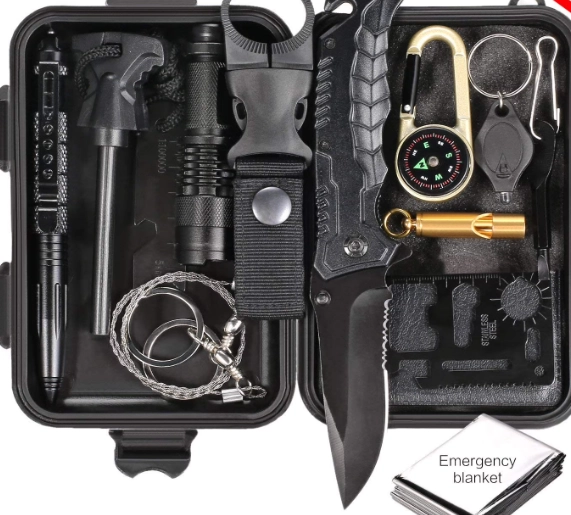
Shelter & Warmth: Your First Line of Defense
Hypothermia can set in even in 50°F (10°C) weather if you're wet and windy. This isn't just about comfort; it's survival 101. Your main shelter is your tent, but your emergency kit needs a backup.
- Emergency Space Blanket: Not the flimsy marathon kind. Get a two-person thermal blanket with a reinforced, reflective coating. It can be a ground sheet, a rain cape, or, most importantly, a shelter reflector to keep warmth in.
- Heavy-Duty Contractor Bag: A 3-mil black garbage bag. It's a waterproof pack liner, an emergency rain poncho (cut head and arm holes), or a solar still component for collecting water. I never camp without two.
- Fire Starting System: One method is no method. You need a trio: 1) A windproof butane lighter (like a Bic, stored in a plastic bag). 2) Waterproof matches in a sealed case. 3) A ferrocerium rod as your ultimate backup. Practice with it at home once.
I learned the hard way that one lighter can fail. On a coastal hike, my only lighter got soaked in a wave splash. The ferro rod in my kit saved the evening.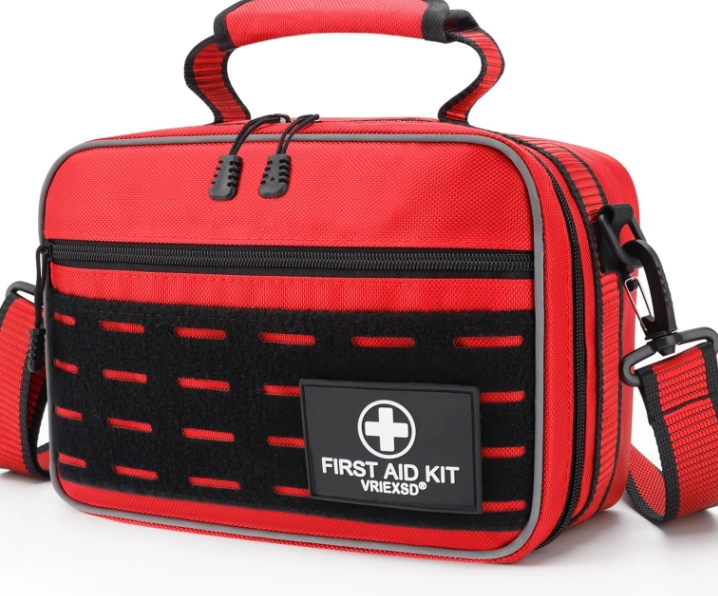
First Aid: Treating the Likely, Preparing for the Severe
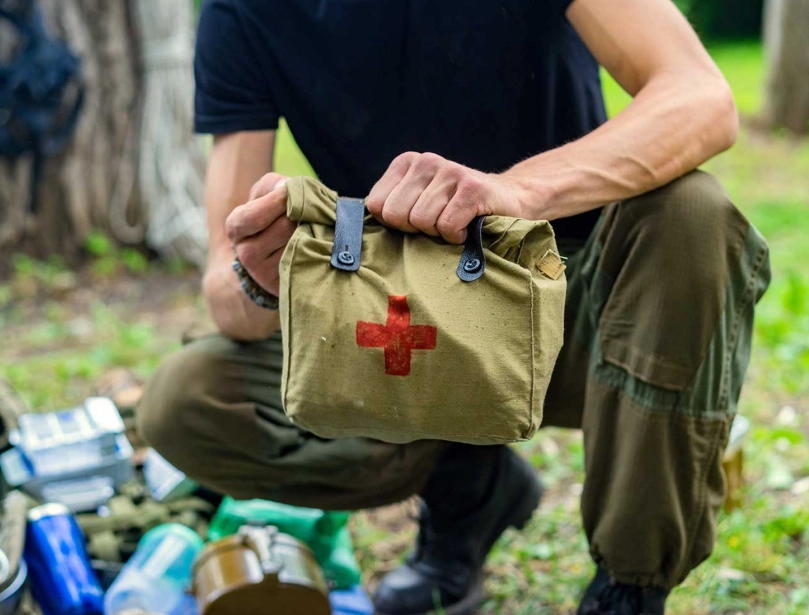
Forget the 200-piece pharmacy kit. Focus on materials to manage common injuries and stabilize serious ones. The American College of Surgeons Committee on Trauma emphasizes hemorrhage control as the top priority for bystander care.
| Item Category | Specific Items & Why | Pro Tip / Common Mistake |
|---|---|---|
| Bleeding Control | Tourniquet (CAT or SOF-T), Hemostatic Gauze (like Celox or QuikClot), Rolled Gauze, Medical Tape. | Tourniquets are for limbs only (arm or leg). Practice applying it on yourself one-handed. Gauze is for packing deep wounds you can't tourniquet. |
| Wound Care | Various Bandages, Antibiotic Ointment packets, Alcohol Wipes, Blister Treatment (moleskin or specialized pads). | Moleskin is useless if you don't cut it to size, leaving a hole for the blister. Pre-cut a few circles before your trip. |
| Medications & Tools | Antihistamines (Benadryl for severe reactions), Ibuprofen, Anti-Diarrheal, Personal Prescriptions, Tweezers, Small Scissors. | Many pre-made kits include useless small scissors. Get trauma shears that can cut through clothing and seatbelts. They're not much bigger. |
Notice I didn't list a snake bite kit. According to guidelines from sources like the CDC and Wilderness Medical Society, commercial suction devices are ineffective and can worsen tissue damage. The best first aid for a snake bite is keeping the victim calm, immobilizing the limb, and getting to a hospital.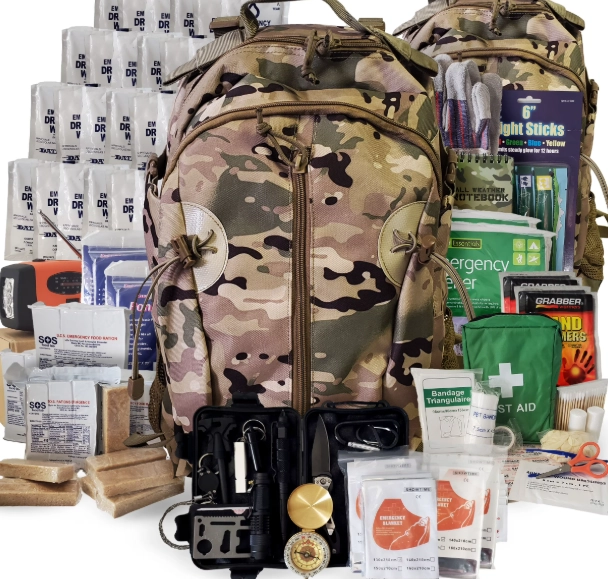
Signaling & Navigation: When You Need to Be Found
If you're lost or injured, your goal is to make it easy for searchers to see you. Three is the universal distress signal.
- Whistle: A pea-less whistle (works when wet). Your voice gives out after a few hours; a whistle doesn't. Blow three sharp blasts.
- Signal Mirror: On a clear day, a mirror's flash can be seen for miles, even over the horizon. Practice aiming the reflection at a distant object before you need it.
- Headlamp with Strobe Function: Your primary light is for you. Your emergency kit should have a small, dedicated light with a red or white strobe mode for signaling at night.
- Physical Map & Compass: Yes, even with GPS. Electronics fail. A detailed topographic map of your area (like those from the US Forest Service) and knowing how to orient it with a compass is a non-negotiable skill. Mark your planned route on it in pencil.
The One Item Everyone Forgets: A bright orange bandana. It's a signal flag, a water pre-filter, a sling, a pot holder, or a way to mark your trail. Its high-visibility color is key for signaling.
Tools, Sustenance, and the Mental Game
This is where your kit becomes yours. Add items that address your specific trip and personal needs.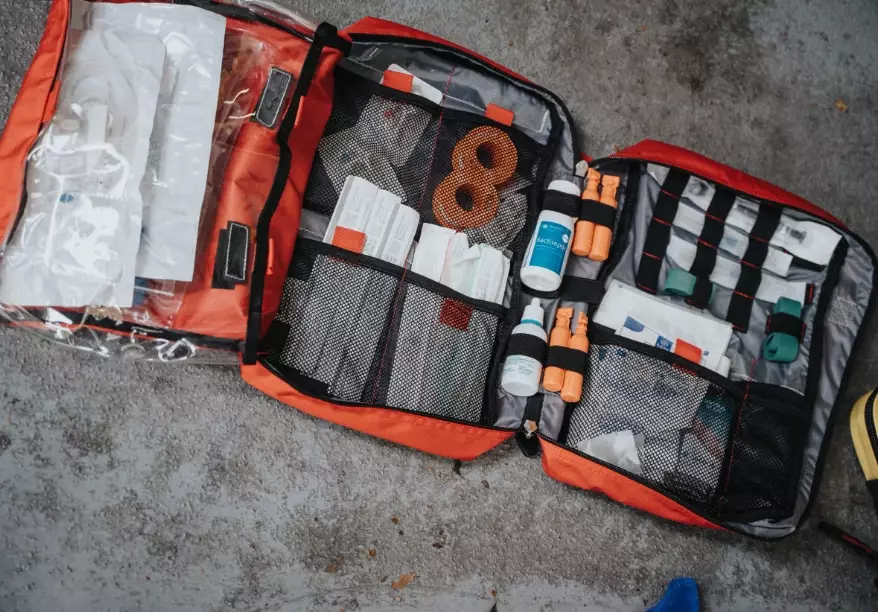
Multi-Tool or Knife: A decent folding knife or a multi-tool with pliers. Avoid the giant, heavy ones. You need it for gear repair, preparing tinder, or cutting cordage.
Water Purification: You have a main filter, but carry backup chemical purification tablets (like Aquamira) in your emergency kit. They weigh nothing and can make questionable water safe if your filter breaks.
High-Calorie Food: 1,200-2,000 calories of non-perishable, no-cook food. Think protein bars, nuts, and hard candy. The candy isn't just for energy; a sugar boost can improve morale and cognitive function in a stressful situation.
Cash & Copies: A small amount of cash ($20-40) and a photocopy of your ID and insurance card, sealed in a plastic bag. If you need to hitch a ride or get help in a small town, cash is king.
Mental Comfort Item: This is my personal rule. A tea bag, a small photo, a few sheets of paper and a pencil. In a prolonged wait for help, a small, normal task like writing or making a cup of tea can be a huge psychological anchor.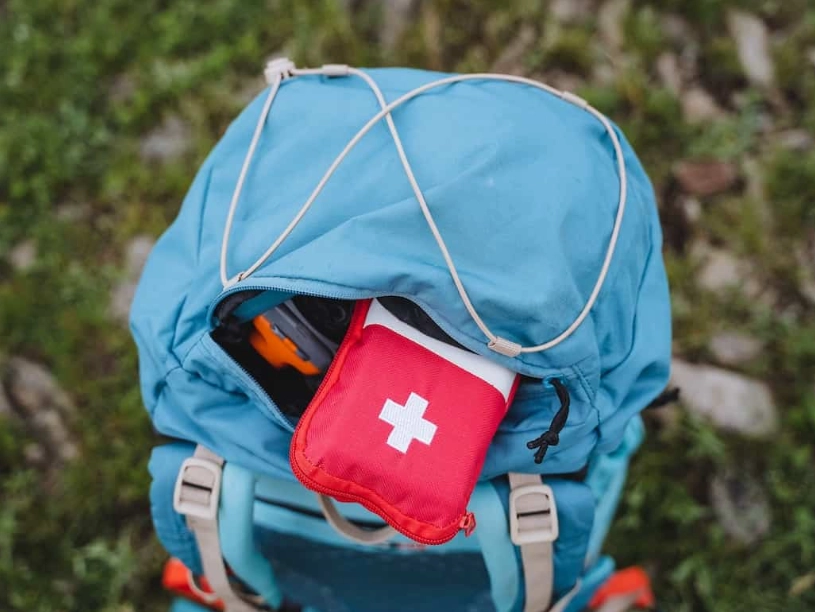
How to Organize Your Emergency Kit for Quick Access
A jumbled sack of gear is useless in the dark when you're stressed. Use a modular system.
I use a brightly colored, waterproof dry bag as my main kit container. Inside, I have smaller, clear zippered pouches:
- Red Pouch: First Aid (tourniquet on the very top).
- Orange Pouch: Fire & Light.
- Blue Pouch: Water & Food.
- Yellow Pouch: Tools & Repair.
Everything has a place. I check this kit before every single trip, swapping out expired medications, testing lights, and restocking used items. I also make sure every adult in my group knows where the kit is and has a basic idea of what's in it.
Your kit should live in your pack in an easy-to-reach spot, not buried at the bottom. Mine goes in the lid or an outer pocket.