Let's be honest. When you're packing for a trip, the camping hat is often an afterthought. You grab whatever's clean or looks vaguely outdoorsy. I've done it. And I've paid the price with a sunburned neck, sweat-drenched hair, and a general feeling of misery on the trail. After a decade of hiking and camping everywhere from the desert to the rainforest, I've learned this: your hat is as critical as your boots. It's your personal, portable shade structure. Get it wrong, and you're uncomfortable all day. Get it right, and you forget it's even there—which is the highest compliment you can give a piece of gear.
This isn't just about blocking the sun. It's about temperature regulation, managing sweat, and even keeping rain or bugs off your face. A good hat solves a dozen tiny problems before they start.
In This Guide
Why a Camping Hat is Non-Negotiable
Think of your hat as your first line of defense. The sun's UV rays are no joke, even on cloudy days or in the mountains. According to the CDC, skin cancer is the most common cancer in the U.S., and much of that risk comes from cumulative, unprotected exposure. A wide-brimmed hat can block over 95% of UV rays from hitting your face, ears, and neck.
But it's not just about cancer. It's about immediate comfort. Sunburn on your scalp or the back of your neck can ruin a trip. A hat keeps you cooler by shading you, reducing the radiant heat load on your body. It also keeps sweat and rain out of your eyes. In buggy areas, it provides a physical barrier. I once forgot my hat on a summer canoe trip in the Boundary Waters. The mosquitoes treated my forehead like an all-you-can-eat buffet. Never again.
How to Choose the Right Camping Hat?
The "best" hat depends entirely on where you're going, what you're doing, and your personal quirks. A hat for scrambling over rocky peaks is different from one for lounging at a lakeside campsite.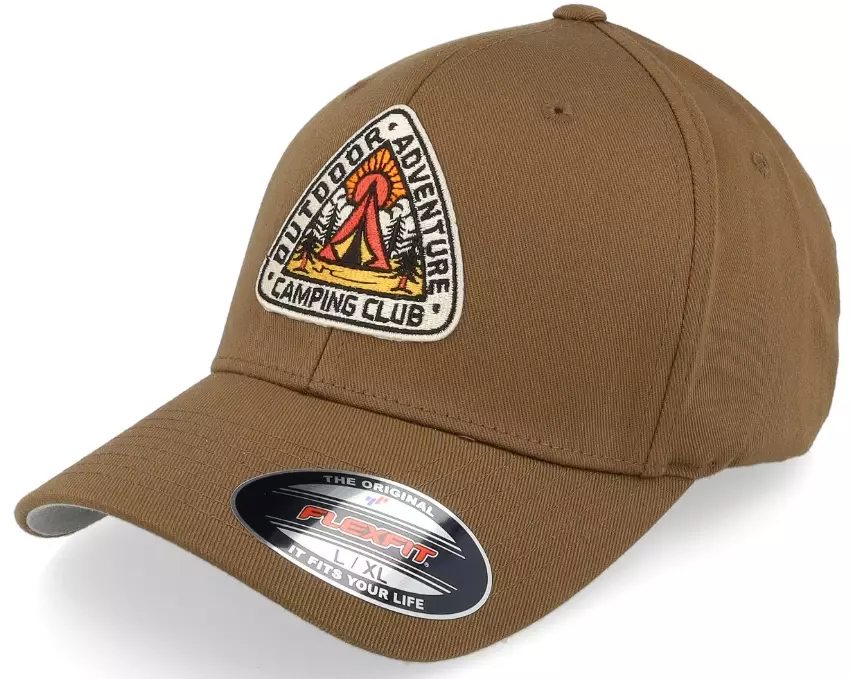
Start by asking three questions:
- What's the environment? Blazing sun, dense forest, windy ridges, or variable rain?
- What's the activity? Strenuous hiking, casual fishing, or mostly camp chores?
- What annoys you? Do you hate feeling hot? Does a floppy brim block your peripheral vision?
Here’s a breakdown of the main types. This table isn't about declaring one winner, but about matching a design to your needs.
| Hat Type | Best For | Watch Out For |
|---|---|---|
| Bucket Hat | All-around sun protection, casual use, light rain. The 360-degree brim is fantastic. | Can be too floppy in wind. Some lack structure and look... well, like a bucket. |
| Wide Brim Hat (e.g., Sombrero-style) | Maximum sun coverage in open, hot environments (desert, beach, prairie). | Bulky to pack. Can catch wind like a sail. Can limit upward vision if the brim is too stiff. |
| Boonie Hat | The classic military-inspired choice. Great sun protection, often has a chin strap and loops for gear. | Can have a "tactical" look not everyone loves. Quality varies wildly. |
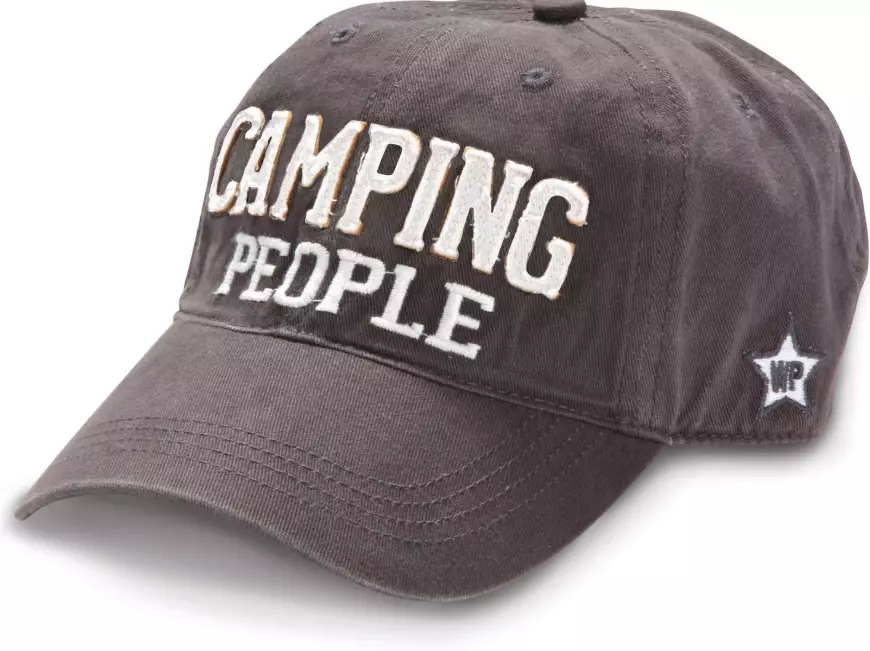
| Baseball Cap | High-activity sports where you need unimpeded vision (trail running, climbing). | Terrible overall sun protection. Your neck and ears are toast. |
| Legionnaire Hat (with neck flap) | The ultimate in sun defense. That flap protects the most vulnerable area. | Can feel hotter around the neck. The flap can be annoying when you're not in direct sun. |
My personal go-to for 90% of my trips is a high-quality boonie hat. It packs decently, the soft brim doesn't obstruct my pack's waistbelt, and the chin strap has saved it from blowing off a cliff edge more than once.
The Anatomy of a Great Camping Hat: Materials and Features
Once you pick a style, the details make or break it.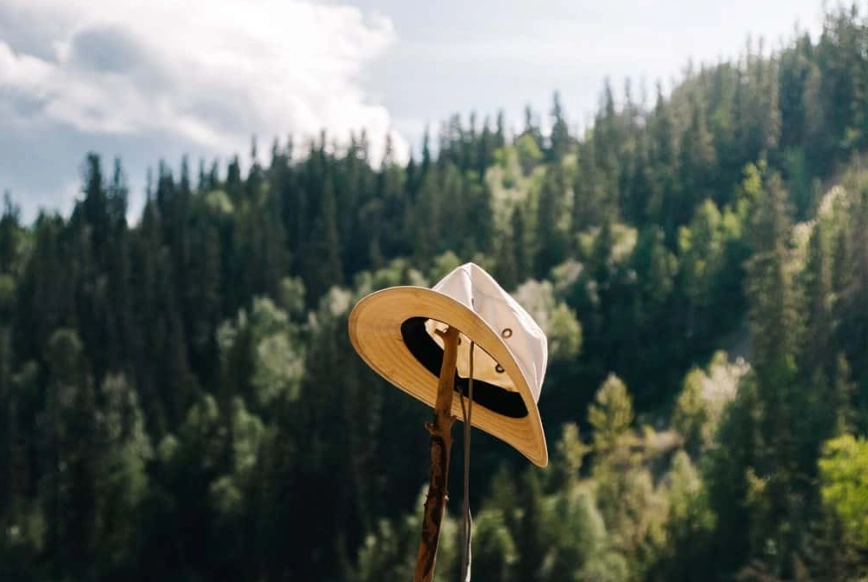
Materials Matter
Nylon/Polyester: The workhorses. They're lightweight, quick-drying, and often treated for water resistance. Great for active use and wet climates. Look for a UPF (Ultraviolet Protection Factor) rating of 50+.
Cotton: Breathable and soft, but it absorbs sweat and water like a sponge. A wet cotton hat is heavy and cold. Fine for dry, casual camping, terrible for serious hiking.
Straw/Paper: Incredibly breathable and classic for casual use. Offers zero water resistance and can be fragile. I have a nice paper braid hat I love for car camping, but I'd never take it on a backpacking trip.
Non-Negotiable Features
- Ventilation: Mesh panels, grommets, or a raised crown. If your head can't breathe, you'll overheat.
- Adjustability: A simple cord lock or leather strap on the inner band. Your head shrinks and swells with temperature and hydration. A hat that fits at the trailhead might be flying off your head by noon.
- Chin Strap/Cord: Essential for windy places, boating, or any activity where you might look down (like setting up a tent). The best ones are retractable or stow away when not in use.
- Dark Underbrim: A green or gray underside to the brim reduces glare from water or sand. It's a small feature with a huge impact on eye comfort.
I tested a popular, expensive hiking hat last year that had no adjustability and poor vents. It looked great, but after an hour of uphill hiking, it felt like a plastic bag on my head. I gave it away.
What Are the Common Camping Hat Mistakes?
Here’s where that "10 years of experience" perspective comes in. I see the same errors on the trail every season.
1. Prioritizing Style Over Function. That cute, stiff felt hat might look perfect for Instagram at the campsite, but it'll be unbearable on a humid hike. Choose function first. A good functional hat often develops its own cool character with use.
2. Ignoring the Neck. The most severe sunburn I've ever seen was on a friend's neck after a long kayak trip. He wore a baseball cap. If your hat doesn't cover your neck, you must be religious with sunscreen. A legionnaire flap or a simple sun-protection neck gaiter is a smarter solution.
3. Forgetting About Wind. A beautiful, wide-brimmed hat is useless if it ends up at the bottom of a canyon. If there's any breeze where you're going, ensure your hat has a secure fit or a strap.
4. Buying It Right Before the Trip. Never wear a brand-new, untested hat on a major expedition. Wear it around the house, on a walk. Does it chafe? Does the band absorb sweat weirdly? Break it in first.
Beyond the Brim: Caring for Your Camping Hat
Treat it well, and it'll last for years. Shake out dirt and dust after each trip. For sweat stains, most synthetic hats can be hand-washed in cool water with a bit of mild soap. Don't machine wash or dry—it'll destroy the shape and any water-resistant coatings.
Store it somewhere it can keep its shape, not crushed under heavier gear. I either hang mine on a hook or gently stuff the crown with a bandana and lay it flat.
Remember, your camping hat isn't just an accessory. It's a critical piece of protective equipment. Investing a little thought and money here pays back in comfort, safety, and enjoyment on every single trip. Now go find your perfect shade.
Your Camping Hat Questions, Answered
 How do I clean and maintain my camping hat without ruining its shape?