Let's be honest. Staring at a wall of backpacks online or in a store is overwhelming. You see specs, features, prices, and a dozen brands all claiming theirs is the best. Most advice starts with "determine your needs," which is about as helpful as saying "buy a good one." I've guided trips for over a decade and seen the same mistake repeated: people buy a backpack based on brand hype or cool looks, then suffer for days with shoulder pain, a sore back, or a pack that's half empty (or worse, bursting). Choosing a camping backpack isn't about finding the "best" one; it's about finding the right one for you and your specific trip. Forget the marketing. We're going to talk about what actually matters once you're five miles down the trail with it on your back.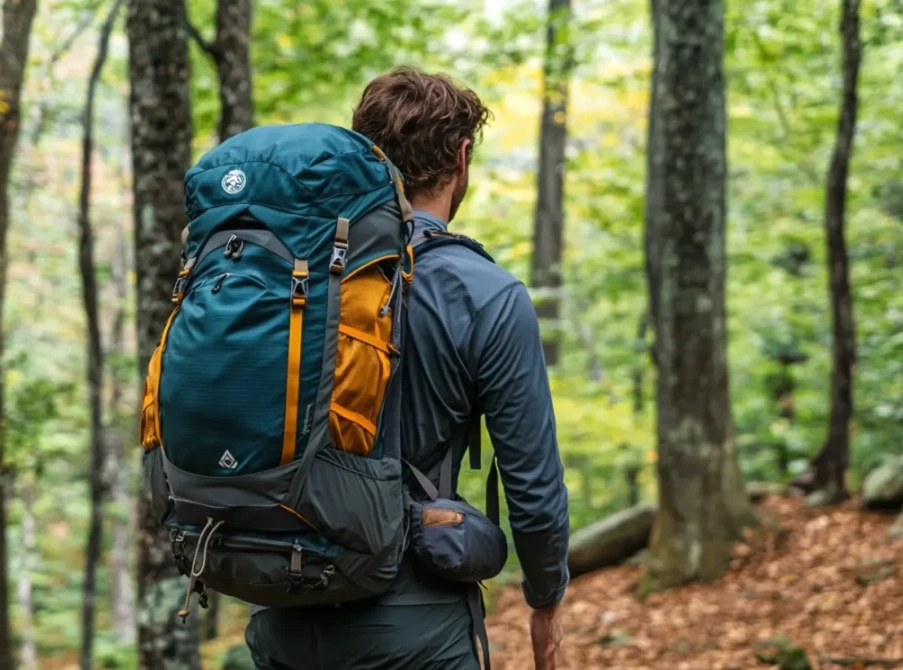
Your Quick Trail Map
The Biggest Lie About Backpack Capacity
"Get a 65-liter pack." You've heard it. It's generic, and often wrong. Capacity is the most misunderstood spec. It's not about the number; it's about what you put in it and for how long. A weekend warrior carrying bulky car-camping gear needs more space than an ultralight enthusiast on a week-long trek.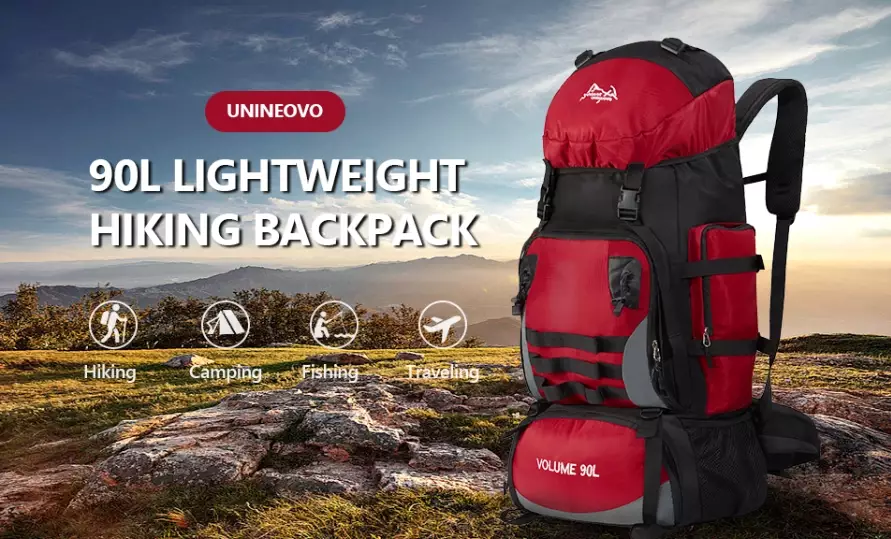
Here’s a more useful framework, based on actual trip types and gear efficiency:
| Trip Duration & Style | Realistic Capacity Range | What This Means For You |
|---|---|---|
| Summer Overnighter / 2-Day | 30 - 50 Liters | You're packing light. A compact sleeping bag, minimal clothing, a small stove. This is where many beginners buy way too much bag. |
| 3-5 Day Standard Backpacking | 50 - 70 Liters | The sweet spot for most. Fits a full sleep system, food, cookware, and layers. Your gear bulk dictates where you fall in this range. |
| 5+ Day / Winter / Carrying Shared Gear | 70+ Liters | Needed for bulkier winter bags, more food, or a tent for two. These packs are heavy even when empty, so don't default here. |
| Ultralight Philosophy | Every item is scrutinized for weight and size. Requires significant investment in specialized, minimalist gear. Not for beginners. |
My Pet Peeve: The "just in case" items. That extra pair of jeans, the massive hardcover book, the cast iron skillet (yes, I've seen it). They balloon your needed capacity. Be ruthless. A report by the U.S. Forest Service on trail use often cites overpacking as a primary cause of fatigue and injury. Your back will thank you.
Why Fit is Everything (And How to Nail It)
You can have the perfect capacity and the coolest features, but if the pack doesn't fit your torso, you're in for a world of hurt. This is the step everyone rushes. Fit is not about your height; it's about your torso length.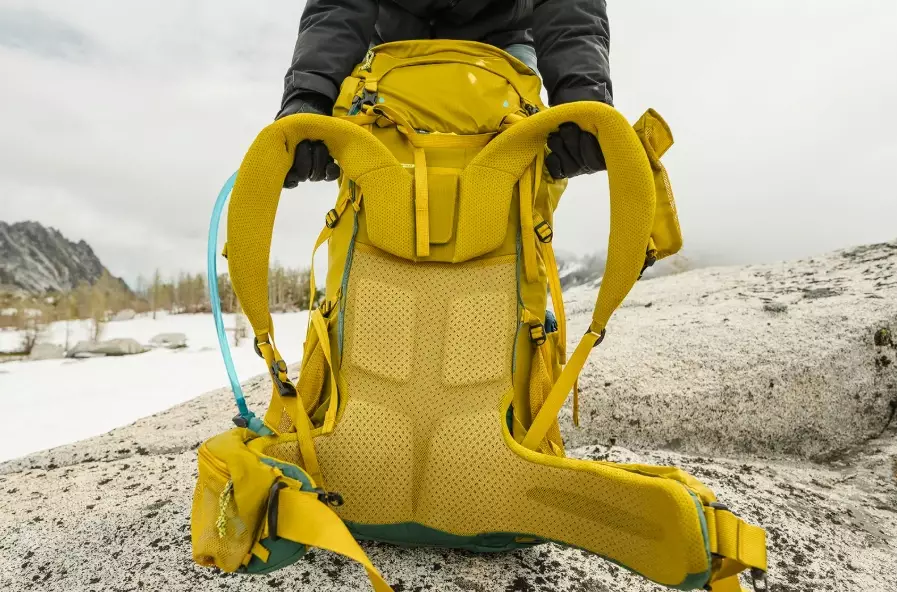
How to Measure Your Torso Length
Grab a soft measuring tape. Find the bony bump at the base of your neck (the C7 vertebra—tilt your head forward, it's the one that sticks out). That's your top point. Now find the top of your hip bones (iliac crest). Place your hands on your hips, thumbs pointing back—your thumbs rest roughly on this crest. Measure the distance between the C7 and an imaginary line between your thumbs. That's your torso length.
Most adult packs come in sizes like Small (16-18"), Medium (18-20"), and Large (20-22"). Match your measurement to the range. If you're between sizes, go smaller. A pack that's too long will ride on your butt; too short, and the hipbelt won't sit correctly.
The Hipbelt is Your Best Friend
Here's the expert secret nobody tells you upfront: A properly fitted backpack transfers 80-90% of its weight to your hips. Your shoulders are just for stabilization. When trying on a loaded pack, the padded hipbelt should wrap over the top of your hip bones, not your waist. Cinch it tight. Now loosen the shoulder straps slightly—they should hug you but not bear significant weight. If you can slide your hands comfortably between the straps and your shoulders, you're golden.
Pro-Tip from the Field: Always try packs with weight. Use sandbags or stuff sacks with clothing from the store. Walk around for 10 minutes. Bend over. Does the pack pull away from your back? Does the hipbelt stay put? That's your real test.
A Real-World Breakdown of Backpack Features
Marketing materials love feature lists. Let's translate them into trail utility.
Frame Type: Internal Frame is the modern standard—sleek, stable, hugs your back. External Frame packs are making a niche comeback; they carry heavy, bulky loads (like game meat or scientific equipment) very well but are less agile on technical terrain. For 99% of campers, internal is the way.
Access: Do you like stuffing everything in from the top (Top-Loader), or do you want a zipper that opens the pack like a suitcase (Panel-Loader)? Top-loaders are simpler, lighter, and often more water-resistant. Panel-loaders are easier to organize and find things. I prefer a hybrid: a top-loader with a large "U-zip" front panel for easy access to the middle of my pack without unpacking everything.
Pockets & Lash Points: More isn't always better. Two side water bottle pockets are essential. A front "shove-it" pocket is great for wet rain gear. A floating lid with a pocket holds snacks and sunscreen. Beware of excessive daisy chains and gear loops—they snag on branches and add weight you'll never use.
Material: Denier (D) indicates fabric toughness. 100D-210D is common for the pack body. Higher denier (e.g., 400D+) is used on high-wear areas like the bottom. A silicone or polyurethane coating provides water resistance, but no pack is fully waterproof without a liner or cover.
Scenario: Packing for a 3-Day Summer Trip
Let's make this concrete. Imagine you're heading out for a Friday-to-Sunday hike in temperate mountains. You have a 60-liter pack. How do you fill it?
Bottom of the Pack: Your sleeping bag (in a compression sack). It's light and bulky, and you won't need it until camp.
Close to Your Back (Center): Heavy, dense items. Your food bag (about 5-6 lbs), your stove and fuel, and your water reservoir (if you use one). This keeps the weight centered and close to your spine for better balance.
Middle & Top: Your tent (body or poles can go on the outside), sleeping pad, and clothing layers. Stuff these items around the heavy core to fill dead space.
External & Lid: Rain jacket and pants in the front shove-it pocket. Water bottles in side pockets. Headlamp, map, snacks, sunscreen, and bug spray in the lid pocket for instant access.
This system, often called "core packing," creates a stable load that doesn't pull you backward or make you feel like you're wrestling a bear.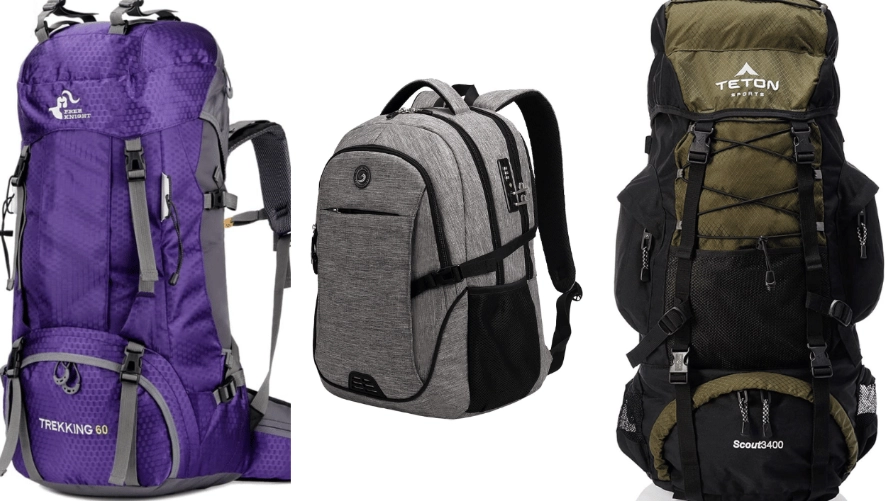
Answers to the Questions You're Actually Asking
Is a hiking backpack different from a camping backpack?
The terms blur, but generally, a "camping" or "backpacking" pack is designed for multi-day trips with a sleep system. It has a larger capacity (50L+), a robust frame and hipbelt for heavy loads, and more attachment points for gear. A "day hiking" pack is smaller (under 30L), often frameless or lightly framed, and focuses on quick-access organization for food, water, and layers.
Can I use the hydration sleeve for my laptop as a daily commuter bag?
You can, but you shouldn't make it a habit. The hydration sleeve lacks padding and structure. A laptop bouncing against your back inside a floppy sleeve is a recipe for damage. These packs also lack professional aesthetics. It's a great dual-use for a casual day, but invest in a proper laptop bag if you commute regularly.
 How important is weight? Should I spend hundreds more to save a pound?
Weight matters, but it's the last variable to optimize. A perfect-fitting 4.5 lb pack is infinitely better than a poor-fitting 3 lb pack. Once you have fit, capacity, and features dialed, then consider shaving weight. The cost-to-weight-saved ratio gets steep. Saving a pound on your pack might cost $200. You could save that same pound by leaving behind extra clothing or choosing a lighter stove for a fraction of the price.
My lower back gets sore even with the hipbelt tight. What am I doing wrong?
This is common and usually points to two things. First, the pack's torso length is likely too long, placing the hipbelt above your actual hips and putting pressure on your lumbar spine. Second, you might be leaning forward excessively to compensate for a poorly balanced load. Re-check your torso measurement and ensure your heaviest items are packed in the center of your back, not at the bottom.
Are expensive brands like Osprey or Gregory really worth it?
They're expensive for a reason: superior fit systems, durable materials, and excellent warranties (Osprey's All Mighty Guarantee is legendary). For your first serious pack, they are a safe, high-quality investment. However, brands like REI Co-op, Deuter, and Kelty offer fantastic packs at lower price points with great fit and durability. Don't pay for the name; pay for the fit and features you need.
The right camping backpack selection feels like an extension of your body. It's not a piece of luggage you carry; it's the mobile basecamp that enables your adventure. Ignore the flashy ads. Measure your torso. Think about your real trips. Load it up and walk around the store. That feeling of balanced, secure comfort—that's the sign you've found your pack.