You've packed the tent, the sleeping bag, the perfect food. But have you packed a plan for your trash? Camping waste management is the unglamorous, absolutely critical backbone of responsible outdoor recreation. It's not just about avoiding a fine or being tidy. It's about protecting the very wilderness you came to enjoy—the water, the soil, the wildlife, and the experience for the next camper. I've seen too many once-pristine sites degraded by orange peels, toilet paper blooms, and food scraps. Let's change that.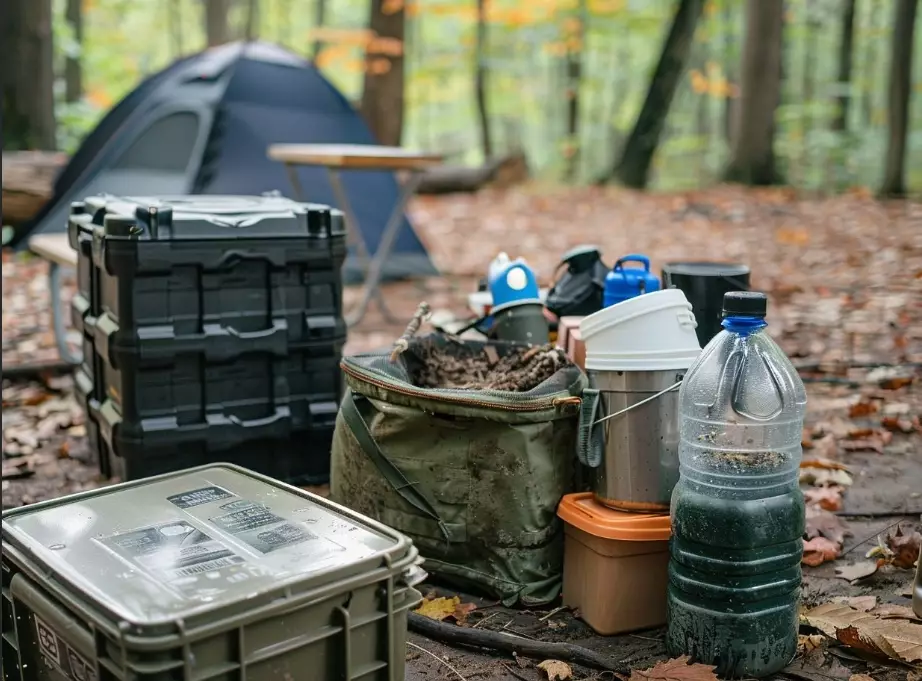
Your Quick Guide to a Cleaner Campsite
What is Camping Waste Management?
It's everything that leaves your body or your pack that doesn't belong in the natural environment. We're talking apple cores, pasta water, candy wrappers, used wet wipes, and yes, human poop and pee. Most beginners think it's just about putting trash in a bear box. That's step one, maybe. True waste management starts at the grocery store when you're planning your meals and ends when you properly dispose of everything back in civilization. It's a mindset of total responsibility for what you bring in.
The Unbreakable Core Principles
Forget complicated rules. Two phrases should be your mantra.
Pack It In, Pack It Out. This is non-negotiable. Every single thing you bring, you must take back out with you. This includes all trash, leftover food, and even organic matter like fruit peels and nut shells. An orange peel can take 2 years to decompose and attracts animals away from their natural diet.
Leave No Trace. This is the overarching ethic. The goal is to make it look like you were never there. The Leave No Trace Center for Outdoor Ethics provides the gold-standard framework. Your waste management plan is the most tangible way to practice this.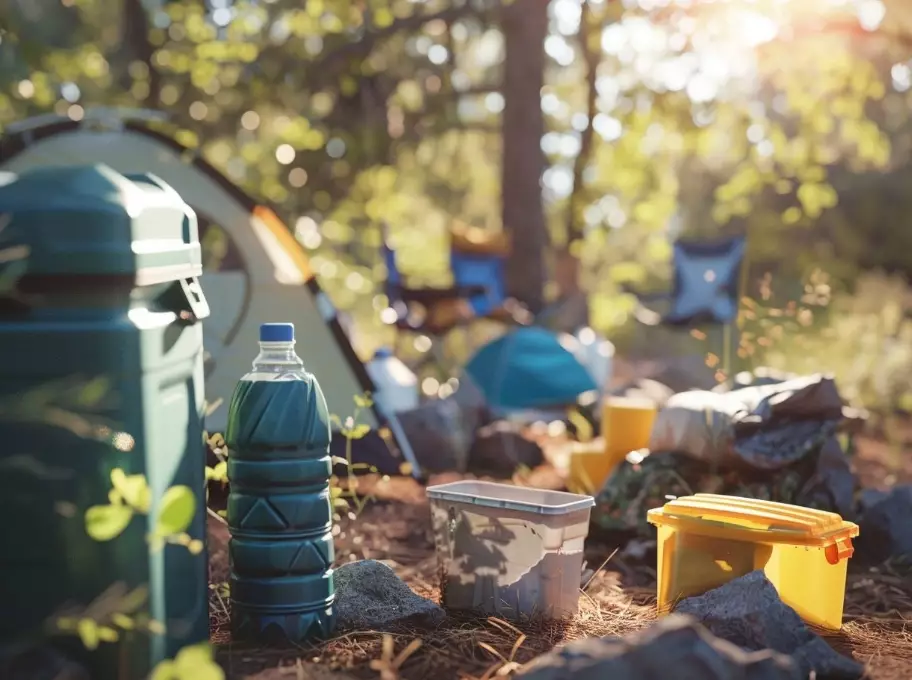
Managing Food & Packaging Waste: A Step-by-Step System
This is where you can make the biggest immediate impact. A sloppy kitchen area is a magnet for wildlife and creates a mess.
Before You Go: The Smart Pack
Repackage everything. Dump trail mix into a reusable bag. Take snacks out of their cardboard boxes. This reduces bulk and eliminates secondary packaging you'd have to deal with later. I use clear, lightweight silicone bags for everything. Plan meals that generate minimal scraps and use all ingredients.
At Camp: The Two-Bag System
You need two dedicated bags:
- Trash Bag: For true, non-recyclable, non-compostable waste (plastic wrappers, foil, used tape).
- Smellables/Slops Bag: This is critical. All food scraps, used paper towels, grease, and leftover cooking water go in here. Use a sturdy, sealable bag (I double-bag). Pour cooled pasta water into a bottle before adding to the bag to prevent leaks. This bag gets sealed tightly and stored with your bear canister or hung.
Washing Up: The 200-Foot Rule
Never wash dishes or dump wastewater directly into a lake or stream. Carry water 200 feet (about 70 adult paces) away from any water source. Use a small amount of biodegradable soap (even biodegradable soap needs soil to break down!). Strain your wash water through a fine mesh strainer to catch food particles—those particles go into your smellables bag. Scatter the strained gray water widely.
The Big One: Managing Human Waste While Camping
This is the part everyone whispers about. Doing it wrong contaminates water sources and spreads disease. The method depends entirely on your location.
| Location Type | Primary Method | Key Details & Why |
|---|---|---|
| Developed Campgrounds | Use the provided vault toilets or flush toilets. | Always. Even if it's a walk. These are designed to contain waste safely. Never poop in the woods near a campground. |
| Backcountry (Most Forest & Alpine Areas) | Cathole: Dig a hole 6-8 inches deep, at least 200 ft from water, camp, and trails. | 6-8 inches is the active soil layer where microbes break waste down fastest. Shallower risks exposure; deeper takes too long. Pack out your toilet paper in a dedicated zip bag. |
| Deserts, River Canyons, or Sensitive Alpine Zones | Pack It Out Entirely. Use a WAG Bag or similar portable toilet system. | In these fragile environments, decomposition is extremely slow or impossible. It's the law in many places like the Grand Canyon. The bag contains waste and a gelling/deodorizing agent. |
A major misconception? Thinking a cathole is a trash grave. Never put trash, wet wipes, or feminine hygiene products in a cathole. They won't decompose. They all get packed out.
Urine: The Less-Discussed Factor
Urine is generally sterile but salty. Animals will dig up soil where you pee for the salts, causing erosion. The solution is simple: pee on rocks, gravel, or pine duff well away from camp. Dilution is the solution—if you must go near a water source, go directly in the fast-moving water if it's safe and legal to do so, never on the bank.
Hygiene & Personal Items: The Invisible Waste
Toothpaste, sunscreen, bug spray, wet wipes, tampons, dental floss. These are all waste.
Wet Wipes & Towelettes: Even if labeled "biodegradable" or "flushable," they do not decompose in the wild. They are made of plastic fibers. You must pack every single one out. No exceptions.
Feminine Hygiene Products: Tampons and pads must be packed out. Use a dark opaque bag or a specific product like a Restop bag. It's not optional.
Soaps & Lotions: Always apply sunscreen and bug spray well away from lakes and streams. Wash with biodegradable soap 200 feet from water. A little goes a very long way.
Common Mistakes & Pro Tips From the Trail
I've guided trips for years. Here's what people consistently get wrong, and what the savvy camper does.
The "Biodegradable" Trap: Throwing apple cores or banana peels into the woods because "they're natural." This is harmful. It introduces non-native food, habituates animals to human food, and looks like litter. Pack it out.
Burning Trash in the Fire Pit: A terrible idea. Plastic releases toxic fumes. Foil and cans don't burn completely, leaving a mess for the next person. Food scraps attract animals. Never burn your trash.
Pro Tip for Smelly Trash: Use a handful of coffee grounds in your smellables bag. It's a natural deodorizer. I also keep a small tube of toothpaste—a dab under the nose can work wonders when dealing with a full WAG bag.
Pro Tip for Packing Out TP: Put a dark-colored opsak or zip bag inside a bright red bag. The inner bag contains the used TP, the outer bag signals "human waste—do not open." Keep a small bottle of hand sanitizer clipped to it.
Your Burning Questions Answered
 Are "biodegradable" wet wipes and soaps okay to use and leave in a cathole?