Explore This Guide
- The Core Philosophy: It's All About Systems
- System 1: Your Sleep System (The Holy Trinity)
- System 2: The Layering System (Clothing)
- System 3: Hydration, Food & Cooking
- System 4: Safety & Essential Tools
- Cold Weather Camping Gear FAQ: Your Burning Questions Answered
- Pulling It All Together: A Sample Winter Overnight Checklist
- Final Thoughts: Start Small and Learn
Let's be honest, the idea of camping in cold weather can be intimidating. I remember my first time – I packed what I thought was a warm sleeping bag and wore a bunch of cotton hoodies. Let's just say I spent the night shivering, watching my breath form clouds, and vowing never to do it again. But that was before I understood that the right cold weather camping gear isn't just about comfort; it's the barrier between a magical, serene winter experience and a miserable, potentially dangerous one.
Getting your gear right is everything. It's the difference between waking up to frost on the inside of your tent (yes, that happens) and waking up cozy, ready for a hot drink as the sun hits the frozen landscape. This guide isn't a list of fancy, overpriced items. It's a practical, from-the-ground-up look at what you actually need to stay warm, dry, and safe. We'll move beyond the basics and dig into the why behind each piece of gear, because understanding that is what helps you make smart choices, whether you're buying new stuff or piecing together what you have.
So, are you ready to stop dreading the cold and start embracing it? Let's build your winter kit.
The Core Philosophy: It's All About Systems
Thinking in single items – "I need a warm jacket" – is how you fail. You need to think in systems. Your body is a furnace, and your job is to manage its heat and moisture efficiently. Every piece of cold weather camping gear plays a role in one of these systems:
- The Sleep System: Your shelter from the cold when you're most vulnerable. This is your tent, sleep pad, and sleeping bag/quilt working together.
- The Layering System (Clothing): Your adjustable, mobile insulation. This is how you manage heat while hiking, sitting around camp, or sleeping.
- The Hydration & Fuel System: Keeping your internal furnace stoked. This is about water management and food.
- The Safety & Utility System: The non-negotiables that keep you out of trouble. First aid, navigation, light.
Fail one system, and the others have to work overtime. Get them all right, and you're golden.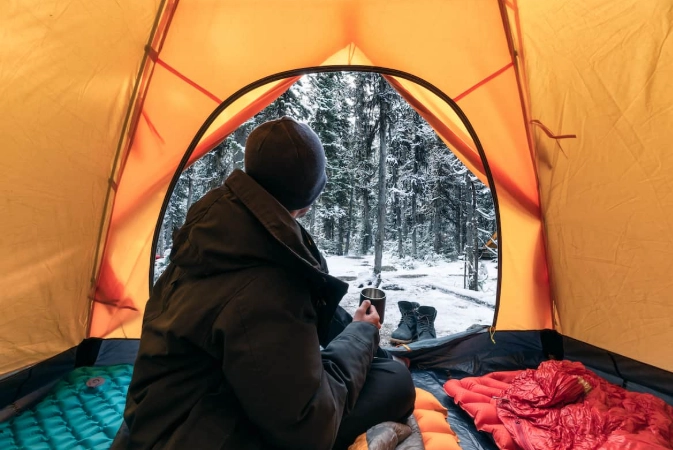
System 1: Your Sleep System (The Holy Trinity)
This is where most beginners mess up. They buy a -10°C bag and think they're set. Nope. Your sleeping bag's rating is almost meaningless without the other two parts of the trinity.
The Sleeping Bag: Your Personal Cocoon
The big question: Down or Synthetic? This debate is older than dirt, and both have their place in your cold weather camping gear list.
| Feature | Down Fill (Goose/Duck) | Synthetic Fill (Polyester) |
|---|---|---|
| Warmth-to-Weight | Winner. Packs smaller, lighter for the same warmth. The king of dry cold. | Heavier and bulkier for equivalent warmth. |
| Performance When Wet | Big Loser. Loses almost all insulation when wet. Clumps and is slow to dry. | Winner. Retains some warmth even when soaked. Dries faster. |
| Durability & Care | Long-lasting if cared for. Needs special wash. Can lose loft over many years. | Generally robust, easier to wash. Loft degrades faster with compression. |
| Cost | More expensive, especially high-fill-power down. | More affordable. |
| Best For | Dry climates, backpackers needing light weight, extreme cold (with proper care). | Humid/wet climates, beginners, car camping where weight isn't an issue. |
My take? I'm a down person for most trips. The packability is worth the extra care. But I have a synthetic bag for those rainy Pacific Northwest trips where everything, including me, ends up damp. Don't let anyone tell you one is universally better.
Temperature Rating Truth Bomb: A bag rated for -7°C (20°F) is a survival rating for the average woman. For comfort, you want a bag rated for colder than the lowest expected temperature. Expecting -1°C (30°F)? Get a -7°C bag. Seriously.
The Sleep Pad: Your Ground Insulation (R-Value is King)
This is the most overlooked piece. The ground is a massive heat sink. Your sleeping bag's loft gets crushed underneath you, providing zero insulation. Your pad's job is to stop that heat loss.
Look for the R-Value. It measures thermal resistance. Higher number = better insulation.
- Summer: R-Value 1-2
- 3-Season: R-Value 2-4
- Winter: R-Value 5+
For true winter camping, I use a closed-cell foam pad (like a Therm-a-Rest Z-Lite) under my inflatable pad. It's cheap, indestructible, and adds crucial R-value while protecting the inflatable. Doubling up is a classic winter hack.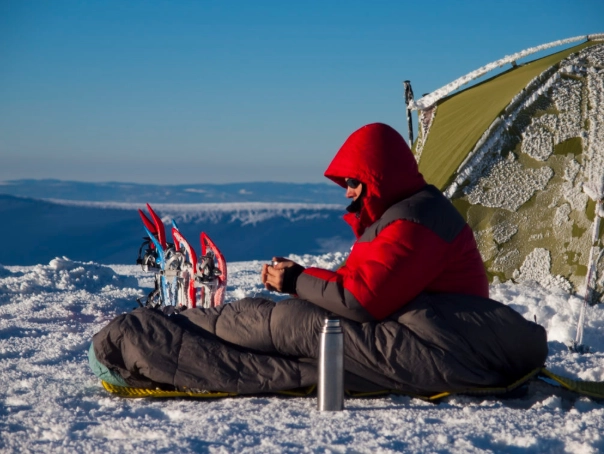
I learned the importance of R-value the hard way. On a shoulder-season trip, I used my summer pad (R-2.5). The air was mild, but the ground was freezing. I lost more heat through my back than through the top of my bag. Never again. Now my winter pad is an R-6.8 beast, and it's worth every ounce.
The Shelter: Your Windbreak & Snow Shed
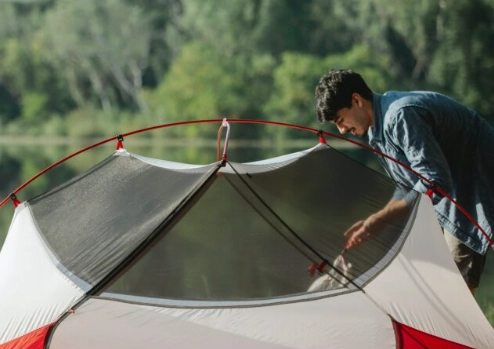
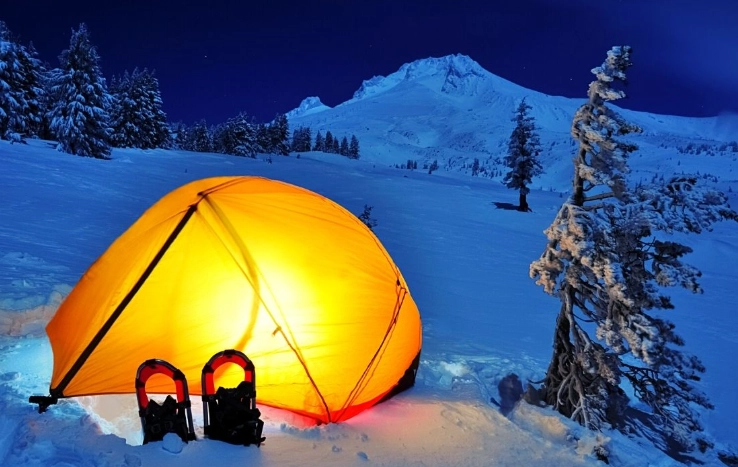
A 3-season tent might work in a pinch, but a 4-season or dedicated winter tent is built for the job.
What makes a tent good for cold weather?
- Stronger Poles: To handle snow load and wind.
- Steeper Walls: Sheds snow instead of letting it accumulate.
- Minimal Mesh: Less ventilation for heat retention (but you still need some to manage condensation!).
- Robust Stakes & Guylines: For securing in frozen or snowy ground.
You can use a 3-season tent in mild winter conditions, but be prepared to brush off snow regularly and stake it out like your life depends on it. A good resource for understanding tent standards and weatherworthiness is the REI Expert Advice library, though they focus more on general family camping, the principles of shelter integrity apply.
System 2: The Layering System (Clothing)
Cotton kills. You've heard it. It's true. It absorbs moisture (sweat) and holds it against your skin, sucking heat away. For cold weather camping gear, your clothing should be 100% synthetic or wool.
The Base Layer: Your Second Skin
This is in direct contact with your skin. Its job is to move moisture away (wicking).
- Merino Wool: My absolute favorite. Naturally odor-resistant, wicks well, stays warm even when damp. It's pricey but worth it for multi-day trips. Smartwool and Icebreaker are staples.
- Synthetics (Polyester): Affordable, dries fast, durable. Can get stinky faster than wool.
I wear a mid-weight merino top and bottom to sleep in. It's a game-changer for nighttime warmth.
The Mid Layer: Your Insulation
This traps warm air. You'll likely have multiple mid-layers to add or remove.
- Fleece Jacket: The workhorse. Breathable, warm even when wet, affordable. A grid fleece is especially good for active use.
- Insulated Jacket (Puffy): Your static warmth. When you stop moving, this goes on. Again, down vs. synthetic rules apply. A synthetic puffy is often better around camp where sparks from the fire or general dampness are risks.
The Outer Layer (Shell): Your Shield
This stops wind and rain/snow from getting in. It should be breathable to let sweat vapor out.
- Hardshell (Gore-Tex etc.): For heavy rain/wet snow. Fully waterproof and breathable.
- Softshell: For dry, windy conditions. Highly breathable, water-resistant, and more stretchy for movement.
For most winter camping, unless it's very wet, a durable water-resistant (DWR) softshell and a good hardshell in your pack is a versatile combo.
Extremities: Hats, Gloves, Socks
You lose a huge amount of heat from your head and hands. Don't skimp.
- Hat: A warm beanie for camp, a thinner one for sleeping. I always have two.
- Gloves: A thin liner glove (for dexterity) inside a waterproof insulated mitten is the ultimate system. You can do tasks with the liners, then pop the mittens back on.
- Socks: Merino wool, always. Don't wear multiple pairs—it restricts blood flow and makes you colder. One good, thick pair is better. Have a dedicated, dry pair for sleeping.
System 3: Hydration, Food & Cooking
Your body needs fuel and water to generate heat. This gets tricky when everything wants to freeze.
Dehydration is a silent cold-weather threat. You don't feel as thirsty in the cold, but you're still losing water through respiration and exertion. Drink constantly.
Water Management:
- Use an insulated water bottle (like a Hydro Flask) or a thermos for hot drinks.
- Store water bottles upside down in your pack. Ice forms at the top first.
- Keep your water filter in an inner pocket or your sleeping bag at night. If it freezes, the internal membranes can crack, ruining it.
- Boiling water in the morning and putting it in a Nalgene to act as a hot water bottle in your sleeping bag is a classic trick for warming up your bag before bed.
Food & Cooking:
- Bring a stove that works in the cold. Canister stoves lose pressure in freezing temps. Liquid fuel (white gas) stoves like the MSR WhisperLite are the gold standard for winter. Or use a canister stove with a regulator and keep the canister warm in your jacket.
- Calorie-dense foods are your friend. Fats and proteins generate more heat during digestion than carbs. Think nuts, cheese, chocolate, salami, dehydrated meals with plenty of oil.
- Prep easy meals. You won't want to fuss with elaborate cooking with cold fingers.
For safe food handling and storage practices in the backcountry, especially in bear country which often overlaps with winter areas, it's wise to check guidelines from sources like the U.S. National Park Service. Proper food storage is a year-round responsibility.
System 4: Safety & Essential Tools
This is the boring but critical stuff. Winter amplifies consequences.
- Navigation: GPS/Phone (with extra battery packs kept warm) AND a physical map and compass. Know how to use them. Whiteouts happen.
- Light: Headlamp with extra batteries (cold drains batteries fast). Keep spares in an inner pocket.
- First Aid Kit: Expanded for winter. Include chemical heat packs, a space blanket (or better, a bivy sack), and knowledge of hypothermia/frostbite treatment.
- Fire Starting: Multiple methods (lighter, matches in a waterproof case, firesteel). Fire can be a lifesaving emergency tool.
- Multi-tool/Knife: For gear repairs, food prep, general tasks.
- Sun Protection: Yes, even in winter. Snow reflects UV. Sunglasses (category 3 or 4) and sunscreen are mandatory to avoid snow blindness and burns.
Cold Weather Camping Gear FAQ: Your Burning Questions Answered
Pulling It All Together: A Sample Winter Overnight Checklist
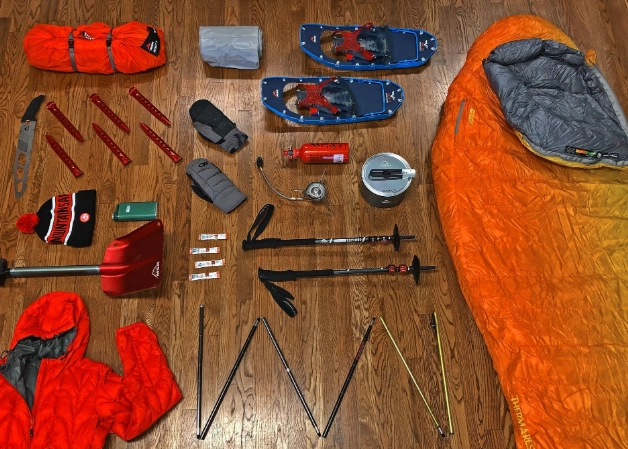
Here’s a mental packing list for a car-camping-oriented winter trip, expecting temps down to -7°C (20°F). This is where your cold weather camping gear list comes to life.
- Shelter: 4-season or robust 3-season tent, footprint, sturdy stakes, mallet.
- Sleep: Sleeping bag rated to -12°C (10°F), sleeping pad with R-Value 5+, closed-cell foam pad (extra), inflatable pillow.
- Clothing (Worn/Carried): Merino base layers (2 sets), fleece jacket, synthetic insulated puffy, hardshell jacket & pants, warm beanie, neck gaiter, liner gloves, insulated mittens, 2-3 pairs merino socks, insulated winter boots, gaiters.
- Kitchen: Liquid fuel stove & fuel, pot, lighter/matches, insulated mug/bowl/spoon, water bottles/thermos, water treatment (if needed), high-calorie food, bear canister if required.
- Safety & Tools: Headlamp + batteries, map/compass/GPS, first aid kit, multi-tool, fire starter, small shovel (for snow/ latrine), sunglasses, sunscreen.
- Extras: Camera, book, camp chair (insulated seat is nice!), extra trash bags (useful for everything).
Final Thoughts: Start Small and Learn
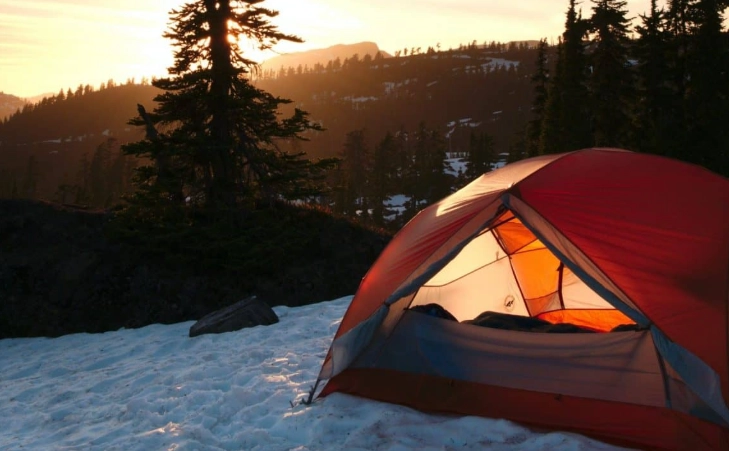
Don't make your first winter trip a multi-day expedition in a blizzard. Go for a single overnight in a familiar area with mild conditions. Test your gear. See how your sleep system performs. Figure out your layering. Make mistakes close to your car or home.
The world of winter is quiet and profound in a way summer can never be. The right cold weather camping gear is your ticket into that world. It’s not about battling the elements, but learning to work with them, to be prepared and resilient.
It takes more effort, more planning, and more stuff. But the reward—the crackle of a stove in the silent cold, the stars blazing in a frozen sky, the deep, earned warmth in your shelter—is absolutely worth it. Now get out there and test your layers.