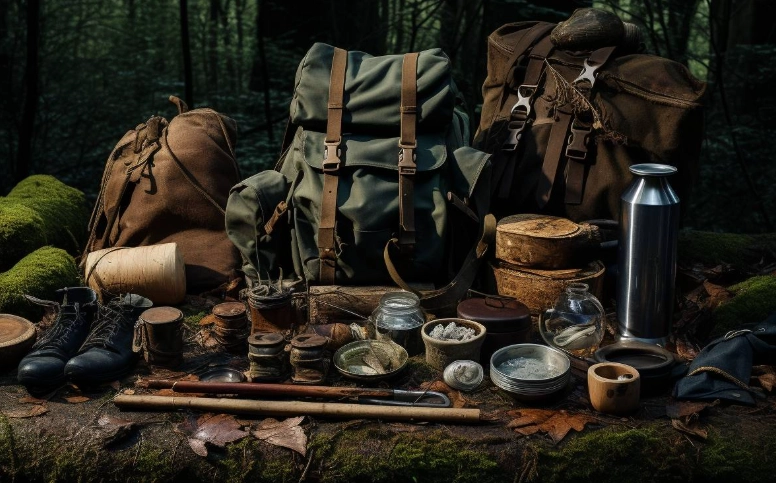
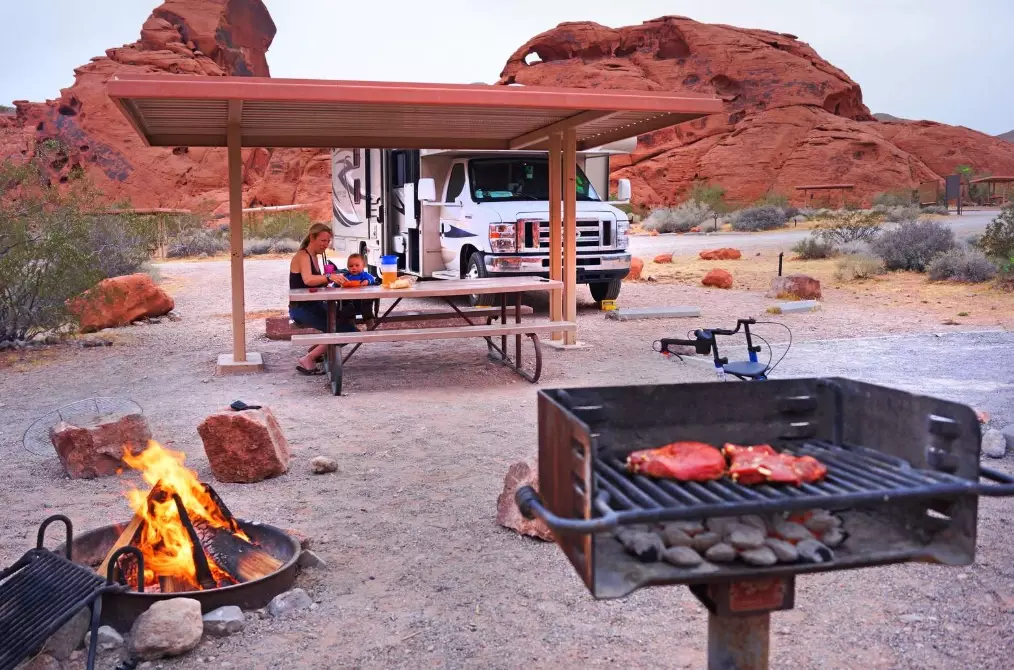
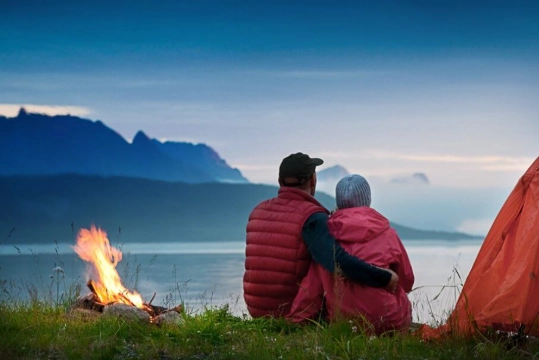
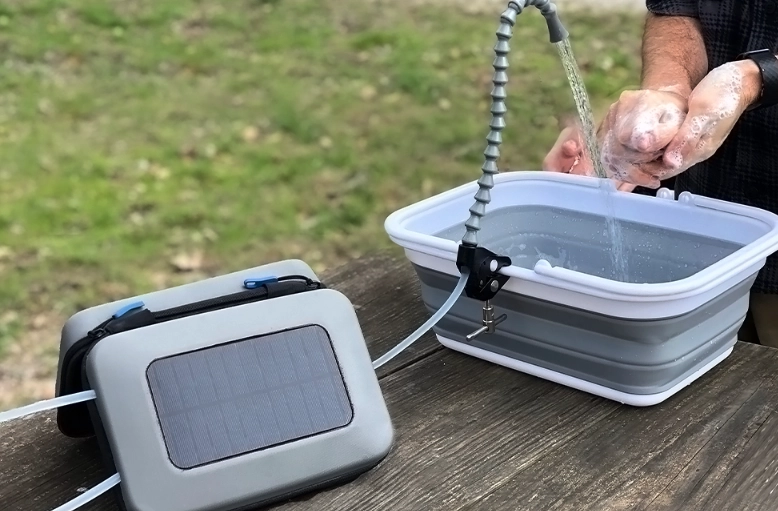
You see the photos. The starry skies, the crackling campfire, the serene sunrise over a mountain lake. You want that. But then you think about buying a tent you'll use twice, figuring out permits, worrying about bears, and cooking over a stove that might not work. The dream fades into a fog of logistical anxiety.
That's where guided camping tours come in. They're not just for total newbies. I've been camping for over a decade, and I still book them. Why? Because sometimes you want the adventure without the admin, the immersion without the research. A good guide turns a trip into an education.
Your Guided Camping Journey Starts Here
- What Exactly Is a Guided Camping Tour?
- Who Are Guided Trips Really For? (It's Not Who You Think)
- Tour Types & Guides: Finding Your Expert Match
- What's Actually Included? Decoding the All-Inclusive Promise
- Planning Your Guided Camping Trip: A Step-by-Step Framework
- A Taste of Adventure: Sample 4-Day Itinerary
- Packing for a Guided Tour: The Expert's Shortlist
- Your Guided Camping Questions, Answered Honestly
What Exactly Is a Guided Camping Tour?
Think of it as a hybrid. It's not a luxury glamping resort, and it's not you alone in the backcountry with a map. A guided camping tour is a structured outdoor experience where a professional or highly knowledgeable guide handles the core logistics—campsite reservations, major gear (tents, stoves, sometimes sleeping bags), meal planning, and route navigation—while you participate in the hands-on fun of setting up camp and exploring.
The magic is in the guiding. This person isn't just a trip leader; they're a teacher, a naturalist, a safety officer, and a storyteller. They point out the bird you just heard, explain the geology of the canyon, teach you how to properly hang a bear bag, and share local history you'd never find in a guidebook. According to the National Park Service, interpretive programs (which guided tours essentially are) significantly increase visitor understanding and connection to protected lands.
Who Are Guided Trips Really For? (It's Not Who You Think)
Everyone says "beginners." That's true, but it's incomplete. Here's a more honest breakdown:
- First-Timers & Anxious Campers: The obvious fit. Zero experience required. You learn by doing in a safe, supported environment.
- Time-Poor Adventurers: You have a week of vacation and don't want to spend three of it researching campsites, renting gear, and meal-prepping dehydrated beans. You trade money for time and peace of mind.
- Families with Kids: This is a game-changer. Guides often have tricks to engage kids (scavenger hunts, simple ecology lessons), and parents can actually relax instead of managing the entire circus. The group setting can also provide built-in playmates for children.
- Solo Travelers Seeking Community: You get the solitude of nature with the safety and social option of a small group. It's a fantastic way to meet like-minded people.
- Experienced Campers Targeting Specialized Skills or Zones: This is the one most people miss. Want to learn advanced wilderness first aid? Camp in grizzly country safely? Access a remote, permit-restricted area like the Wave in Arizona or a specific wilderness zone in Alaska? A specialized guide is your ticket. They have the permits, the training, and the local knowledge you can't get from blogs.
I booked a guided winter camping trip in Yellowstone years ago. I knew how to camp, but I didn't know a thing about tracking wolves or navigating deep snow safely. The guide made it possible.
Tour Types & Guides: Finding Your Expert Match
Not all guides are the same. Picking the right type is crucial for your enjoyment. Here’s a breakdown of the most common archetypes you'll encounter.
| Guide Type | Best For | What You'll Learn/Experience |
|---|---|---|
| The Naturalist / Interpretive Guide | Families, curious minds, wildlife lovers. Trips in iconic parks like Yellowstone, Great Smoky Mountains, or the Redwoods. | Deep ecology, animal behavior, plant identification, stargazing, conservation stories. Less focus on hardcore hiking miles. |
| The Adventure / Skills Guide | Active individuals, those wanting to build confidence. Common on trips in the Rockies, Sierra Nevada, or canyon country. | Backcountry navigation, advanced campsite selection, leave-no-trace ethics, maybe even introductory rock climbing or kayaking alongside camping. |
| The Cultural / Historical Guide | History buffs, photographers. Think Southwest USA (Ancestral Puebloan sites), the Appalachian Trail, or cultural landscapes. | Archaeology, local history, indigenous perspectives, landscape photography tips, visiting off-the-beaten-path historical sites. |
How to vet them? Look for certifications. A guide certified by the Wilderness Education Association or who is a Leave No Trace Master Educator has invested in serious training. Read past client reviews not just for "fun" but for mentions of knowledge, safety, and responsiveness.
What's Actually Included? Decoding the All-Inclusive Promise
"All-inclusive" in the camping world has a specific meaning. Always, always read the fine print. Here’s a typical breakdown:
Almost Always Included: Professional guide services, campsite fees & permits, all meals from lunch Day 1 to lunch Last Day, group camping gear (tents, cookware, stoves, water filters, first-aid kits), transportation during the tour (e.g., a van to trailheads).
Often NOT Included (The Gotchas): Sleeping bag and sleeping pad (many companies rent these, but for a fee), personal clothing/rain gear, hiking boots, headlamp, flights to the trip start point, pre- and post-trip accommodation, guide gratuity (typically 10-15% is recommended), alcoholic beverages.
My advice? Budget an extra 20% on top of the listed price for rentals, tips, and incidentals. A $1200 trip will realistically cost you about $1450.
Planning Your Guided Camping Trip: A Step-by-Step Framework
Let's make this actionable. Follow these steps to go from idea to booking.
Step 1: Define Your "Why" & Non-Negotiables
Ask yourself: Is this for relaxation or challenge? Wildlife or landscapes? Group socializing or personal quiet time? Do you need a trip that guarantees a shower every third day? Write it down.
Step 2: Match Destination to Season
Want to see fall colors in New England? Book a year in advance for October. Dreaming of a Southwest canyon trip? Spring and Fall are ideal; summer is brutally hot. Companies like REI Adventures and Backroads have seasonal calendars that make this easy.
Step 3: Scrutinize the Itinerary & Daily Mileage
Don't just look at the highlights. Read the day-by-day description. Does it say "4-6 miles of hiking with 800ft elevation gain"? Be honest about your fitness. A 6-mile day on rocky terrain is different than 6 miles on a flat path.
Step 4: The Phone Call Test
Email or call the outfitter with a specific question. How they respond tells you everything. I once asked about dietary restrictions, and the owner spent 20 minutes explaining their meal planning process. I booked instantly.
A Taste of Adventure: Sample 4-Day Itinerary (Yellowstone Wildlife Focus)
To make this real, here’s a condensed version of a stellar guided tour I did. Operator: Yellowstone Guidelines (a hypothetical, quality local outfitter).
Day 1 – Meet & Immerse: Meet at Bozeman Airport (pick-up included). Drive to Norris Campground inside the park. Guide lesson on setting up our weatherproof tents. Evening talk on Yellowstone’s supervolcano. Short sunset walk to spot elk.
Day 2 – Lamar Valley Safari: Pre-dawn start (coffee ready!) to reach the "Serengeti of North America." Spend day with spotting scopes observing bison herds, possible wolf packs (spring is best for pups), and grizzlies. Guide explains predator-prey dynamics. Picnic lunch by the river. Return to camp for a hearty stew dinner.
Day 3 – Geyser Basins & History: Hike the Upper Geyser Basin (Old Faithful area), but our guide takes us to lesser-known, equally spectacular geysers. Discusses the history of the park’s formation. Afternoon free time or optional hike. Final campfire with s'mores and star stories.
Day 4 – Departure: Morning wildlife drive, hoping for a moose sighting. Breakdown camp together. Transfer back to Bozeman by noon.
Cost (Sample): ~$1,850 per person. Included: All camping, park entry, meals, guide, van transport, group gear. Not included: Sleeping bag rental ($50), flights, gratuity.
Packing for a Guided Tour: The Expert's Shortlist
The company will give you a list. Here are the items they might not emphasize enough, but I always pack:
- A Small, Quick-Dry Towel: Not all trips have showers, but for washing up in a stream or a surprise campground shower, it's gold.
- Earplugs and an Eye Mask: You're sharing a campsite. Someone snores. The sun rises at 5:30 AM. These are sanity-savers.
- Camp Shoes: Lightweight sandals or crocs. Getting out of hiking boots at camp is a primal joy.
- A Battery Pack: For recharging your phone/camera. Many tours have no electricity.
- Your Own Favorite Snacks: Company food is good, but sometimes you just want your specific trail mix or chocolate bar.
- A Physical Notebook: You'll learn so much. Writing it down helps it stick better than typing on a phone.
Your Guided Camping Questions, Answered Honestly
The bottom line? Guided camping tours democratize the wilderness. They remove the biggest barriers—knowledge, gear, and planning—so you can access the core experience: wonder, challenge, and connection. You trade some spontaneity for deep immersion. For many people, especially now, that’s a trade worth making.
Start by browsing a few outfitters with strong reputations. Look at their photos, but pay more attention to their detailed itineraries and guide bios. Imagine yourself in that scene. If it clicks, take the step. Your campsite, and your guide, are waiting.