Quick Guide
- Why Does This Rule Even Exist? The Science of Spoilage
- It's Not Just a Clock: The Factors That Change Everything
- A Practical Timeline: From Shot to Freezer
- Common Misconceptions and Questions Hunters Have
- How This Rule Fits with Other Regulations and Best Practices
- My Personal Approach and a Few Hard-Earned Tips
- Wrapping It Up: The Spirit of the Rule
So you've probably heard it around the campfire, seen it debated in online forums, or had an old-timer mention it while you were field dressing your buck. The 7 day deer rule. It sounds straightforward, right? Get the meat processed or in the freezer within a week. But if you dig just a little deeper, you realize it's one of those pieces of hunting wisdom that's wrapped in a whole bunch of "it depends." I remember my first season, I treated that rule like gospel, sweating bullets on day six if I hadn't gotten to the processor. Now, after more years and more deer than I can easily count, I see it more as a crucial starting point for a conversation about meat care, not the final word.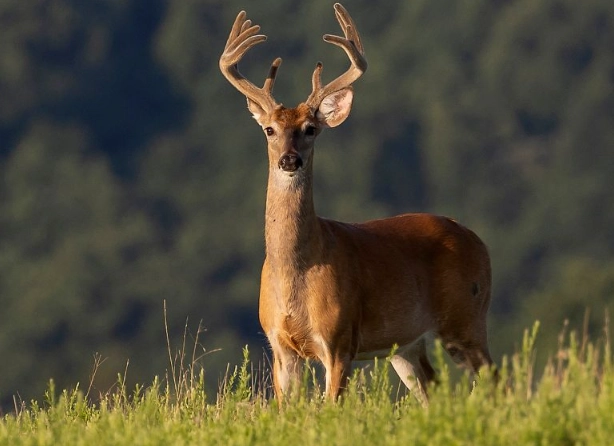
Let's cut through the noise. What is the 7 day deer rule, really? At its core, it's a widely adopted guideline that suggests a hunter should cool, process, and preserve a deer's meat within seven days of the harvest to ensure its safety and quality. The idea is to prevent spoilage and bacterial growth. But anyone who's actually done this knows that a sunny 70-degree day in early bow season and a frigid 20-degree day in late rifle season are two completely different worlds for a hanging deer. The rule is a good servant but a bad master. It needs context.
Thinking about it simply as a countdown clock misses the real point.
The real value in understanding the 7 day deer rule isn't just memorizing a number. It's about grasping the why behind it. It forces you to think about temperature, humidity, field dressing technique, and aging. It connects the moment you take the shot to the moment you enjoy a venison steak. When you get this part right, everything else—the trophy, the story—feels that much better. When you get it wrong, well, there's nothing worse than having to waste hard-earned meat.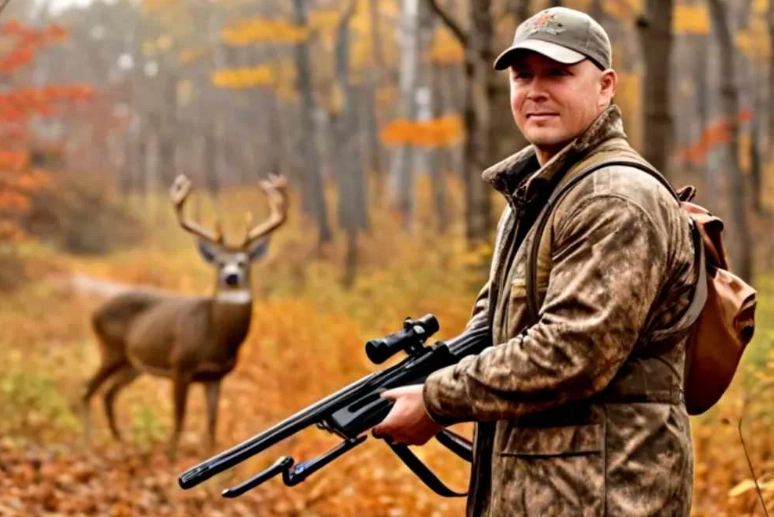
Why Does This Rule Even Exist? The Science of Spoilage
Let's talk about what's actually happening after the harvest. A deer is a large animal with a lot of mass. Even in cool weather, the internal body heat takes time to dissipate. This warm, moist environment is, frankly, a paradise for bacteria. The main culprits are bacteria that were either on the animal's hide or in its intestines, which can be transferred during field dressing if you're not careful, and others that are just floating around in the air.
These bacteria multiply. They break down the muscle tissue and fat, leading to spoilage. This isn't always immediately dangerous—spoiled meat smells and tastes awful so you're unlikely to eat it—but some bacteria can produce toxins that cause foodborne illness, and that's the real risk. The goal of post-harvest care is to get the carcass cooled down to below 40°F (4°C) as quickly as possible. At that temperature, bacterial growth slows to a crawl.
I learned this the semi-hard way. One season, I shot a doe on a surprisingly warm November afternoon. I got it dressed and hung in my shaded garage, thinking the night's chill would be enough. The next day was even warmer. By day three, even though I was technically within the 7 day deer rule, a faint, off smell near the hindquarters told me I'd pushed it too far. I lost a good portion of that ham. The rule gave me a false sense of security because I ignored the primary factor: consistent, adequate cooling.
It's Not Just a Clock: The Factors That Change Everything
This is where just asking "What is the 7 day deer rule?" isn't enough. You have to ask, "What is the 7 day deer rule for my specific situation?" Several key variables can shrink or stretch that effective window dramatically.
Temperature is the King
This is the big one. The rule of thumb implicitly assumes daytime temps are ideally below 50°F and nights are cold. If you're hunting in a heatwave where it's 75°F during the day, your timeline compresses. You might have 2-3 days, not 7. Conversely, if it's a consistent 30°F or below, you can often age the meat on the carcass for 10-14 days or more, which can actually improve tenderness and flavor. The meat is safely chilled the entire time.
How You Handle the Harvest
A clean, quick field dressing is your first and best defense. Puncturing the gut or bladder can spread bacteria that accelerate spoilage. Getting the organs out and the body cavity propped open with a stick to allow air circulation is critical. Hanging the deer head-up or head-down also matters for drainage. I'm a fan of head-up for better blood drainage from the front quarters, but many processors hang them head-down. The important thing is getting it hung in a cool, shaded, breezy spot.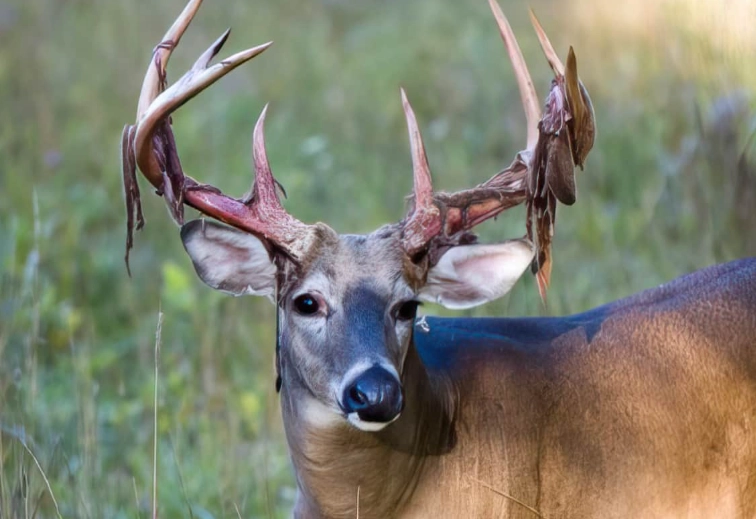
Humidity and Insects
High humidity prevents moisture on the carcass from evaporating, which has a cooling effect. A dry, cool breeze is ideal. Insects are also carriers of bacteria. Using game bags, especially in early season, is a non-negotiable practice for me now. A good cheesecloth-style bag keeps flies off while allowing the meat to breathe.
A Practical Timeline: From Shot to Freezer
Let's break down what a responsible adherence to the 7 day deer rule timeline looks like, assuming decent (not perfect, not terrible) conditions of 40-55°F daytime temps.
| Time After Harvest | Critical Action | Goal & Why It Matters |
|---|---|---|
| Hour 0-1 | Locate the animal, tag it. | Ethical and legal first step. Adrenaline can still heat the meat. |
| Hour 1-2 | Field dressing. Get the internal organs out. | This is the single most important step for rapid cooling. Removes a major heat and bacteria source. |
| Hour 2-4 | Transport to hanging location. Prop cavity open. | Get it to a cool, shaded, airy spot. Air circulation is key to dropping the core temperature. |
| Day 1-3 | Initial cooling phase. Monitor temperature if possible. | The carcass must pass through the "danger zone." Meat should feel cool to the touch throughout by end of Day 2. |
| Day 3-7 | Aging or processing window. Decision time. | You can dry-age the whole carcass if temps are steady and cold ( |
| By Day 7 | Meat should be processed, packaged, and in the freezer or refrigerator. | Meat is now stabilized. Frozen at 0°F or below, it will keep for 9-12 months with great quality. |
See how the "7 day" mark is the backstop? The real work happens in the first 48 hours. If you nail the initial cooling, the rest of the timeline becomes much more flexible.
Common Misconceptions and Questions Hunters Have
This is where most articles stop, but this is where hunters really live—in the gray areas and specific problems. Let's tackle some of the most frequent questions I've heard and had myself.
Smell: Fresh venison has a mild, slightly sweet, metallic smell. Spoiled meat has a sharp, sour, putrid, or ammonia-like odor. Any off smell is a red flag.
Touch: Meat should be firm, not slimy or sticky. A slimy film is a sign of bacterial growth.
Sight: Look for unnatural colors. While venison can darken normally, excessive greenish, grey, or iridescent sheens are bad signs. Also, look for lots of blowing flies or their eggs—a sign you should have used a game bag.
When in doubt, throw it out. It's not worth getting sick over.
How This Rule Fits with Other Regulations and Best Practices
The 7 day deer rule is a best practice for meat quality and safety. It often exists alongside, but separate from, official state hunting regulations. You must know the difference.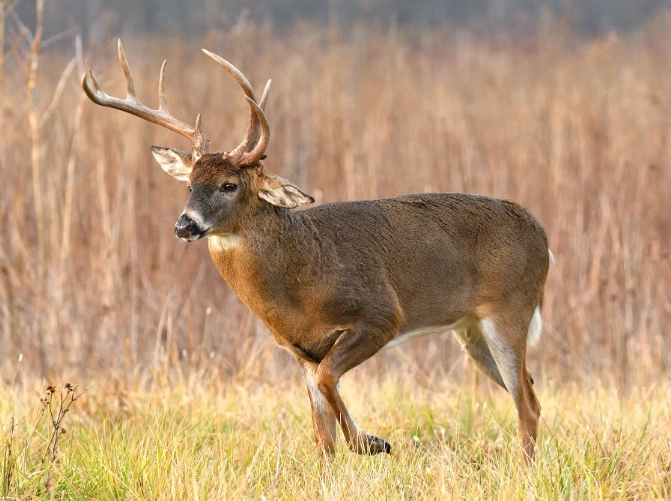
Most states have laws about tagging (immediately) and checking/reporting your harvest (usually within 12-48 hours). These are legal requirements. The 7 day rule is not a law; you won't get a ticket for breaking it. But you might lose your meat.
Some states or municipalities have regulations about waste of game meat. If you let a deer spoil through negligence, you could potentially be cited for wanton waste. So while the "7 day" part isn't codified, the principle of preserving the edible meat is often embedded in game laws.
For the most authoritative guidance on meat safety temperatures and handling, hunters should cross-reference with food safety resources. The USDA Food Safety and Inspection Service website is an excellent resource for understanding the science of the "danger zone" and safe cooking temperatures for all meats, including wild game.
My Personal Approach and a Few Hard-Earned Tips
After all these seasons, my personal system has evolved beyond just watching the calendar. I think in terms of temperature phases now.
If it's warm (over 50°F), I'm in emergency cooling mode. Deer gets dressed, skinned, quartered, and put on ice in a cooler as fast as humanly possible. I might even debone the quarters to get the heat out of the deep muscle. The 7 day rule becomes a 2-3 day sprint to the freezer.
If it's perfect (30-45°F), I'll hang it whole with the hide on for 5-7 days to age, then process. This is the sweet spot where the rule works perfectly.
If it's freezing (below 25°F consistently), I'm less worried about the clock and more about preventing freeze-burn if I'm aging outside. I might let it go 10-14 days, checking regularly.
The best tool I ever bought wasn't a new knife, but a simple refrigerator thermometer.
I hang it right next to the deer. Seeing that the air temp is holding at 38°F gives me so much more confidence than just guessing. Another pro-tip: if you're quartering to pack out, put the quarters in game bags and then into a breathable backpack. Don't seal them in plastic trash bags—that steams the meat and guarantees spoilage.
And let's be honest, sometimes the process is messy and things don't go to plan. I've had a cooler fail, had a sudden warm snap hit. It happens. The 7 day deer rule is your baseline plan, but being observant and adaptable is what saves the meat.
Wrapping It Up: The Spirit of the Rule
So, what is the 7 day deer rule? It's more than a number. It's a framework for responsibility. It's a reminder that our job as hunters isn't over when the animal is down. The real work of honoring that animal begins with getting the meat cared for properly.
It pushes you to think about weather, to hone your field dressing skills, to plan your processing, and to prioritize the most important part of the harvest: safe, high-quality food for your table. Don't let it stress you out as a hard deadline. Instead, use it as the foundational guideline it's meant to be. Understand the science behind it—the battle against heat and bacteria. Respect the variables, especially temperature.
Start the clock at the shot, make your first move a swift and clean field dressing, and get that carcass cooling. Do that, and whether you process on day 3, 7, or 10, you'll end up with venison you're proud to serve. And honestly, that first meal of the season always tastes better when you know you did every step right.