Your Gear at a Glance
Summer camping is all about fun, but forget one key item and your trip can turn into a struggle. After a decade of camping across national parks, I’ve learned that the right gear makes or breaks the experience. Let’s cut to the chase: your summer camping essentials boil down to smart choices in shelter, sleep, cooking, and clothing—not just a random list of stuff. I’ll share what you actually need, plus the subtle errors most beginners make.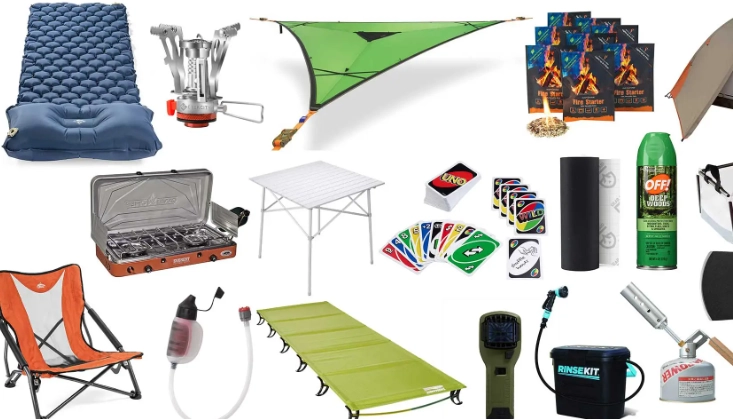
The Ultimate Summer Camping Checklist
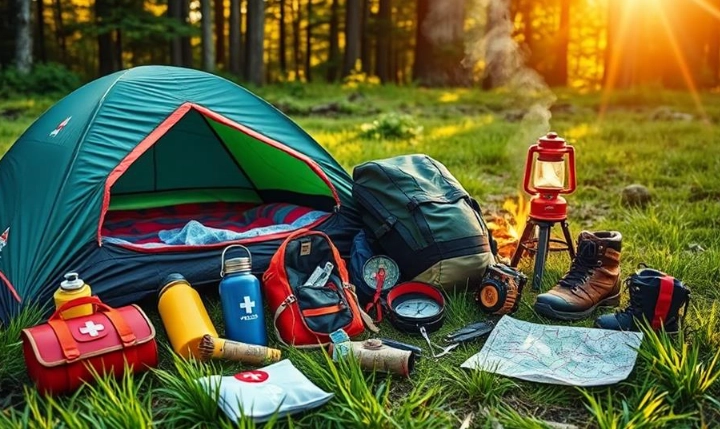
Think of this as your core kit. I’ve seen campers haul giant backpacks only to use half the items. Here’s a streamlined list based on a typical 3-day summer trip to a place like Yellowstone or a local state park.
| Category | Essential Items | Why It Matters |
|---|---|---|
| Shelter | Tent with rainfly, footprint or tarp, stakes | Keeps you dry and bug-free; a footprint protects tent floor from abrasion. |
| Sleep System | Sleeping bag (rated 30-50°F), sleeping pad, pillow | Summer nights can be chilly; a pad adds insulation and comfort. |
| Cooking | Portable stove, fuel, cookware, utensils, cooler | Enables hot meals; a cooler keeps food safe in heat. |
| Clothing | Moisture-wicking layers, rain jacket, hat, extra socks | Sweat management is crucial; cotton is a no-go. |
| Hydration | Water bottles, filtration system, electrolyte tabs | Dehydration risk is high; always have a backup water source. |
| Safety & Repair | First-aid kit, headlamp, multi-tool, duct tape | Minor injuries or gear failures happen; be prepared. |
Notice I didn’t include a fancy coffee maker or bulky chairs. For summer, focus on lightweight, multi-use items. A tarp, for instance, can be a sunshade or extra ground cover. The National Park Service often emphasizes packing out trash, so bring bags for waste.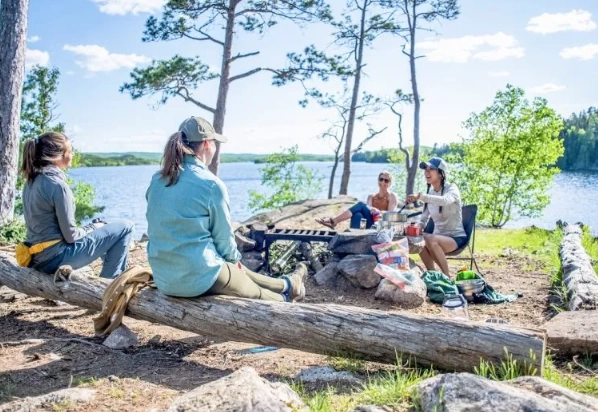
Shelter: More Than Just a Tent
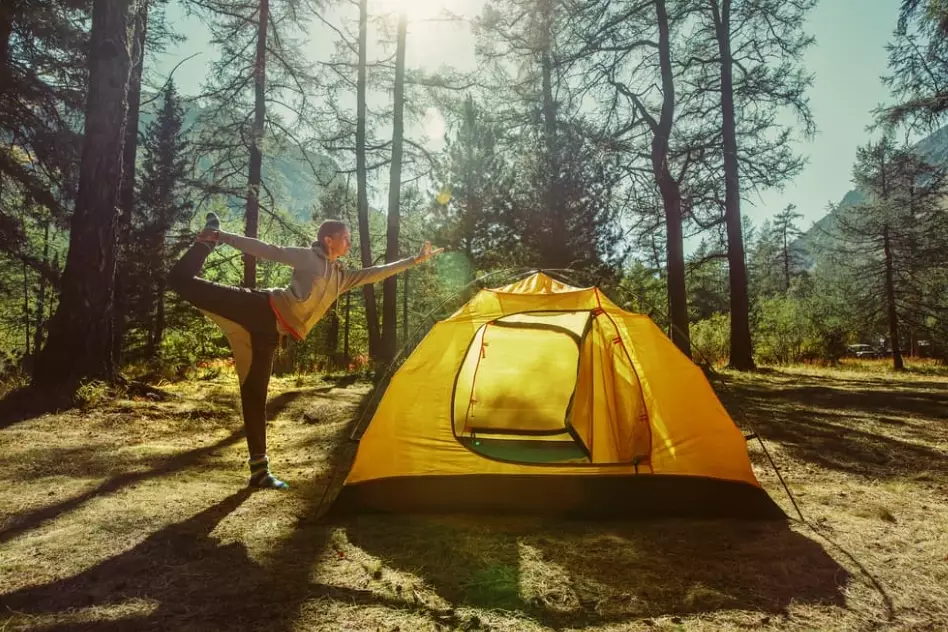
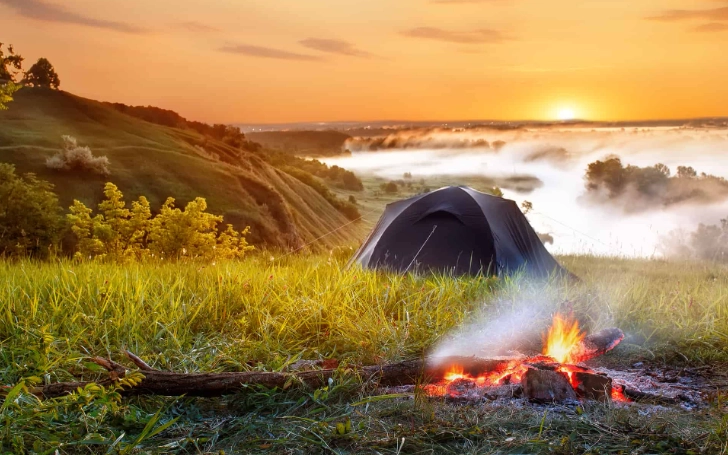
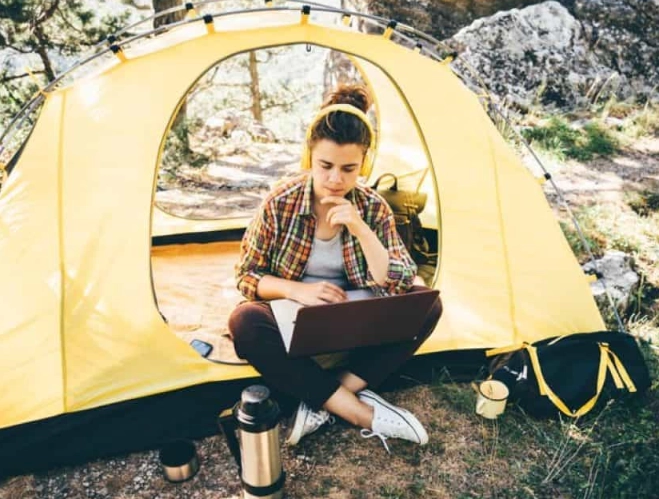
Your tent is your home base. In summer, ventilation is king. I once used a four-season tent in July—it felt like a sauna. Go for a three-season tent with mesh panels. Brands like REI or MSR offer good options. Don’t skip the rainfly; afternoon thunderstorms are common. A footprint? It’s optional, but if you’re camping on rocky ground, it saves your tent floor from tears.
Sleep System: Comfort in the Heat
Sleeping bags confuse many. For summer, a bag rated 30-50°F works. Down filling is lightweight but pricier; synthetic handles moisture better. Pair it with an inflatable pad. I’ve seen campers use yoga mats; they’re okay but not insulating. A pillow? Inflatable ones pack small. Trust me, after a long hike, your neck will thank you.
How to Choose the Right Gear for Summer Conditions
Summer camping means heat, bugs, and sudden weather changes. Your gear should adapt.
Focus on moisture management. Clothing is where most fail. Cotton absorbs sweat and stays wet, leading to chills. Go for synthetic or wool blends. A rain jacket is non-negotiable—even in forecasted sun. I learned this the hard way in the Smokies when a drizzle soaked my cotton hoodie.
Bug protection is critical. Mosquitoes and ticks thrive in summer. Bring a repellent with DEET or picaridin. Permethrin-treated clothes are a game-changer; they last through washes. Don’t forget a head net if you’re in bug-heavy areas like the Boundary Waters.
Cooling your food. A cooler isn’t just for drinks. Use block ice instead of cubes—it melts slower. Pre-chill everything before packing. I organize meals in ziplock bags to reduce air space. According to the USDA, perishables should stay below 40°F to avoid spoilage.
Expert Tip: Many campers overpack clothing. For a 3-day trip, you need 2-3 shirts, one pair of pants, and extra socks. Layer up instead of bringing bulky items. I once met a guy who brought 5 shirts for a weekend—he ended up rewearing the same one.
Common Mistakes and How to Avoid Them
After years of guiding trips, I’ve spotted patterns. Here are the top blunders and my fixes.
Mistake 1: Ignoring the forecast. Summer weather shifts fast. Check updates from sources like Weather.gov. Pack for rain even if it’s sunny. A lightweight tarp can serve as emergency shelter.
Mistake 2: Wrong sleeping bag temperature. Beginners often grab a bag rated for cold weather. In summer, you’ll overheat. Look for a bag with a zipper that opens fully for ventilation. Some campers use a liner instead—it’s versatile.
Mistake 3: Skimping on water storage. One bottle isn’t enough. Calculate at least one gallon per person per day. I add electrolyte tablets to prevent cramps. A filtration system like the Sawyer Squeeze lets you refill from streams safely.
Mistake 4: Forgetting repair kits. A small tear in your tent or a broken strap can ruin your trip. Carry duct tape wrapped around a water bottle and a needle with thread. I fixed a backpack strap with dental floss once—it held for days.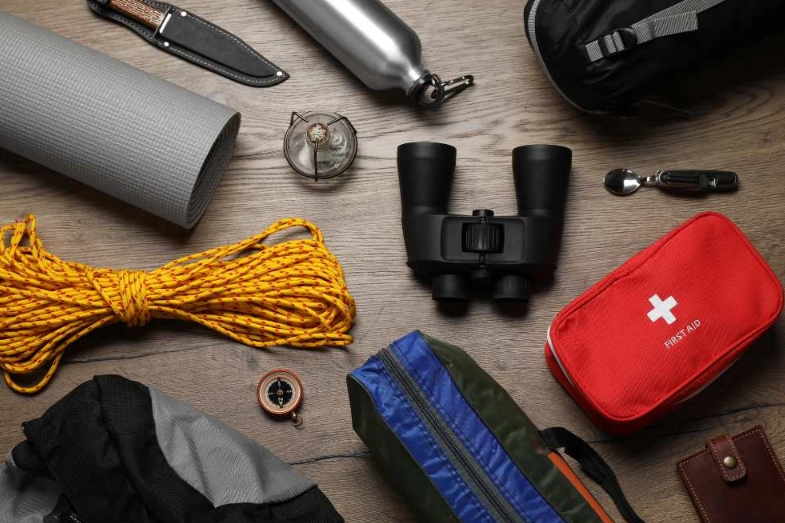
Packing Smart: Organizing Your Essentials
Packing is an art. Dump everything on the floor first. Group items by category: shelter, kitchen, clothing. Use stuff sacks or ziplock bags to compress.
- Shelter bag: Tent, stakes, rainfly, footprint.
- Kitchen bag: Stove, fuel, lighter, utensils.
- Clothing bag: Roll clothes to save space.
Keep frequently used items like snacks and sunscreen in an outer pocket. Weight distribution matters—heavier items close to your back if backpacking. For car camping, use bins for easy access.
I recall a family trip where we packed haphazardly; it took forever to find the headlamp at night. Now, I color-code bags: red for cooking, blue for sleep. It sounds simple, but it saves time and stress.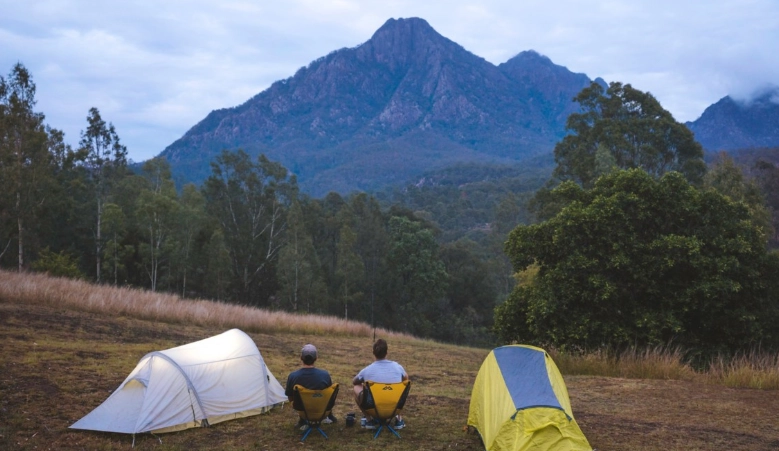
FAQ: Your Summer Camping Questions Answered
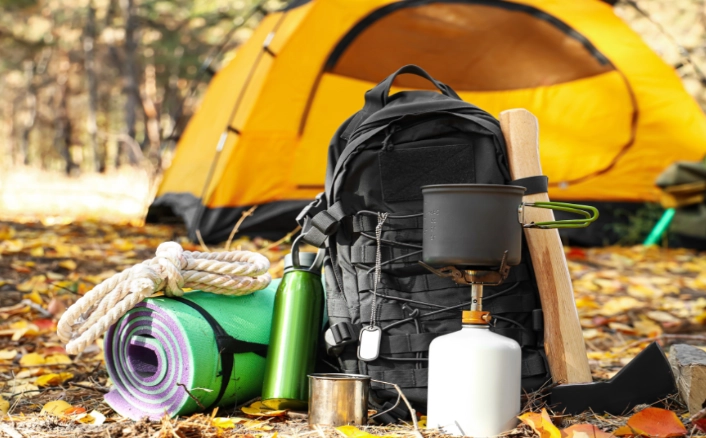
Summer camping essentials aren’t about buying the most expensive gear. It’s about selecting items that match the season’s challenges. Start with this checklist, avoid the common pitfalls, and you’ll have more time to enjoy the outdoors. Remember, every trip teaches something new—last summer, I learned that a bandana is incredibly versatile for cooling or filtering. Pack smart, stay safe, and happy camping!