Let's cut to the chase. Your solo camping tent isn't just a piece of gear; it's your bedroom, your living room, and your fortress against the elements when you're out there alone. Getting it right is the difference between a trip that recharges your soul and one that makes you question all your life choices.
I've spent over a decade squeezing into and sleeping under all kinds of shelters, from the palatial to the coffin-like. The biggest mistake I see? People buying a tent based on a fancy name or a slick photo, not on how it actually fits into their specific solo journey.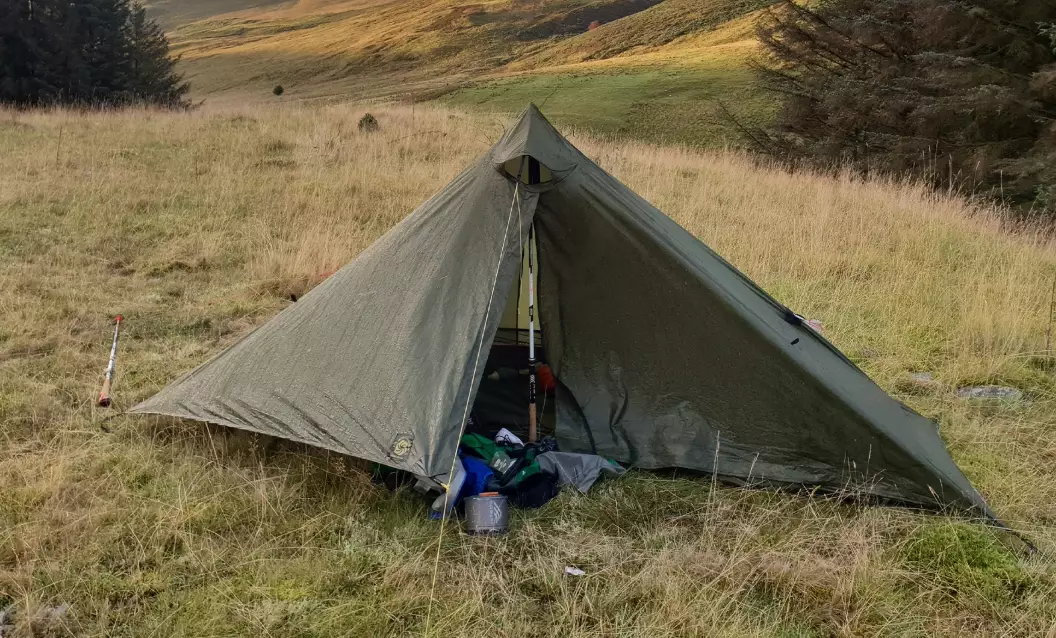
What's Inside This Guide?
Why Go Solo? The Unbeatable Appeal of Solo Camping
It's not about being antisocial. It's about complete autonomy. You decide when to hike, when to eat, when to just sit and stare at a river. There's a profound simplicity in only being responsible for yourself. Your solo tent becomes the physical center of that freedom—a private space you don't have to compromise on.
But that freedom demands the right tool. A clunky, complicated tent can shatter that peace in minutes.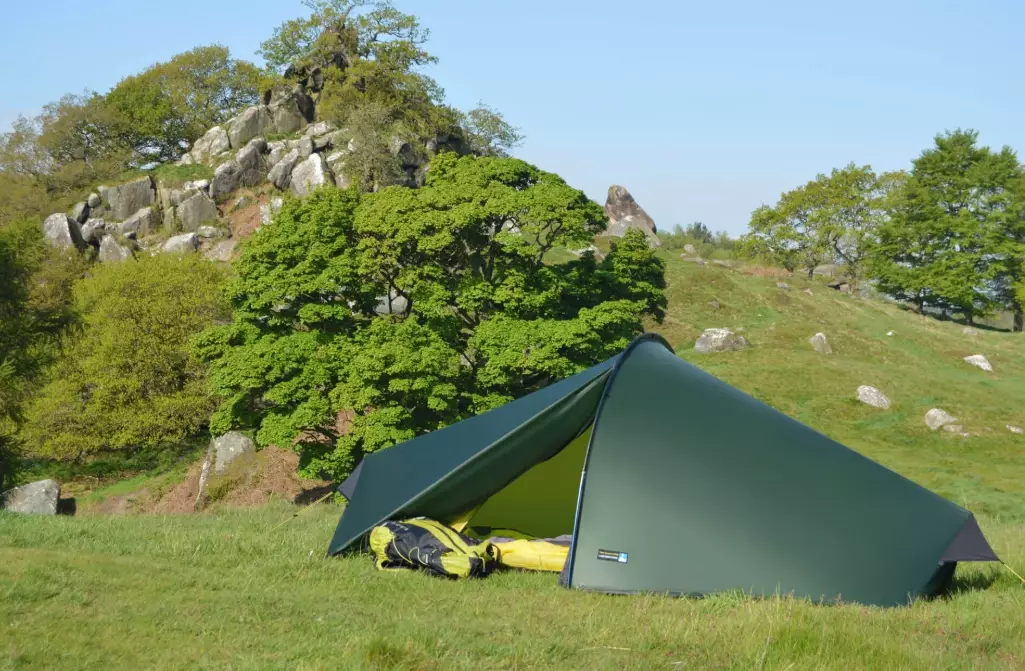
How to Choose Your Solo Shelter: Beyond Just Weight
Everyone obsesses over weight, and for good reason. Every ounce counts on your back. But fixating solely on the scale is a rookie error that leads to miserable nights. You need to balance four pillars:
- Weight & Packed Size: This is your mobility. For backpacking, aim for under 3 lbs. For car camping? Who cares, get the palace.
- Livability & Space: Can you sit up? Is there space for your pack inside with you? A 20-inch wide sleeping pad leaves zero room in a 30-inch wide tent.
- Weather Resistance: A 3-season rating is standard. But look at the hydrostatic head rating of the rainfly (1500mm is a good minimum) and the denier of the floor fabric (30D or higher resists punctures).
- Set-Up Simplicity: When you're tired, cold, or it's getting dark, you want a tent that pops up intuitively. Freestanding designs are a godsend.
Here's a personal rule: Always visualize your worst-case scenario night in that tent. Is it storming? Is there a bug swarm? Are you just exhausted? Your tent should be the solution, not an added problem.
Solo Tent Types: A Head-to-Head Showdown
Not all solo tents are created equal. The design dictates where and how you'll use it. Here’s the breakdown from my own trial and (plenty of) error.
| Tent Type | Best For | Key Advantage | Biggest Drawback | My Take |
|---|---|---|---|---|
| Freestanding Dome | Beginners, car camping, variable terrain. | Easy to pitch, stable, roomy. | Heavier, bulkier to pack. | The reliable workhorse. You can't go wrong, but it's not for the ultralight purist. |
| Tunnel / Semi-Freestanding | Backpackers wanting a balance of weight and space. | Excellent weight-to-space ratio, good in wind. | Requires staking for full structure, less headroom at the ends. | My go-to for most backpacking. More liveable than a bivy, lighter than a dome. |
| Single-Wall / Tarp Tent | Ultralight backpackers, experienced campers in dry climates. | Extremely light, minimal packed size. | Condensation can be a major issue, less stormworthy. | You trade comfort for grams. In a humid climate, you'll wake up in a personal cloud. |
| Bivy Sack (Bivouac Sack) | Fast-and-light missions, mountaineering, minimalist survival. | Absolute lightest option, stealthy. | Zero living space, claustrophobic, terrible condensation. | It feels like sleeping in a zipped-up body bag. Only for when every gram is life or death. |
See that last line on bivy sacks? That's the non-consensus view. They're marketed as "solo shelters," but for 99% of campers, they're a miserable experience. You need to be honest about your tolerance for confinement.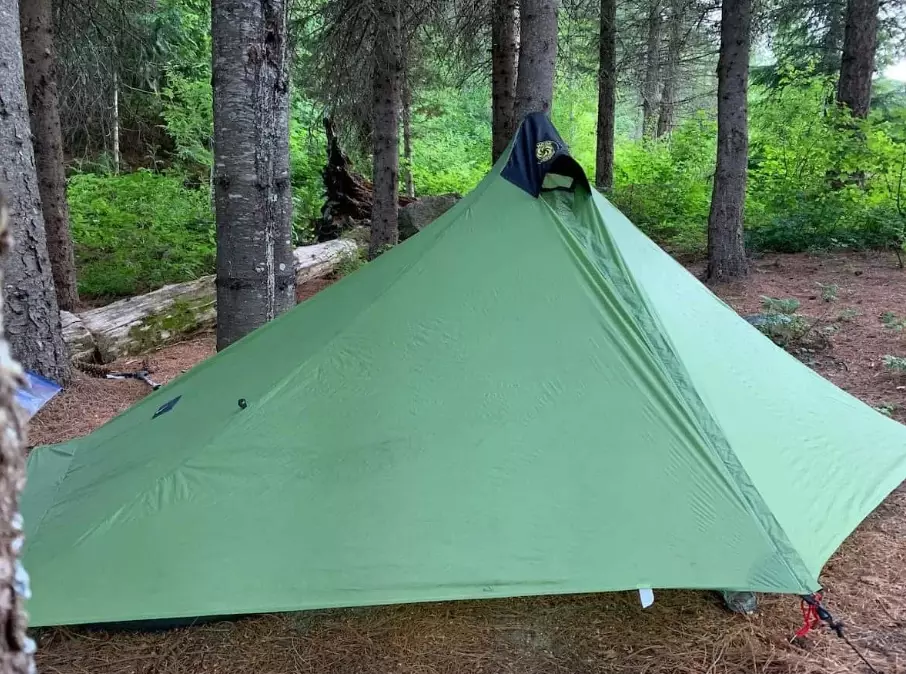
How Do I Pitch a Solo Tent on Any Terrain?
Practice in your backyard. Seriously. Do it once when it's sunny, then go out and do it in the rain at night. The muscle memory will save you.
Step-by-Step: The Foolproof Pitch
1. Site Selection is 80% of the Battle. Look for flat ground, but with a very slight incline so water runs away. Avoid depressions that become puddles. Clear away sharp sticks and pinecones—they're silent tent-floor killers.
2. Lay the Footprint (if you use one). This cheap piece of fabric extends the life of your tent floor. Align it with the tent's orientation.
3. Assemble Poles & Clip In. Most modern tents are clip-in. It's faster than sleeves. Connect the poles to the grommets at the corners first, then raise the structure.
4. Stake It Out, Then Fine-Tune. Stake the corners opposite each other to keep tension even. Don't just pound them in at an angle; pull the guylines tight after the tent is up for maximum stability in wind.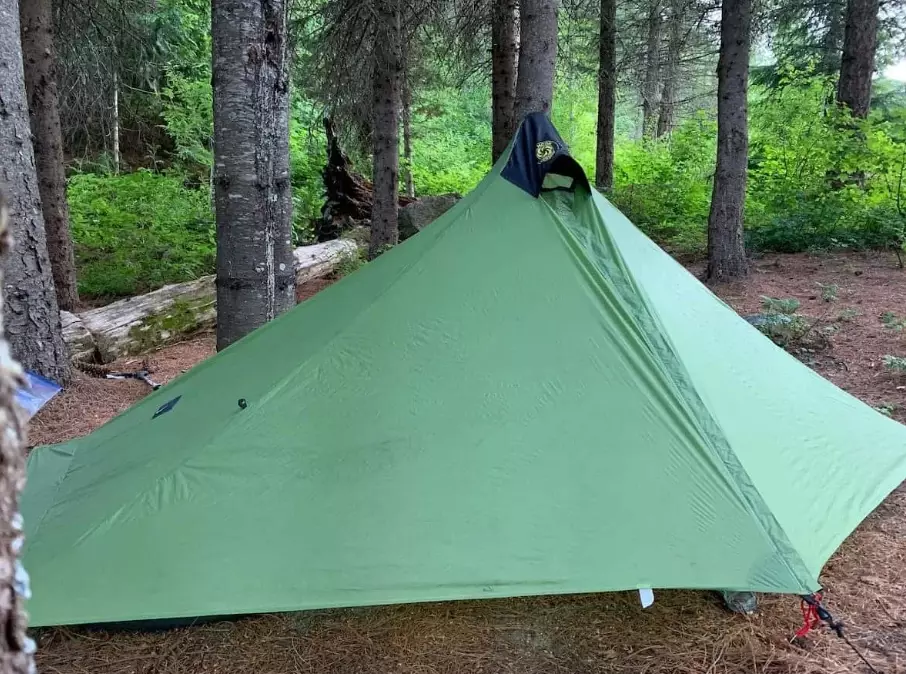
The Solo Camper's Mindset: Safety and Enjoyment
Your tent is your safe base, but your head is your most important gear. A few non-negotiable rules from someone who's learned the hard way:
Always tell someone your plan. Route, campsite area, and when you'll check in. The classic "Float Plan" used by boaters is perfect for solo campers.
Pack a dedicated repair kit. Tenacious Tape for fly holes, a spare pole section, and extra cord. It weighs nothing and fixes everything.
Embrace the ritual. Solo camping shines in the small moments. Brewing coffee at the tent door. Reading with a headlamp. The sound of rain on the fly. Your tent is the stage for these moments. Choose one that makes you feel secure, not just lightweight.
I once bought the absolute lightest tent on the market. It saved me 400 grams. I spent two nights in a condensation sauna, unable to sit up to change clothes. I sold it. My slightly heavier tent feels like a studio apartment in comparison. Worth every extra gram.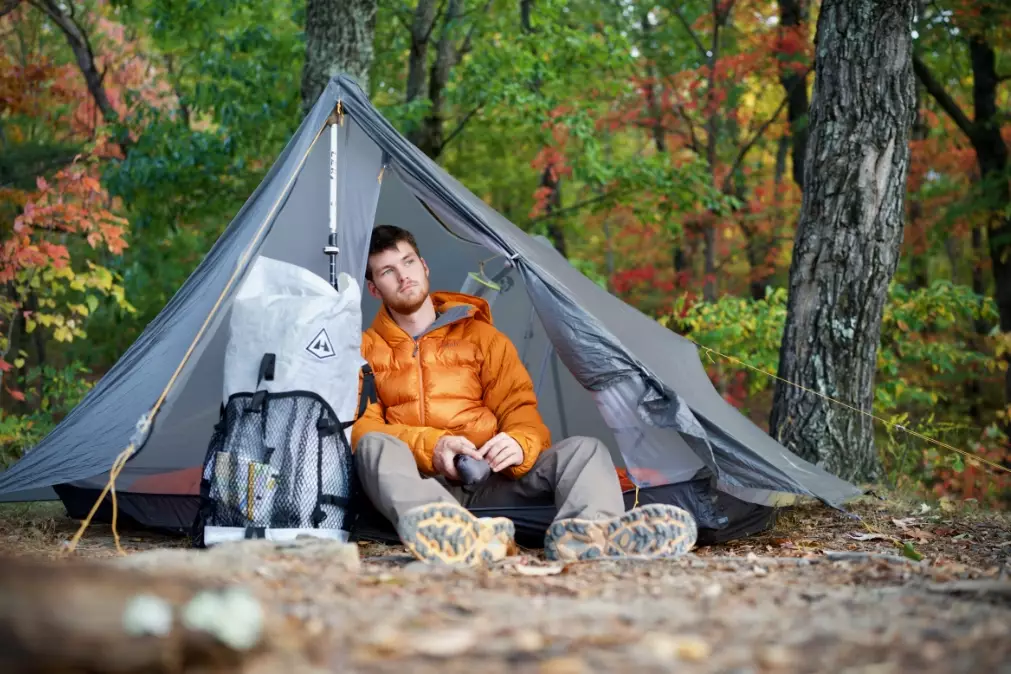
Solo Tent FAQs (Answered by Experience)
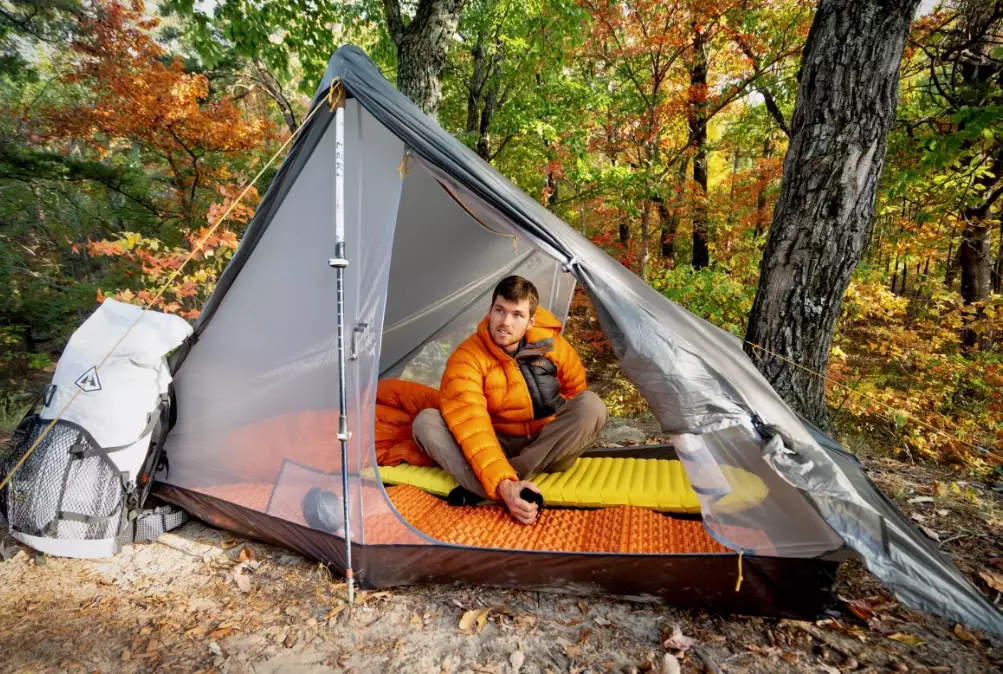 How do I handle condensation in a small solo tent?