Rain doesn't have to ruin your camping trip. In fact, with the right camping rain gear, a wet forecast can transform a routine outing into a memorable, cozy adventure. The difference between misery and comfort isn't luck—it's preparation. Forget the cheap poncho that shreds in the wind. Staying dry is a system, not a single item.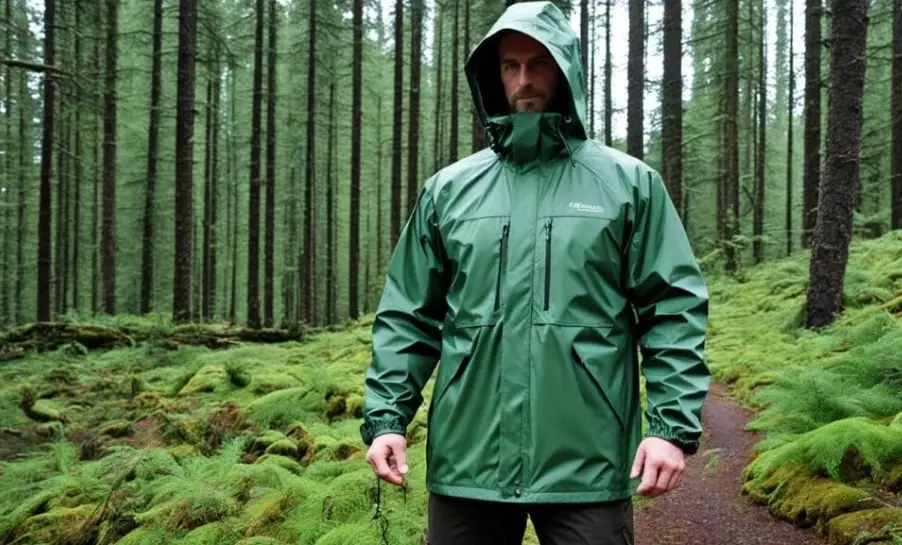
What's Inside This Guide
Your Personal Rain Shield: Jackets, Pants, and Layers
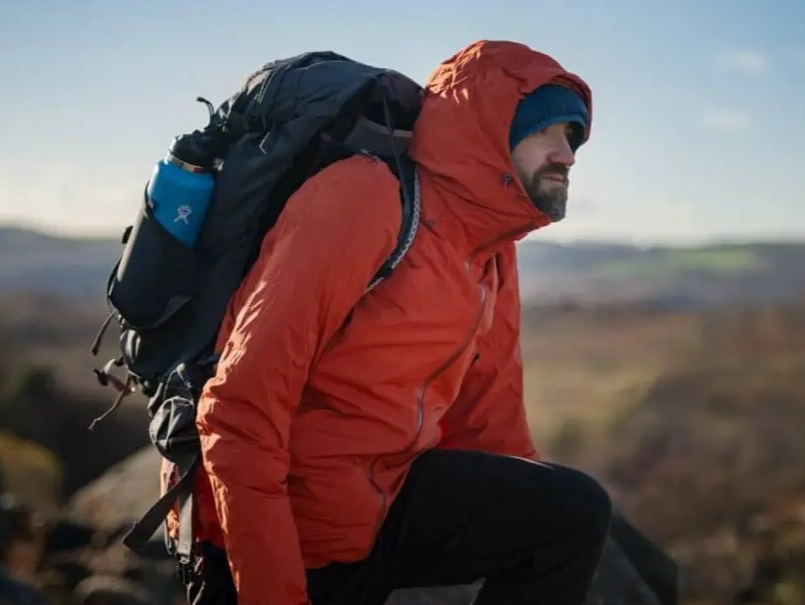
This is where most people start and, often, where they go wrong. A good rain jacket is your most visible piece of camping rain gear, but it's not just a shell.
Choosing a Rain Jacket That Doesn't Suck
Look for three things: waterproofness, breathability, and features. The waterproof rating (e.g., 10,000mm) matters, but sealed seams matter more. A jacket with taped seams will keep water out far better than a high-rated jacket with stitched seams. Breathability (measured in g/m²/24hrs) is what stops you from getting soaked in sweat from the inside. For active camping, aim for at least 10,000mm waterproof and 10,000g breathability.
My go-to for years has been a 3-layer Gore-Tex shell. It's not cheap, but I've sat through all-day Pacific Northwest drizzle without a hint of dampness. The pit zips are lifesavers. A solid, more affordable alternative is something like the Marmot PreCip, which uses a proprietary membrane and gets the basics very right.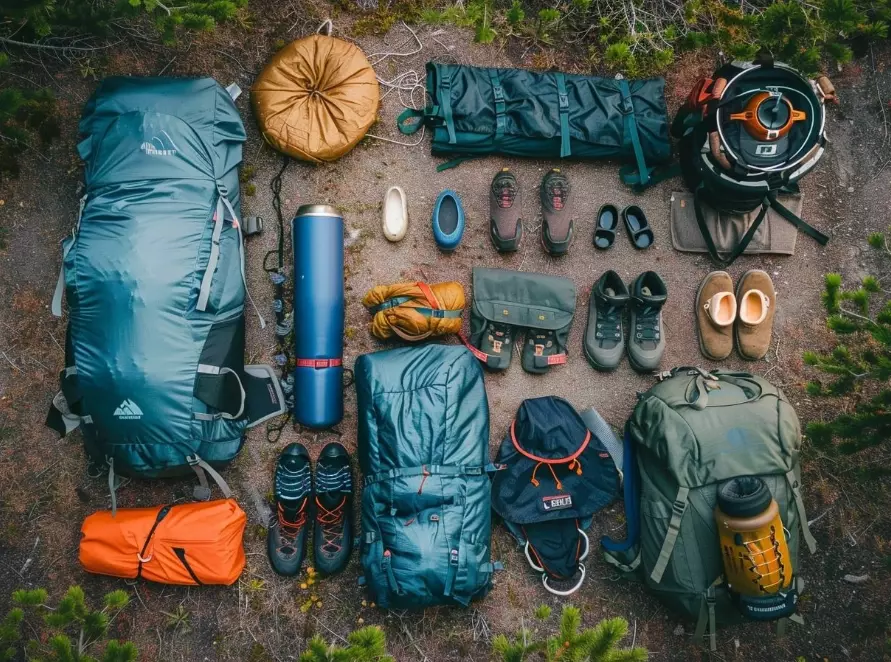
The Overlooked Hero: Rain Pants
You can get away with quick-dry hiking pants in a light shower. For steady rain, sitting around camp, or cold weather, rain pants are non-negotiable. Look for full-length side zippers. Trying to pull rain pants on over muddy boots is a comedy routine you don't want to star in. Zippers let you put them on and take them off without removing your footwear.
I learned this the hard way on a trip in Scotland. My pants had ankle zips, not full-length. After a boggy hike, getting them off was a 15-minute struggle of hopping on one foot.
The Layer Beneath: Moisture Management
Your rain shell is the fortress wall. What you wear underneath is the garrison. Cotton is the enemy—it holds moisture and kills insulation. Stick with merino wool or synthetic fabrics like polyester for your base and mid-layers. They move sweat away from your skin even when damp.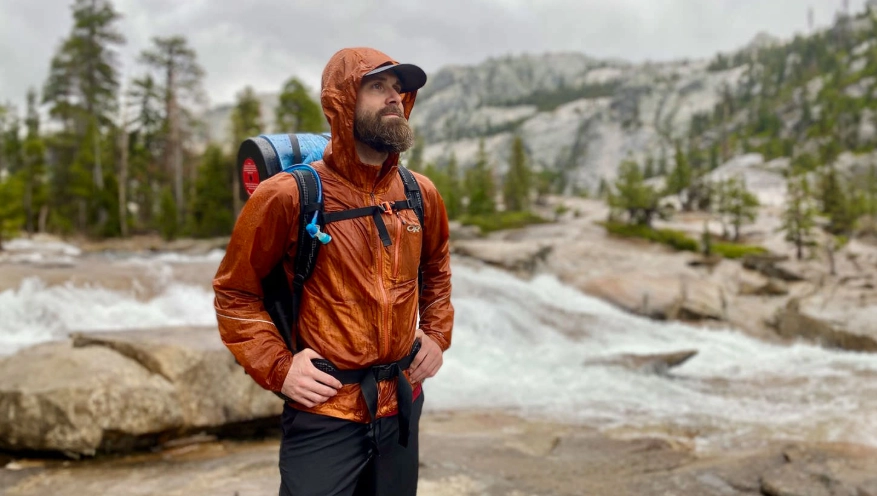
Shelter From the Storm: Tents, Tarps, and Site Strategy
Your tent is your primary shelter, but it's only part of the equation.
Tent Waterproofing: Rainfly and Bathtub Floor
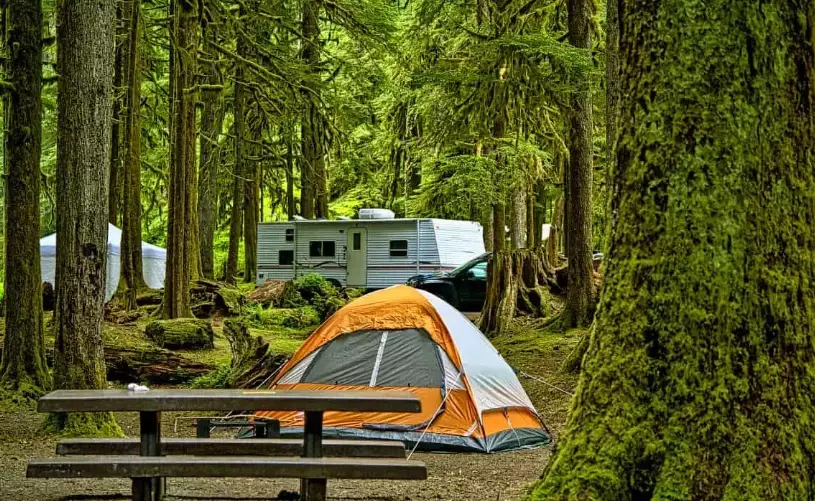
A double-wall tent (inner mesh + outer rainfly) is the standard for good reason. The critical specs are the hydrostatic head (HH) rating of the fly and floor. For the rainfly, 1500mm HH is a bare minimum; 2000-3000mm is better for serious weather. The floor should be at least 3000mm. The "bathtub" design—where the floor material extends several inches up the walls—is essential to prevent ground seepage.
Always use a groundsheet or footprint. It protects the tent floor from abrasion and adds a crucial moisture barrier. Just make sure it doesn't extend beyond the tent's footprint, or it will channel water underneath you.
The Multi-Purpose Tarp: Your Best Camping Rain Gear Accessory
A lightweight tarp (silnylon or silpoly) is arguably more versatile than a fancy jacket. You can rig it as a cooking shelter, a gear storage area, an extra vestibule, or a sun shade. In a downpour, having a dry space outside your tent to take off muddy layers is a game-changer for keeping your sleeping area clean.
I never pack without my 10x8 foot tarp. On a trip in the Blue Ridge Mountains, an unexpected thunderstorm rolled in at dinner time. In five minutes, we had the tarp up over the picnic table. We stayed dry, cooked, and played cards while other campers retreated to their cars.
Site Selection: The First Line of Defense
All the gear in the world won't help if you pitch in a ditch. Look for high, flat ground. Avoid natural drainage channels (even if they're dry when you arrive). Look for natural windbreaks, but don't camp under dead or precarious branches. A slight slope can help water run away from your site.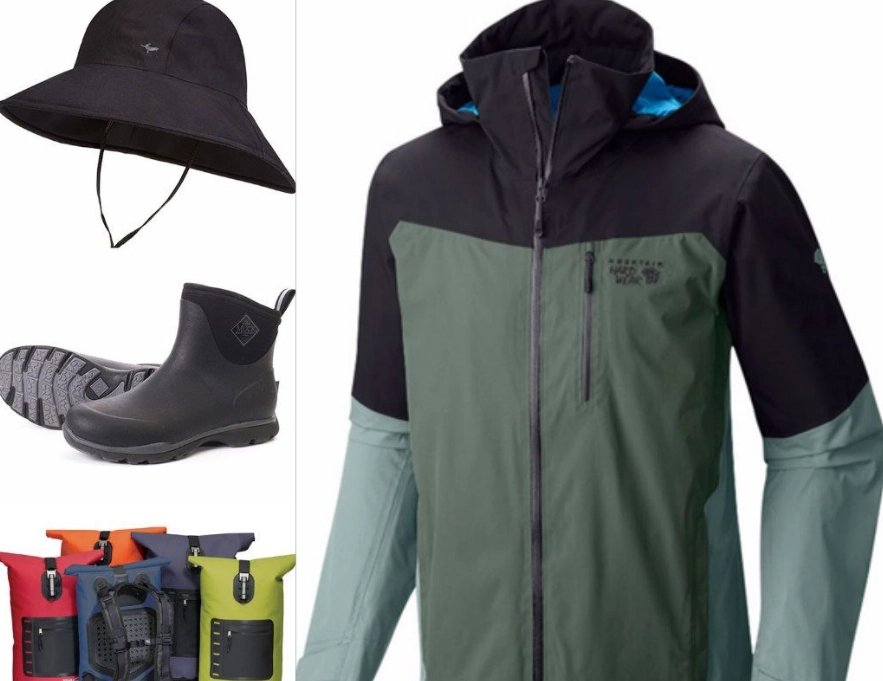
Beyond the Basics: Gear Protection and Pro Tricks
Keeping yourself dry is half the battle. Your stuff needs protection too.
Backpack Covers: A must. Even "water-resistant" packs will eventually wet out. A good cover has reflective strips for visibility and a secure strap system. For ultimate protection, line the inside of your pack with a heavy-duty trash compactor bag. It's cheap, light, and foolproof.
Dry Bags: For your sleep system (sleeping bag, sleep clothes) and electronics. Use different colors or sizes to organize. A small, bright dry bag is perfect for your headlamp, lighter, and phone.
Waterproof Stuff Sacks: Lighter than dry bags for less critical items like clothing.
One trick I swear by: pack your next day's clothes in a zip-top plastic bag *inside* your stuff sack. In the humid, damp tent, your other clothes might feel a bit cool. But that sealed bag guarantees one set of perfectly dry socks and shirt for the morning. It's a huge morale booster.
| Gear Category | Key Feature to Look For | Budget-Friendly Option | Investment Option |
|---|---|---|---|
| Rain Jacket | Fully taped seams, pit zips, adjustable hood | Frogg Toggs Ultra-Lite2 (extremely light, decent protection) | Arc'teryx Beta LT (durable, highly breathable) |
| Rain Pants | Full-length side zippers, adjustable waist/bottom | REI Co-op Rainier Rain Pants | Mountain Hardwear Stretch Ozonic Pants |
| Tent | Full-coverage rainfly, bathtub floor >3000mm HH | REI Co-op Passage 2 (reliable all-rounder) | Big Agnes Copper Spur HV UL (light, stormworthy) |
| Pack Cover | Fits pack volume, secure strap, reflective detail | Osprey Ultralight Raincover | Sea to Summit Ultra-Sil Pack Cover (packs tiny) |
Packing Your Wet Weather Kit: A Practical List
Don't just throw things in your pack. Think in systems.
- Always Pack (Even if sun is forecast): Rain jacket, pack cover, 2-3 large trash bags (liner/emergency poncho), small dry bag for phone/wallet.
- If Rain is Likely (>30% chance): Add rain pants, a lightweight tarp and cordage, extra pair of dry socks (in a plastic bag), camp shoes (to let hiking boots dry).
- For Guaranteed Wet Weather: Add a dedicated tent footprint, a microfiber towel for drying condensation, a brimmed hat to wear under your hood for better vision, and a spare set of base layers.
Remember, down insulation loses its warmth when wet. If you use a down sleeping bag or puffy jacket, its protection (a high-quality stuff sack) is as important as your own rain shell. Synthetic insulation is a more forgiving choice for wet climates, as noted in outdoor gear analyses from sources like REI's expert advice.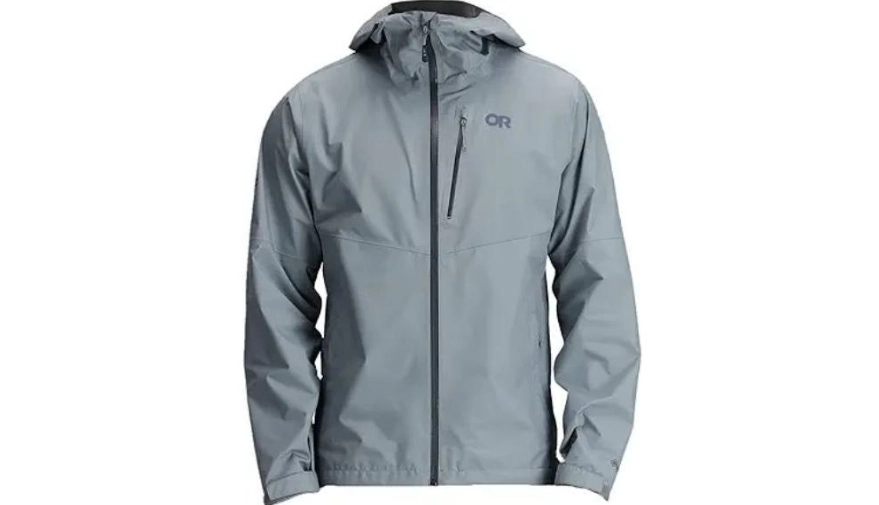
Your Rain Gear Questions, Answered
 The right camping rain gear turns a potential disaster into just another part of the adventure. It’s about confidence. You check the forecast, see the clouds rolling in, and instead of worrying, you just reach for your pack. You know your system works. That peace of mind is what you're really packing.
Now get out there. A little rain never hurt anybody who was prepared for it.