My Trailside Lunch Guide
- The Core Principles of a Good Trail Lunch
- The No-Cook Champions: Easy Camping Lunch Ideas
- When You Crave Something Hot: Warm Camping Lunch Ideas
- Backpacking-Specific Lunch Ideas (Ultra-Light & No Cooler)
- Packing & Logistics: The Make-or-Break Details
- Answering Your Camping Lunch Questions
- Final Thoughts: Keep It Simple, Seriously
Let's be honest. Lunch on a camping trip can be a real afterthought. You're busy setting up camp, or you're miles down a trail, and suddenly everyone's hungry and cranky. The last thing you want is to spend an hour cooking over a fussy stove or rummaging through a cooler for sad, soggy bread.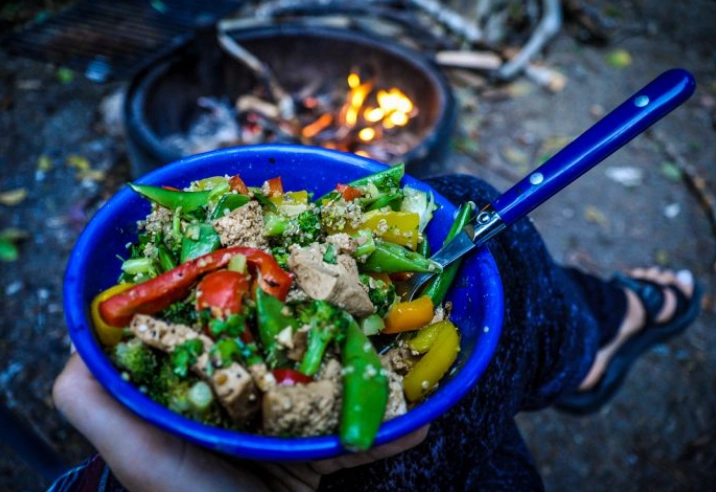
I've been there. I've made the mistake of packing elaborate lunches that required more prep than dinner. I've also tried the "just snacks" approach, which left me feeling sluggish by mid-afternoon. Over the years, through trial and a lot of error, I've figured out what makes for a great camping lunch. It's not about gourmet cooking in the woods—it's about fuel, simplicity, and satisfaction.
The best camping lunch ideas share a few things in common: they're relatively easy to assemble, they pack well, and they give you the energy to keep enjoying your day outdoors. Whether you're car camping with the family or backpacking solo, the midday meal shouldn't be a chore.
So, let's ditch the stress. Here’s a practical, no-nonsense guide to camping lunches that will keep you fed and happy, without wasting your precious outdoor time.
The Core Principles of a Good Trail Lunch
Before we dive into specific camping food ideas, it helps to know what you're aiming for. Think of these as the rules of the road.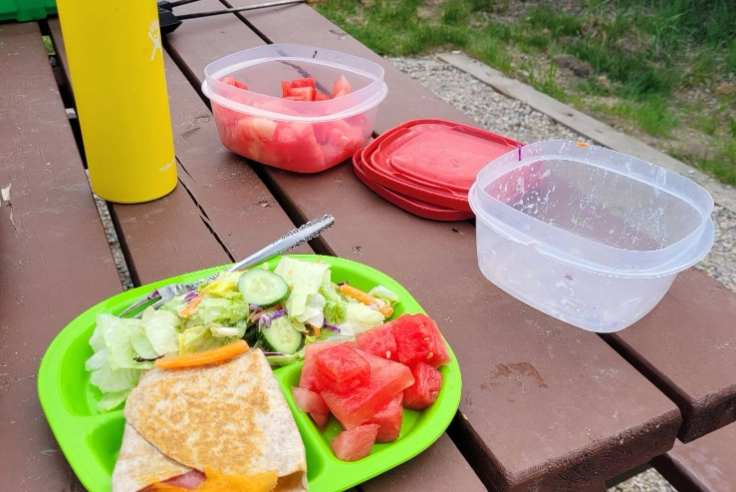
Rule #1: No-Cook is King (Most of the Time). Lunch is your break. You don't want to be gathering firewood or waiting for water to boil. Favor meals you can just pull out and eat. This is the golden rule for backpacking lunch ideas, but it applies to car camping too.
Rule #2: Think Modular, Not Meals. Instead of planning a single, perfect sandwich for each person, think about components. Pack a block of cheese, a sleeve of crackers, a bag of carrots, some salami, and some nuts. Let people build their own plates. This is fantastic for groups with different appetites and tastes.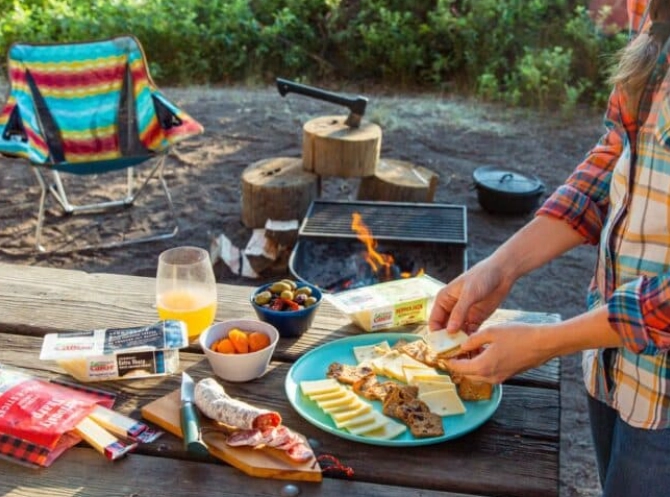
Rule #3: Texture is Everything. A common fail point for camping lunches is everything turning into a mushy, samey blob. You need crunch. You need chew. Packing things separately (like keeping crackers away from wet ingredients) and including fresh veggies or apple slices can save your meal.
Rule #4: Hydration is Part of the Meal. A dry lunch needs something to wash it down. Soups, watery fruits (oranges, grapes), and of course, plenty of water, are crucial. Dehydration sneaks up on you, especially when you're active.
Food Safety Can't Be an Afterthought. Perishable items need to stay below 40°F (4°C). If you're car camping, a good cooler with plenty of ice is non-negotiable. For longer trips without refrigeration, you must shift to shelf-stable options like hard cheeses, cured meats, nuts, and dried fruits. The USDA's Food Safety guidelines for outdoor eating are a must-read for any trip longer than a day.
The No-Cook Champions: Easy Camping Lunch Ideas
This is where most of your camping lunch planning should live. Fast, fresh, and satisfying.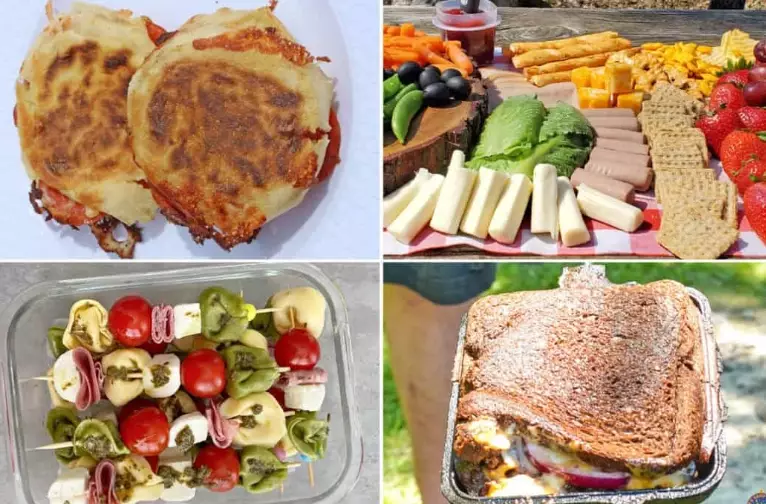
Wraps & Sandwiches (But Better)
Forget basic white bread. It gets crushed and sad. Upgrade your game.
- Tortilla Wraps: They pack flat and are less prone to smushing. My go-to is a hummus spread, topped with spinach, shredded carrots, cucumber sticks, and slices of pre-cooked grilled chicken (from the store, kept cold). Roll it tight, wrap it in foil or parchment, and you're done.
- Pita Pockets: These are like edible lunchboxes. Stuff them with tuna salad (pack the mayo separately in a small container if you're worried), or falafel and tahini.
- Hearty Bread: A crusty baguette or dense sourdough holds up much better. Build sandwiches at lunchtime to avoid sogginess. A classic combo: sharp cheddar, apple slices, and a smear of whole-grain mustard.
What about peanut butter and jelly? It's a classic for a reason—shelf-stable and energy-dense. But for adults, it can feel a bit lacking. Try almond butter and banana, or sunflower seed butter with honey.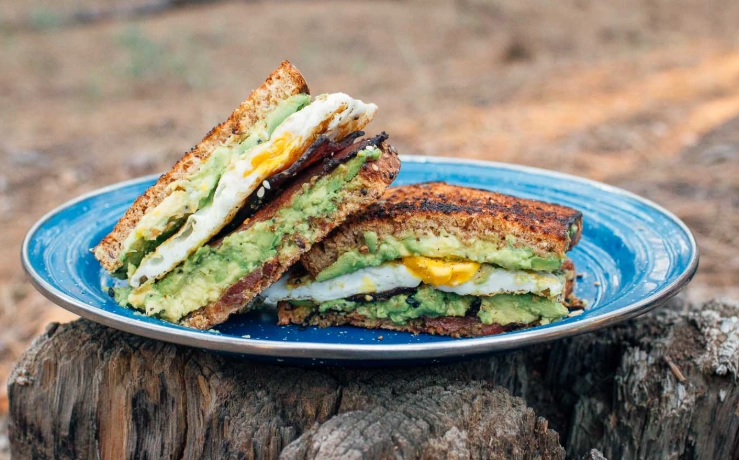
The Snack-Style Lunch (AKA Adult Lunchables)
This is arguably the best approach. It's customizable, fun, and minimizes prep. Simply pack a selection of these items in separate containers:
| Category | Ideas & Specifics | Pro Tip |
|---|---|---|
| Protein | Hard-boiled eggs (peel at home!), pre-sliced salami or pepperoni, summer sausage, canned tuna or chicken pouches (not cans—they're heavy and you need a can opener), edamame pods, chickpeas. | Pre-slice cheeses and meats at home. It's one less thing to do with a camping knife on a uneven surface. |
| Crunch/Carbs | Whole-grain crackers, pretzels, pita chips, rice cakes, breadsticks. For a healthier twist, try wasa crackers or rye crisps. | Pack crackers in their original sleeve inside a hard container to prevent them from turning to dust. |
| Fresh Veggies & Fruit | Baby carrots, snap peas, cucumber spears, bell pepper strips, cherry tomatoes, apple slices (toss in lemon juice to prevent browning), oranges, grapes, berries (if eating first day). | Wash and cut everything at home. Store in reusable containers or silicone bags. |
| Dips & Spreads | Individual hummus cups, guacamole (eat first day), small container of ranch, peanut butter packets. | For backpacking, dehydrated hummus powder is a game-changer. Just add water. |
| Something Sweet/Salty | A few squares of dark chocolate, a handful of trail mix, dried mango, olives, pickles. | This rounds out the meal and feels like a treat, keeping morale high. |
I love this style because if someone only wants crackers and cheese, fine. If another person wants a bit of everything, also fine. There's no pressure to eat a specific "meal."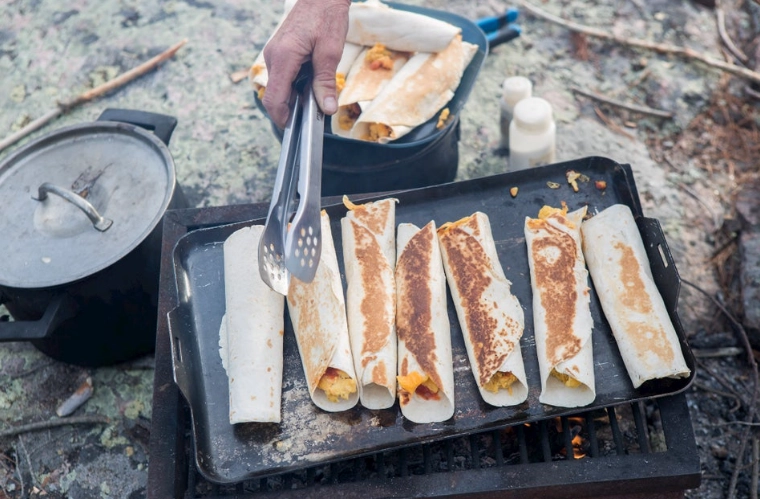
Personal story time: I once tried to pack pre-assembled wraps for a group hike. By lunch, the tortillas had absorbed all the moisture from the veggies and were falling apart messily. Never again. Now, I pack the components separately and let everyone assemble their own. It's less messy, more enjoyable, and caters to picky eaters.
When You Crave Something Hot: Warm Camping Lunch Ideas
Sometimes, especially on cooler days or after a morning rain, a warm lunch is pure magic. These require a bit more effort but are totally worth it.
Simple Soups & Stews
This is the easiest route to a hot meal. You have a few options:
- Pre-Made & Frozen: Make a hearty soup or chili at home, freeze it in a container, and use it as an ice block in your cooler. By day 2 or 3, it's thawed and ready to be reheated in a pot over the fire or camp stove.
- Dehydrated/Packaged: The quality of backpacking meals has skyrocketed. Brands like Good To-Go or Mountain House offer fantastic soups and chilis that just need boiling water. They're perfect for a quick, hot lunch with zero cleanup beyond the pot you boiled water in.
- Instant Ramen, Upgraded: Don't scoff. A packet of ramen is a blank canvas. Add a handful of frozen mixed veggies (they'll help keep other items cool as they thaw), a spoonful of miso paste, or a pouch of chicken. It's cheap, fast, and deeply comforting.
The One-Pot Wonder
If you're settled at a campsite for the day and don't mind cooking, a single pot can yield something delicious.
Quesadillas: Heat a tortilla in a lightly oiled pan, cover one half with cheese and leftover beans or pre-cooked fajita veggies, fold, and cook until crispy. Serve with salsa from a jar. Kid-friendly and adult-approved.
Heat-and-Eat Sausages: Pre-cooked sausages (like bratwurst or kielbasa) just need to be warmed through in a pan. Serve in a bun or sliced over instant rice with a side of sauerkraut.
The key with hot lunches is to keep the ingredient list short and the cleanup minimal. You don't want to spend your afternoon washing five different pans.
Backpacking-Specific Lunch Ideas (Ultra-Light & No Cooler)
When every ounce counts and there's no refrigeration, your camping lunch ideas need to be smart. It's all about calorie density and shelf stability.
Forget about fresh anything after day one.
Your backpacking lunch will likely be a more intense version of the snack-style lunch, with a focus on fats and proteins.
- Fat is Your Friend: Nuts, seeds, nut butters, and olive oil (carry a small bottle to add to couscous or mashed potatoes) pack a huge caloric punch for their weight.
- Tortillas are a Backpacker's Best Friend: They don't get crushed like bread. Spread with peanut butter and honey, or wrap around a chunk of hard cheese and summer sausage.
- Dehydrated Everything: Beyond commercial meals, you can dehydrate your own chili, hummus, or even refried beans at home. Just add hot water at lunch. It's lighter and more affordable in the long run.
- The Classic GORP: Good Ol' Raisins and Peanuts, but make it better. A mix of almonds, cashews, chocolate chips, dried cranberries, and banana chips is a lunch staple for many hikers.
I often find myself just grazing throughout the day on a long hike rather than having a formal lunch. A handful of trail mix here, a protein bar there, some jerky. It keeps energy levels steady without requiring a long stop.
Packing & Logistics: The Make-or-Break Details
The best camping lunch ideas can be ruined by poor packing. Here’s how to avoid common pitfalls.
Containers Matter: I'm not a fan of floppy plastic bags for everything. They get punctured and create a jumbled mess. I use a system:
- A small, hard-sided container for crushable items (chips, crackers).
- Reusable silicone bags for wet items (veggies, cheese) or sandwiches.
- A wide-mouth insulated thermos if I'm bringing soup or something I want to keep hot for hours.
The Cooler Game: If using a cooler, organization is key. Pack lunch items together in one area. Use frozen water bottles instead of loose ice—they last longer and you can drink the water as they melt. Block ice lasts longer than cubes. The goal is to open the cooler as infrequently as possible.
Don't Forget the Tools: A small cutting board, a decent knife (check campsite rules), a spork, a can opener if needed, and a small container for salt/pepper/seasonings. A tiny bottle of hand sanitizer is a lunch essential.
Answering Your Camping Lunch Questions
Final Thoughts: Keep It Simple, Seriously
The search for the perfect camping lunch ideas often leads people to overcomplicate things. I've done it. I've packed ingredients for elaborate wraps that required dicing and slicing at the picnic table. It wasn't fun.
The best camping lunches are the ones that let you get back to what you're there for: relaxing, exploring, and enjoying the company. A simple, satisfying meal that requires little thought and even less cleanup is a win.
Start with the no-cook, snack-style approach. It's the most forgiving and adaptable. Once you've mastered that, you can experiment with a warm soup on a chilly day. Remember the core principles: no-cook when possible, think in components, prioritize texture and freshness (early on), and always, always pack more snacks than you think you'll need.
Your future self, sitting by a lake or on a mountain ridge with a satisfying lunch in hand, will thank you.