I’ll never forget my first river camping trip on the Colorado River. The sound of water was soothing, but I woke up to my tent floating in a puddle after a surprise rainstorm. That taught me more about riverside camping than any guidebook. Camping near rivers isn’t just about pretty views—it’s a mix of magic and mishaps if you’re not prepared. In this guide, I’ll share hard-earned tips, top spots, and gear advice to help you avoid my mistakes and enjoy the experience safely.
Jump Straight to What Matters
Why River Camping is Worth the Hassle
Let’s be honest: camping near rivers has downsides. Mosquitoes can be brutal, and flood risks are real. But the benefits? They’re huge. You get constant white noise for sleep, easy water access for cooking (with proper treatment), and unbeatable fishing or kayaking opportunities. According to a report by the U.S. Forest Service, riverside areas support diverse wildlife, making them prime for birdwatching. I’ve spotted otters and herons on the Snake River that I’d never see inland. The key is balancing the perks with preparation.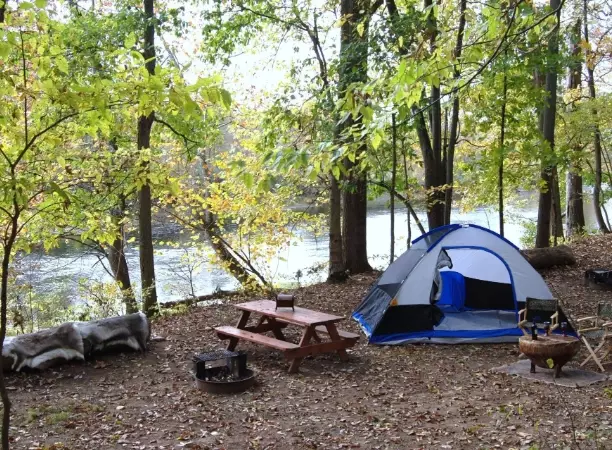
One subtle mistake beginners make: they camp too close for convenience. That’s a recipe for wet gear or worse. Keep a safe distance—I recommend at least 50 feet from the water’s edge to avoid sudden rises.
5 Top River Camping Destinations in the US
Based on my travels, here are five riverside campsites that offer great amenities and scenery. I’ve included details so you can plan without guesswork.
| Location | Address/Near | Cost per Night | Key Highlights |
|---|---|---|---|
| Smith River, California | Jedediah Smith Redwoods State Park, Crescent City, CA | $35-$50 | Old-growth redwoods, crystal-clear water for swimming, reservations needed months ahead. |
| Buffalo River, Arkansas | Buffalo National River, Ponca, AR | Free to $30 | Primitive camping along the river, great for canoeing, first-come-first-serve spots. |
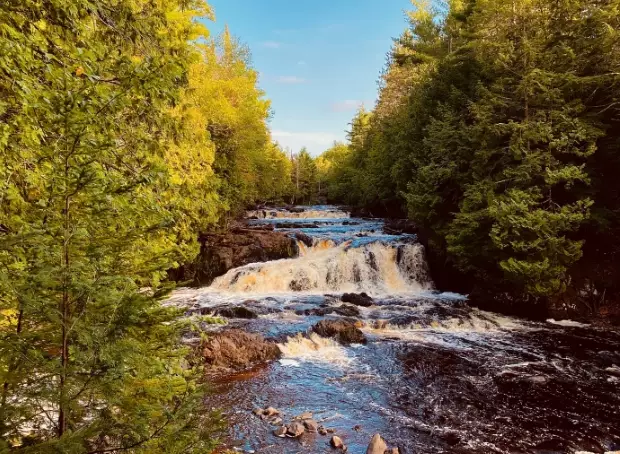
| Kennebec River, Maine | Moxie Falls Campground, The Forks, ME | $25-$40 | Whitewater rafting access, secluded sites, mosquito nets recommended in summer. |
| Green River, Utah | Green River State Park, Green River, UT | $20-$35 | Stargazing paradise, near Canyonlands, dry climate reduces bugs. |
| Chattooga River, Georgia/South Carolina | Chattooga River Campground, Clayton, GA | $15-$30 | Wild and scenic river, strict leave-no-trace rules, perfect for solitude seekers. |
I’ve camped at all these, and the Buffalo River is my favorite for its raw beauty, but it’s not for beginners—facilities are minimal. Check the National Park Service website for current alerts on water levels.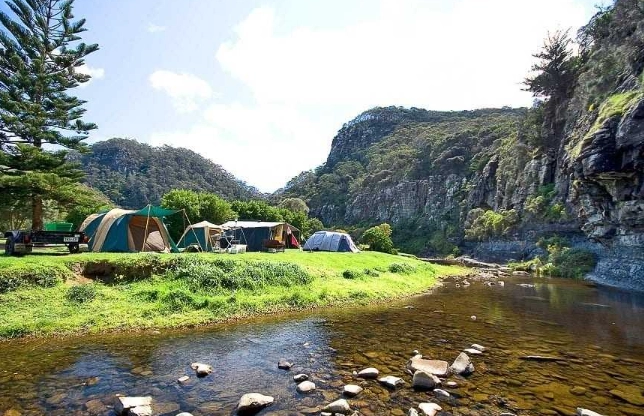
Gear You Absolutely Need for River Camping
Forget the generic camping lists. River camping demands specific gear. Here’s what I never leave without:
- Waterproof tent with a high bathtub floor: That’s the floor material that curves up the sides. Mine saved me on the Kennebec when rain flooded the area. A regular tent would’ve soaked through.
- Dry bags in multiple sizes: Not just for kayaking. I use them for clothes, electronics, and even food to keep moisture out. A 20-liter bag is versatile.
- Water filter or purifier: Rivers look clean but can harbor giardia. I prefer a pump filter like the Katadyn Hiker Pro for reliability, though UV pens work too.
- Mosquito repellent with picaridin: DEET works, but picaridin is less greasy and lasts longer. I learned this after a bug-heavy trip in Maine.
One item most overlook: a tide or water level app. Rivers can rise fast from upstream dams or rain. I use the USGS Water Data service to monitor levels in real-time.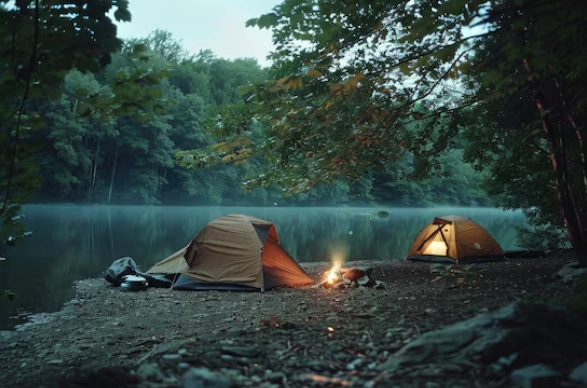
Safety Tips Most Campers Overlook
Safety isn’t just about bears. For river camping, water is the main hazard. Here’s how to stay safe:
Flood risk is real: Always check the weather upstream, not just your campsite. A sunny day at your spot can mean storms miles away causing a surge. I set up camp above the high-water mark—look for debris lines on trees.
Wildlife encounters are common. Raccoons love riverbanks for food scraps. Use bear-proof containers even if bears aren’t reported; it keeps critters out. I once had a raccoon chew through my cooler on the Chattooga because I got lazy.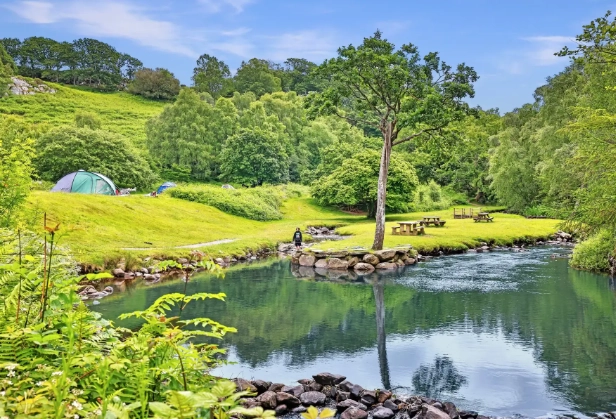
Water safety: Never swim alone, and avoid areas with strong currents. Rivers can have undercurrents that aren’t visible. I wear a life jacket when wading in unfamiliar spots, even if I’m a strong swimmer.
How to Handle River Camping Emergencies
If you get caught in a flash flood, abandon gear and move to high ground immediately. Don’t try to cross rising water. I keep a whistle and flashlight in my pocket at all times for signaling.
How to Pick the Perfect Riverside Campsite
Scouting a site isn’t just about the view. Follow this checklist:
- Elevation: Camp at least 50 feet from the river and on higher ground. Look for natural terraces.
- Ground surface: Avoid sandy or muddy areas—they get wet fast. Grass or packed dirt is better.
- Wind direction: Set up tent with the door away from the river to reduce breeze-driven moisture.
- Sun exposure: Morning sun helps dry dew, but shade in the afternoon keeps things cool.
I once picked a spot for its sunset view on the Green River, but it was so windy my tent almost blew away. Now, I prioritize shelter over scenery.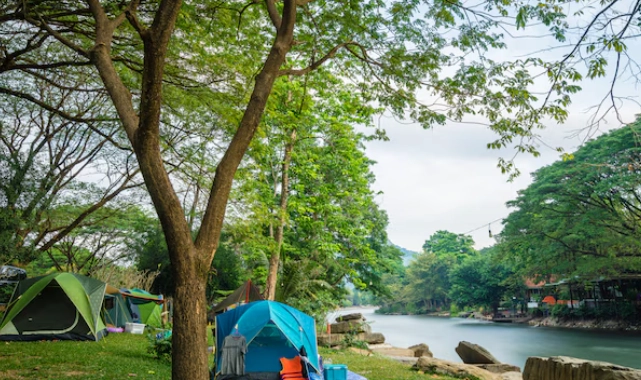
Answers to Your Tricky River Camping Questions
Camping near rivers can be transformative if you respect the environment. Start with a well-researched spot, pack the right gear, and always have a backup plan. I’ve seen too many trips ruined by simple oversights. Got your own river camping story? Share it—we all learn from each other’s experiences.