Quick Guide
Let's be honest for a second. How many times have you packed for a camping trip, thrown in a bunch of hot dogs, some buns, and a bag of chips, and called it a meal plan? I've done it. We've all done it. You get there, you're tired from setting up the tent, the fire is finally ready, and... you're staring at the same boring food you always bring.
It doesn't have to be that way. Good food isn't just for your kitchen at home. In fact, a fantastic meal can be the highlight of your day in the woods. The smell of something delicious cooking over an open flame, sharing a satisfying dinner as the sun sets – that's what memories are made of. But the thought of complicated camping recipes with a million ingredients? No thanks. That's just more stress.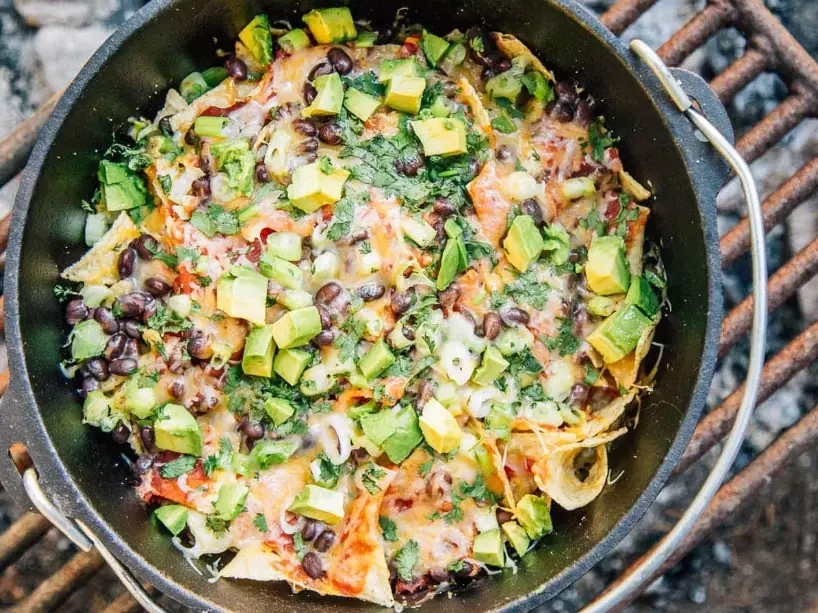
The secret isn't in being a gourmet chef. It's in smart planning and a handful of reliable, no-fuss ideas. This guide is all about that. We're ditching the complexity and focusing on flavor, simplicity, and practicality. Whether you're car camping with a full cooler or trying to keep your backpack light, there's a way to eat well out there.
Forget the Cooler Chaos: Your Pre-Trip Planning Game Changer
Most camping meal disasters happen before you even leave the driveway. You forget the oil. The eggs get crushed. The marinated chicken leaks all over everything. A little bit of prep at home is the absolute biggest hack for stress-free and delicious camping meals.
I learned this the hard way on a trip where I planned to make fajitas. I had all the veggies chopped... in separate containers. The chicken was in a marinade. The tortillas were in their bag. It took up half the cooler and assembling it all at the campsite, with hungry people watching, was a nightmare. Never again.
Your Make-Ahead Command Center
Spend an hour in your kitchen and thank yourself later at the campsite. Here’s what you can do: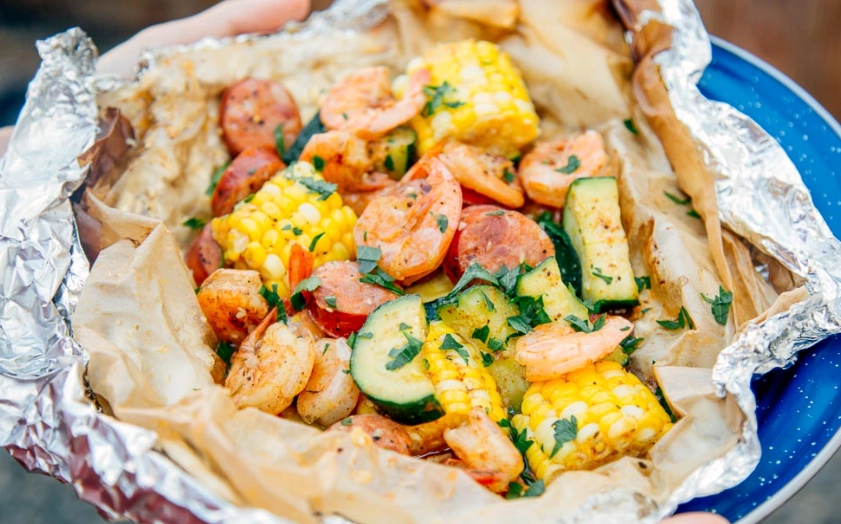
- Chop Everything: Onions, bell peppers, zucchini, carrots, potatoes. Store them in zip-top bags or reusable containers. You can even pre-mix veggies for specific recipes like stir-fry or stew.
- Pre-Cook Proteins: Grilling chicken breasts or sausage links at home? Do it. They'll reheat quickly in a pan or over the fire and carry zero risk of undercooking in the wild. Hard-boil a dozen eggs for instant breakfast or snacks.
- Mix Dry Ingredients: For pancakes, muffins, or even seasoning blends. Put the dry mix in a labeled bag, and just add the wet ingredients (oil, water, egg) later. It's a game-changer for morning pancakes without the mess of measuring cups in the dirt.
- Create "Meal Kits": This is my favorite trick. For a meal like tacos, put all the pre-cooked meat, shredded cheese, and chopped toppings (except wet stuff like salsa) into one large container or bag. At mealtime, you grab one kit. No searching, no forgotten ingredients.
Think about it. Would you rather wrestle with a whole onion and a shaky camping table, or just pour a bag of pre-chopped onions into a hot pan? The answer is obvious.
The Packing List You Didn't Know You Needed
Beyond food, your cooking gear can make or break you. You don't need a full kitchen, but a few key items are non-negotiable.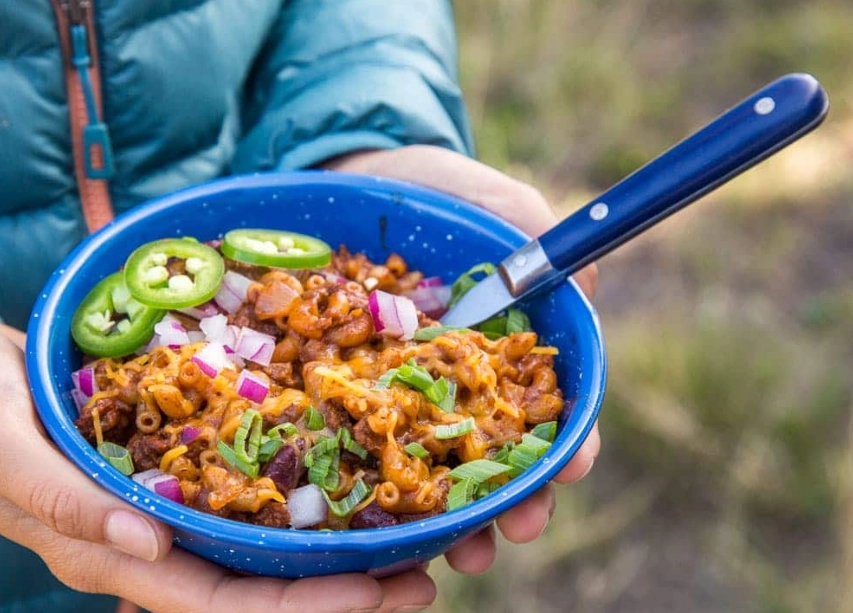
| Item | Why It's Essential | Pro Tip / Alternative |
|---|---|---|
| Cast Iron Skillet | Distributes heat evenly, works on fire grate or stove, creates a great sear. Nearly indestructible. | Season it well at home first. A heavy-duty non-stick pan is a lighter, easier-clean alternative for beginners. |
| Sturdy Tongs & Spatula | Your primary tools for not burning your fingers. Long handles are key. | Get silicone-tipped ones if using non-stick pans. |
| Collapsible Water Container | For cooking, cleaning, and putting out your fire. Never rely solely on a distant water pump. | Fill it up right when you arrive at the campsite. |
| Biodegradable Soap & Scrubby | Cleanup is part of the deal. Leaving greasy pans attracts wildlife (bears, raccoons, ants). | Use hot water and a sprinkle of sand or dirt to scrub off stubborn bits before the soapy wash. |
| Headlamp | Trying to cook in the dark after sunset is a recipe for disaster (and lost sausages in the fire). | Hands-free light is the only way to go. |
No More Guesswork: Tried & True Camping Recipes for Real People
Okay, let's get to the good stuff. Here are some categories of meals that actually work in the outdoors. I've included specific ideas, but feel free to swap ingredients based on what you like. These are frameworks more than rigid rules.
Breakfast: Fuel for Adventure (Without the Fuss)
Mornings can be chilly, and you might be eager to hit the trail. You need something warm, fast, and filling.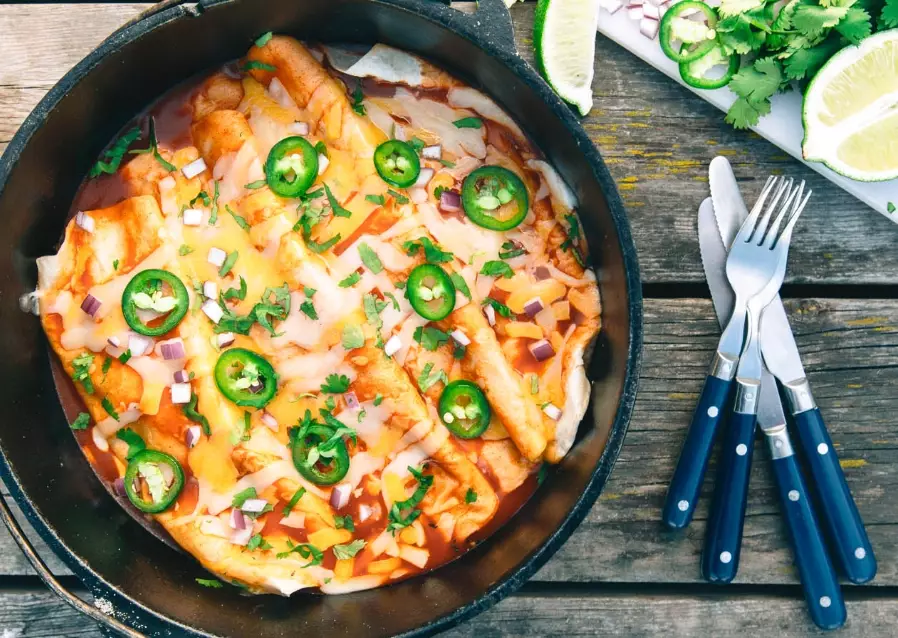
Top Performer: The Everything Breakfast Hash
This is my go-to. It's a one-pan wonder. Dice some potatoes (par-cook them at home for speed!), chop an onion and bell pepper. In your skillet, cook some chopped bacon or sausage. Remove the meat, toss in the potatoes and veggies. Let them get crispy. Add the meat back in, crack a few eggs over the top, put a lid on the skillet (or tent it with foil) until the eggs are set. Sprinkle with cheese if you have it. It serves a crowd, uses one pan, and everyone loves it. The ultimate easy camping recipe.
Other Can't-Miss Breakfast Ideas:
- Pre-Made Breakfast Burritos: Scramble eggs with cheese, peppers, and pre-cooked sausage at home. Roll into tortillas, wrap tightly in foil. At camp, just reheat them in the foil over the fire or on a pan. Zero cleanup.
- Oatmeal Bar: Boil water. Pour over instant oats in individual cups. Set out toppings: dried fruit, nuts, peanut butter packets, brown sugar. Let everyone customize. Simple, warm, and lightweight for backpacking.
- Campfire Cinnamon Rolls: Buy the refrigerated tube of cinnamon rolls. Wrap the whole tube in heavy-duty foil (double wrap it!) and place it in the coals at the edge of your fire. Rotate every 5-7 minutes for about 20-25 mins. Unwrap to reveal gooey, delicious rolls. It feels decadent but is stupidly simple.
Lunch: Keep It Moving (Or Keep It Lazy)
Lunch is often on-the-go or a quick refuel back at camp. Don't overthink it.
Strategy 1: The Fancy Sandwich/Wrap. This is about upgrading components. Don't just bring plain bread and lunch meat. Get a crusty baguette or hearty rolls. Bring a small container of pesto, hummus, or flavored mayo. Add crisp lettuce, sliced cucumber, and good cheese. Pre-sliced meat or even a can of flavored tuna or chicken makes a huge difference. Assemble as needed to avoid soggy bread.
Strategy 2: The Leftover Remix. Made too much hash for breakfast? Heat it up and put it in a tortilla. Extra grilled chicken from last night's dinner? Chop it up for a chicken salad sandwich. Planning for leftovers is a key part of smart camping food ideas.
Strategy 3: The Snack Lunch. Sometimes, you just graze. This is perfectly valid. Cheese, crackers, summer sausage, nuts, dried fruit, carrot sticks, and apple slices. It's zero-cook, satisfying, and lets you get right back to fishing or napping in the hammock.
Dinner: The Main Event Under the Stars
This is where you can shine. The goal is maximum flavor with minimal active cooking time and cleanup.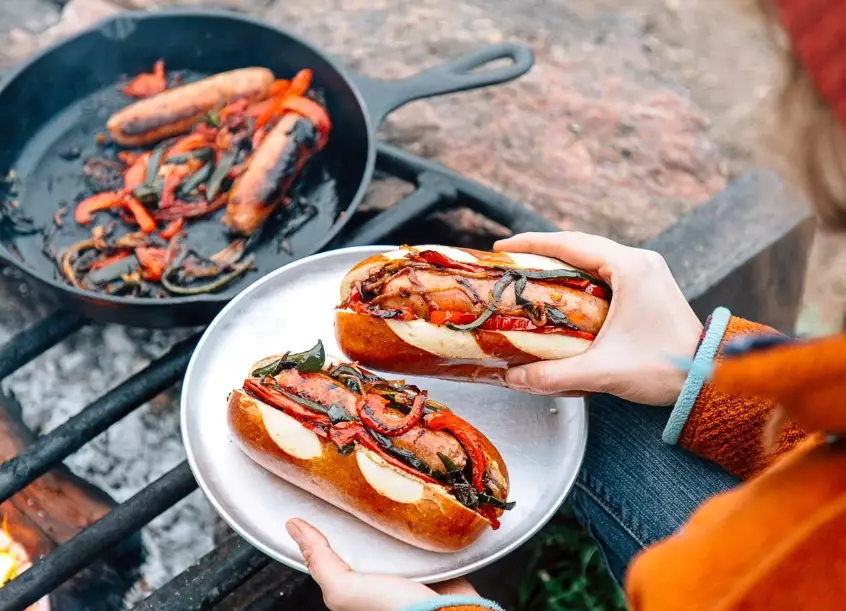
Category 1: The One-Pot/One-Pan Champions
If you remember nothing else, remember this category. One vessel means you eat well and spend less time washing.
- Foil Packet Dinners: The classic for a reason. On a large piece of heavy-duty foil, place a protein (chicken breast, fish fillet, shrimp), veggies (broccoli, carrots, onions), a pat of butter or drizzle of oil, and seasonings (lemon pepper, garlic powder, everything bagel seasoning). Seal the packet tightly. Place on hot coals or a grill grate for 15-25 minutes, depending on contents. Open carefully (steam is hot!) and eat right out of the packet. Cleanup is tossing the foil.
- Campfire Chili or Stew: Brown some ground beef or turkey in your Dutch oven or pot. Dump in canned beans, diced tomatoes, tomato sauce, corn, and chili powder. Let it simmer. It gets better as it sits, feeds many, and reheats beautifully the next day.
- One-Pan Pasta: This one feels like magic. In your skillet, combine pasta, just enough water or broth to cover it, a jar of pasta sauce, and any chopped veggies (mushrooms, spinach). Bring to a boil, then simmer until the pasta is cooked and the liquid is absorbed. Stir in some cheese at the end. One pan, one meal.
Category 2: The No-Cook Lifesavers
For those nights when you roll into camp late, or the fire won't start, or you're just utterly exhausted.
My favorite is a hearty salad with a can of chickpeas or tuna. A bag of pre-washed greens, a can of beans (rinsed), some cherry tomatoes, cucumber, and a shelf-stable dressing like a vinaigrette. It's refreshing, healthy, and ready in 3 minutes. Another great option is high-quality pre-cooked sausages (like a good salami or summer sausage) with cheese and crackers. It's not gourmet, but it fills you up with zero effort.
Answering Your Burning Questions (Before You Burn Dinner)
I get a lot of questions from friends trying to level up their camp cooking. Here are the big ones.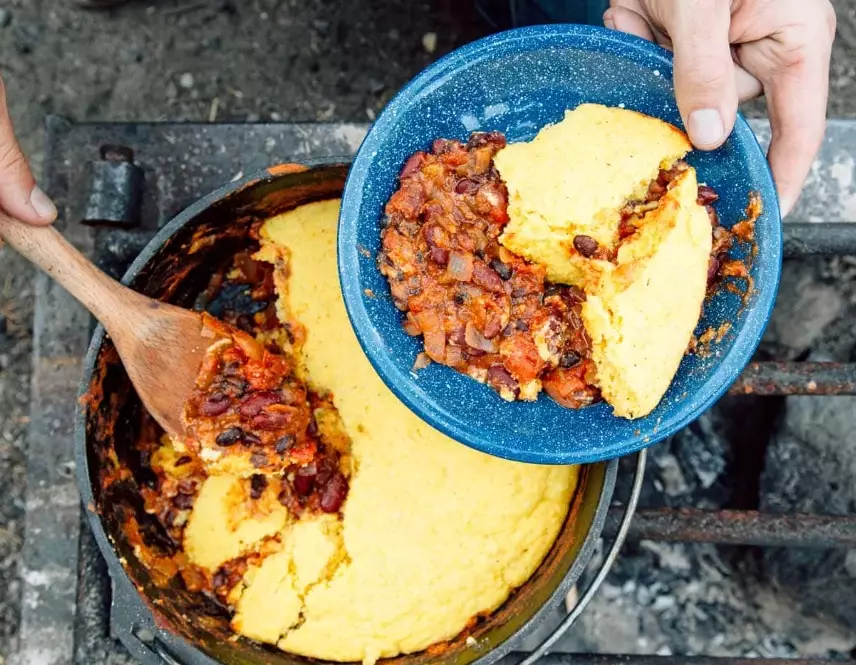
The Real Secret Ingredient
After all these tips, recipes, and gear talk, the most important thing is to relax and have fun with it. So what if your pancake is a weird shape? Who cares if you forgot the salt and had to get creative with seasoning? Some of my best camping memories are of slightly messed-up meals we all laughed about.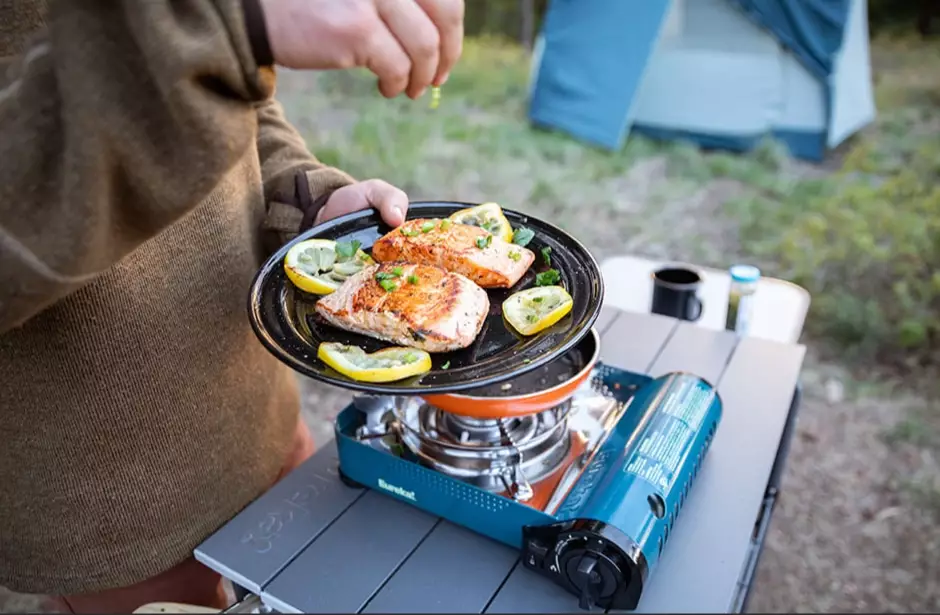
The goal of these camping recipes and ideas isn't perfection. It's about enjoying good food in a great place with good people. It's about ending the day around the fire, full and happy, not still hungry and thinking about those hot dogs you should have brought.
Start with one new recipe on your next trip. Maybe it's the foil packet dinner or the pre-made breakfast burritos. See how it goes. Tweak it for next time. Before you know it, you'll have a repertoire of go-to meals that make camping even better. And you'll never look at a bag of marshmallows as dinner ever again.