Let's be honest. The idea of campfire cooking sounds amazing—the crackling fire, the smoky aroma, the food that just tastes better outdoors. The reality for most first-timers? Burnt marshmallows, undercooked potatoes, and a vague sense of disappointment. I've been there. After a decade of camping from the Rockies to the Appalachians, I've learned that great campfire meals aren't about fancy techniques. They're about a simple shift in mindset and a handful of reliable recipes.
This guide is for anyone who wants to move past basic weenies. We'll cover the gear you actually need, the safety rules you can't ignore, and a collection of foolproof campfire recipes that will make you the hero of the campsite.
Your Campfire Cooking Roadmap
What Do You Really Need for Campfire Cooking?
Forget the giant, 20-piece camping cookware set. You need a few good tools. A common mistake is bringing a flimsy non-stick pan meant for a home stove—it will warp and the coating will fail over direct heat.
Here’s the shortlist that never fails me:
- A 10-inch Cast Iron Skillet: Heavy? Yes. Worth it? Absolutely. It distributes heat evenly, can go directly on coals, and makes everything from bacon to cornbread better.
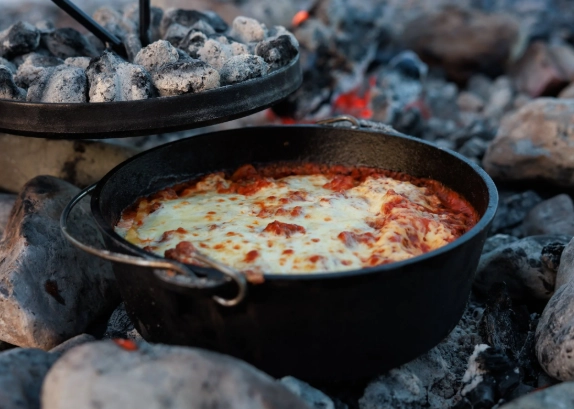
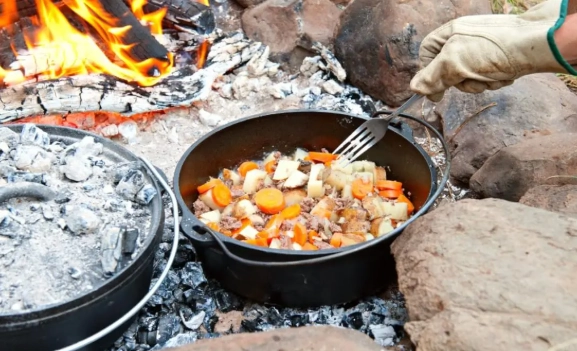
- A Cast Iron Dutch Oven (Optional but Magical): This is the secret weapon for stews, chilis, and even baking. You bury it in coals.
- Long-Handled Tongs and a Heavy Spatula: Keep your hands away from the heat. Metal, not plastic.
- Heavy-Duty Aluminum Foil: For foil packet meals—the ultimate easy clean-up option.
- Heat-Resistant Gloves (Not Oven Mitts): Leather welding gloves work incredibly well for moving hot grates or Dutch oven lids.
- A Small Grill Grate: Many campsites have these, but they're often rusty or bent. Bringing your own small, folding one guarantees a stable cooking surface.
How Do You Actually Cook Over Open Flames Without Burning Everything?
This is the single most important lesson. You cook with coals, not flames. Licking flames are for ambiance and roasting marshmallows. For actual cooking, you need a bed of glowing red embers.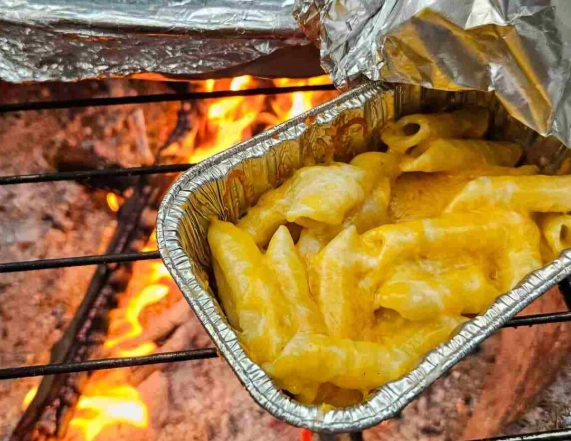
Here’s the process: Build your fire at least 30-45 minutes before you want to cook. Let it burn down. Then, use a stick to spread the coals into different zones.
| Heat Zone | What It's For | How to Set It Up |
|---|---|---|
| High Heat (Direct) | Searing steaks, frying bacon, boiling water quickly. | A thick, concentrated bed of red-hot coals. |
| Medium Heat (Direct) | Cooking sausages, toasting sandwiches, most pan-frying. | A single layer of coals spread out evenly. |
| Low Heat (Indirect) | Simmering stews, keeping food warm, slow-cooking foil packets. | Coals pushed to the side, or cooking at the edge of the fire ring. |
If your food is charring on the outside but raw inside, your heat is too high and direct. Move it to a cooler zone or raise the grate.
Campfire Breakfasts to Start Your Day Right
Nothing beats a hot breakfast after a cold night in a tent. These are my go-to options, ranked by effort level.
The Lazy Champion: Campfire Breakfast Burritos (Foil Packets)
Prep these at home. On a large piece of foil, lay out a tortilla. Add scrambled raw eggs (they'll cook), diced potatoes (parboil them at home so they cook faster), chopped bell peppers, onions, and shredded cheese. Wrap the burrito, then wrap it tightly in two layers of foil. At the campsite, toss the packet on the edge of the medium-heat coals for 15-20 minutes, flipping once. No pans to wash.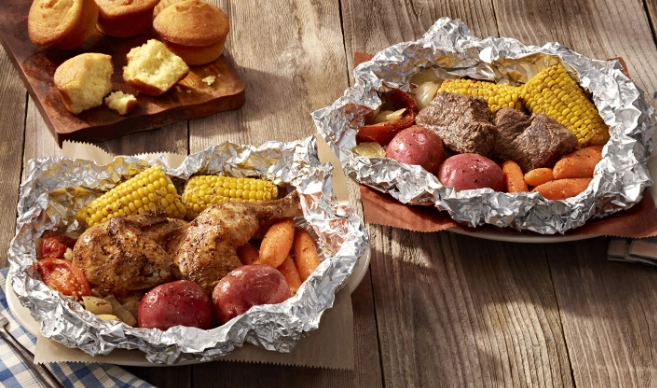
The Crowd-Pleaser: Skillet Hash
This is where the cast iron shines. Cook some chopped bacon or sausage in the skillet first. Remove the meat, leaving the fat. Toss in diced potatoes (again, parboiled is key), onions, and peppers. Let them get crispy. Push the veggies to the side, crack a few eggs directly into the skillet, and scramble them into the hash at the last minute. Serve straight from the pan.
Hearty Main Dishes for Hungry Campers
Dinner is the main event. You want something satisfying that doesn't keep you chained to the fire for hours.
Foolproof Foil Packet Salmon & Asparagus
Place a salmon fillet on foil. Drizzle with olive oil, lemon slices, salt, pepper, and a sprinkle of dill. Add a handful of asparagus spears. Seal the packet tightly. Cook on medium coals for 12-15 minutes. The packet steams the fish perfectly. It feels gourmet but is embarrassingly simple.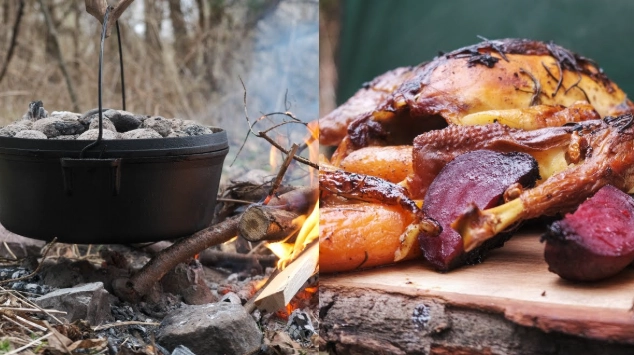
The One-Pot Wonder: Campfire Chili
If you brought the Dutch oven, this is its moment. Brown ground beef or turkey directly in the pot over the coals. Add a diced onion and bell pepper. Dump in two cans of beans (kidney, pinto), a can of diced tomatoes, and a packet of chili seasoning. Add a cup of water or beer. Put the lid on, shovel some coals onto the lid, and let it simmer over low, indirect heat for 45 minutes. Stir occasionally. The smoky flavor from the fire gets into the chili. It's unbeatable.
The Non-Negotiable Safety Rules (Most Blogs Skip This)
A fun trip can turn bad fast. These aren't suggestions.
- Check Fire Restrictions: Always, always check local regulations before you go. Websites like Recreation.gov or the local forest service office have current info. No-burn days are real.
- Clear the Area: A 10-foot circle around your fire pit should be clear of leaves, grass, overhanging branches, and your tent.
- Water, Water, Water: Keep a large bucket of water or a shovel and dirt right next to the fire before you light it. Not 20 feet away.
- Extinguish Completely: When done, drown the fire with water, stir the ashes with a stick, drown it again, and feel for heat with the back of your hand. If it's warm, it's not out.
- Never Leave It Unattended: Not even for a minute to grab something from the car.
Pro Tips From a Decade of Trial and Error
Here's the stuff you learn the hard way.
Use a Charcoal Starter Chimney. Even for a wood fire. Fill it with charcoal, light it, and let it get hot. Then dump those hot coals into your fire pit and add wood. It gives you perfect cooking coals in 20 minutes, not an hour. It's a game-changer for cooking efficiency.
Bring Your Own Dry Kindling. Don't rely on finding dry twigs. A zip-top bag of dryer lint or store-bought fire starters saves the day when everything is damp.
Oil Your Cast Iron Before and After. Before cooking, rub a thin layer of oil on the skillet to prevent rust and improve non-stick. After cleaning (use hot water and a brush, no soap), dry it over the fire and rub with a drop of oil before storing.
The goal isn't to be a master chef in the woods. It's to eat well, enjoy the process, and spend less time stressing over dinner and more time looking at the stars. Start with a foil packet or a simple skillet hash. You'll get the hang of the heat. And that first perfectly cooked meal under the open sky? It's worth every bit of the learning curve.