Let's talk about tent camping. Not the Instagram-filtered version, but the real deal: the smell of pine, the sound of a zipper at dawn, the satisfaction of a well-pitched shelter. It's the most direct way to connect with the outdoors, but starting out can feel like deciphering a foreign language. This guide cuts through the noise. I've spent over a decade sleeping in tents, from soggy British festivals to crisp Colorado mountainsides, and I'm here to translate that experience into a clear, actionable plan for your first—or next—adventure.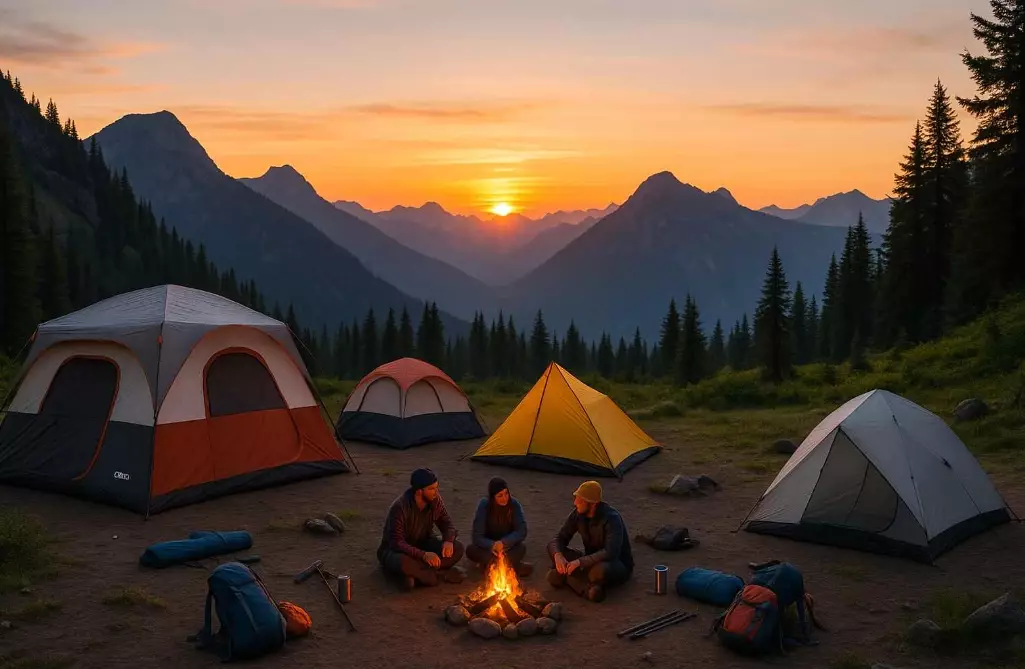
What You'll Learn
Why Tent Camping Beats Glamping Every Time
Forget the heated floors and wifi. The magic of tent camping lies in its simplicity and authenticity. You're not just visiting nature; you're a temporary resident. This immersion has tangible benefits. The physical act of setting up your home builds a sense of accomplishment that checking into a cabin never will. It's also the most affordable gateway to extended stays in national parks or remote areas where lodging costs skyrocket.
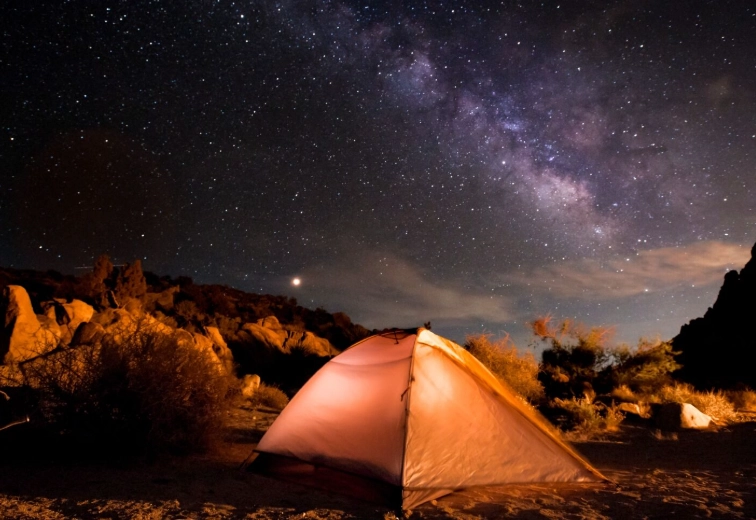
More subtly, it teaches resourcefulness. You become acutely aware of weather, light, and your own supplies. That mindfulness—knowing your water source, feeling the temperature drop, watching the stars without light pollution—is the antithesis of our distracted daily lives. It's a reset button.
My First Solo Trip: I drove to a state forest with a cheap department store tent. It rained. Not a gentle drizzle, but a proper downpour. By 2 AM, a slow drip had found its way onto my sleeping bag. I was miserable, but also weirdly elated. I'd solved the problem (with a cooking pot under the drip) and learned a visceral lesson about gear quality. That failure taught me more than any perfect sunny weekend ever could.
Your Non-Negotiable Tent Camping Gear List
You don't need a gear shop's entire inventory. You need a few reliable, multi-purpose items. Think of this as your core system.
The Shelter System: Your Tent, Footprint, and Stakes
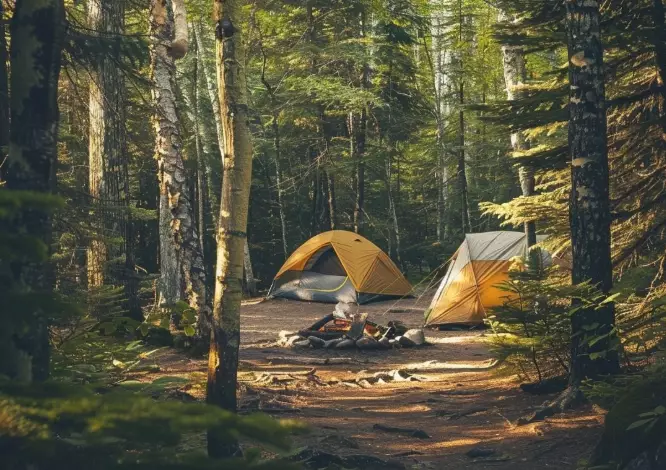
The tent is the star. Ignore the "capacity" label—a 4-person tent is cozy for 2 people with gear. For one or two campers, a 3-person tent is the sweet spot. The bigger mistake is buying based on price alone.
| Tent Type | Best For | Key Feature | Consideration |
|---|---|---|---|
| Dome Tent | Beginners, car camping, families | Easy setup, good headroom, stable | Heavier, less packable for backpacking |
| Tunnel Tent | Windy conditions, weight-conscious campers | Excellent strength-to-weight ratio, aerodynamic | Setup sequence is critical; less interior space |
| Cabin Tent | Basecamp, group camping, long stays | Near-vertical walls, maximum living space | Poor performance in high wind, bulky |
Always get a footprint—a ground cloth cut to your tent's shape. It protects the tent floor from abrasion and moisture. The one that matches your tent model is best, but a simple tarp cut slightly smaller works (if it's larger, rain will pool between the tarp and tent). And for stakes, the stock wire ones are often terrible. Spend $15 on a set of durable Y-beam or solid aluminum stakes; they hold in wind and soft ground.
Sleep System: Pad and Bag
This is where comfort is made or broken. The ground sucks heat from you. A sleeping pad provides both cushioning and critical insulation (its R-value). For summer, R-2 to R-4 is fine. For three-season use, aim for R-4 or higher.
Your sleeping bag's temperature rating is a survival rating, not a comfort rating. If you expect nights around 40°F (4°C), get a bag rated for 20-30°F. A liner can add warmth. Down bags pack smaller and last longer but fail when wet. Synthetic bags are bulkier but cheaper and still insulate when damp—a safety net for beginners.
The Utility Kit: Light, Knife, Fire, Water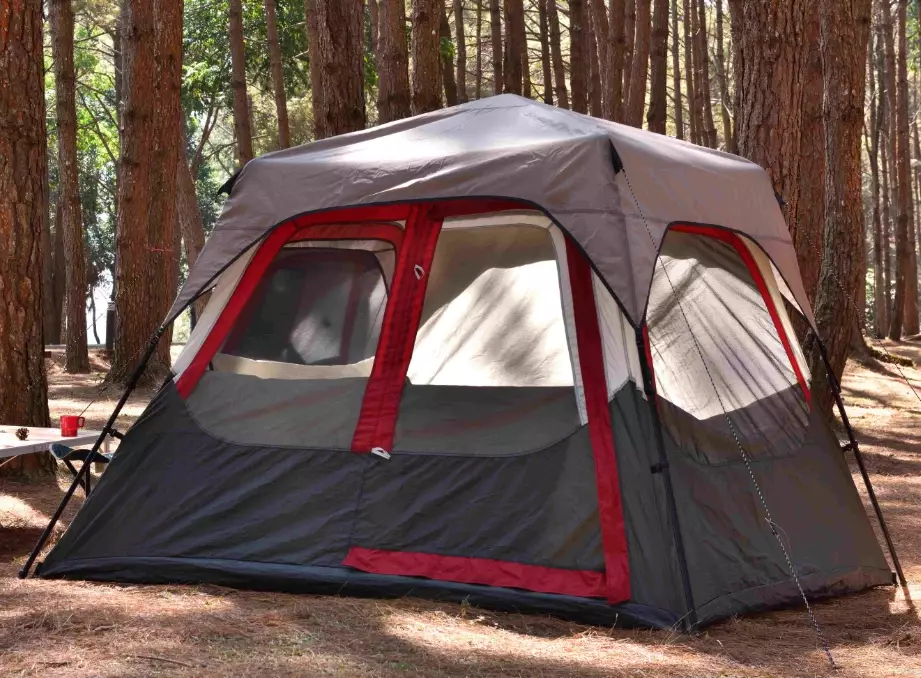
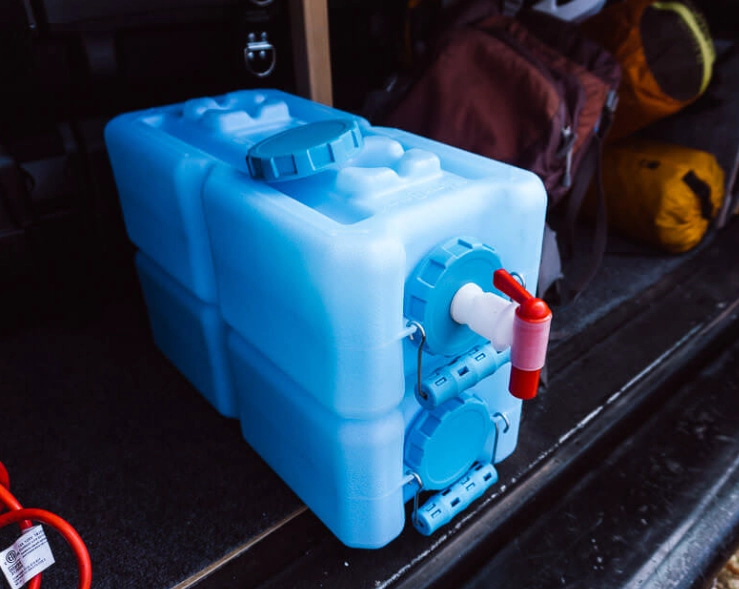
Pack a headlamp (hands-free light is essential), a reliable multi-tool or knife, fire starters (like waterproof matches or a ferro rod), and a dedicated water storage and purification method. A 5-gallon collapsible jug is great for the campsite, and having a backup purification tablet or filter is smart.
How to Choose a Campsite (Beyond Just a Flat Spot)
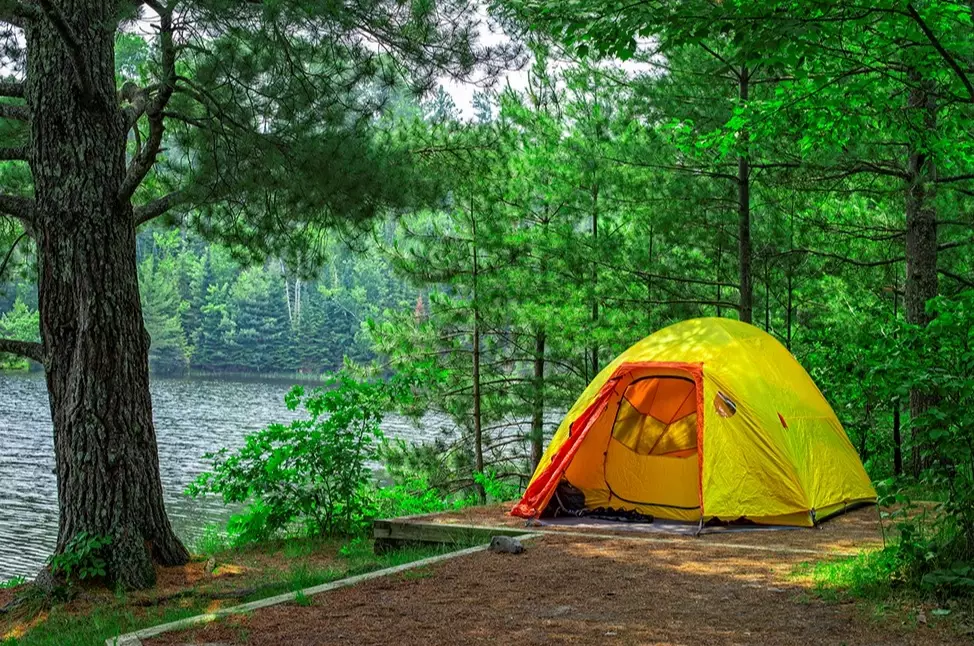
Finding a spot isn't just about parking the tent. It's a puzzle of environmental factors. Most developed campgrounds (like those in the U.S. National Park Service or state park systems) have designated sites. When you reserve, look for photos or descriptions mentioning "partial shade" or "lake view."
For backcountry or dispersed camping (often allowed in National Forests), the rules change. The U.S. Forest Service generally advises camping at least 200 feet from water sources and trails. Here's your site selection checklist:
- High & Dry: Never camp at the bottom of a hill or in a drainage ditch, even if it looks dry. A distant storm can send water your way.
- Wind Check: Look at the trees. "Flagging" (branches growing mostly one way) shows the prevailing wind direction. Use natural windbreaks like rock formations.
- Sun Path: Morning sun is glorious for drying dew. Afternoon shade is a respite. Position your tent door accordingly.
- Roots & Rocks: Clear the ground of small debris. A pine cone under your pad feels like a boulder by midnight.
- Privacy & Safety: Be aware of your proximity to other campers and the trail. You want seclusion, but not complete isolation in unfamiliar territory.
Setting Up Camp: A Step-by-Step Routine
Arriving tired is the worst time to think. Have a routine.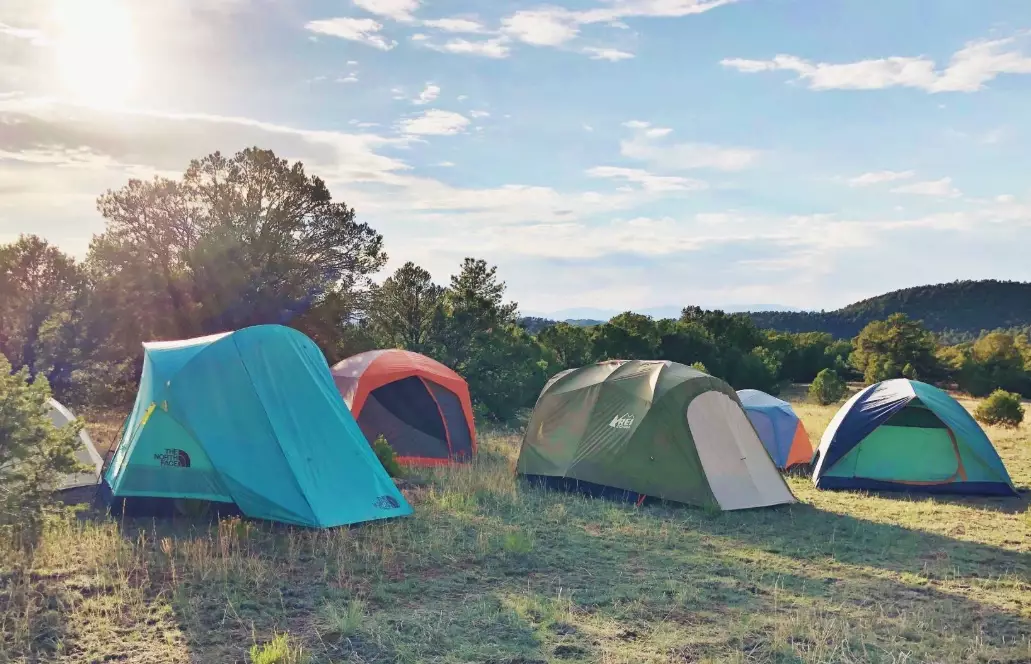
1. Scout First, Unload Second. Walk the site with your tent still packed. Finalize its exact location. Look above for dead branches ("widowmakers") that could fall.
2. Lay the Footprint. Orient it correctly. Smooth out any lumps underneath.
3. Assemble the Tent on the Footprint. Practice this at home once. Stake down the corners loosely as you go to prevent it from blowing away.
4. Raise and Tighten. Get the structure upright, then go around and tighten all guylines and stakes. A taut tent is a quiet, stable, and dry tent. Sagging fabric invites condensation and flaps noisily.
5. Organize Your "House." Designate areas: sleeping, cooking (at least 10 feet downwind from your tent), and food storage. Use a gear loft inside the tent for small items. Keep shoes just inside the vestibule.
A Note on Food: In bear country, this is non-negotiable. Use the provided metal locker (bear box) or a certified bear-resistant canister. Never, ever keep food, trash, or even scented toiletries in your tent. It's not just about bears; raccoons and mice are expert burglars.
3 Common Tent Camping Mistakes You Can Avoid
These are the subtle errors that turn a trip from great to grueling.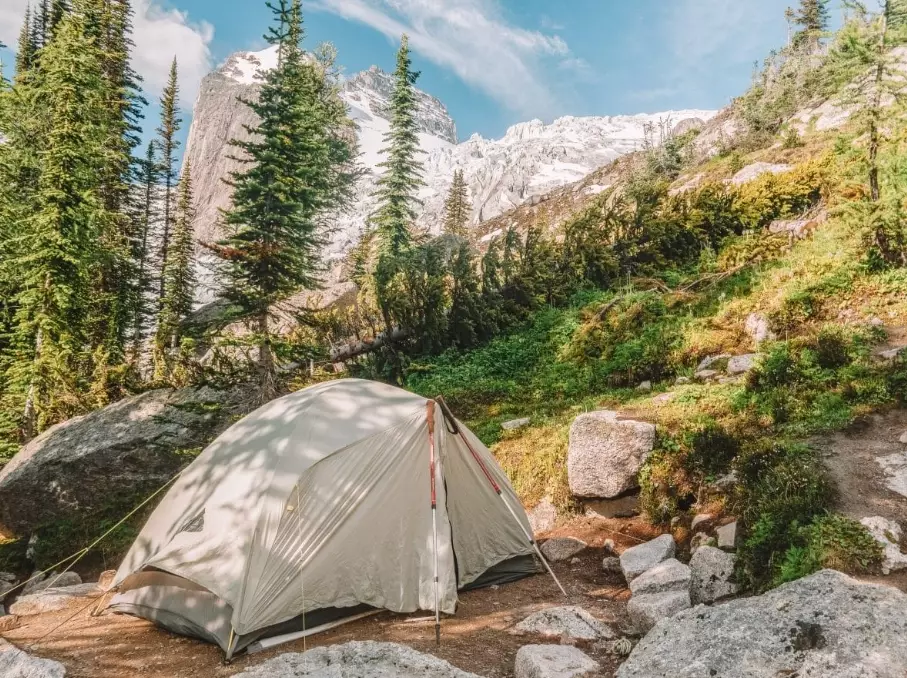
Mistake 1: Assuming Your Tent is Waterproof. Most tents are water-resistant. The factory sealant on seams degrades. Before any major trip, set up your tent in the yard and spray it with a hose. Look for leaks, especially on seams. Re-seal them with a silicone-based seam sealer.
Mistake 2: Cooking Inside the Vestibule. It's tempting in the rain, but it's dangerous. Carbon monoxide poisoning is a real risk, and the moisture from boiling water will saturate your tent with condensation. You'll wake up in a damp, clammy sleeping bag.
Mistake 3: Over-packing Clothes. You need less than you think. Pack for layers (base, insulating, shell) and assume you'll re-wear items. Cotton kills—it absorbs moisture and loses insulation. Stick to wool or synthetics. A dedicated set of clean, dry sleep clothes (like thermal long johns and socks) is worth its weight in gold.
Your Tent Camping Questions, Answered
Absolutely, but it requires the right mindset and a few tricks. First, a well-sealed, taut tent with a full-coverage rainfly is key. Bring a small microfiber towel dedicated to wiping down the inner tent walls if condensation forms. A tarp you can string up over your picnic table or cooking area creates a crucial "dry porch" outside the tent. Most importantly, embrace it. The sound of rain on nylon is one of camping's great pleasures—when you're dry inside.
Ventilation is everything. Use all the mesh panels and open every vent, even if it means sacrificing some privacy. Pitch your tent in shade, but remember shade moves. A reflective sunshade draped over the tent (with an air gap between it and the tent) can lower interior temperature significantly. Finally, only zip up the rainfly if rain is imminent; otherwise, leave it off to maximize airflow through the mesh body.
 What's the one piece of gear most first-timers forget that you'd never go without?
A dedicated pair of camp shoes. After a day in hiking boots, sliding into lightweight sneakers or sandals feels like a five-star luxury. It also keeps the inside of your tent much cleaner. My personal choice is a pair of old running shoes. They're more supportive than flip-flops if you need to walk around the site at night.
Start with the Leave No Trace principle: pack out all trash, including food scraps and biodegradable items like fruit peels. Use biodegradable soap sparingly and wash at least 200 feet from water sources. For fire, use established rings, keep fires small, and burn only local, dead wood. Consider a solar-powered lantern instead of disposable batteries. The core idea is that the next camper should not be able to tell you were there.