Let's be honest. Winter camping isn't for the faint of heart. A single piece of wrong gear can turn a magical snowy adventure into a miserable, shivering ordeal. I learned this the hard way years ago in the Rockies, underestimating just how much heat the frozen ground can steal from you. Since then, I've spent countless nights below freezing, dialing in a system that actually works. This isn't about surviving; it's about enjoying the profound silence of a winter landscape. Forget the generic lists. We're going deep into the winter camping gear that matters, why it matters, and the subtle mistakes even experienced campers make.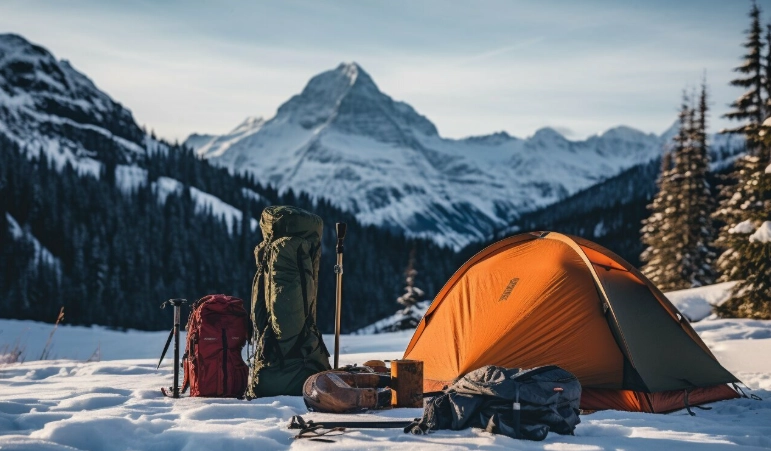
What's Inside This Guide
The Non-Negotiable Sleep System: Your Warmth Foundation
Your bed is your sanctuary. Get this wrong, and nothing else matters. A common misconception? That a super warm sleeping bag is enough. It's not. You lose more heat to the ground than to the air. Your system needs to be just that—a system.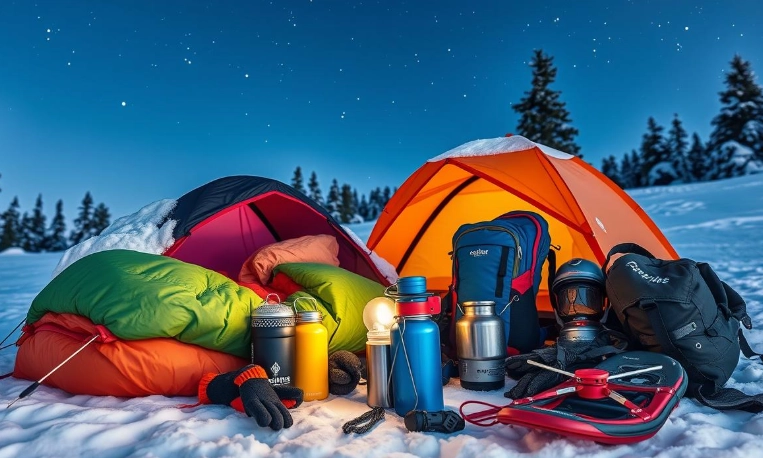
The Sleeping Bag: Ratings and Reality
Ignore the "comfort" rating on the tag if it's anywhere near your expected low temperature. You need a bag rated for temperatures at least 10°F (6°C) colder than forecast. I prefer a mummy bag with a draft collar. Down is fantastic for weight and packability, but if it gets wet, it's useless. Synthetic fill, like PrimaLoft, is the safer bet for damp climates, though bulkier.
Here's a pro tip nobody tells you: store your bag loosely, never compressed, at home. Compressing it for months on end permanently damages the insulation's loft, its ability to trap warm air.
The Sleeping Pad: Your Real Insulation
This is where most beginners fail. That summer air mattress? It's a heat sink. You need a pad with a high R-value—a measure of thermal resistance. For winter, aim for an R-value of 5.0 or higher. Many campers use two pads: a closed-cell foam pad (R-value ~2) directly on the ground for durability and moisture barrier, topped with an inflatable insulated pad (R-value ~4-6).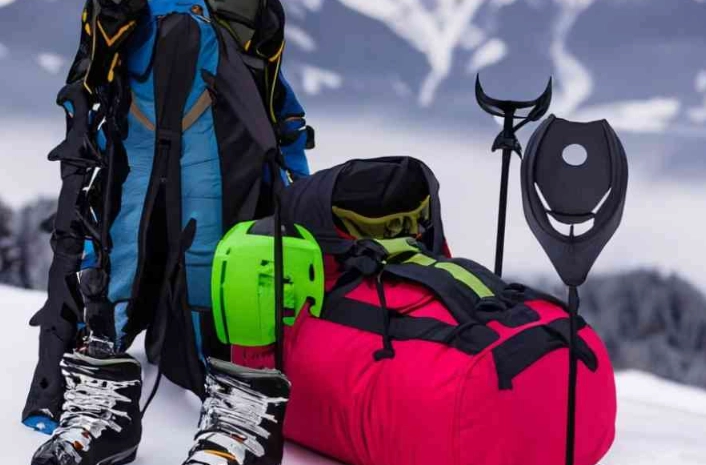
Mastering Clothing Layering: The Art of Staying Dry
Cotton kills. You've heard it. In winter, it's a death sentence. Moisture management is everything. You'll sweat setting up camp, then freeze at rest. The solution is a flexible, moisture-wicking layering system.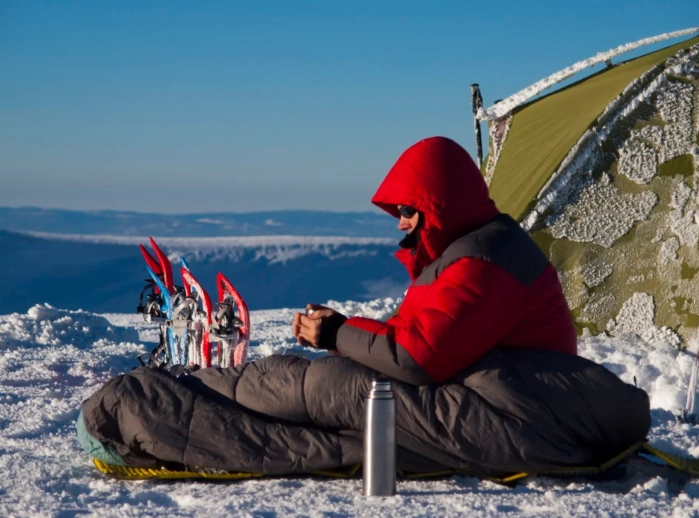
| Layer | Material & Purpose | Example Items | Key Feature |
|---|---|---|---|
| Base Layer | Merino wool or synthetic (polyester). Wicks sweat away from skin. | Smartwool 250, Patagonia Capilene | Snug fit, no cotton. |
| Mid Layer (Insulation) | Fleece, down, or synthetic puffy. Traps warm air. | Fleece jacket, Patagonia Nano Puff | Breathable for active use. |
| Outer Layer (Shell) | Gore-Tex or similar waterproof/breathable fabric. Blocks wind & snow. | Hard shell jacket & pants | Taped seams, adjustable hood. |
| Accessories | Extremities lose heat fastest. | Insulated gloves, wool beanie, balaclava | Always carry a spare pair of dry gloves. |
The industry is buzzing with heated gear—jackets, socks, gloves with battery-powered warmth. They're fantastic for static camp time but treat them as a luxury boost, not your primary insulation. A dead battery leaves you in trouble.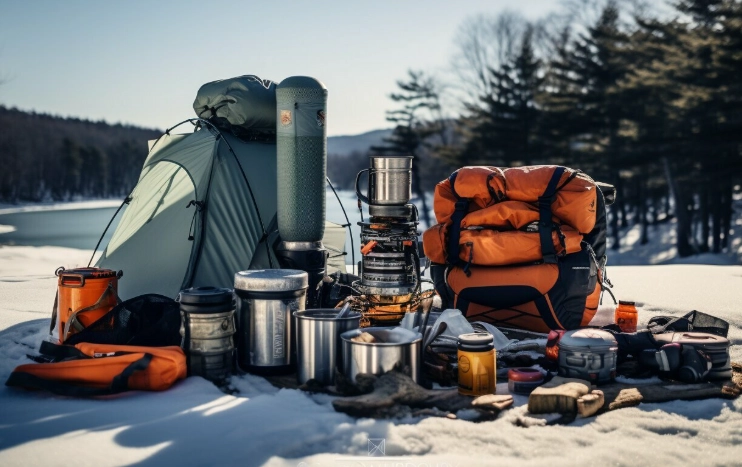
Cooking & Water in the Cold: Fuel and Hydration
Your summer stove might sputter and die. Liquid fuel stoves (white gas) like the MSR WhisperLite outperform canister stoves in freezing temps because you can pressurize the fuel bottle. If you use a canister stove, sleep with the canister in your bag to warm it, and use a stable base.
Water freezes. Obvious, right? Yet I've seen countless Nalgenes turn into ice blocks. Use wide-mouth bottles (easier to break ice out of) and store them upside down—ice forms at the top first. Better yet, use an insulated bottle sleeve. A vacuum flask for a hot drink before bed is a morale-saver.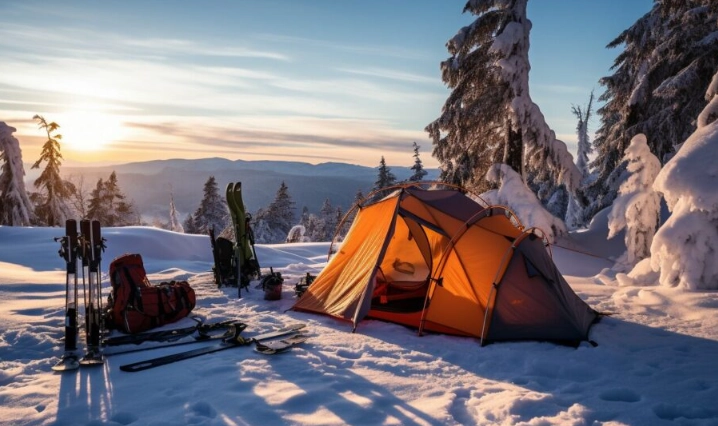
Melting snow for water is a last resort. It consumes massive fuel. Pack in as much water as you can or find a flowing source.
Essential Tools & Extras: The Winter-Specific Kit
Beyond the summer basics, winter demands specialized tools.
Shelter: A 4-season tent is mandatory. It has stronger poles, more guy-out points to handle snow load, and less mesh for better wind protection. Setting it up with the door perpendicular to the prevailing wind makes a huge difference.
Lighting: Days are short. Headlamps with a red-light mode preserve night vision. Bring extra batteries—cold drains them faster.
Footwear: Insulated, waterproof boots with removable liners are key. Gaiters keep snow out of your boots. Bring camp shoes like down booties—getting out of stiff, cold boots at the end of the day is pure joy.
Traction: Microspikes (like Kahtoola MICROspikes) are essential for icy trails. For deeper snow, consider snowshoes.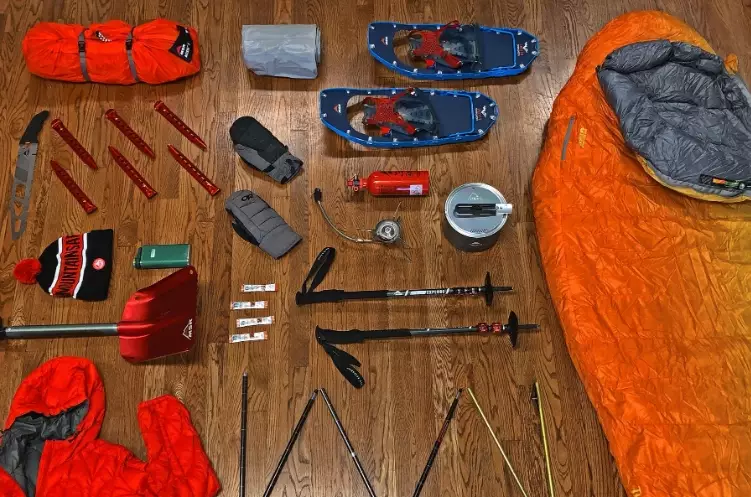
Expert Tips & Common Mistakes to Avoid
After a decade, you see patterns. Here's what often goes wrong.
People overdress when active, sweat through their base layer, then get chilled to the bone. The rule: start cold. You should feel slightly cool when you begin moving.
They neglect their sleep clothes. Never sleep in the clothes you wore all day—they hold moisture. Pack a dedicated, dry set of base layers and socks just for sleeping.
The biggest silent threat? Gear failure from condensation. You breathe out a lot of moisture in a sealed tent. Ventilation is critical, even when it's cold outside. Crack a vent opposite the wind direction. A small USB-powered fan to circulate air can prevent interior frost.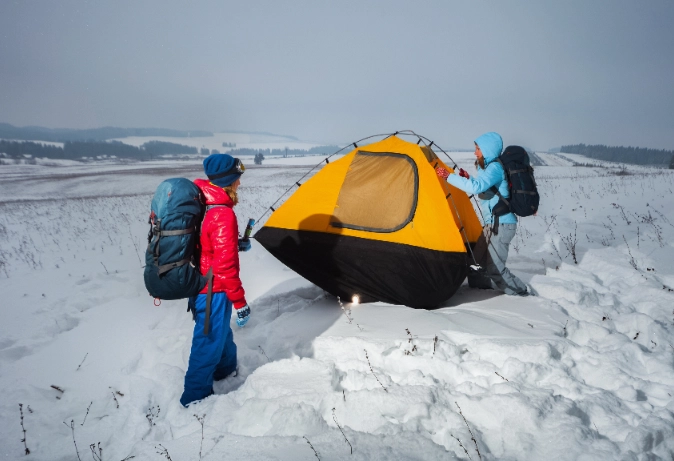
Your Winter Camping Questions Answered
Why is a 4-season tent non-negotiable for winter camping, even without a storm forecast?
It's about strength and design. A 3-season tent's poles can snap under the weight of drifted snow or a strong, gusty wind. The fabric is also more breathable (more mesh), which turns your tent into a wind tunnel. A 4-season tent is built like a bunker, with a geodesic or semi-geodesic pole structure and minimal mesh. It holds heat better and won't collapse on you. I've been in a 3-season tent when an unexpected wind picked up—the constant flapping and flexing made for a zero-sleep, anxiety-filled night.
How do you prevent your water filter from freezing and breaking?
Most modern filters are destroyed if the internal elements freeze. The standard advice is to sleep with it in your bag. That works, but it's a hassle. My method? I use chemical treatment (iodine or chlorine dioxide tablets) in winter. They work fine in cold water, just take a bit longer. If I must filter, I use a quick-disconnect on my hose and bring the filter inside my jacket to warm up before and after use, never letting it sit out in the cold.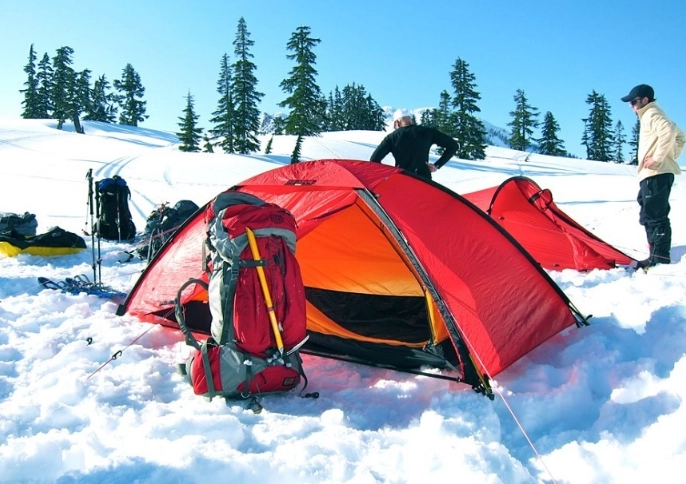
What's one piece of winter camping gear that most people overlook but is absolutely vital?
A large, durable groundsheet or footprint that extends beyond your tent's walls. In winter, you're often setting up on snow you'll later pack down. That packed snow melts from your body heat and refreezes as ice, effectively gluing your tent floor to the ground. A footprint that you can pull out from under the frozen tent in the morning saves you from a frustrating, potentially damaging struggle. A simple 6-mil plastic painter's drop cloth from a hardware store works perfectly and is cheap insurance.