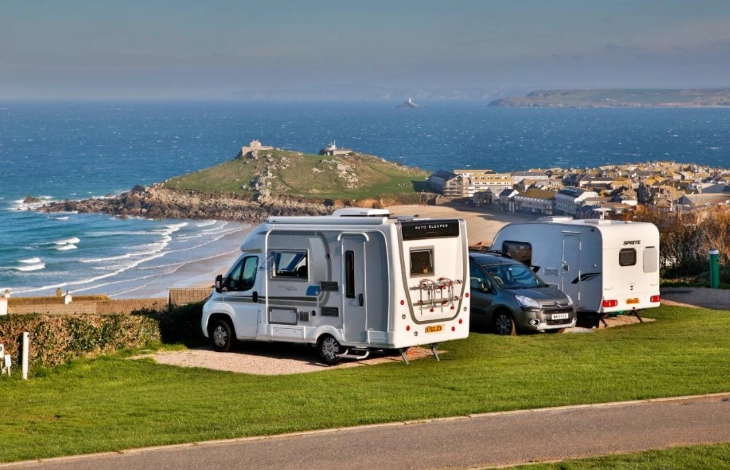
You see the photos online—endless vistas, not another soul in sight, just you and the wilderness. Then you arrive at the popular campground you booked months ago, and it's a symphony of RV generators, Bluetooth speakers, and the glow of a dozen iPad screens. That disconnect between the dream and the reality is what drives us to seek out truly remote camping locations.
Remote camping isn't just about a longer drive. It's a different mindset. It's about self-reliance, navigation, and trading convenience for profound solitude. This guide isn't a list of easily Google-able "secluded" campgrounds. We're talking about places where you are genuinely on your own. Let's get into how you actually find them, get to them, and come back safely with stories worth telling.
Your Quick Trail Map to This Guide
What Makes a Campsite Truly 'Remote'?
Let's clear this up first. A "remote" location, in the context most backpackers and dispersed campers use it, usually ticks most of these boxes:
- No Designated Facilities: No picnic tables, no fire rings (unless built by previous visitors), no pit toilets, and certainly no water spigots.
- Dispersed Camping Rules: It falls under "dispersed camping" or "backcountry camping" regulations on public land, meaning you choose your spot following Leave No Trace principles.
- Significant Distance from Trailheads/Roads: Either a multi-mile hike in or a long, rough drive on unpaved roads that filters out standard vehicles.
- Zero Cell Service: This is a given, not an inconvenience. Your phone becomes a camera and maybe a GPS device with pre-downloaded maps.
If you're still within earshot of a road or can see other campfires at night, you're in a transition zone. True remoteness means the only sounds after dark are the wind and the local wildlife.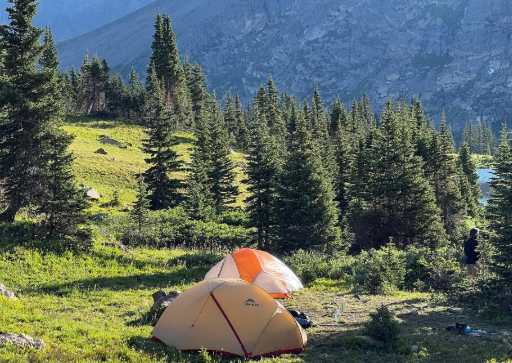
How to Find Remote Camping Spots: Beyond the Obvious
Asking "where are remote camping locations?" online is a dead end. You'll get generic lists that quickly become overcrowded. The skill is in knowing how to look. Here’s the process I've used for years.
1. Master the Maps (The Digital and the Paper)
Forget Google Maps for navigation out there. You need specialist tools.
2. Understand Public Land Management
In the U.S., your best friends for remote camping are the Bureau of Land Management (BLM) and the United States Forest Service (USFS). These agencies manage millions of acres where dispersed camping is generally permitted unless specifically marked otherwise.
- BLM Land: Often more arid, vast, and accessible by 4x4 roads. Perfect for that desert solitude. Check state-specific BLM websites for motor vehicle use maps (MVUMs).
- National Forests: Offer immense backcountry opportunities. Look for "Dispersed Camping" guides on individual forest websites. They often have maps showing general areas where it's allowed.
- National Parks: Usually require permits for backcountry camping and stick to designated backcountry sites. Less "find your own spot" freedom, but incredible scenery.
A common mistake is assuming all public land is open. Always verify current regulations for fire restrictions, vehicle use, and seasonal closures on the official managing agency website.
3. The Local Knowledge Hack
Online forums can be hit or miss. Better sources are:
- Ranger Stations: Call or visit the ranger district office for the area you're targeting. Ask: "Where are some areas for dispersed camping that see less use?" They won't give you GPS coordinates, but they'll point you to a specific drainage or forest road number.
- Local Outdoor Shops: The staff at a mom-and-pop gear shop in a gateway town often have recent beta on road conditions and less-traveled areas.
Three Stunning Remote Camping Destinations to Research
To make this concrete, here are three diverse examples of regions ripe for remote camping. Think of these as starting points for your own map research.
1. The Grand Staircase-Escalante National Monument, Utah
The Vibe: Otherworldly desert solitude. Crimson canyons, sprawling plateaus, and absolute silence.
How to Get Remote: This is BLM and National Monument land. Focus on the network of dirt roads (like the Hole-in-the-Rock Road) south of Escalante, UT. High-clearance is mandatory, 4WD is often needed. Drive until you find a previously disturbed spot well away from the road (200+ feet is the rule).
Key Intel: No permits for dispersed camping. Summer is brutally hot. Spring and fall are ideal. Water is non-existent—you must carry all you need. Coordinates for a starting point: Head down Hole-in-the-Rock Road and explore spur roads like Fortymile Ridge.
My Experience: I spent three days out here once and saw one other vehicle. The night sky was unreal. The downside? The wind never stopped. A sturdy tent is non-negotiable.
2. The Frank Church-River of No Return Wilderness, Idaho
The Vibe: Raw, rugged mountain wilderness. The largest contiguous wilderness in the Lower 48.
How to Get Remote: This is all about the hike. Access points like the Big Creek trailhead require a multi-day backpacking commitment. You'll need a USFS wilderness permit (often free/self-issue at the trailhead).
Key Intel: Research trails on the US Forest Service website. Salmon, Idaho is a major gateway. Grizzly country—know your bear safety and carry bear spray. Late July to September is the prime window after snowmelt.
3. The Olympic Coast, Washington (Wilderness Beaches)
The Vibe: Misty, moody, and wild coastal camping. Sea stacks, tide pools, and the sound of the Pacific.
How to Get Remote: You need a wilderness camping permit from Olympic National Park. Popular areas like Third Beach get reserved, but aim for stretches between Rialto Beach and Cape Alava. It involves hiking a forest trail, then navigating the beach itself.
Key Intel: This is remote with a big asterisk: tides. You must carry a tide chart and know how to read it. Some headlands are impassable at high tide, requiring overland trail detours. Never camp on the beach below the high tide line. The weather is wet—excellent rain gear is part of your safety kit here.
Gear & Prep: How Remote Camping Diffends From Car Camping
It's not just about buying more expensive stuff. It's about redundancy and prioritizing safety over comfort.
| Category | Car Camping Mindset | Remote Camping Necessity |
|---|---|---|
| Navigation | Phone GPS or road signs. | Primary GPS device (Garmin inReach, Gaia on phone with offline maps) PLUS physical topo map and compass. Know how to use all three. |
| Water | Maybe a filter, or just bring jugs. | Multiple methods: a primary filter (like a Sawyer Squeeze), chemical backup (Aquamira tablets), and the knowledge to find water sources on a topo map. |
| Communication | Cell phone. | Satellite communication device (e.g., Garmin inReach, Zoleo). This is your SOS button and your way to send an "all okay" check-in. Not optional. |
| First Aid | Basic kit for cuts and scrapes. | Expanded kit with supplies for sprains, blisters, and stabilization. Include a SAM splint and know basic wilderness first aid. |
| Shelter | Any tent that fits the family. | A tent proven in high winds and rain. Weight matters if hiking, durability matters if driving rough roads. |
The biggest gear mistake I see? People buy a fancy satellite messenger but don't set it up or practice with it at home. Do a test message from your backyard. Register your device. Put your emergency contacts in the system. A tool is useless if you're fumbling with it in a panic.
Your vehicle is also gear. For drive-up remote spots, ensure you have a full-size spare tire, a tire repair kit, extra water, and the ability to self-recover or wait days for help. Telling someone your detailed itinerary and expected return time is the most critical, and most often skipped, piece of preparation.
Remote Camping Questions Answered (From Experience)
How do you navigate to a specific remote spot without any trail or signs?
You use waypoints. On your digital mapping app (like Gaia), you drop a pin on a promising flat area near a water source, well inside public land boundaries. You get the coordinates. You then enter those coordinates into your handheld GPS or your phone's offline mapping app. You navigate to that point, using your map and compass to confirm your progress and avoid hazards like cliffs. The final 100 yards is often bushwhacking—that's part of the deal.
What's the one piece of safety gear most people forget for remote desert camping?
A signaling mirror. In vast, open terrain, a cell phone flash is useless. A dedicated signaling mirror can catch the sun and be seen for miles by search aircraft or distant vehicles. I also carry a whistle, but the mirror is the desert-specific item most overlook. Along with, you know, enough water. I plan for one gallon per person per day, plus a two-day emergency surplus.
Is it safe to camp remotely alone?
It introduces more risk, which you must mitigate. My rule for solo remote trips is that my satellite communicator has two-way messaging and I send a nightly "all good" check-in to a trusted contact with the explicit instruction: "If you don't hear from me by X time on my return day, call the sheriff for this county with my coordinates and trip plan." Your margin for error is zero, so you move more deliberately. The mental challenge is as real as the physical one.
How do you handle waste and truly 'Leave No Trace' in a place with no toilets?
For human waste, you dig a cathole 6-8 inches deep, at least 200 feet from water, camp, and trails. You pack out your toilet paper in a dedicated zip-top bag—yes, really. It's not pleasant, but it's the standard for sensitive arid environments and areas with high use. In some river canyons, you may be required to pack out all solid waste using a portable toilet system. Research the specific requirements for your area. It's the price of admission for pristine places.
What's a subtle sign that a remote area might be overused or not as pristine as you hoped?
Look for multiple fire rings in one area, social trails (unofficial paths) branching off everywhere, and excessive trash (even micro-trash like bottle caps). If you find more than one or two makeshift fire rings, the spot is likely known and used frequently. I'll often hike another half mile or drive down a rougher spur road to find a spot that shows no signs of previous use. Finding that untouched patch of ground is the real reward.
The pursuit of remote camping locations is a continuous learning process. It rewards curiosity, preparation, and respect for the land. It's not about conquering wilderness, but about fitting yourself into it quietly and temporarily. Start with a single overnight in a known dispersed camping area, test your gear and your nerves, and build from there. The silence you find will be worth every bit of the effort.