You want more from a hike than just a day trip. You want the stars, the crackle of a campfire, and waking up deep in the woods. That's the magic of camping hiking trails – routes designed for overnight adventures where your tent is your reward. But finding the right trail, knowing the rules, and packing smart isn't always straightforward. I've spent over a decade figuring this out, often the hard way. This guide cuts through the noise and gives you the real, actionable info you need to plan your first – or your fiftieth – backcountry camping hike.
What's Inside This Guide
What Exactly Are Camping Hiking Trails?
Let's be clear: not every hiking trail lets you camp. A camping hiking trail is specifically a backcountry or wilderness route with designated, and sometimes dispersed, camping areas along its length. Think of the Appalachian Trail, not your local 3-mile park loop. The goal is multi-day immersion. You carry everything on your back – shelter, food, water system – and cover miles between campsites. It's backpacking. The trail is your highway, and the campsite is your nightly motel, minus the mint on the pillow.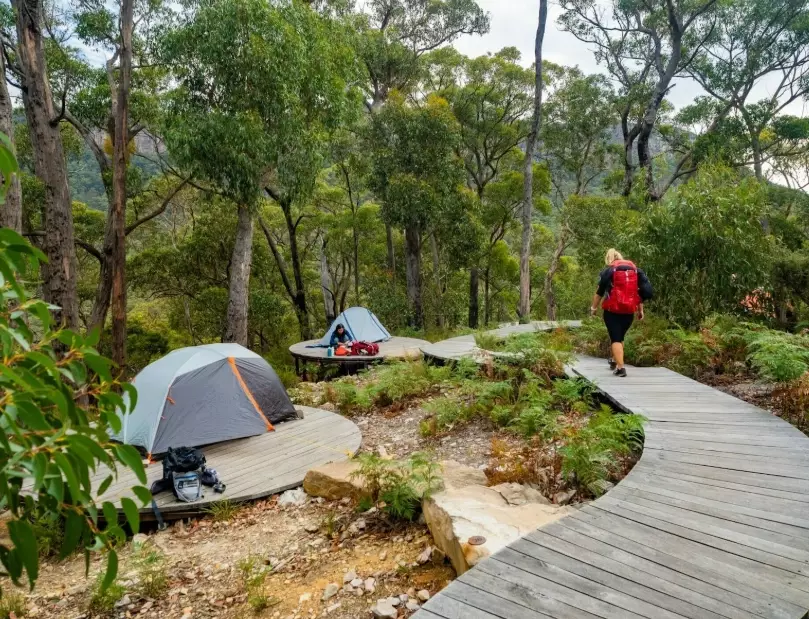
The appeal is obvious. Total immersion. Sunset and sunrise in pristine places day-hikers never see. But the logistics are different. You're not just picking a trailhead; you're planning a multi-day route with water sources, elevation gain, and permit regulations in mind.
How to Find the Best Camping Hiking Trails
Forget just Googling "best trails." You need the right tools and a bit of detective work.
Start with the Big Agencies: The U.S. National Park Service and U.S. Forest Service websites are goldmines. Search for "backcountry camping" within a specific park or forest. These pages list official trails, required permits, and often have PDF maps. Recreation.gov is the portal for booking many of these permits.
Use Specialized Apps & Sites: AllTrails is a start, but filter for "backpacking" and read recent reviews about campsite conditions. For deeper beta, sites like The Trek or backpacking-specific forums have trip reports from people who just did the route. I once planned a trip in the North Cascades based solely on a forum post from two years prior – it saved me from a washed-out river crossing.
Key Filters for Your Search:
- Distance & Days: How many miles can you comfortably carry a full pack? 8-10 miles a day is a solid start for most.
- Water Access: This is critical. Trails should have reliable water sources (streams, lakes) marked. Carrying 4 days of water isn't feasible.
- Permit System: Is it a lottery (like Half Dome), advance reservation, or first-come-first-served? This dictates your planning timeline.
- Camping Designation: Designated sites (specific spots) vs. dispersed camping (choose your own within rules). Designated is easier for beginners.
The Non-Negotiable Gear Checklist
Day-hike gear won't cut it. This is about the "Big Three" plus safety. Here’s the breakdown of what you actually need, not just what a generic list says.
The Big Three: Shelter, Sleep, Pack
Backpack: 50-65 liters for multi-day trips. Go to a store, get fitted with weight in it. A poor fit ruins everything.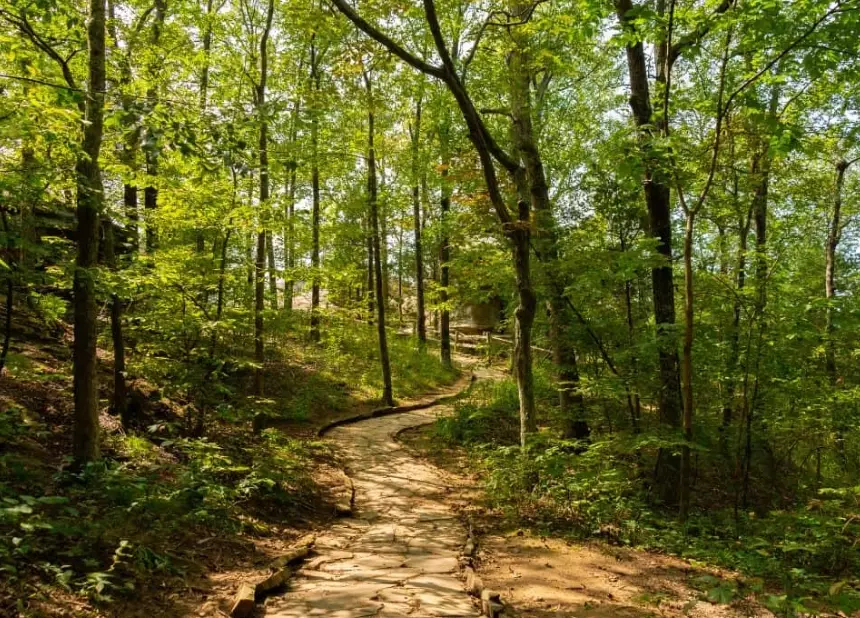
Tent: A lightweight 2- or 3-person tent (for 1 or 2 people) is ideal. Freestanding is easier for beginners. Look at the floor dimensions – can you actually fit with your gear?
Sleep System: A sleeping bag rated 10°F colder than the lowest expected temperature. A sleeping pad is not optional; it provides insulation from the ground. An inflatable pad is comfier but a closed-cell foam pad is bombproof and cheaper.
Critical Systems: Water, Food, Navigation
Water Filtration: A Sawyer Squeeze or Katadyn BeFree filter is the standard. Have a backup method, like purification tablets. Never assume water is safe.
Stove & Food: A compact canister stove. For food, dehydrated meals are easy. Pack 1.5-2 pounds of food per person per day. Test your stove at home first.
Navigation: A physical map and compass, and know how to use them. A GPS device or phone app (like Gaia GPS) with downloaded maps is a fantastic backup, not a primary. Batteries die.
Planning, Permits, and Not Dying Out There
This is where trips succeed or fail before you even lace your boots.
The Permit Puzzle: Many iconic camping hiking trails require permits to limit impact. Apply early – some lotteries are 6 months out. Have a flexible date range. The permit isn't just a ticket; it often assigns you a specific campsite each night. Stick to the plan.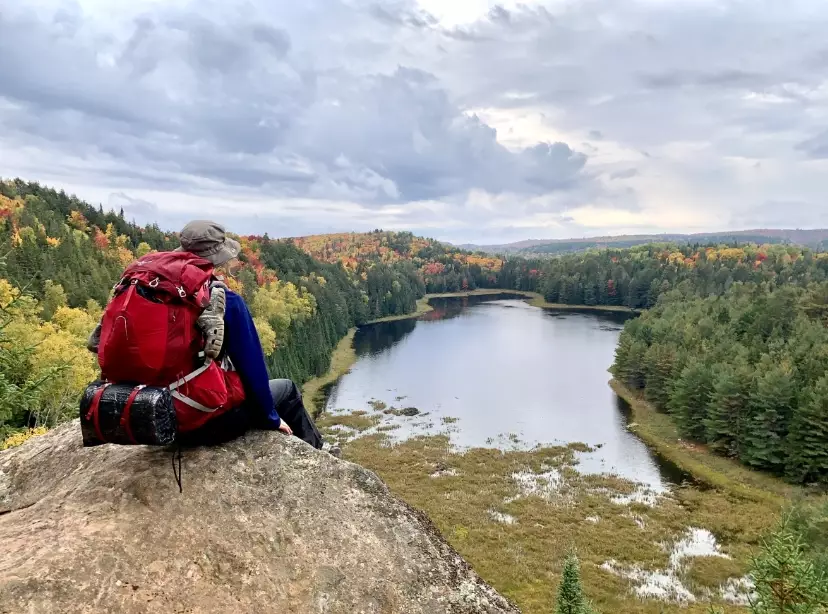
Leave No Trace, For Real: This isn't just a slogan. Pack out all trash, including toilet paper (use a baggie). Camp on durable surfaces, at least 200 feet from water. Use established fire rings or go stoves-only. Bury human waste 6-8 inches deep in a cathole. I've seen too many beautiful spots marred by TP flowers and fire scars. Don't be that person.
Safety Brief: File a trip plan with someone. Check weather relentlessly before and be ready to bail. Know basic first aid. Animal safety is about proper food storage – always use a bear canister or hang where required. A startled bear is one thing; a bear that learns to associate backpacks with snacks is a dead bear.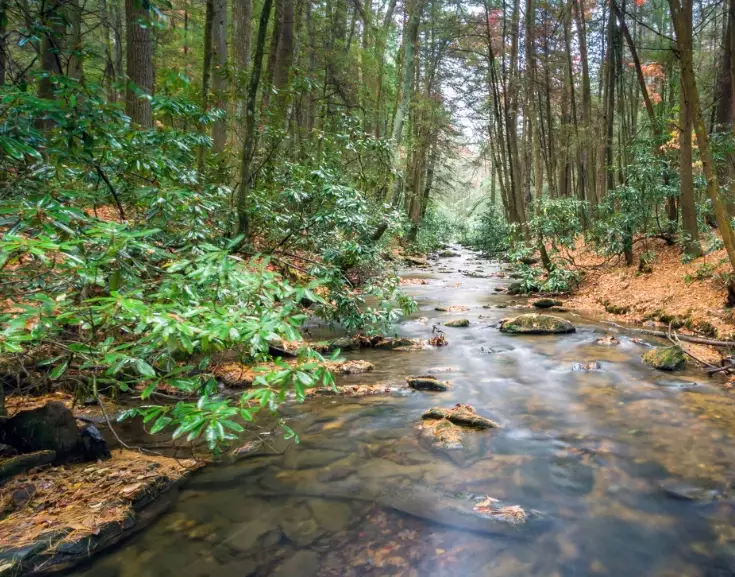
A Snapshot of Top US Trails for Camping
To give you concrete ideas, here’s a look at a few standout camping hiking trails across the U.S. This isn't a ranked list, but a showcase of different styles.
| Trail Name (Location) | Key Details | Why It's Great for Camping | Permit & Planning Notes |
|---|---|---|---|
| High Sierra Trail (Sequoia & Kings Canyon NP, CA) | ~72 miles one-way, 6-8 days. Crosses the Sierra Nevada from west to east. | Ephetic alpine scenery: giant sequoias, high passes (over 11,000 ft), alpine lakes. Well-established campsites near water sources. | Requires a wilderness permit. Highly competitive. Apply early (March) via recreation.gov. Bear canister required. |
| Wonderland Trail (Mount Rainier NP, WA) | 93-mile loop around Mount Rainier. Typically takes 10-14 days. | Constantly changing views of the mountain. Dozens of designated campsites with ranger patrols. A classic, well-maintained trail. | Extremely competitive lottery system (March). You must specify your nightly campsites. Self-issue permit for walk-ups is very rare. |
| Art Loeb Trail (Pisgah NF, NC) | 30.1 miles point-to-point, 2-4 days. In the Blue Ridge Mountains. | Accessible East Coast adventure. Rugged terrain, beautiful balds with open camping. More flexible than national parks. | Free, self-service permit available at trailheads. Dispersed camping allowed in many sections (follow LNT!). Easier to plan last-minute. |
| West Coast Trail (Pacific Rim NP, BC, Canada) | 47 miles, 5-7 days. On Vancouver Island's rugged west coast. | A unique coastal experience: ladders, cable cars, beach camping, tidal planning. Managed cabins and rangers. | Reservations open in January and sell out fast. Mandatory orientation. Requires planning around tides. Not in US, but a must-mention classic. |
Expert Tips and Common Beginner Mistakes
After hundreds of nights out, here’s what most guides won't tell you.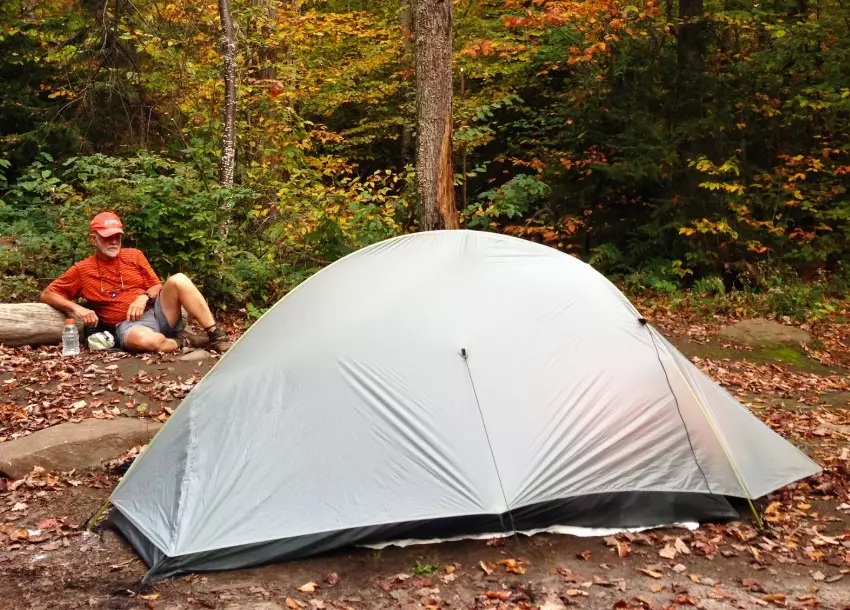
Break in Your Boots AND Your Socks: Blisters come from friction. Wear the exact sock system you plan to hike in on multiple training walks. A liner sock under a wool hiking sock is a game-changer.
The First Night's Camp is the Hardest: Plan a shorter first day. You're tired, unpacking is chaotic, and you're figuring out your new routine. A low-mileage day eases you in.
Pack Your Fears, Then Question Them: New backpackers overpack clothes. You need one set to hike in (quick-dry), one set to sleep in (clean, warm), and a rain layer. That's it. Extra jeans or cotton hoodies are dead weight.
The Subtle Mistake: Campsite Selection. Everyone wants the picture-perfect spot right by the lake. That's often the worst place. It's colder (cold air sinks), more humid, and ecologically fragile. Camp at least 200 feet away on a durable surface. You'll sleep warmer and protect the shoreline.
Food Fatigue is Real: By day three, another dehydrated pasta meal might make you gag. Pack one "luxury" item – a packet of olive oil, some good cheese, a Snickers bar. The mental boost is worth the ounces.