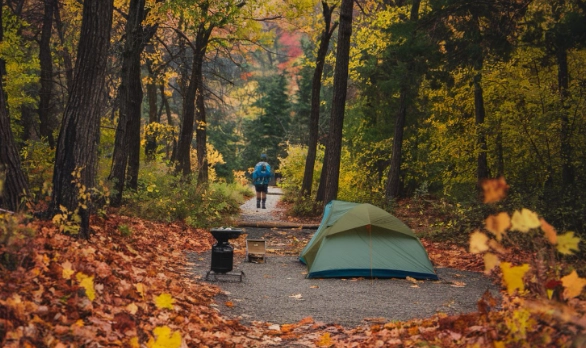
You know that feeling when you're out in the woods before dawn, the air is crisp, and everything is quiet? It's just you, your gear, and the hope of a successful hunt. It's easy to get caught up in the excitement, the challenge, the pursuit. But over the years, I've learned—sometimes the hard way—that the hunt itself is only part of the story. The real foundation, the thing that separates a mindful hunter from just someone with a rifle, boils down to a simple framework. It's a question I get asked a lot by folks new to the sport: what are the four C's of hunting?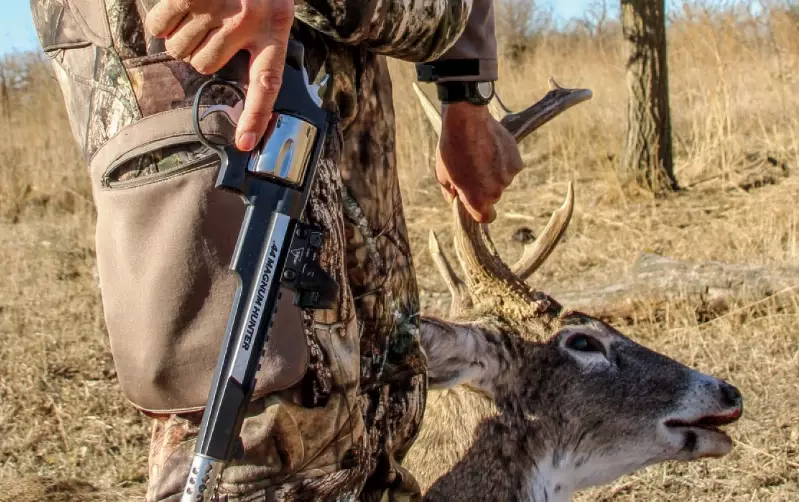
Quick Guide
- The First C: Careful (This One's Non-Negotiable)
- The Second C: Considerate (It's Bigger Than Just People)
- The Third C: Capable (Skill is Your Responsibility)
- The Fourth C: Courteous (Your Reputation Precedes You)
- How the Four C's Work Together: A Real-World Scenario
- Common Questions About the Four C's of Hunting
- My Final Take: Why This Matters More Than Ever
It sounds almost too simple, right? Four words starting with C. But don't let the simplicity fool you. This isn't some catchy slogan dreamed up by a marketing team. It's a distilled, time-tested code of conduct that covers everything from not accidentally shooting your buddy to making sure you leave the woods in better shape than you found them. It's about safety, sure, but it goes way deeper into ethics, skill, and plain old respect.
I remember early on, I was so focused on being "capable"—hitting the target, tracking game—that I completely overlooked being "considerate." I took a shot that was technically within my skill range, but it spooked a whole bunch of other hunters in the adjacent public land area. I got the deer, but the dirty looks and muttered comments at the check station taught me a lesson no manual ever could. That's the thing about the four C's. They work together. Miss one, and the whole thing feels off.
Let's break them down, not as rigid rules, but as the guiding principles they are. This is the stuff they should teach on day one, but often gets glossed over in favor of flashier topics. If you're wondering what are the four C's of hunting and how to actually live by them, you're in the right place.
The First C: Careful (This One's Non-Negotiable)
This is the big one. The foundation. Being careful is about treating every firearm as if it's loaded, every direction as a potential direction for another person, and every moment in the field as a moment where safety is priority number one. It's proactive, not reactive.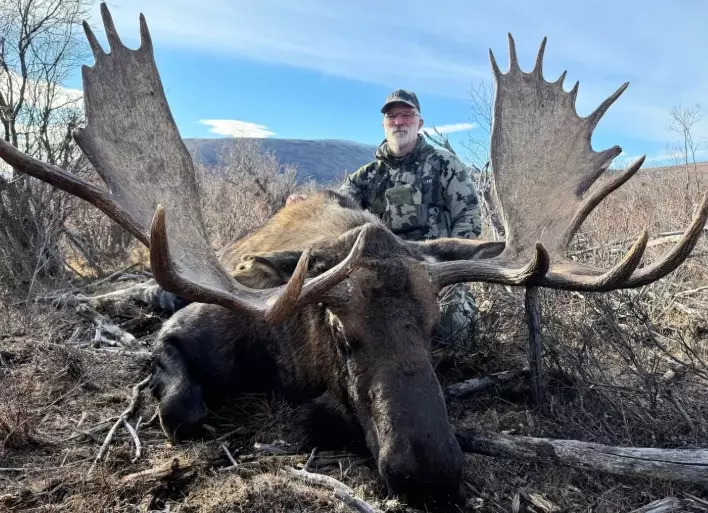
Careful means muzzle awareness, always. It means knowing your target and what's way beyond it. It's checking and re-checking your equipment before you even leave the house. A frayed sling, a loose scope mount, a sticky safety—these aren't minor annoyances; they're accidents waiting to happen. I've seen a guy nearly have a heart attack when his ancient safety failed and the gun discharged into the dirt (thankfully) while he was climbing a fence. That's a failure of "Careful" at the maintenance stage.
But careful extends beyond gear. It's about your physical state too. Hunting while exhausted, overly stressed, or under the influence is a recipe for disaster. Your judgment is your most important piece of equipment, and it needs to be in working order.
What "Careful" Looks Like in Action
- Zone of Fire: Mentally drawing an absolute, non-negotiable safe arc for your muzzle. In a group, this is communicated clearly before any action.
- The Unload Ritual: When crossing an obstacle, coming into camp, or handing your firearm to someone, you physically and visually confirm the chamber is empty. Every. Single. Time.
- Planning Your Hunt: Telling someone your detailed plan, including entry/exit points and expected return time. It's not just careful for you; it's considerate for the people who might have to come looking.
Honestly, some of this feels like overkill until the day it isn't. The woods are unpredictable. Your careful habits are what keep unpredictable from becoming tragic. So when people ask me to explain the four C's of hunting, I always start here. Without "Careful," nothing else matters.
The Second C: Considerate (It's Bigger Than Just People)
This is where hunting philosophy really starts. Being considerate is about recognizing that you are a guest in the natural world and a member of a community of outdoor users. It's about minimizing your impact and maximizing your respect.
First, considerate to the animal. This is the heart of ethical hunting. It means pursuing a quick, clean harvest to avoid unnecessary suffering. It means practicing until you are confident in a lethal shot. It also means understanding the animal's biology and behavior—not just to hunt it better, but to respect it more. Wasting game is the ultimate failure of consideration. Using as much of the animal as possible, or ensuring it goes to use through legitimate means if you can't, is a fundamental responsibility.
Second, considerate to other people. This includes other hunters, hikers, bird watchers, landowners—anyone you might encounter. Don't spoil someone else's hunt by carelessly wandering through their area. Keep noise down. If you're on private land (with permission, of course), leave gates as you found them, don't damage crops, and thank the landowner. The future of hunting access depends on this.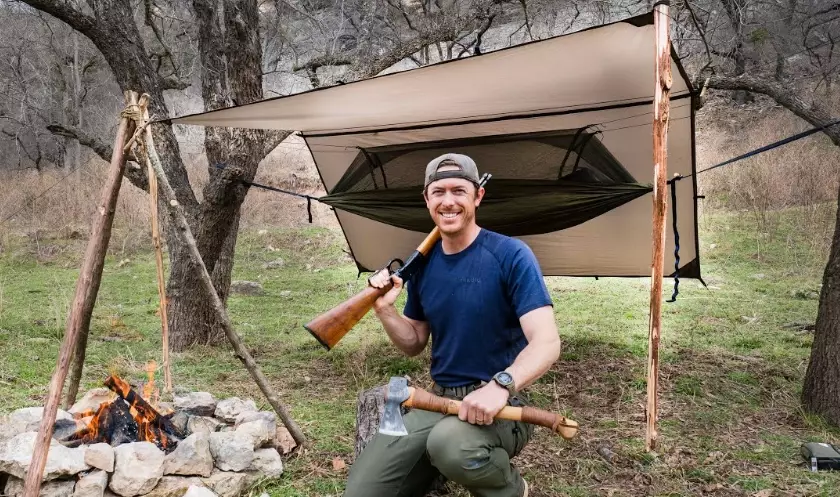
Third, considerate to the land itself. Follow Leave No Trace principles. Stay on trails where appropriate. Don't cut live branches for blinds when deadfall is available. Avoid sensitive areas like wetlands. We're stewards, not conquerors.
The Third C: Capable (Skill is Your Responsibility)
This C is all about competence. It's the honest self-assessment every hunter needs to make. Are you actually capable of making the shot you're about to take? Not on a calm, sunny day at the range, but right now, with an elevated heart rate, in low light, from an awkward position, at the real distance to the animal?
Being capable means putting in the work before the season. It's hours at the range, knowing your firearm's ballistics cold. It's practicing from shooting sticks, from kneeling, from sitting—not just off a bench. It's understanding animal anatomy so you can place a shot for a quick harvest. I've passed on more shots than I've taken because, in that moment, I knew I wasn't fully capable of guaranteeing the outcome. It stings in the moment, but you sleep better at night.
But capability goes beyond marksmanship. It includes:
- Woodsmanship: Can you navigate without your phone? Read sign? Track a wounded animal effectively?
- Survival Skills: Do you know how to handle basic first-aid, start a fire in the rain, or signal for help? The US Forest Service has great resources on what to do if you get lost, which is a key part of being a capable outdoorsperson.
- Game Recovery & Processing: Can you field dress an animal efficiently and respectfully? Do you have a plan for getting it out of the woods and to a processor or your own cooler?
Let's be real here. The hunting industry sells us on the idea of capability through gear. A new rifle, a better scope, the latest camo pattern. And while good gear helps, true capability is internal. It's skill, knowledge, and judgment. It's what allows you to be both Careful and Considerate effectively.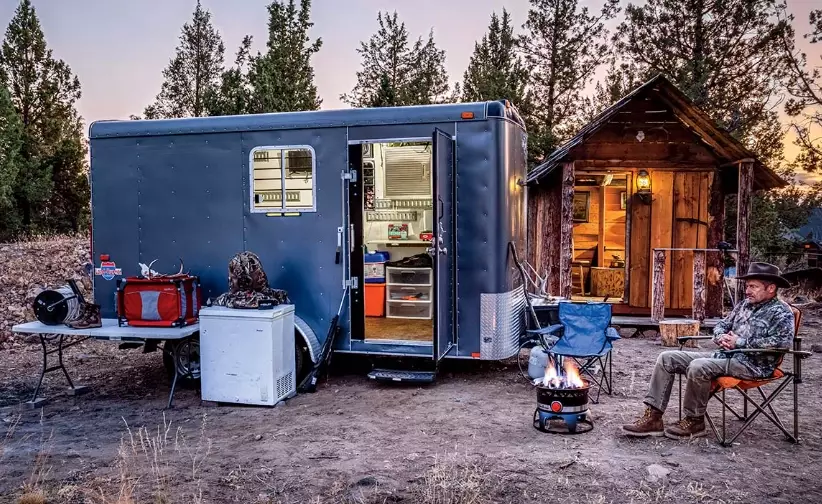
A Quick Capability Checklist for Common Game
| Game Animal | Key Capability Focus | Common Pitfall to Avoid |
|---|---|---|
| White-tailed Deer | Shot placement on a quartering target; tracking in dense cover. | Taking a risky shot at a deer facing directly away or toward you. |
| Elk | Understanding wind direction over long distances; physical stamina for packing out heavy quarters. | Underestimating the animal's toughness; poor shot placement on a much larger vital zone. |
| Upland Birds (Pheasant, Grouse) | Safe swing and lead on a flushing bird in a group; dog handling (if using one). | Swinging through a hunting partner's zone; shooting at low-flying birds without a safe backdrop. |
| Waterfowl (Ducks, Geese) | Identification skills (staying within bag/species limits); shooting from a confined blind. | Shooting at birds out of range, leading to wounding loss; unsafe gun handling in a crowded blind. |
The Fourth C: Courteous (Your Reputation Precedes You)
Courtesy is the public face of the other three C's. It's how you represent not just yourself, but the entire hunting community. In an era where public perception matters more than ever, being courteous is a survival skill for the sport itself.
This means simple things, like waving back at a hiker, even if they look disapproving. Offering to help another hunter drag out their game. Not crowding someone else's spot on public land. Speaking respectfully to game wardens—they have a tough job, and most are hunters themselves. The International Hunter Education Association (IHEA) emphasizes hunter responsibility as a core tenet, and a big part of that responsibility is being a good ambassador.
Courtesy also applies online. The hunting forums and social media groups can be toxic. Disagreeing respectfully about gear, tactics, or regulations, without attacking someone personally, is a lost art. How we talk to each other matters just as much as how we act in the field.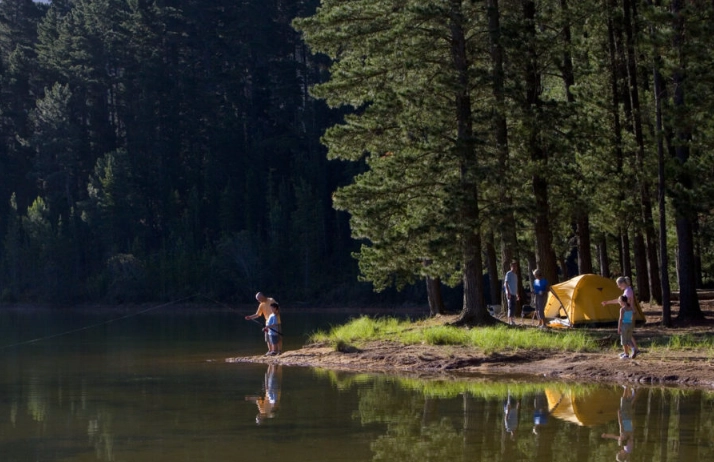
And let's talk about sharing the harvest. Offering some venison sausage to a curious neighbor who's never tasted it does more for hunting's image than a thousand magazine ads. It builds bridges. It creates understanding. That's courtesy in its most powerful form.
How the Four C's Work Together: A Real-World Scenario
Let's say you're deer hunting. You see a nice buck, but it's standing near a property line you're not 100% sure about.
- Careful: You positively identify your target and know exactly what's behind it. You also know that shooting near an unclear boundary is risky.
- Considerate: You consider the landowner's rights and the potential for the animal to run onto property where you can't retrieve it, leading to waste.
- Capable: You assess the shot. It's within range, but the angle is slightly quartering-to. You've practiced this shot and know your bullet's penetration on that angle.
- Courteous: Even if you decide to take the shot and are successful, you immediately go to the neighboring landowner (if known) to inform them respectfully, in case the deer crossed over.
See how they intertwine? A decision based on just one or two of the C's might lead to a bad outcome. All four together guide you to the right choice, even if the "right choice" is letting that buck walk. That's the power of understanding what are the four C's of hunting. It's a decision-making framework.
Common Questions About the Four C's of Hunting
My Final Take: Why This Matters More Than Ever
Look, hunting faces challenges. Land access is shrinking. Public opinion is often skeptical. The way we ensure hunting has a future isn't just by fighting political battles (though that's part of it). It's by how each one of us acts, every single time we go out.
The four C's of hunting aren't a constraint. They're a liberation. They free you from doubt and regret. They make you a better hunter, a better steward, and a better representative of a tradition that goes back thousands of years.
If you can answer yes to all four, you're not just going hunting. You're doing it right. And that's something to be proud of.
Pass it on. When you mentor someone, teach them the four C's. When you see another hunter doing something right, acknowledge it. This code only works if we all buy in. And frankly, our future in the woods depends on it.