Quick Navigation for Hot Weather Camping
Let's be honest. The idea of camping in hot weather can sound less like a relaxing getaway and more like a sweaty, miserable test of endurance. I've been there – waking up in a tent that felt like a sauna, scrambling for shade at noon, and drinking warm water because my cooler failed. Not fun.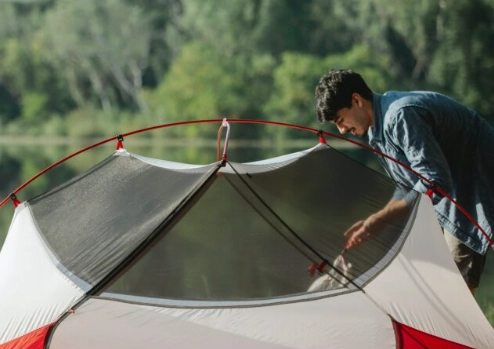
But here's the thing. It doesn't have to be that way. With the right hot weather camping gear, you can actually enjoy the long days, starry nights, and freedom of a summer trip without feeling like you're constantly melting. The trick is knowing what to bring and, just as importantly, what to leave behind.
This guide isn't just a list of products. It's a breakdown of the principles behind staying cool, safe, and comfortable. We'll move beyond the basics and look at how to adapt your entire approach to camping when the thermometer climbs.
What Makes Hot Weather Camping Gear Different?
You can't just grab your standard backpacking kit and head into a heatwave. The core philosophy shifts. For cold weather, it's all about insulation and heat retention. For hot weather camping gear, the keywords are ventilation, moisture management, sun protection, and hydration.
Think of it as building a personal climate control system. Your shelter needs to breathe. Your clothes should wick sweat away, not trap it. Your sleep system should be minimal but still provide a barrier. Everything needs to work together to help your body's natural cooling mechanisms do their job.
And it's not just about comfort – it's a safety issue. According to the National Park Service, heat-related illnesses are a significant risk for outdoor recreationists. The right gear is your first line of defense.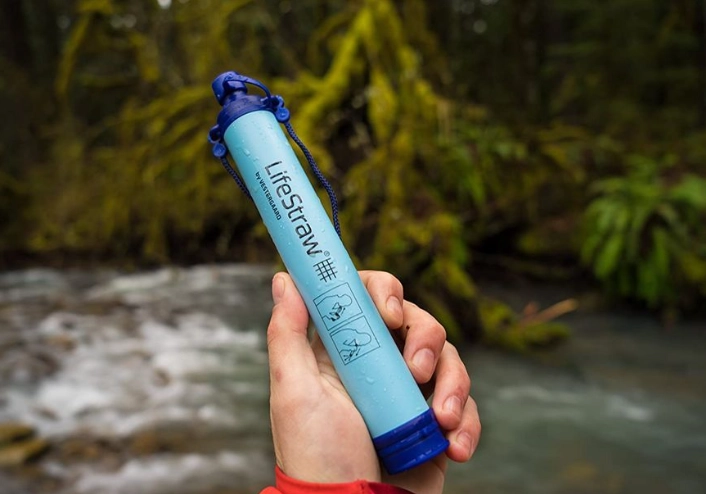
Building Your Core Hot Weather Camping Gear List
Let's get into the nitty-gritty. We'll break this down by category, because a system is only as strong as its weakest link.
Your Shelter: More Than Just a Tent
This is your biggest piece of hot weather camping gear and your main defense against the sun. The wrong choice can ruin your trip.
Ventilation is King. Look for tents with large mesh panels, multiple doors, and rainflies that can be pitched high or even partially staked out to create an air gap. Full-coverage rainflies made of dark fabric are heat magnets in the sun. A tent with a mostly mesh body and a light-colored, reflective rainfly is ideal. Some manufacturers even use special reflective materials on their fly sheets to bounce away solar radiation.
Consider a footprint. Not just to protect the tent floor, but to allow you to pitch the tent without the fly on clear nights for maximum stargazing and airflow (just check the weather forecast first!).
Don't underestimate the humble tarp. A simple, lightweight tarp strung up over your picnic table or tent can drop the temperature in that spot by 10-15 degrees Fahrenheit by creating shade. It's one of the most effective and versatile pieces of hot weather camping gear you can own.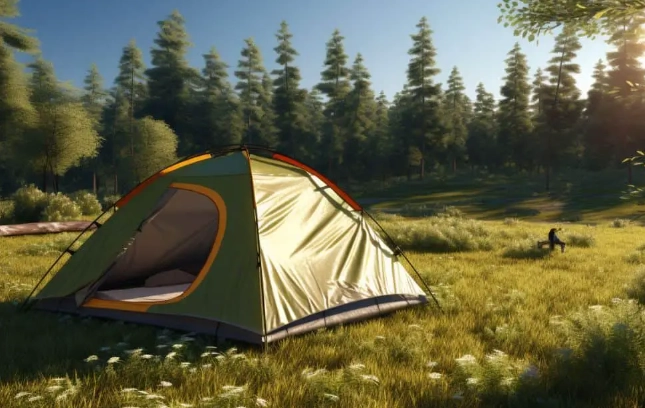
Sleep System: Forget the Mummy Bag
Your cozy winter sleeping bag is the enemy here. You need options that allow heat to escape.
- The Sleeping Bag Liner: A simple, lightweight silk or cotton liner is often all you need on a warm night. It provides a clean barrier and a touch of warmth if there's a slight chill.
- The Quilt or Blanket: These are fantastic because they cover you but allow your sides to vent. A lightweight down or synthetic quilt gives you flexibility. Sometimes, just a fleece blanket or even a large cotton sheet is perfect.
- The Sleeping Bag as a Quilt: Most modern sleeping bags have a full-length zipper. Just unzip it completely and use it like a blanket. Simple, but effective.
Your sleeping pad matters too. While insulated pads (high R-value) are for cold, you might want a pad with a lower R-value for summer. Some campers even use simple foam pads or air pads with less insulation. The key is having a barrier between you and the ground, which can get surprisingly cool at night even after a hot day.
Clothing: Dressing Smart for the Heat
This is where most people go wrong. Cotton is comfortable until you sweat, then it becomes a cold, wet rag that sticks to you. For active hot weather camping, you need technical fabrics.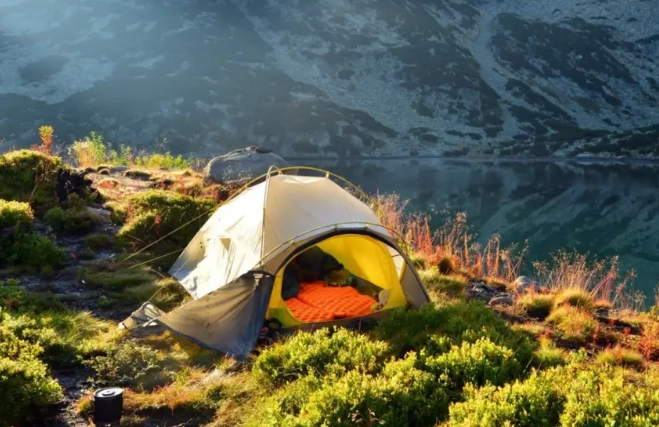
The Magic of Moisture-Wicking: Look for shirts, pants, and underwear made from polyester, nylon, or merino wool. Merino is a personal favorite – it wicks brilliantly, doesn't hold odors, and feels soft against the skin. It's worth the investment for a base layer.
Loose and Light-Colored is Right: Tight clothing restricts airflow. Baggy, breathable clothing allows air to circulate over your skin, aiding evaporation. Light colors reflect sunlight; dark colors absorb it. It's basic science, but you'd be surprised how many people hike in black t-shirts.
Sun Protection is Non-Negotiable: A long-sleeved, lightweight sun hoody is arguably the single best piece of hot weather clothing you can buy. It protects your arms and neck without needing constant sunscreen reapplication. Pair it with a wide-brimmed hat (not a baseball cap) that shades your face, ears, and neck.
For pants, convertible zip-offs are incredibly practical. Cool mornings and evenings? Wear them as pants. Hot midday hike? Zip off the legs. The Outdoor Industry Association has great resources on sun protection for outdoor recreation that reinforce this clothing-first approach.
And shoes? Breathable trail runners over heavy waterproof boots, every time. Unless you're expecting constant marshland, let your feet breathe.
Hydration & Cooking: Keeping Cool and Simple
You'll be drinking a lot. The CDC recommends drinking before you feel thirsty when active in heat. Your water needs can double or triple.
- Water Capacity: Have a way to carry and store plenty of water. A 3-liter hydration bladder in your pack is a game-changer for hiking. At camp, large, collapsible water containers are key.
- Water Treatment: A reliable filter or purification tablets means you can refill from natural sources, reducing what you have to carry in.
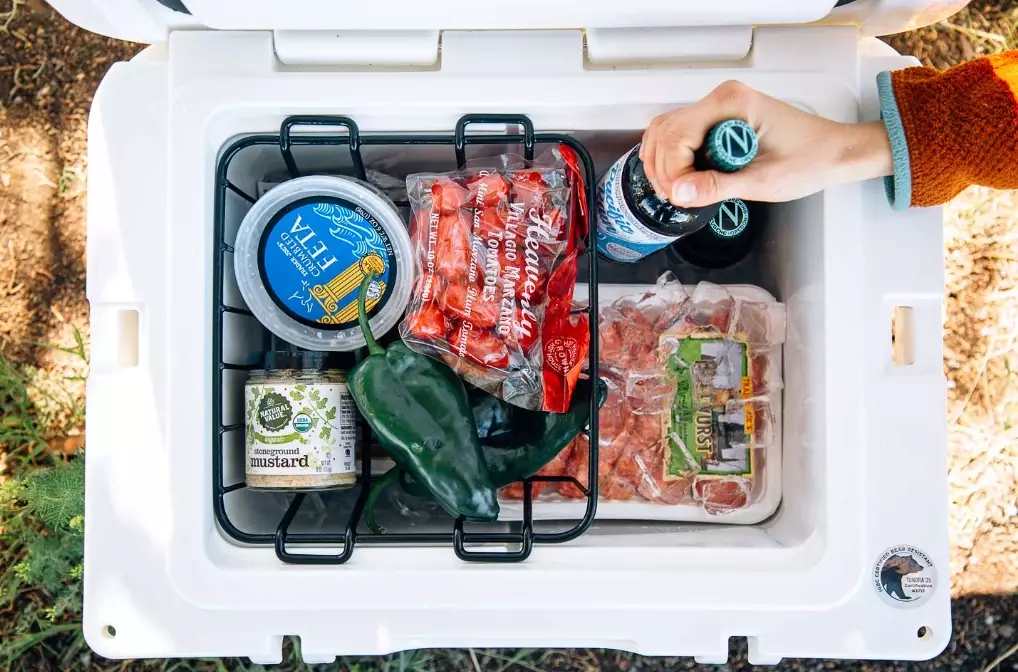
- Insulation: A simple insulated bottle sleeve can keep your water bottle cooler for hours. For camp, a high-quality cooler is worth its weight. Look for models with thick insulation and a good seal. Pre-chill it and your food/drinks before the trip. Use block ice – it lasts far longer than cubes.
Cooking? Think no-cook or minimal-cook meals to avoid standing over a stove. Salads, wraps, cold cuts, and pre-cooked grains are your friends. If you do cook, a simple canister stove that boils water quickly is better than a complex system.
The Ultimate Hot Weather Camping Gear Checklist
Here’s a consolidated table to help you pack. Think of it as a menu – you don't need every item, but it covers the essentials for a safe and comfortable trip.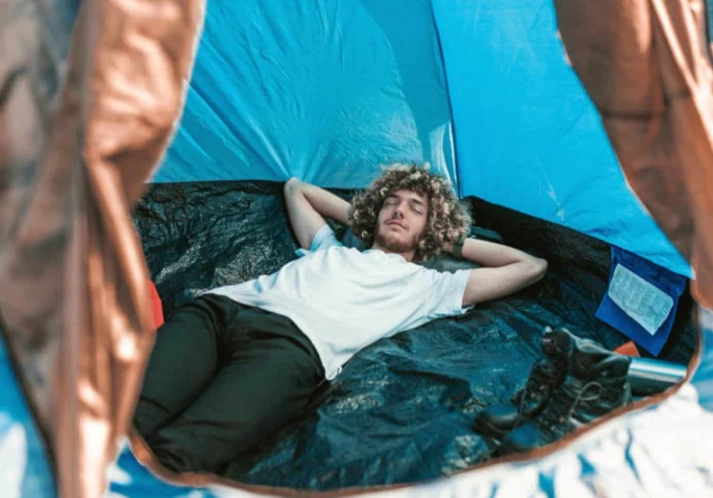
| Category | Essential Items | Pro-Tip / Why It Matters |
|---|---|---|
| Shelter & Sleep | Ventilated tent or hammock, tarp for shade, footprint, sleeping bag liner or lightweight quilt, sleeping pad (moderate R-value) | Pitch your tent in late afternoon shade if possible. Set up the tarp first to have a cool area to work. |
| Clothing | Moisture-wicking shirts & underwear, long-sleeve sun hoody, lightweight/convertible pants, wide-brim hat, sunglasses, breathable socks & trail runners, swimsuit | Pack a dedicated set of “sleep clothes” that are clean, dry, and only worn in the tent. It's a luxury that feels amazing. |
| Hydration | Hydration bladder (2-3L), insulated water bottles, water filter/purifier, large collapsible water container, high-quality cooler, electrolyte mix | Add a pinch of salt and a squeeze of lemon to your water for a natural electrolyte boost. Monitor your urine color. |
| Cooking & Food | Simple stove, fuel, pot, spork, cooler with block ice, no-cook meal options, reusable containers | Freeze your own water bottles to use as ice blocks. They melt into drinking water. |
| Health & Safety | High-SPF, broad-spectrum sunscreen, lip balm with SPF, insect repellent, basic first-aid kit, emergency whistle, headlamp, battery pack | Apply sunscreen 30 mins before sun exposure and reapply every 2 hours, more if swimming or sweating. |
| Comfort & Extras | Camp chair, microfiber towel, battery-powered fan, bandana (soak in water for instant cool), book, cards | A small USB fan hanging in your tent at night can make a huge difference in airflow and comfort. |
Advanced Tips & Tricks for Beating the Heat
Once you have the core hot weather camping gear sorted, these strategies can elevate your comfort.
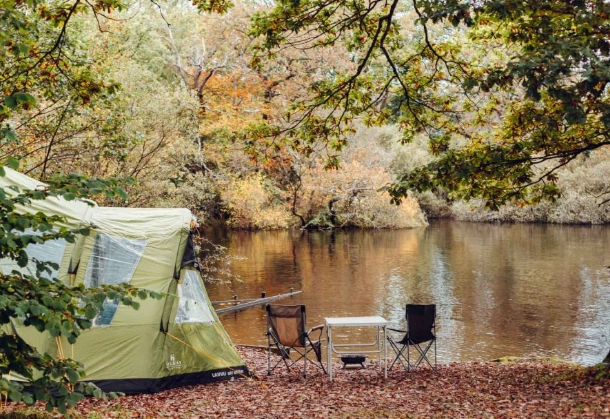
Master Your Campsite Selection: This is huge. If you can, choose a site with natural afternoon shade from trees. Look for proximity to water (not just for drinking, but for the cooling effect). A slight breeze is your friend—avoid completely enclosed valleys that can trap hot, stagnant air. Pitch your tent with the doors facing the prevailing breeze to create a tunnel cooling effect.
Embrace the Siesta: Plan your day like many cultures in hot climates do. Be active in the cool early morning and late evening. During the peak heat of the day (roughly 11 am to 4 pm), this is your time to relax in the hammock under the tarp, read, or play games in the shade. Forcing a big hike at noon is a recipe for exhaustion.
The Power of Evaporative Cooling: A simple bandana is a multi-tool. Soak it in cold water and tie it around your neck (over major blood vessels). The evaporation provides a continuous cooling effect. You can do the same with your sun hoody – get it wet. It feels incredible while it dries.
Cooling Your Core: Placing cool water bottles or a cold, damp towel on pulse points like your wrists, neck, and temples can help lower your body temperature quickly. It's a first-aid trick for overheating that works great for comfort too.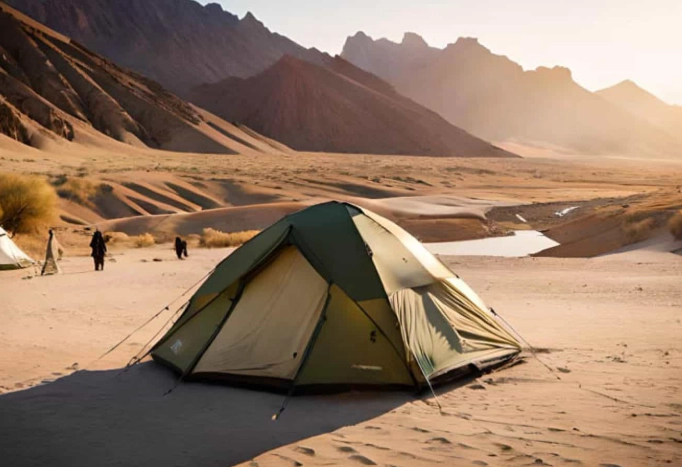
Common Hot Weather Camping Gear Questions Answered
Is a hammock better than a tent for hot weather?
Often, yes. A hammock provides 360-degree ventilation—you're suspended in the air, so you catch any breeze. You also don't have a tent body trapping radiant heat from the ground. The catch? You need trees (or a stand), and you still need a tarp overhead for rain and sun protection. And you have to get the insulation underneath right (an underquilt), which can be tricky in heat. For pure airflow, it's hard to beat a good hammock setup.
What's the best fabric for hot weather camping clothes?
It's a debate. Merino Wool (lightweight, 150gsm or less) is fantastic: temperature-regulating, odor-resistant, wicks well. It's expensive but durable. Polyester/Nylon Blends are the workhorses: cheap, quick-drying, and widely available. Some can feel plasticky and hold odors more. Newer polyesters with odor-control treatments are better. Linen or Bamboo are great for around camp: super breathable and natural, but they can be slow to dry. My take? Merino for base layers, a good poly blend for active sun shirts, and something loose and natural for camp lounging.
How do I keep food cold without a giant, heavy cooler?
This is a real challenge. The pro move is to use two coolers. One small, high-quality “day cooler” for drinks and food you'll access frequently. This one stays sealed as much as possible. A larger, less expensive cooler holds the bulk of your food and extra ice, opened only once or twice a day. Pre-chill everything. Use block ice or frozen gallons of water. Keep coolers in the shade, covered with a blanket or sleeping bag for extra insulation. And plan your menu so the most perishable items are eaten first.
Are battery-powered fans worth the weight?
For car camping, absolutely. A small, rechargeable fan can stir the air in your tent at night, keeping mosquitoes away and making sleep possible. For backpacking, the weight is harder to justify, but a tiny USB fan on a power bank might be a sanity-saving luxury on a brutally still night. I didn't used to carry one, but after a few stifling nights, I've become a convert for certain trips.
What's the one piece of hot weather camping gear most people forget?
Electrolytes. You're sweating out salt, potassium, and magnesium. Just drinking plain water can sometimes lead to hyponatremia (water intoxication), where your body's sodium levels get dangerously diluted. Pack some electrolyte tablets or powder to add to your water once or twice a day, especially after heavy sweating. It prevents cramps, headaches, and that general “wiped out” feeling.
Wrapping It Up: The Mindset for Hot Weather Camping
Getting your hot weather camping gear dialed in is 90% of the battle, but the final 10% is your mindset. Slow down. Listen to your body. If you feel a headache, dizziness, nausea, or stop sweating, those are warning signs of heat exhaustion. Get to shade, drink cool water with electrolytes, and cool your skin immediately.
Respect the sun. It's powerful. The right gear—a hat, a shirt, sunscreen—isn't optional; it's your daily armor.
Ultimately, the goal is to enjoy the unique pleasures of summer camping: swimming in lakes, staying up late in the twilight, and feeling the warmth of the sun without being defeated by it. By carefully selecting your hot weather camping gear and planning with the heat in mind, you transform a potential ordeal into an incredibly rewarding adventure.
Now get out there, stay cool, and make some memories (the good, non-sweaty kind).