Cold weather camping isn't about suffering through the night. It's about quiet forests, crisp air, and stars that feel close enough to touch. It's achievable for anyone, but you can't just throw your summer gear in the car and hope for the best. Getting it wrong isn't just uncomfortable—it's dangerous. I learned that the hard way on an early November trip where my "3-season" sleeping bag felt like a paper sack. Let's make sure that doesn't happen to you.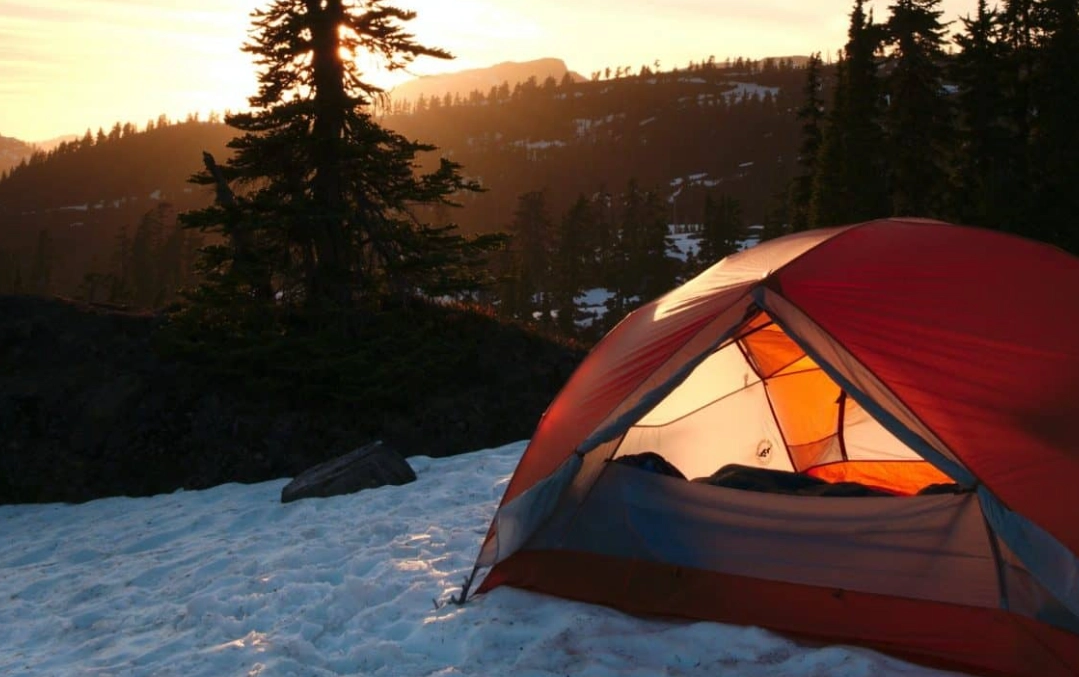
What You'll Find in This Guide
How to Dress for Cold Weather Camping: The Layering System Explained
Forget the bulky ski jacket. The secret to staying warm is layers—multiple thin ones that trap air and manage moisture. Cotton is your enemy. Once it gets wet (from sweat or snow), it loses all insulating power and sucks heat from your body. Just don't pack it.
The Three-Layer Rule (And Why It Works)
Base Layer: This is your second skin. Its job is to wick sweat away. Merino wool is the gold standard—it insulates even when damp and resists odors. Synthetic fabrics like polyester work well too, and they're often cheaper. Go for a snug fit.
Mid Layer: This is your primary insulation. Fleece jackets, down vests, or synthetic insulated jackets. I always carry two: a light fleece for active moments and a puffy jacket for when I stop moving. Down is incredibly warm for its weight but useless if wet. Synthetic insulation (like PrimaLoft) retains some warmth when damp, a key safety feature.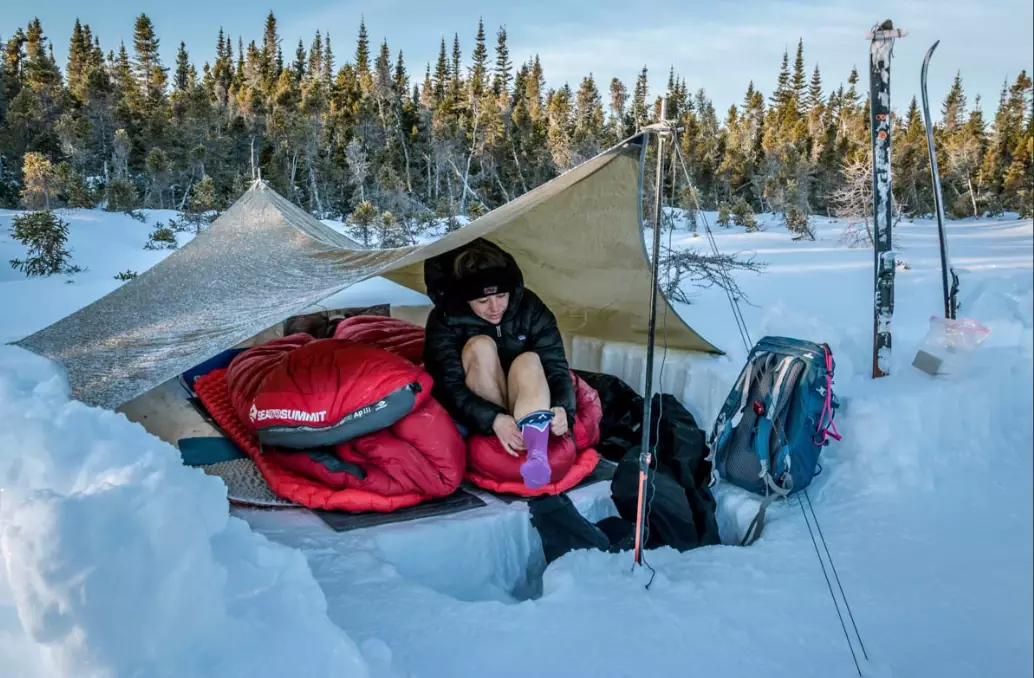
Shell Layer: This is your armor against wind, rain, and snow. A waterproof and breathable hardshell jacket and pants are essential. Look for robust zippers and sealed seams. Don't skimp here; a leaky shell can ruin your trip.
Pro Tip: Your extremities lose heat fastest. A warm hat is non-negotiable—you can lose up to 50% of your body heat through your head. Invest in insulated, waterproof boots rated for well below the temperatures you expect. Wear liner socks under thick wool socks, and always have multiple dry pairs.
Cold Weather Camping Gear: The Non-Negotiable Checklist
Your summer tent and sleeping bag won't cut it. Winter gear is about creating a warm, stable microclimate around you. Here’s where to focus your budget and attention.
Sleep System: Your Mobile Burrito of Warmth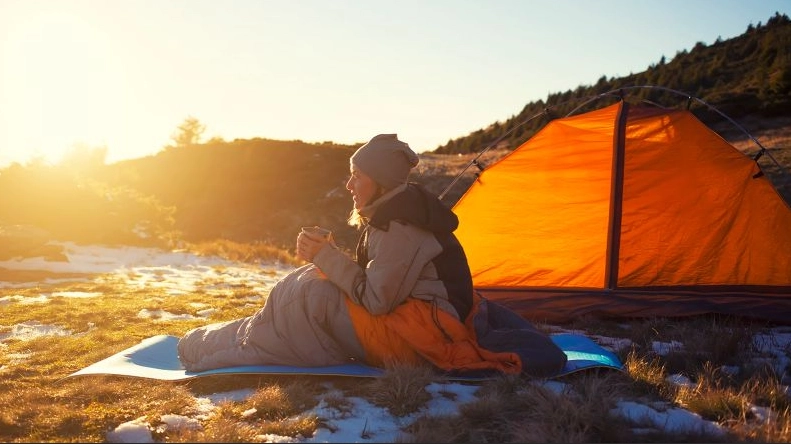
This is the most critical system. It has two parts: insulation below you and insulation around you.
Sleeping Pad: The ground is a massive heat sink. Your sleeping bag's insulation gets compressed underneath you, rendering it useless. You need a pad with a high R-value (a measure of thermal resistance). For freezing temps, aim for an R-value of 5 or higher. Many winter campers use two pads: a closed-cell foam pad (indestructible, R-value ~2) underneath an inflatable insulated pad (R-value ~4-6).
Sleeping Bag: Get a bag rated for temperatures at least 10°F (6°C) colder than the lowest temperature you expect. Ratings are for survival, not comfort. Fill power matters. Here’s a quick breakdown:
| Fill Type | Best For | Biggest Drawback | My Take |
|---|---|---|---|
| Down (Goose/Duck) | Extreme cold, dry climates, backpackers (light & packable). | Loses all insulation when wet. Expensive. | My go-to for dry, cold trips. The warmth-to-weight ratio is unbeatable. |
| Synthetic (PrimaLoft, Thermolite) | Damp climates, coastal camping, budget-conscious campers. | Bulkier, heavier, less packable than down. | Essential for trips where wet conditions are a real risk. It's your safety net. |
| Water-Resistant Down | The best of both worlds? Humid cold, variable conditions. | Still not as warm when soaked as synthetic. Premium price. | A great investment if you camp in diverse conditions often. |
Shelter, Cooking, and Light
Tent: A 4-season or mountaineering tent is built to handle snow load and high winds. They have more poles, less mesh, and stronger fabrics. A good 3-season tent with a full-coverage rainfly can work in mild winter conditions, but you're taking a risk. Ventilation is paradoxically more important in winter to reduce condensation, which will freeze inside your tent.
Stove: Canister stoves with standard butane/propane mixes fail in cold weather (the gas won't vaporize). Use a stove designed for winter: a white gas (liquid fuel) stove like the MSR WhisperLite, or a canister stove with a regulator and a fuel mix high in propane (like MSR IsoPro). Always keep your fuel warm—sleep with the canister in your bag.
Lighting: Headlamps are crucial. Days are short. Bring extra batteries, as cold drains them rapidly. Keep spinners in an inner pocket to keep them warm.
Choosing and Setting Up Your Winter Campsite
Location is everything. You're not just looking for a flat spot.
Wind Protection: This is your top priority. A dense stand of trees is better than an open, scenic ridge. Set your tent with the smallest side (usually the back) facing the prevailing wind direction.
Sun Exposure: A spot that gets morning sun will warm up faster, making breakfast more pleasant and helping melt frost off your tent.
Avalanche & Hazard Safety: Never camp at the base of steep slopes or under cornices. Check avalanche forecasts from regional authorities like the American Avalanche Association if in mountainous terrain.
Setting Camp: Pack down the snow where you'll pitch your tent and sleep. Let it sinter (set) for 15-20 minutes before setting up. It creates a more stable platform. Use all guy lines and stakes—snow stakes or deadman anchors (burying stuff sacks filled with snow) are necessary. As soon as your tent is up, get your sleep system inside and unrolled so it starts lofting.
Critical Safety Note: Never cook inside your tent. The risk of carbon monoxide poisoning and fire is extreme. Cook in the vestibule with the door open, or better yet, in a separate, sheltered spot outside. A small tarp can create a cooking area.
Safety, Hygiene, and Not Freezing Your Toes Off
Cold weather camping requires a different mindset. Everything is about moisture and heat management.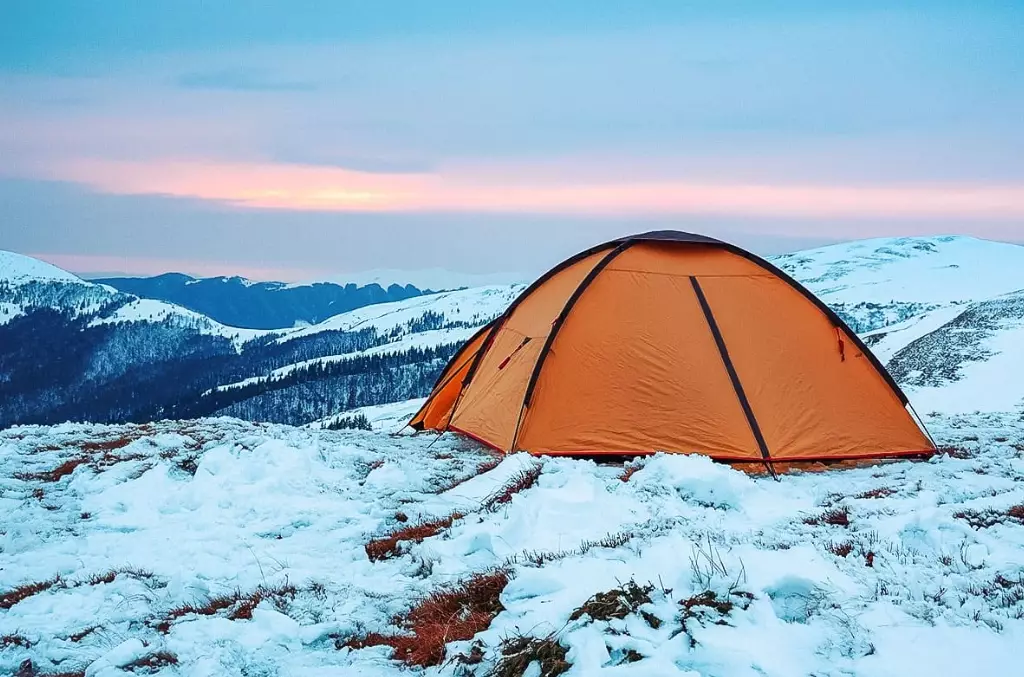
Hydration and Food: Your body burns more calories to stay warm. Eat high-fat, high-calorie foods. Dehydration increases your risk of hypothermia. Drink constantly. Insulate your water bottle with a sock or coozy, and turn it upside down (ice forms at the top first). Or use an insulated hydration bladder hose.
Dealing with Moisture: Change out of sweaty clothes immediately when you get to camp. Your sleeping clothes must be bone dry. If your boots get wet, don't try to dry them by the fire—you'll ruin them. Put them in a stuff sack and bring them into the foot of your sleeping bag overnight (they won't dry completely, but they won't be frozen bricks).
Recognizing Hypothermia: Know the signs. Uncontrollable shivering, slurred speech, clumsiness, confusion, drowsiness. If someone stops shivering in extreme cold, it's a late and severe sign. Treat it by getting the person into dry clothes, a sleeping bag, and providing warm drinks (if conscious). Skin-to-skin contact in a sleeping bag is a highly effective rewarming technique.
Always tell someone your detailed itinerary and expected return time. Carry a map, compass, GPS, and a fully charged power bank. A satellite communicator (like a Garmin inReach) is worth its weight in gold in remote winter areas.
Your Cold Weather Camping Questions Answered
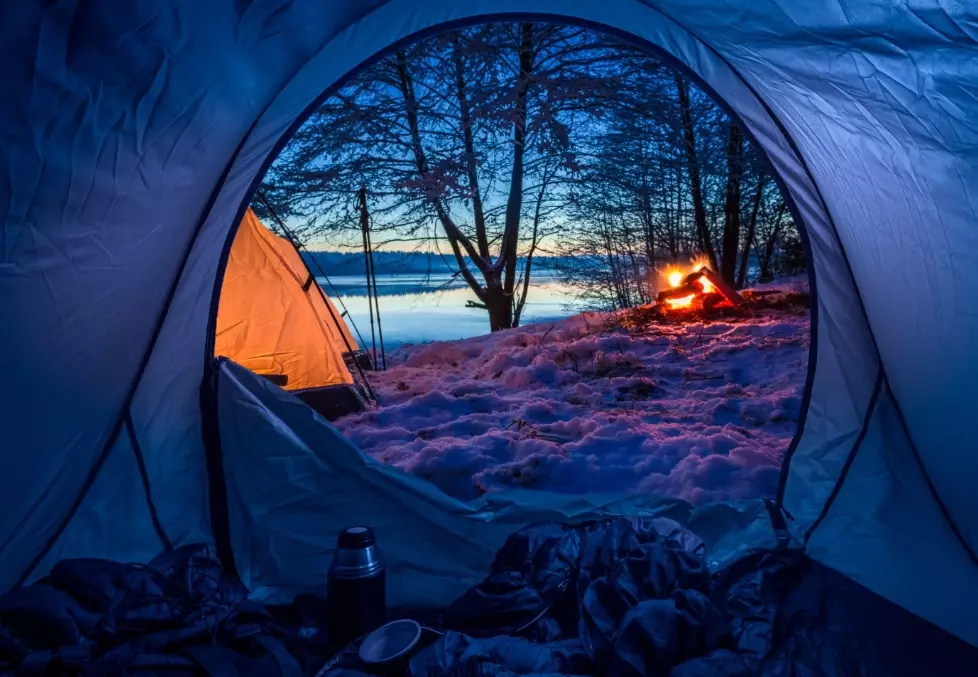 How can I prevent my tent from getting damp inside during cold weather camping?
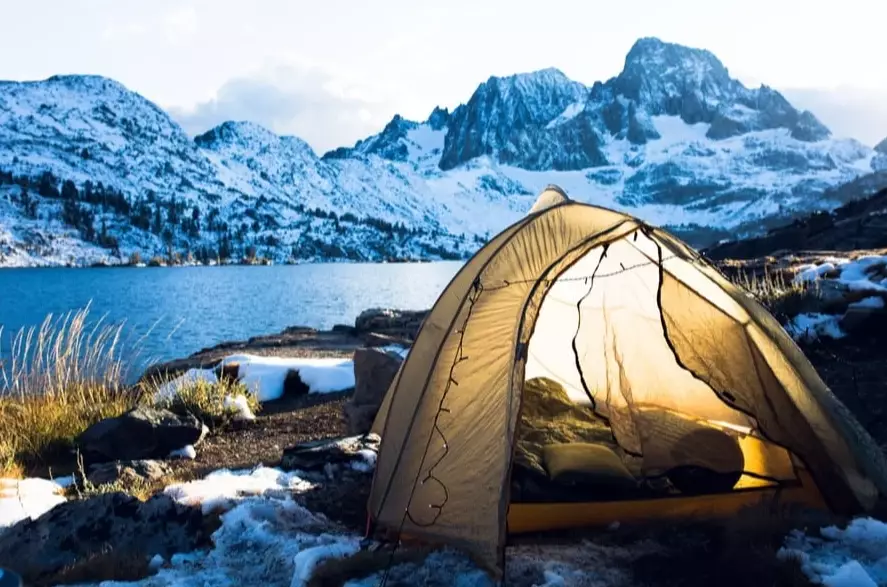 Cold weather camping strips everything back to the essentials. It’s challenging, sure. But the reward—that profound silence, the crunch of snow underfoot, and the deep satisfaction of a warm cup of coffee made in a frozen landscape—is unlike any other camping experience. Start with a single overnight close to your car on a forecast-clear, moderately cold night. Test your gear. Learn your limits. You might just find your new favorite season.