Let's be honest. The idea of a camping trip is fantastic—the crackle of a fire, the starry sky, the quiet. The reality of planning one can feel like a confusing puzzle. You're staring at a blank page, wondering what to pack, where to go, and how to make sure you don't forget the can opener (again). I've been there, and after over a decade of trips from car camping to backcountry treks, I've learned that a great camping trip isn't about luck. It's about a solid, adaptable plan.
This guide cuts through the noise. We're not just making a list; we're building a system. A system that handles bad weather, hungry kids, and that one friend who always packs too much. We'll move from the big picture down to the tiny details, so you can spend less time worrying and more time enjoying the outdoors.
Your Camping Planning Roadmap
Phase One: Laying the Groundwork (The "Why" and "Where")
Jumping straight to gear is the first mistake. Start with intent. What do you want from this trip? A digital detox with a book by the lake? A basecamp for hardcore hiking? A fun, messy introduction to nature for your toddlers? The answer dictates everything.
Define Your Trip's Personality
Get your group on a quick call or group chat. Ask: Relaxation or adventure? Comfort or challenge? If your friend dreams of summit views and you dream of hammock naps, you need to find a middle ground—maybe a campground with access to both tough trails and a swimming hole.
Season & Location: The Make-or-Break Duo
Summer in the mountains is different from summer in the desert. I once planned a "pleasant spring" trip to a canyon, only to find it was already 95°F (35°C). Research average temps, rainfall, and bug activity for your specific destination and dates. Don't just Google the state.
Use resources like the National Park Service website for official park info, or state park portals. Look beyond the famous parks. Sometimes, a less-crowded state forest or a Bureau of Land Management (BLM) area offers a better, more affordable experience.
Phase Two: The Master Packing List (Beyond the Basics)
Everyone knows you need a tent and sleeping bag. The magic is in the specifics and the categories most people neglect. Think in systems: Shelter, Sleep, Kitchen, Clothing, and—critically—Safety & Utility.
| Category | Core Items (Non-Negotiable) | Commonly Forgotten "Game Changers" |
|---|---|---|
| Shelter & Sleep | Tent, rain fly, footprint/ground tarp, sleeping bag, sleeping pad. | Extra tent stakes (they vanish), a small brush/whisk broom for cleaning out the tent, earplugs for noisy campgrounds. |
| Kitchen & Food | Stove, fuel, lighter/matches, pot, spatula, bowl, cup, water jug. | A dedicated "kitchen" tub to keep it all together. Biodegradable soap in a small bottle. A tiny roll of aluminum foil for a hundred uses (wrapping food, making a funnel). |
| Clothing | Moisture-wicking base layers, insulating mid-layer, waterproof shell, camp shoes. | A dedicated "sleep clothes" set (clean, dry, and only for the tent). A beanie hat—you lose most heat through your head, even in cool summer nights. |
| Safety & Utility | First-aid kit, headlamp, map/compass/GPS, multitool. | Duct tape wrapped around a water bottle (repairs gear, tent, shoes). A few large trash bags (emergency rain poncho, pack liner, wet clothes bag). Paper maps as a backup to your phone. |
My personal rule? For car camping, I pack one complete outfit per day, then I remove half the socks and underwear. You need less than you think. For backpacks, it's the opposite: one outfit to hike in, one to sleep in.
Phase Three: Campsite Selection & Logistics
Picking a site from a grid on a website is a gamble. You want more than just a patch of dirt.
How to "Read" a Campsite Map
When you book online, look for these clues:
- Proximity to Water: Close to the restroom is convenient, but can be high-traffic and noisy. A lakeside spot is scenic but may have more bugs.
- Shade vs. Sun: A sunny spot is great for cooler weather; shade is essential for summer heat. Look for tree symbols.
- Topography: Avoid the very bottom of a hill (can become a puddle) and the very top (exposed to wind). A slight slope is okay if you position your tent with your head uphill.
- Privacy: Look for sites with vegetation buffers between pads. Sites at the end of a loop are often more private.
Reservations for popular parks open months in advance. If you're flexible, aim for Sunday-Thursday trips for better availability. Always have a backup plan—a less-popular campground 30 minutes away.
The Pre-Trip Logistics Checklist
This is the boring stuff that prevents chaos:
- Confirm your reservation and print/download the confirmation.
- Check road conditions and park alerts for your destination.
- Notify someone not on the trip of your itinerary and expected return.
- Withdraw some cash (small bills for firewood, shower tokens).
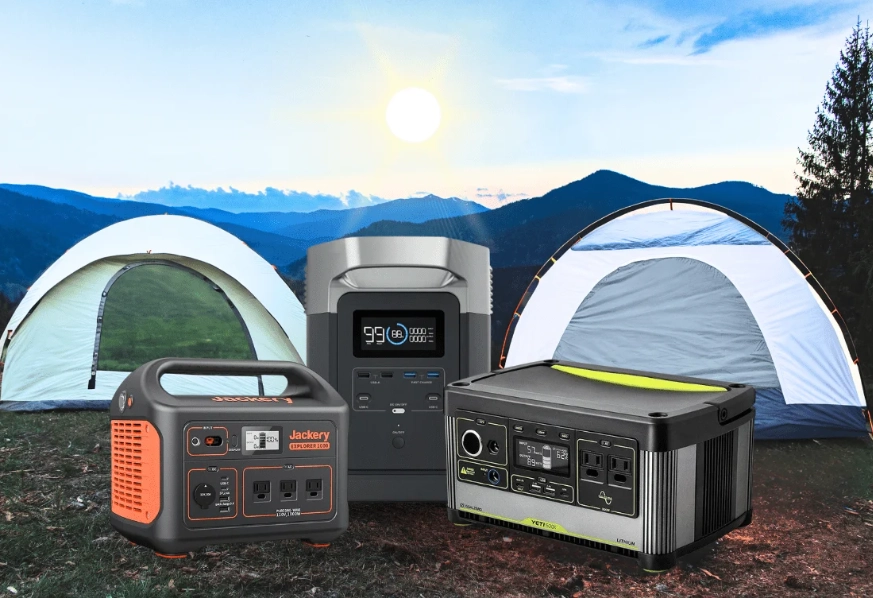
- Pre-charge all batteries (headlamps, GPS, power banks).
- Prep as much food as possible at home (chop veggies, marinate meat, pre-mix pancake batter in a bottle).
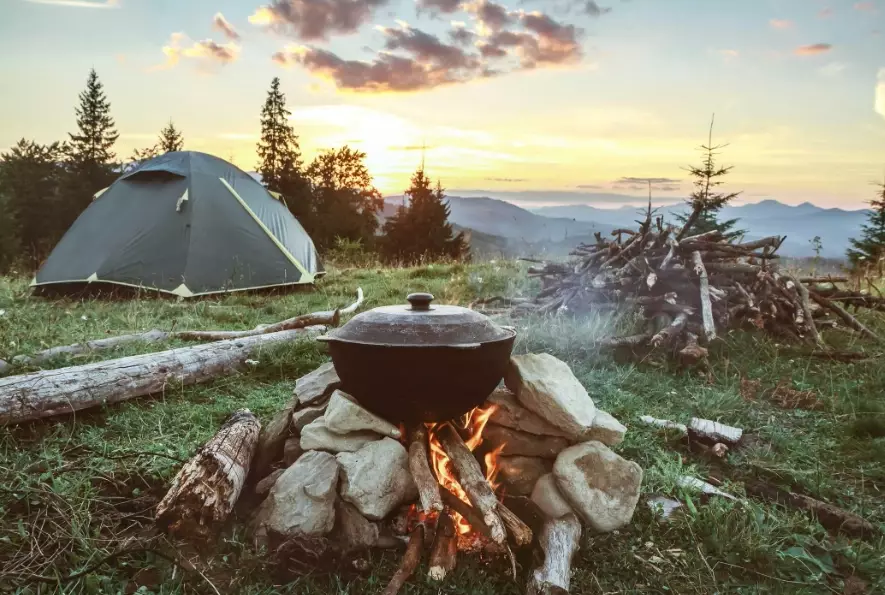
Phase Four: Execution - The Trip Timeline
A good plan has a rhythm. Here's how a typical 3-day weekend trip flows, from home to home again.
Pre-Departure (The Night Before)
Pack the car methodically. Heavy, rarely-needed items (cooler, water jugs) go in first, close to the tailgate. Your shelter and sleep gear should be the last things in, so they're the first things out when you arrive. This lets you set up camp immediately, even if it's getting dark. Fill water jugs. Do a final weather check.
Arrival & Setup (The First Hour)
Resist the urge to explore first. Your first job is to establish camp. 1) Park strategically. 2) Unload the tent/sleep gear. 3) Set up the tent on the best flat spot. 4) Unroll sleeping pads and bags to let them loft. 5) Set up your kitchen area away from the tent door (to avoid attracting crititors). 6) Then relax.
During the Trip: Staying Flexible
The plan is a framework, not a prison. If everyone is tired from a big hike, scrap the elaborate dinner and have sandwiches. If it rains, break out the cards and hot chocolate. The goal is enjoyment, not checklist completion.
Breaking Camp (The Last Morning)
Reverse your setup order. Pack all gear except what you need for breakfast. After eating, clean the cookware, dismantle the kitchen, then finally take down the tent (making sure it's dry or at least shake out the dew). Do a "police line" sweep of the entire site: walk shoulder-to-shoulder with your group looking for micro-trash, tent stakes, and bottle caps. Leave it better.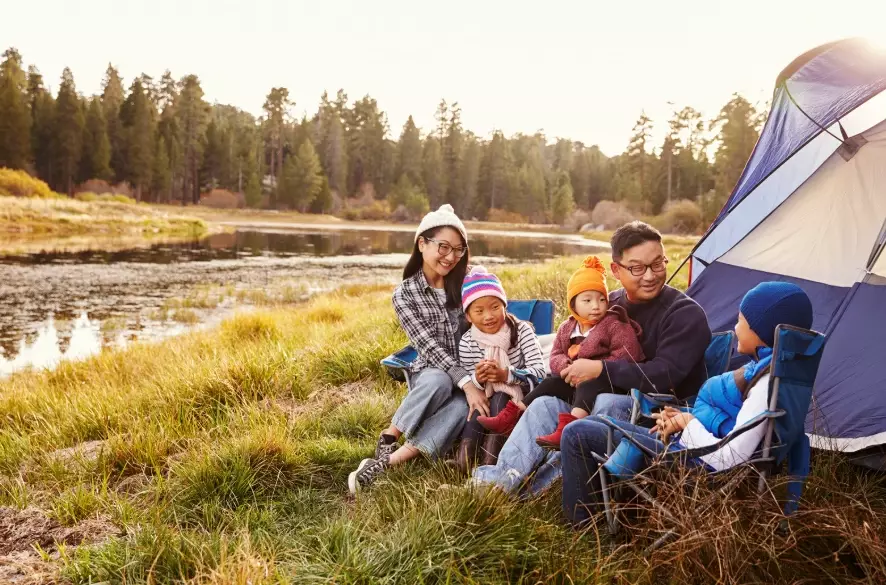
Your Camping Planning Questions Answered
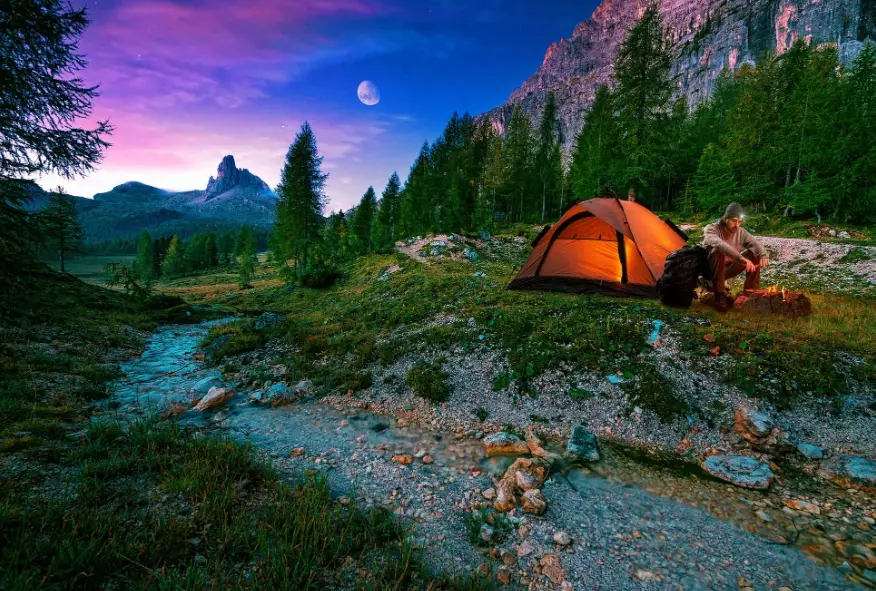 The best camping trip plan is the one you barely notice. It's the framework that lets spontaneity and relaxation happen. It gets you to the campsite with what you need, sets you up for success, and then quietly fades into the background while you roast marshmallows and watch the fire die down to embers. That's the goal. Now go plan your adventure.