You've seen the videos. A lone figure in the woods, crafting a shelter from fallen branches, coaxing flame from a ferro rod, brewing coffee in a hand-carved kuksa. That's bushcraft camping. It's not about enduring the wilderness; it's about engaging with it, using skill and knowledge as your primary gear. Forget the overloaded pack—this is about self-reliance. I remember my first attempt, hauling a 60-pound bag for a weekend, only to realize I'd brought everything except the know-how to use a knife properly. Let's fix that for you.
Your Bushcraft Journey Starts Here
The 5 Core Skills You Can't Fake
Bushcraft isn't a gear list; it's a skill set. Master these, and you can turn a sparse kit into a comfortable camp.
1. Firecraft: Beyond the Lighter
Anyone can start a fire with a Bic on a dry day. Bushcraft is about making fire in the rain, with damp wood, when it matters. The key isn't the ignition source (ferro rod, flint and steel)—it's material preparation. You need to understand tinder, kindling, and fuel as distinct, critical stages.
Practice finding and processing these in your backyard. Fatwood (resin-rich pine), birch bark, and bird's nest-like jute twine are your best friends. Learn to make feather sticks—curling shavings off a dry stick to create a surface area bonanza that catches a spark instantly. This one skill solves 80% of "my fire won't start" problems.
2. Knife & Axe Work: Safety First, Everything Else Second
A sharp knife is a safe knife. A dull one requires more force and slips. Learn basic grips (hammer, pinch, saber) and cuts (push, pull, notch). Batoning—splitting wood by driving your knife through it with a baton—is fundamental but done wrong, it ruins blades and sends you to the ER. Always baton on a stable, solid base, never in your hand or across your knee.
With an axe, the most common error is trying to chop like a cartoon lumberjack. Use controlled, accurate swings. Let the tool's weight do the work. Your off-hand should always be on the handle, never on the wood you're splitting.
3. Shelter Building: The Debris Hut vs. The Tarp
Building a full debris hut from scratch is an incredible skill drill, but for an actual overnight trip, a well-pitched tarp is smarter, faster, and leaves less impact. The bushcraft skill lies in using natural features and simple knots (like the taut-line hitch) to create a storm-worthy shelter with your tarp. Practice the lean-to, A-frame, and flying V configurations. Always site your shelter looking at wind direction and potential water runoff.
4. Finding & Purifying Water
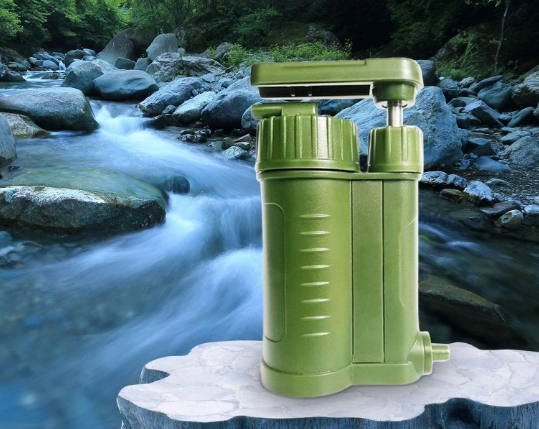
You can't always camp by a pristine stream. Know how to locate water (following animal trails, low valleys, vegetation) and, crucially, how to make it safe. Boiling is king. Chemical treatment (iodine/chlorine) works but leaves taste. A quality filter like a Sawyer Squeeze is a modern bushcraft game-changer—lightweight and effective. Don't rely on "wilderness boiling" scenes from movies; it takes time and fuel. Plan your water strategy.
5. Knots & Lashings: The Invisible Tool
Paracord is pointless if you only know how to tie your shoelaces. Learn these three: the bowline (creates a fixed loop that won't slip), the trucker's hitch (for getting your tarp ridiculously tight), and the prusik knot (a movable grip on a rope). With these and a basic square lashing, you can build camp furniture, repair gear, and secure anything.
Building Your Kit: The Essentials & The Distractions
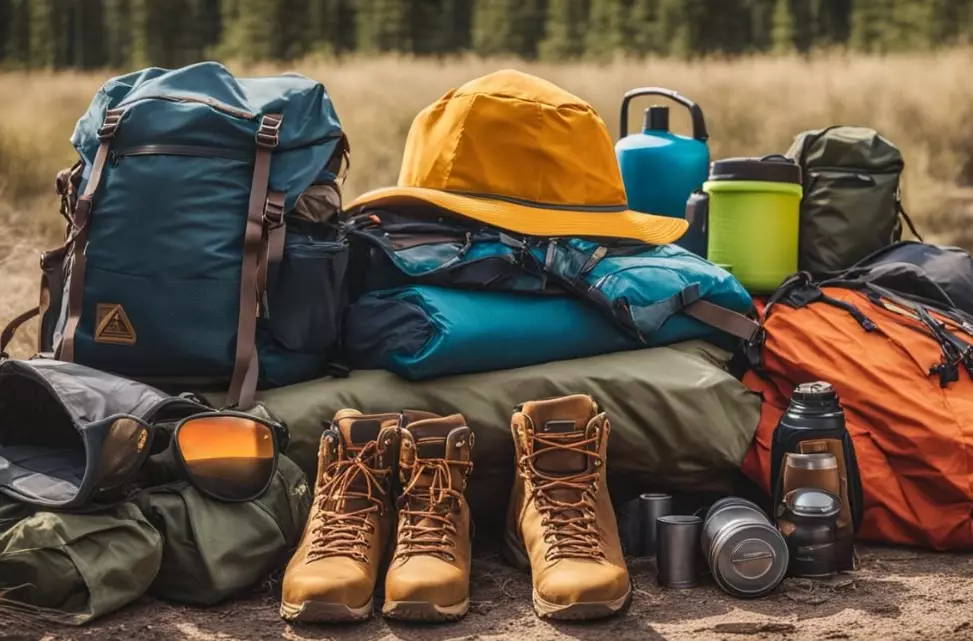
You don't need much, but what you have must be reliable. Here’s a breakdown of the true essentials versus the marketing hype.
| Item | Bushcraft Essential (The Why) | Common Pitfall / "Distraction" |
|---|---|---|
| Fixed-Blade Knife | 4-5 inch full-tang blade. Your primary tool for carving, food prep, firecraft. Morakniv Companion is a legendary, affordable start. | Buying a giant Rambo knife or a fragile "survival" knife with a hollow handle full of useless gadgets. |
| Folding Saw | Silky, Bahco, or Corona brand. Effortlessly cuts wrist-thick wood for shelter poles and fuel. Safer and more efficient than an axe for most processing. | Skipping it to save weight. The time and calories saved gathering good wood are worth the 8-10 ounces. |
| Ferro Rod & Striker | Your backup fire source. Works wet, windy, and cold. Get one at least 1/2 inch thick by 5 inches long. | Getting a tiny rod that's hard to hold. Or not practicing with it before you need it. |
| Tarp & Cordage | A 10x10 ft silnylon or silpoly tarp. 50 ft of paracord and 50 ft of thinner bank line. Your shelter system. | Getting a cheap PVC tarp that's heavy, noisy, and doesn't pack down. Or not bringing enough cord. |
| Metal Container | A single-wall stainless steel bottle (like Klean Kanteen) or a billy pot. Boils water, cooks food, carries water. | Bringing a plastic water bottle that can't go in the fire. Or a fancy titanium pot when stainless works fine for less. |
| Sleep System | A closed-cell foam pad (indestructible) and a wool blanket or sleeping bag rated 10-20°F below your expected low. | Underestimating ground insulation. The pad is non-negotiable. Cotton blankets are useless when damp. |
| First Aid Kit | Tailored to include heavy-duty bandages, gauze, and tape for deep cuts (the most likely bushcraft injury). | Carrying a generic kit without trauma supplies. Know how to use everything in it. |
Notice what's not on the list? A giant backpack, a million gadgets, camouflage everything. Start simple. Your skills will lighten your load over time.
How to Find the Perfect (and Legal) Practice Spot
This is the biggest practical hurdle. You can't practice these skills in your local state park. Cutting live trees, building structures, and ground fires are almost always prohibited there.
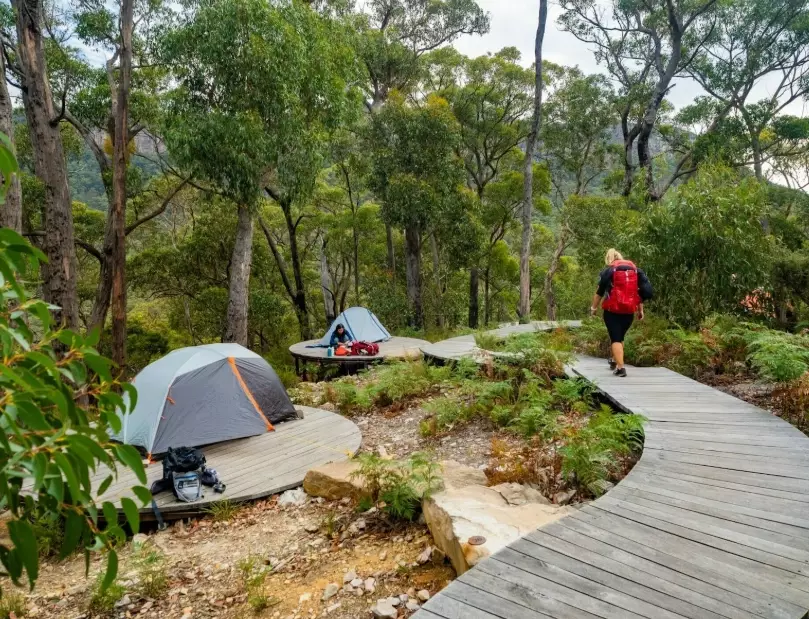
Your best options are National Forests and Bureau of Land Management (BLM) lands that allow "dispersed camping." This is camping outside of designated campgrounds. The rules vary by forest and district.
Actionable Steps:
1. Identify the nearest National Forest. Go to the USDA Forest Service website. 2. Find the specific Ranger District for the area you're targeting. 3. CALL THEM. Ask: "What are the rules for dispersed camping and campfires in your district right now? Are there any fire restrictions? Are there any areas closed for restoration?" 4. For BLM land, use the BLM's mapping resources. Always follow the principles of Leave No Trace, especially in these wild spaces. For bushcraft, this means using only dead and downed wood, dispersing your fireplace ashes, and leaving your shelter site completely natural when you go.
The Unspoken Rules: Safety & Leave No Trace for Bushcraft
Bushcraft has an ethical dimension. It's not about conquering nature, but collaborating with it.
Always tell someone your exact location, route, and return time. Carry a physical map and compass, not just a phone. A personal locator beacon (PLB) or satellite messenger is a wise investment for solo trips.
The Leave No Trace Center for Outdoor Ethics provides the framework. For bushcrafters, the most critical are: - Travel & Camp on Durable Surfaces: Use established sites or rock/sand/gravel. - Dispose of Waste Properly: Pack out all trash, including biodegradable food scraps. Bury human waste 6-8 inches deep, 200 feet from water. - Leave What You Find: Don't carve into live trees. Don't build "permanent" shelters and leave them. Dismantle what you built. - Minimize Campfire Impact: Use a fire pan or mound fire if possible. Keep fires small. Burn wood completely to ash. Scatter cool ashes.
Your First 24-Hour Bushcraft Trip: A Step-by-Step Plan
Let's make it concrete. Here's a blueprint for a safe, educational first overnight.
Scenario: A weekend in a National Forest that allows dispersed camping and fires (with a permit). You've parked at a trailhead and will hike 1-2 miles in.
Afternoon 1 (Arrival): - Find a legal, established campsite or a durable surface well away from water (200 ft). - First Task: Water. Locate your water source, filter what you need for the evening. - Second Task: Shelter. Pitch your tarp. Practice two different configurations. - Third Task: Firewood. Gather dead and downed wood in three sizes: tinder (finger-sized), kindling (thumb-sized), fuel (wrist-sized and larger). Store it under your tarp to keep dry.
Evening 1: - Prepare and eat your meal. - As dusk falls, practice fire starting with your ferro rod. Use your prepared materials. Goal: one-match fires (but with a ferro rod). - Enjoy your fire, practice some simple carving (make a tent peg, a cooking hook). - Before bed, fully extinguish your fire with water, stir the ashes, feel for heat. It should be cold.
Morning 2: - Boil water for breakfast/coffee in your metal container. - Dismantle your shelter, pack all gear. - Do a final "idiot check" of your site. Is there any trace of you? Pick up micro-trash. - Hike out.
That's it. No elaborate shelter build, no trapping dinner. Master the fundamentals first.
Answers to the Messy Questions
The path into bushcraft camping is about incremental learning. Start in your backyard, then a car-camping spot, then a short overnight. Each trip, focus on one new skill. It’s not a race to build a log cabin. It’s the slow, satisfying accumulation of competence that lets you walk into the woods with confidence, not just a heavy pack. Now go call that ranger station.