You know that feeling. Scrolling through photos of friends gathered around a campfire under string lights, or a crowd cheering at a sunset concert in a meadow. Camping events are more than just sleeping in a tent; they're a shortcut to community, adventure, and stories you'll tell for years. But between the dreamy Instagram posts and the reality of packing, planning, and navigating a field with a thousand other people, there's a gap. A gap filled with questions. How do you find these events? What should you really bring? How do you not mess it up?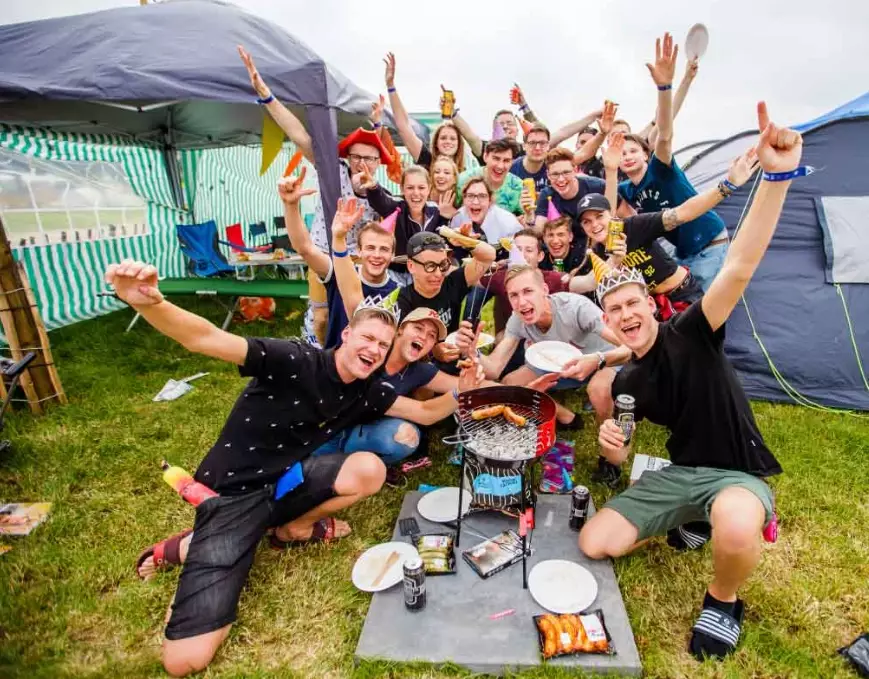
I've been doing this for over a decade—from silent meditation retreats in the redwoods to massive music festivals in the desert. I've forgotten stakes, battled mud, and discovered secret swimming holes. This guide cuts through the fluff. We're going to map out how to find the right event for you, pack like a pro (not just a checklist follower), and navigate the unique social ecosystem of a group camping experience.
Your Quick Trail Map to This Guide
How to Find the Perfect Camping Event for You
Searching "camping events near me" is a start, but it's like fishing with a giant net—you'll get a lot of seaweed. The key is to match the event's vibe to your own. Are you looking for family time, party time, or quiet time?
Let's break down the main types. Understanding this will save you from showing up to a stargazing workshop with a case of beer, or arriving at a folk festival with toddlers expecting a playground.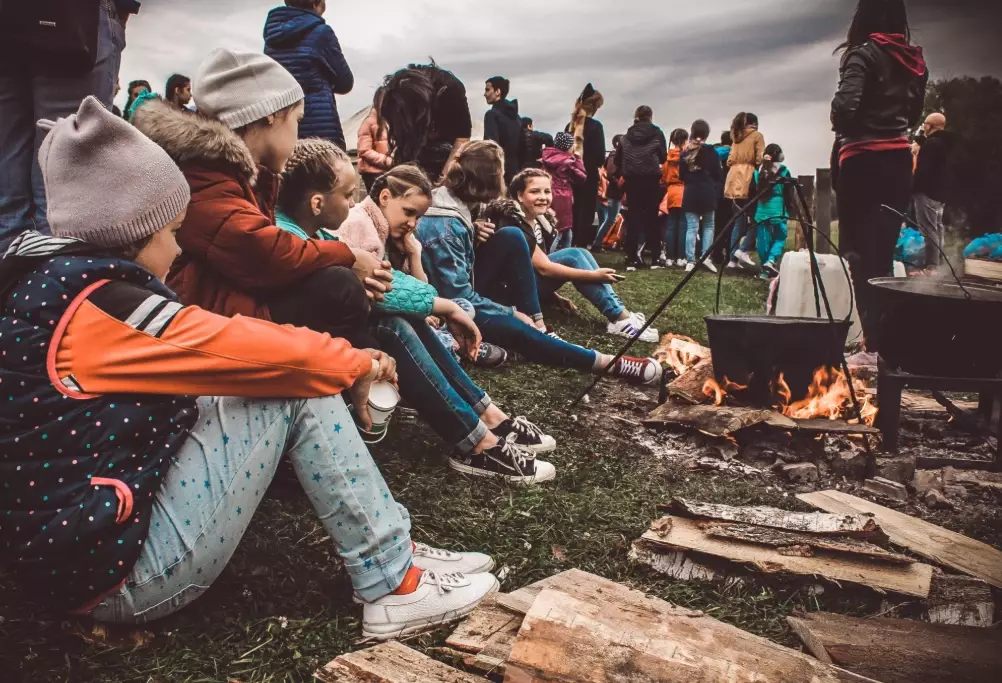
| Event Type | Best For | What to Expect | Where to Look |
|---|---|---|---|
| Family & Educational | Parents with kids, beginner campers, nature learners. | Structured activities (guided hikes, crafts), ranger talks, kid-friendly zones, quiet hours. Facilities are usually better (clean bathrooms!). | State/National Park event calendars, Nature Conservancy, local Audubon chapters. |
| Music & Arts Festivals | Socializers, music lovers, young adults. | Multiple stages, food vendors, late-night energy, crowded campsites. It's about the shared experience as much as the music. | Festival websites (e.g., Levitation), dedicated festival apps, music subreddits. |
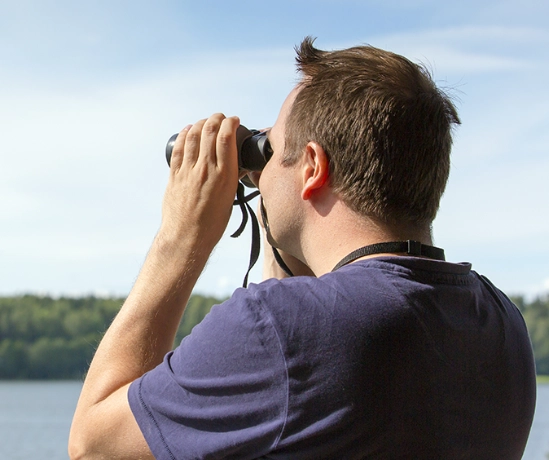
| Skill-Based & Niche | Hobbyists, those wanting to deepen a skill. | Focus on learning (birdwatching, foraging, wilderness first aid, astrophotography). Smaller groups, expert-led, more communal. | Specialty forums, guild websites (e.g., bushcraft), local outfitter newsletters. |
| Community & Volunteer | Those wanting to give back, meet locals. | Trail maintenance weekends, habitat restoration projects. Work is part of the fun, incredibly rewarding, often free or low-cost. | US Forest Service "Passport in Time," American Hiking Society, local land trusts. |
Once you know the type, dig into specifics. Read the event's FAQ page like it's a contract. What's the real arrival window? I once missed it by an hour due to traffic and had to park a mile away. Is there potable water, or are you hauling it all in? Are campfires permitted, or only communal ones? This info is always there, but most people gloss over it.
My pro tip? For smaller, local events, social media is better than Google. Follow your regional parks and preserves. The best gatherings I've found were promoted only on a state park's Facebook page or a local climbing gym's Instagram story.
What Should You Pack for a Multi-Day Camping Event? (The Non-Negotiables)
Packing lists are everywhere. I'm not going to list every sock. Instead, here are the items that make or break your trip, especially in the unique context of a shared event space.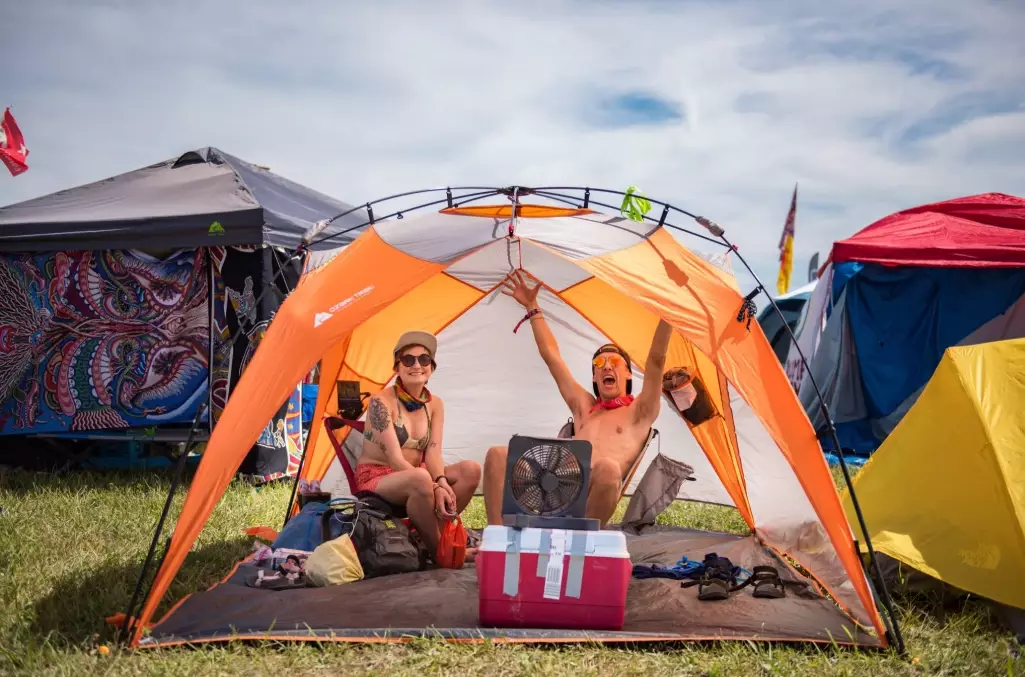
Shelter & Sleep: Your Basecamp Sanctuary
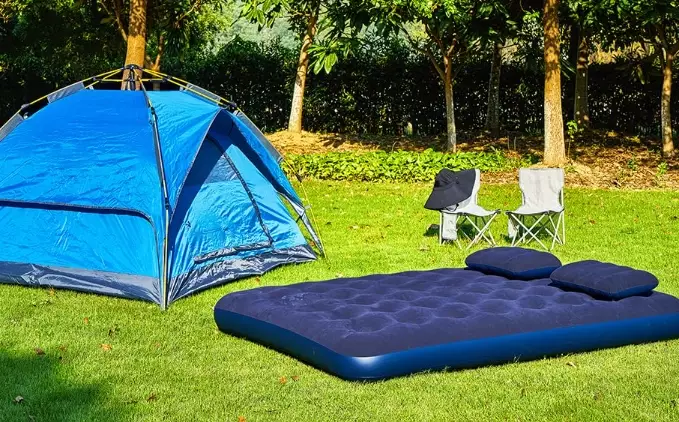
Your tent is your home. At a festival, neighbors are close. A small, dark-colored tent stays cooler in the sun. Test your tent at home first. I've seen countless people struggling with new, complex poles as the sun sets. Bring a tarp or footprint that's smaller than your tent's floor. If it rains, a larger tarp will channel water under your tent.
Sleep systems are personal, but assume it will be 10-15 degrees colder than the forecast says, especially in a valley. A sleeping bag rated for the expected low, plus a liner, is safe. An inflatable sleeping pad with a decent R-value (insulation) is worth every penny. The ground saps heat.
The Campsite Comfort Kit
This is where you win.
- Camp Chair: Not a luxury. A necessity. You will live in it.
- Portable Table: A small folding table transforms meal prep and keeps gear off the damp ground.
- Lighting Strategy: A headlamp for tasks, plus string lights or a lantern for ambient camp light. It creates instant ambiance and safety.
- Rug or Artificial Grass Mat: Sounds silly. Game-changer. It defines your space and keeps dust/mud out of your tent.
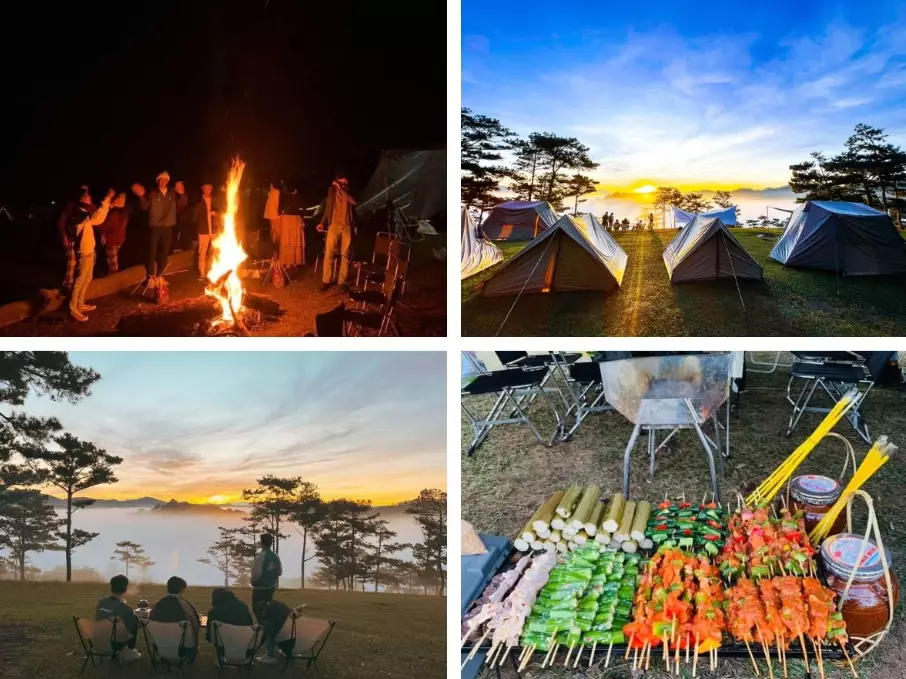
Food, Water, and Critter Defense
Check if cooking is allowed. If so, a simple camp stove beats trying to cook over a fire. Plan one-pot meals. For water, a 5-gallon jug with a spigot is ideal for camp. Carry a reusable bottle. Now, the critical part: food storage. In populated areas, raccoons and squirrels are bold, clever thieves. A hard-sided cooler you can lock with a strap is better than a soft one. Never, ever leave food in your tent. Not even a granola bar wrapper.
My personal must-have? A battery-powered fan for a stuffy tent on a warm night. It's pure magic.
How to Maximize Your Experience and Avoid Classic Pitfalls
You're there. The car is unpacked. Now what? The mindset shift is from passive attendee to active participant.
Arrive Early, If You Can. Getting there before the crowds lets you pick a better campsite (look for flat ground, slight elevation for drainage, some shade). It also gives you time to set up without stress, walk the grounds, and get your bearings.
Meet Your Neighbors. A simple "hello" when you arrive sets the tone. You might share tools, keep an eye on each other's sites, or make new friends. Camping events are social contracts.
Respect the Land and the Rules. This isn't a secret backcountry spot. Follow the event's guidelines on trash, noise, and fires. Pack out everything you pack in. Leave-no-trace principles still apply, just on a communal scale. If fires are allowed, never bring your own firewood from home. Buy it locally to prevent spreading invasive insects. This is a rule I see broken constantly, and it has devastating ecological impacts.
Manage Your Energy. It's easy to go hard from dawn 'til dusk. Schedule downtime. Read in your chair. Nap. Wander without a goal. The event is the backdrop, not a treadmill you have to run.
One last piece of hard-won advice: Have a wet weather plan. Know how you'll cook and hang out if it rains for 24 hours. A larger tent or a pop-up canopy can save the trip. I spent one famously muddy festival where the people with canopies became community heroes.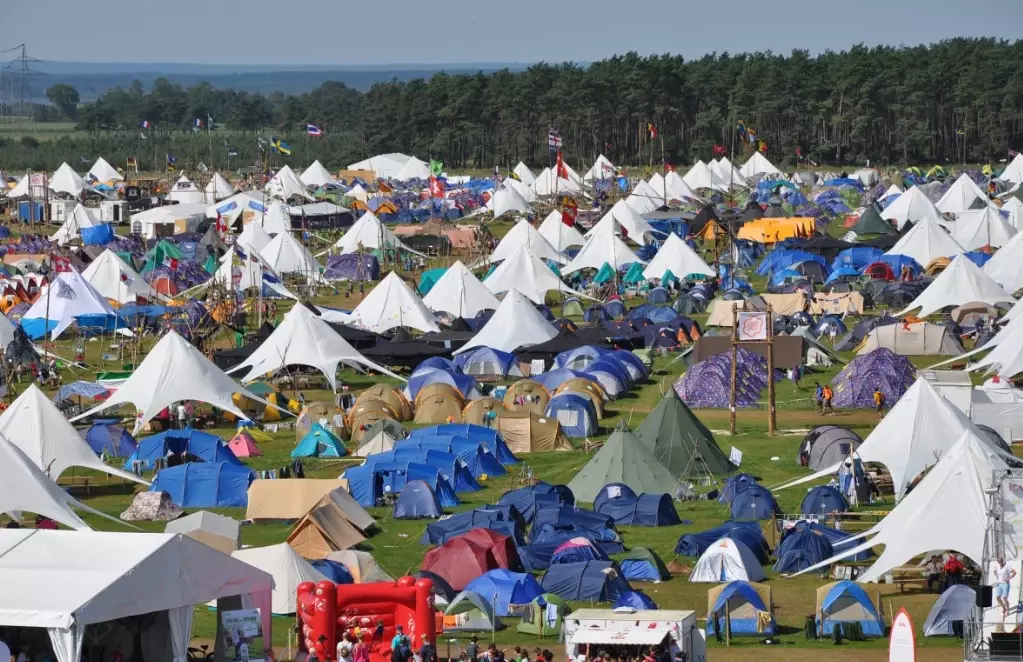
Your Camping Event Questions, Answered
 What's the one piece of gear most people forget for a music festival camping event?
The goal isn't to overthink it. It's to prepare thoughtfully so you can relax completely. Find your event, pack with purpose, and then let go. Be present. That's where the magic happens—in the shared sunset, the unexpected conversation, the feeling of being part of a temporary village under the open sky. Your story is waiting to be lived. Now go write it.