There's a magic hour just before sunrise when the forest isn't just waking up—it's holding a concert. The air is cool, the light is soft, and from your tent, you can identify each performer without even unzipping the fly. This is camping bird watching. It's not just adding a hobby to your trip; it's a complete shift in how you experience the outdoors. You move slower, listen closer, and see details you'd otherwise sprint past. I've spent over a decade blending these two passions, and I can tell you, it transforms a simple weekend away into a deep, immersive adventure. Forget the crowded bird blinds. Your front row seat is wherever you pitch your tent.
Your Quick Trail Map
Why Combine Camping and Bird Watching?
Think about it. Most iconic birding hotspots are remote. By the time you drive from a hotel at dawn, you've missed the prime activity. Camping puts you in the habitat overnight. You're there for the evening chorus and the dawn chorus. Your "commute" is a 10-step walk from your sleeping bag. Beyond convenience, it creates a connection. You learn the rhythms of the place—which owl calls at midnight, which sparrow starts the morning song. It turns a checklist into a story.
My First Big Lesson: Years ago in the Texas Hill Country, I was frustrated missing the Golden-cheeked Warbler. I'd arrive at the state park at 7 AM. A veteran birder at the campsite next to mine simply pointed to a tree 50 feet away. "He's been singing since 6:15," he said. I was staying in a hotel 45 minutes away. I camped the next time. Problem solved.
The Non-Negotiable Gear List
This isn't your standard camping list. It's a fusion list where every item serves both purposes: surviving comfortably and observing effectively.
Core Observation Gear
Binoculars: This is your most important tool. For camping bird watching, I recommend an 8x42 configuration. The 8x magnification is steady enough for handheld use, and the 42mm objective lens gathers ample light for dawn and dusk. Brands like Vortex, Nikon, and Zeiss offer great options in various budgets. Avoid cheap, compact binoculars—their narrow field of view and poor light transmission will make you hate the hobby. My workhorse for years has been the Vortex Diamondback HD 8x42. It's not the lightest, but the clarity and warranty are unbeatable for the price.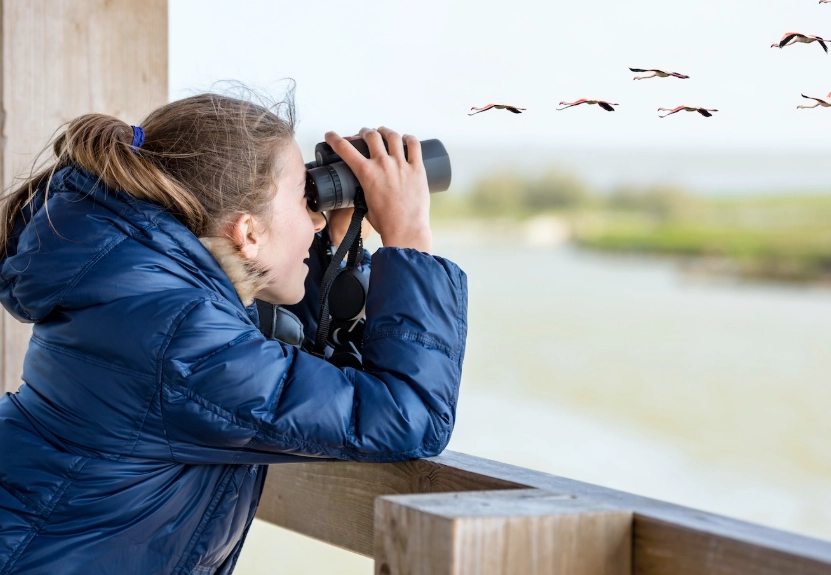
Field Guide & App: A physical book like Sibley's or National Geographic is reliable (no batteries). Pair it with the Merlin Bird ID app from the Cornell Lab of Ornithology. Its sound ID feature is a game-changer for identifying hidden singers.
Camping Gear Adapted for Birding
Shelter: Choose a tent with a muted color (forest green, grey, brown). Bright colors can scare wildlife. A tent with a large mesh panel or a "stargazer" fly is excellent for lying down and watching treetops or the sky.
Clothing: Think quiet and non-reflective. Avoid loud, rustling nylon shells. Soft fleece, wool, and brushed cotton are better. Earth tones are ideal, but solid dark blues or greys work too—it's more about avoiding sudden, bright movements.
| Gear Category | Specific Recommendation | Why It Matters for Birding |
|---|---|---|
| Binoculars | Vortex Diamondback HD 8x42 | Excellent light gathering for dawn/dusk, sharp optics, lifetime warranty. |
| Footwear | Waterproof, low-profile hiking boots (e.g., Merrell Moab) | Quiet approach, stability for uneven ground while looking up. |
| Camp Chair | Helinox Chair One or similar lightweight chair | Allows for patient, comfortable sitting in one spot for long periods. |
| Lighting | Headlamp with RED light mode | Preserves your night vision and doesn't disturb nocturnal birds or other campers. |
| Pack | Daypack with side water bottle pockets and easy-access top pocket | Quick access to guide, snacks, and binoculars without taking the pack off. |
Top 3 US Destinations for Camping Birders
These spots offer incredible avian diversity, established campgrounds near prime habitat, and that "wow" factor.
1. Big Bend National Park, Texas
This is a biome crossroads in the Chihuahuan Desert. You can see species from the east, west, and south all in one place. The Chisos Basin Campground (elevation 5,400 feet) is the hub. You need reservations well in advance. From your site, you might hear the haunting call of the Mexican Whip-poor-will at night. Hike the Window Trail at dawn for Lucifer Hummingbirds and Colima Warblers. The Rio Grande Village Campground is hotter but offers fantastic water-based birding like Vermilion Flycatchers. Spring (March-May) and Fall (Sept-Oct) are peak migration times.
2. Everglades National Park, Florida
A subtropical wonderland. The Flamingo Campground is at the very tip of the park, right on Florida Bay. Book a site with some tree cover. Here, your campsite checklist might include Roseate Spoonbills flying overhead, Ospreys diving, and the raucous calls of White-crowned Pigeons. Anhinga Trail, a short drive away, is a must for close-up views of wading birds. Winter (November to April) is the dry season and the best time for birding and fewer mosquitoes. You will hear Barred Owls at night.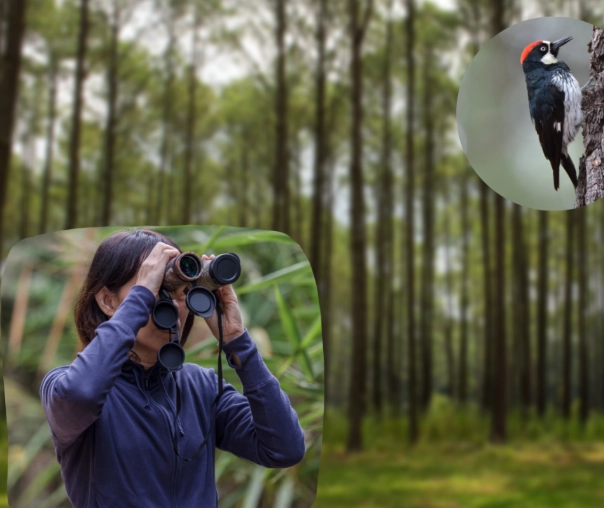
3. Acadia National Park, Maine
For a coastal boreal experience. Blackwoods Campground is open year-round and puts you in the heart of mixed forest. Wake up to the fluty song of the Hermit Thrush. Drive the Park Loop Road at sunrise to look for Peregrine Falcons on the cliffs and seabirds like Common Eiders offshore. Cadillac Mountain is famous for sunrise, but it's also great for spotting migrating raptors in the fall. Late May through July is perfect for breeding songbirds like warblers and vireos.
Pro Tips From the Field (Not the Manual)
- Learn the Dawn Chorus Order: Birds don't all sing at once. Robins and cardinals often start first in the east. Learning this sequence helps you anticipate who you're listening for.
- Camp Near (Not In) the Feature: Don't camp right on the lake's edge if you want waterfowl. Camp 100-200 yards back. You'll see more as they come and go without feeling your presence.
- Use Your Ears, Then Your Eyes: Stop walking. Listen for 2 full minutes. Pinpoint the direction of a song, then slowly raise your binoculars. Most beginners move too quickly and scare the bird.
- The Coffee Rule: Have your thermos ready. Your best birding happens in the first hour of light, often before you feel like making breakfast. Pre-made coffee lets you just grab and go.
3 Mistakes That Will Ruin Your Trip
I've seen these happen too many times.
1. The Wrong Campsite Selection: Picking a site near the campground bathroom or entrance road for convenience guarantees constant noise and foot traffic that scares away wary birds. Always opt for the most secluded, wooded site available, even if it means a longer walk.
2. Overlooking Sound Discipline: Your camp sounds travel. Loud conversations, clanging pots, and music at 6 AM don't just annoy other campers—they create a "silent zone" around your site where birds avoid. Embrace the quiet. It's part of the experience.
3. Ignating the Weather Window: Checking the general forecast isn't enough. Birds are highly sensitive to barometric pressure and wind. A bright, sunny day with high winds after a storm is often terrible for birding—they hunker down. A calm, slightly overcast morning is usually perfect. Use an app like BirdWeather to get a sense of local migration activity.