Your Quick Trail Map to This Guide
Let's be honest. You've been on camping trips. You've wrestled with tent poles in the rain. You've smelled coffee that could strip paint. But have you ever left feeling truly confident? That's where camping workshops come in. They're not just about learning knots; they're about building a community around a shared, slightly terrifying, coffee pot.
I've been to my share. Some were fantastic. One, in a damp Oregon forest, changed how I brew coffee to this day. Others felt like a corporate team-building exercise gone wrong. The difference was the instructor.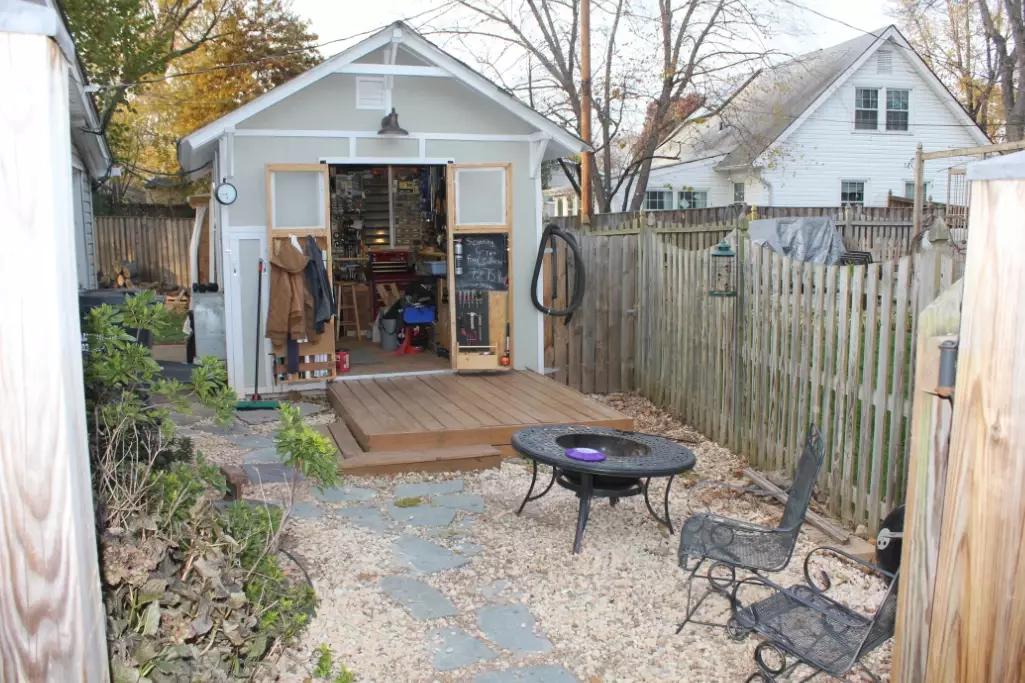
What Exactly Are Camping Workshops?
Strip away the jargon. A camping workshop is a structured, hands-on learning session focused on a specific outdoor skill. It's usually held in a natural setting—a park, a forest, sometimes even a backyard. The goal is mastery. It's the opposite of just watching a video.
Think of it as gym class for the outdoors.
They range from ultra-specific ("Advanced Knots for Kayak Tie-Downs") to broadly appealing ("Family-Friendly Fire Starting"). The best ones create an experience. The smell of pine, the sound of a percolator, the feeling of a well-tied knot—these are the things people remember.
The Main Types of Camping Workshops You'll Find
Not all workshops are created equal. Knowing the categories helps you pick the right one.
Skill-Based Workshops: The Core Curriculum
This is the classic. You show up, you learn a thing.
- Fire & Flame: From building the fire to brewing the coffee. This is the foundational skill. A good workshop here teaches you about wood types (tinder, kindling, fuel) and wind patterns. The mark of a great instructor is the coffee's taste.
- Knots & Navigation: More than just tying a rope. It's about understanding tension and load. Is the knot for securing a kayak different from the one for hoisting a food pack? A proper workshop explains the why.
- Shelter & Setup: Pitching a tent without frustration. This includes site selection (avoid the ant hill), rainfly technique, and ventilation. The best ones address condensation.
Experience & Lifestyle Workshops: The Atmosphere
These are newer, often blurring lines between skill and... well, vibe.
- Foraging & Wild Edibles: Identifying mushrooms without dying. A crucial disclaimer is the first lesson.
- Campfire Cooking & Culinary Arts: Moving beyond hot dogs. Smoking meats, baking bread in a Dutch oven. The secret is in the coals.
- Mindfulness & Nature Connection: Meditation, stargazing, sound baths. Less about doing, more about being. The setting is everything.
I once went to a "Forest Bathing" workshop. We didn't touch a single drop of water. It was oddly relaxing.
Community & Family Workshops: The Gateway
These are designed for beginners, especially kids. The pace is slower, the goals are simpler.
Look for keywords like "family-friendly," "beginner's basics," or "all ages." They're often hosted by nature centers, state parks, or libraries. The focus is on fun and safety, not mastering a complex skill.
A common pitfall? The instructor talks down to the kids. The good ones let the kids lead.
How to Choose the Right Camping Workshop for You
Don't just pick the first one you see on a map. Ask these questions.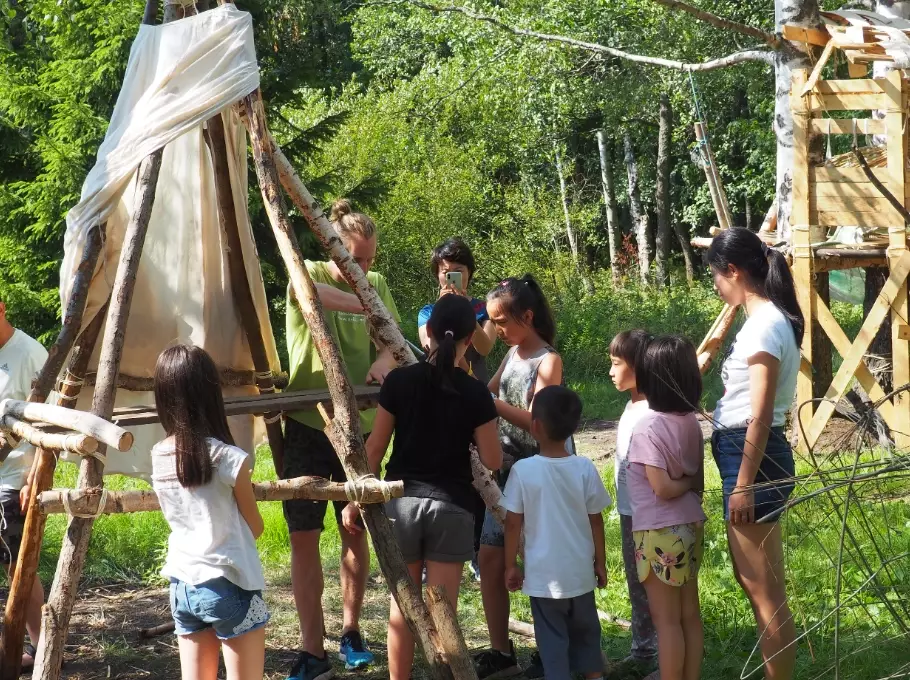
Who is the Instructor? (This Matters Most)
Credentials are nice, but passion is better. A PhD in Forestry is less important than the ability to read a room.
Look for bios. Do they mention decades of experience? Do they tell a story about a specific, memorable moment? That's a good sign.
I avoid anyone whose bio is just a list of certifications. I want to learn from someone who's lived it, not just passed a test.
What's the Group Size & Vibe?
A workshop for 30 people is a different animal than one for 6.
Large Groups (20+): Often more affordable, more structured. You might get less one-on-one time, but the group energy can be contagious. Good for social learners.
Small Groups (6-12): Usually pricier, more intimate. You get direct feedback. This is where deep skill transfer happens. Ideal if you're trying to fix a specific, bad habit.
Private/Semi-Private (1-4): The ultimate deep dive. You're paying for personalized attention. Make sure the instructor's style matches your learning pace.
Location, Location, Location
Is it a 10-minute drive or a 2-hour hike from the parking lot? The commute is part of the experience.
A city park workshop is convenient but may feel tame. A deep wilderness workshop is an adventure but a logistical challenge.
Match the location to your goal. Learning basic fire safety? The local park is fine. Want to feel like an explorer? Seek out the remote forest.
The Nuts and Bolts of Running Your Own Workshop
Maybe you're a seasoned camper thinking of sharing your knowledge. Here's the reality check, from someone who's helped organize a few.
It's not just about the skill. It's about managing people, weather, and expectations. The number one thing new organizers underestimate? The coffee.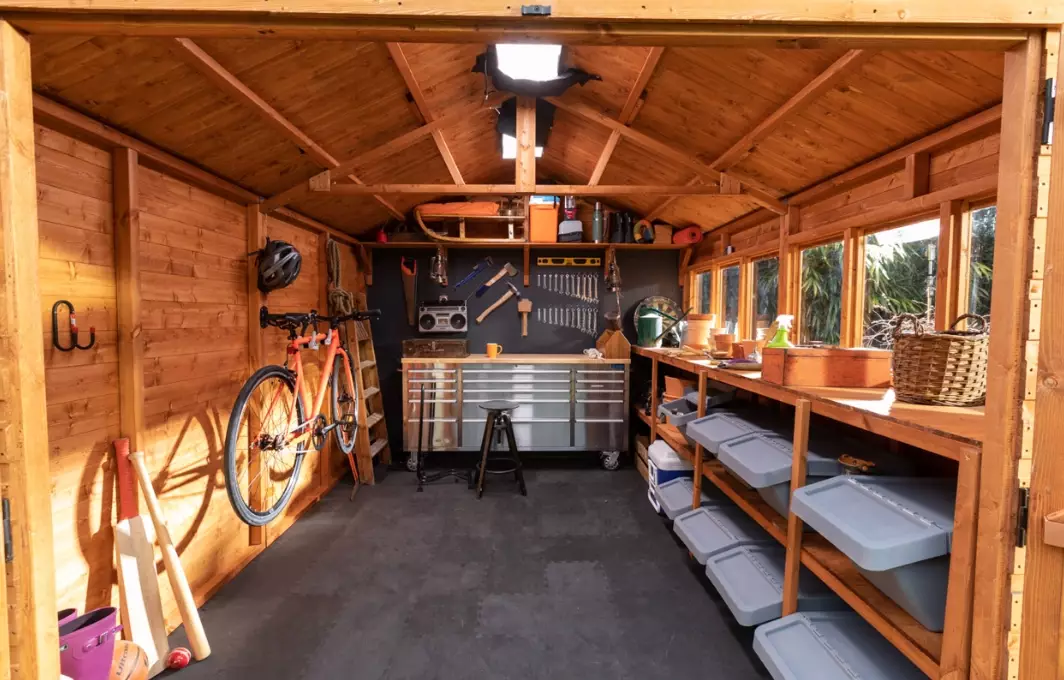
Let's walk through the absolute essentials.
| What You Need | Why It's Crucial | Common Oversight |
|---|---|---|
| Business License & Insurance | Legally required for paid events in public spaces. Protects you from lawsuits. | Thinking "it's just friends." It's not. One twisted ankle can cost you. |
| A Solid Rain Plan | Weather changes. You need a clear, safe indoor backup space. | Assuming "we'll just cancel." Cancellation policies are a minefield. |
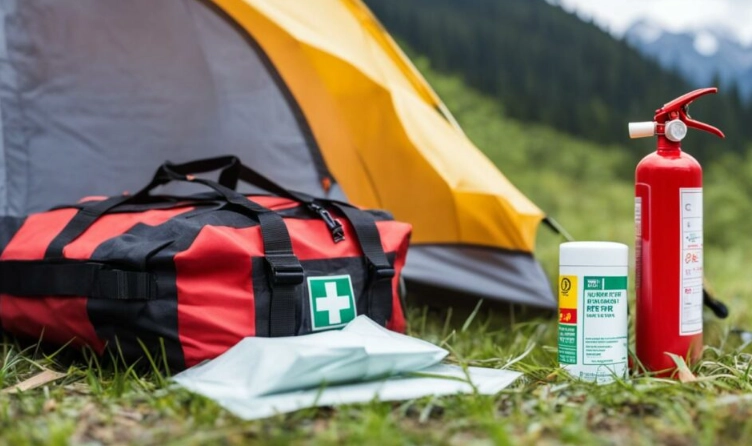
| The Right Gear (Beyond Basics) | You need a backup for your backup. An extra percolator, a first-aid kit that's actually stocked. | Forgetting the can opener. It happens every time. |
| A Clear, Simple Agenda | Participants need to know what's next. Builds confidence and controls panic. | Letting the schedule drift. Once you're behind, you can't catch up. |
The biggest mistake? Overpromising. Under-promise and over-deliver. Promise coffee and deliver an experience.
A Real-World Sample: "Wilderness Coffee & Canvas"
Let's make it concrete. Here's the timeline for a successful, mid-sized workshop I helped with.
7:00 AM - Setup: Instructor arrives, scouts the site, checks the wind. Starts the primary percolator.
8:30 AM - Arrival: Participants trickle in. The smell of pine and brewing coffee is immediate. Instructor greets everyone, sets the tone.
9:00 AM - Fire Building Module: Hands-on. Everyone gathers tinder, feels the different woods. The key is the demonstration, not the lecture.
10:30 AM - Coffee Brewing Break: The percolator symphony. This is where the magic happens. The instructor tells a story about the beans.
12:00 PM - Canvas & Culinary: Lunch is prepared over the renewed fire. The coffee is poured. Conversations flow.
2:00 PM - Wrap & Feedback: Gear is packed. The knot is inspected. Feedback forms are (actually) filled out.
3:00 PM - Debrief: Instructor reviews the feedback, adjusts the next session's plan.
Notice what's not here: Frustration. Panic. That's the goal.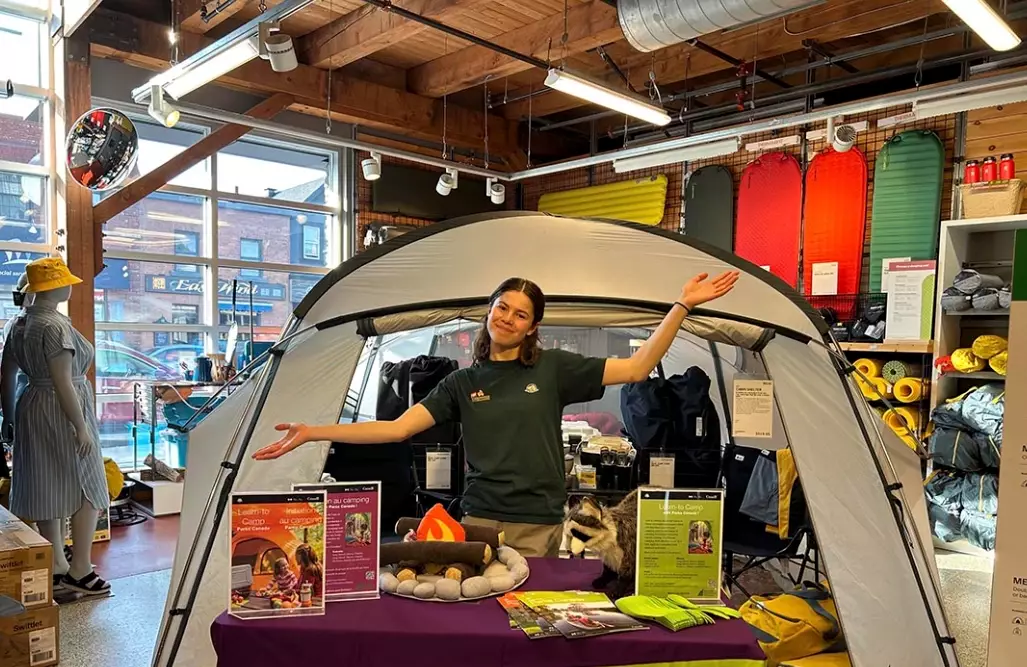
Answers to Your Burning Questions
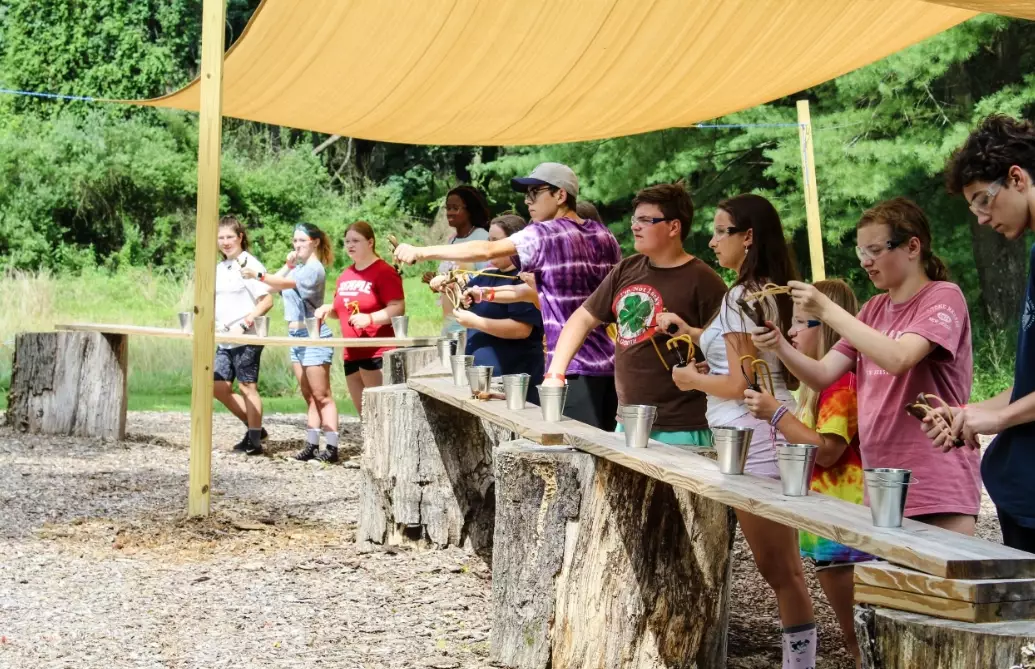 The right workshop doesn't just teach you a skill. It changes how you see the woods. It turns a chore into a ritual. It replaces frustration with the quiet satisfaction of a well-tied knot and a perfectly brewed pot.
That's the goal. Now go find one.