Let's be honest. Most articles about camping survival kits give you the same generic list: a knife, a lighter, some paracord. It feels like a checkbox exercise. But after a decade of guiding trips and making my own mistakes in the backcountry, I've learned that a real survival kit isn't about ticking boxes. It's a personalized insurance policy against the unpredictable. It's the difference between a minor inconvenience and a genuine crisis when the weather turns, you take a wrong turn, or your gear fails. This guide won't just list items; it'll show you how to think like a prepared outdoorsperson, focusing on the why behind each piece of gear and the subtle mistakes most beginners make.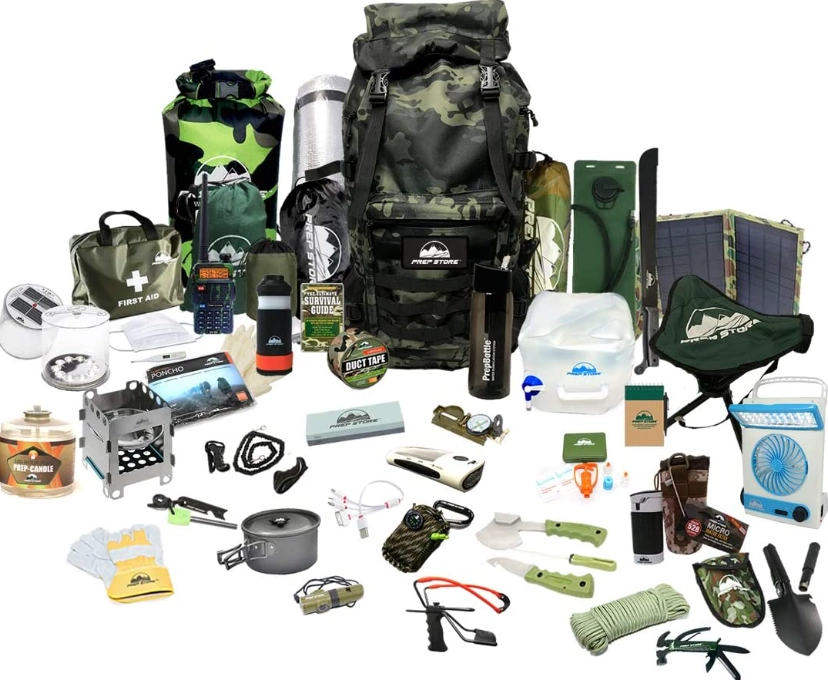
What's Inside This Guide
The Survival Kit Mindset: More Than Just Gear
Before we talk about stuff, let's talk about mentality. The biggest error I see? People pack a kit, shove it in the bottom of their pack, and forget about it. That's useless. Your survival kit is a tool you must be familiar with.
Think of it in layers. Your first layer is the knowledge in your head and the clothes on your back. Your second layer is your main camping gear—tent, sleeping bag, stove. Your camping survival kit is the critical third layer, the backup for when layers one and two are compromised.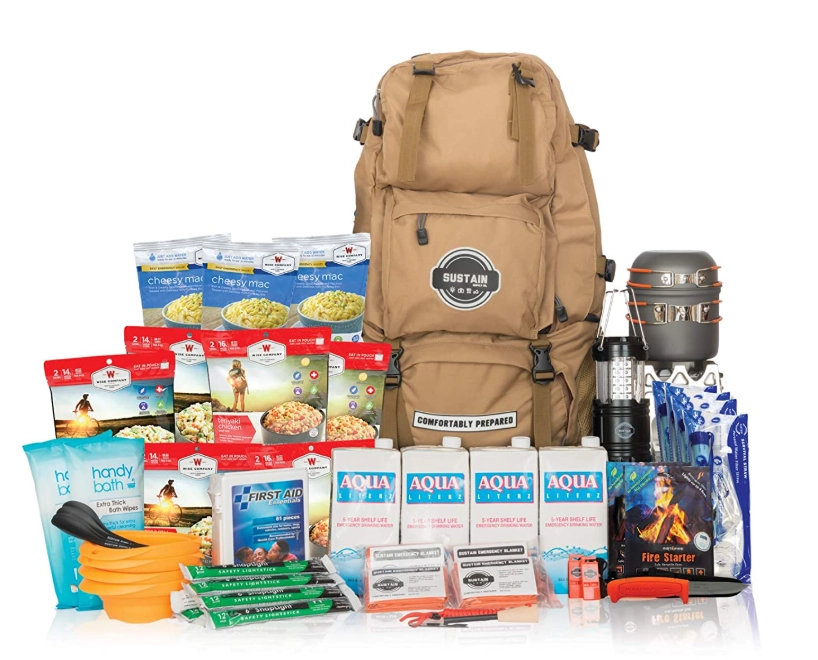
Expert Reality Check: The most common wilderness emergency isn't a bear attack; it's getting lost, injured, or caught in sudden bad weather. Your kit should primarily address these high-probability scenarios, not just low-probability Hollywood disasters.
I learned this the hard way on an early solo hike. A sunny forecast turned into a cold, drenching rain. I was fine, but my cheap poncho ripped immediately. My fire-starting tools were a basic lighter, useless on soaked wood. I spent a miserable few hours shivering, waiting for the rain to pass. That experience reshaped my entire approach. Now, my kit assumes everything will get wet and that I'll be tired, cold, and stressed when I need it.
How to Build Your Camping Survival Kit: A Step-by-Step Guide
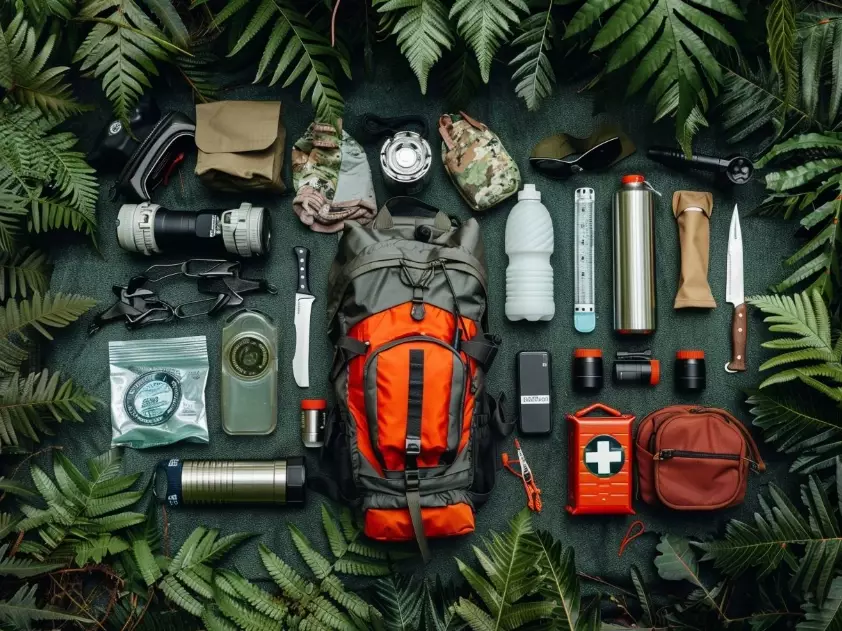
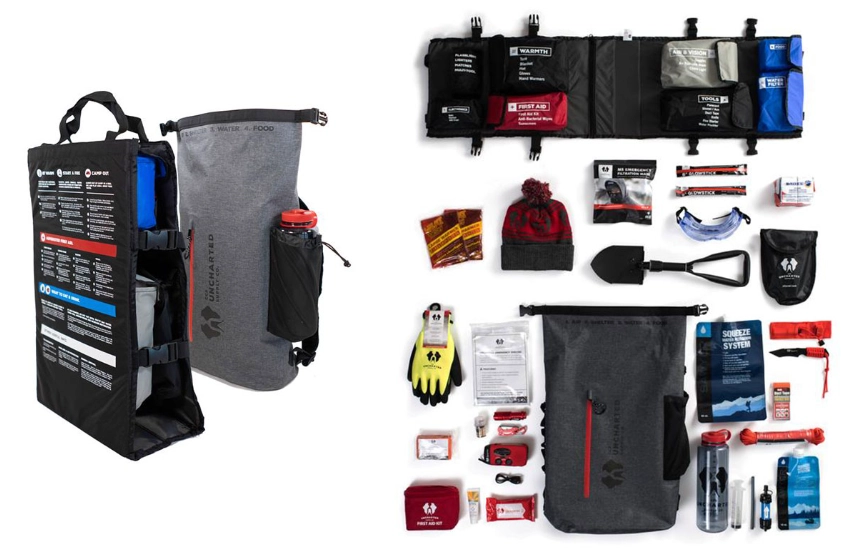
Don't just buy a pre-made kit. They're often filled with flimsy, generic items. Building your own ensures quality and forces you to understand each component's purpose. We'll break it down by survival priority: Shelter, Water, Fire, Food/Signaling, First Aid, and Tools.
1. Shelter & Warmth: Your First Line of Defense
Hypothermia is a silent, rapid killer. Your kit must have multiple ways to retain body heat.
- Emergency Space Blanket: Not the flimsy mylar sheet. Get a two-person thermal blanket with a reinforced, crinkly texture. It's louder but far more durable. You can use it as a ground sheet, a wrap, or a lean-to shelter reflector.
- Heavy-Duty Contractor Bag: A 3-mil, 55-gallon black plastic bag. This is arguably more versatile than a space blanket. Instant rain poncho, emergency bivvy sack (punch a small breathing hole near the top), or waterproof pack liner. It weighs nothing.
- Warmth: A compact, dry pair of wool or synthetic socks and a warm hat (beanie). Wet feet and heat loss from your head are major concerns.
2. Water: Finding and Making it Safe
You can only last about three days without water. Purification is non-negotiable.
- Primary Method: A small dropper bottle of 2% liquid iodine tincture. It works in cold water, is lightweight, and one bottle treats dozens of liters. The taste isn't great, but effectiveness is key.
- Backup Method: A few water purification tablets (like Aquatabs) as a secondary option. Always have two ways to purify.
- Carrying: A collapsible 1-liter soft flask or a few large, heavy-duty zip-top bags (they can hold water if needed).
3. Fire: Multiple Redundant Systems
One lighter is a plan for failure. You need redundancy.
- Primary: A full-size Bic lighter (taped to prevent accidental discharge).
- Secondary: A ferrocerium rod (ferro rod) with a scraper. Works when wet, in wind, and long after lighters fail.
- Tertiary: Stormproof matches or a sparking device like a metal match.
- Tinder: Don't rely on finding dry tinder. Pack a golf-ball-sized wad of cotton balls soaked in petroleum jelly in a small tin. It lights with a single spark and burns for minutes, even in damp conditions.
The Critical "Non-Negotiables" Most Lists Forget
Here's where experience talks. These items rarely make the flashy lists but have saved my skin more than any fancy knife.
| Item | Specific Recommendation | Why It's Crucial & Common Mistake |
|---|---|---|
| Headlamp | One with red-light mode to preserve night vision. Extra set of lithium batteries (they last longer in storage). | Panic increases in the dark. Trying to make a shelter or treat a wound in pitch black is nearly impossible. The mistake is packing it with your main gear, not in your always-accessible survival kit. |
| Signal Mirror | A dedicated, glass-acrylic mirror with an aiming sight. | On a clear day, a mirror's flash can be seen for over 10 miles by aircraft, far beyond the range of a whistle or flashlight. Most people pack a cheap, cosmetic mirror that's useless for signaling. |
| Duct Tape | Wrap 10-15 feet around an old gift card or water bottle. | Repairs gear (tent, pack, sleeping pad), can be used for blister prevention, makes an improvised bandage, or even helps start a fire. The mistake is not having any. |
| Sharpening Stone | A small, dual-grit pocket stone (e.g., Fallkniven DC4). | A dull knife is dangerous and useless. In a survival situation, you'll use your knife for tasks that dull it quickly. Everyone packs a knife; almost no one packs a way to sharpen it. |
| Mental Comfort Item | A small bag of hard candy, a tea bag, or a few squares of dark chocolate. | Morale is a survival tool. A small sugar boost and a moment of normalcy can drastically improve decision-making when you're stressed and cold. It's never listed, but it matters. |
According to the U.S. Forest Service, many search and rescue incidents are prolonged because individuals are not equipped with effective signaling devices. A mirror and a whistle are their top recommendations for increasing visibility.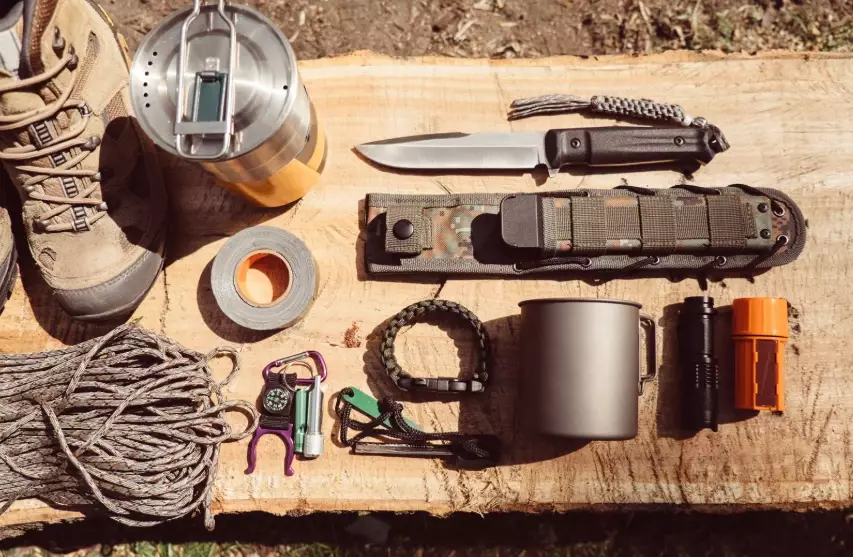
Organizing and Carrying Your Kit: The Practicalities
A disorganized kit is a useless kit. Use a durable, waterproof container like a heavy-duty dry bag or a hard-sided plastic case (an OtterBox or similar).
Pack it in logical modules: Use small zip-top bags or silicone pouches. One for fire, one for first aid, one for tools. This prevents a frantic dump-and-search in poor conditions. Your kit should be small and light enough that you always take it with you, even on short day hikes away from your main campsite. This is the rule most people break, and it's how day hikers get into serious trouble.
Twice a year, empty the entire kit. Check batteries, test the lighter, replace expired medications, and practice using the ferro rod and signal mirror. Familiarity breeds competence.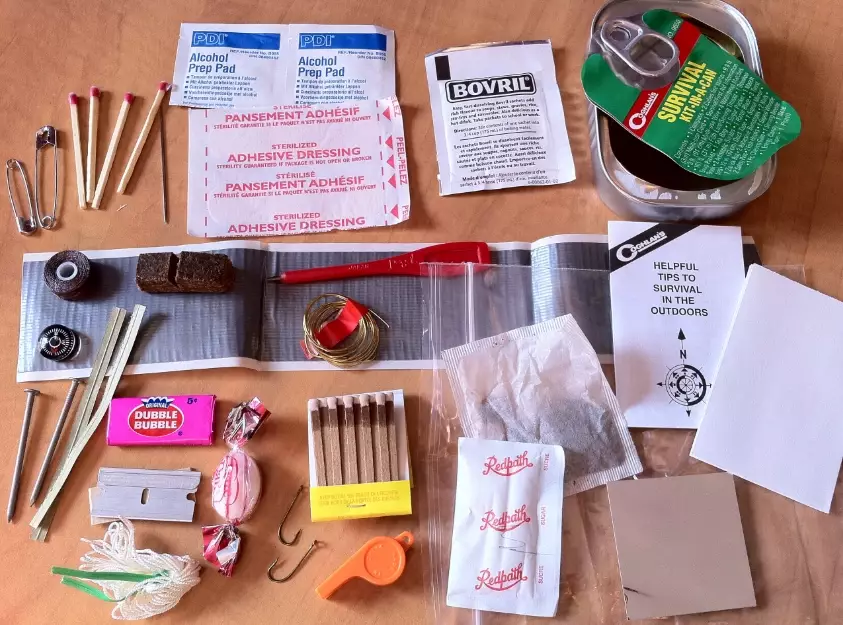
Your Camping Survival Kit Questions Answered
I have a good multi-tool. Do I really need a separate fixed-blade knife in my survival kit?
Yes, and here's why. Under stress or with cold, clumsy hands, folding open a multi-tool blade is fiddly and potentially dangerous. A fixed-blade knife is instantly ready for batoning wood (splitting it to get to dry kindling inside), which is a critical fire-making task in damp conditions. A multi-tool is great for repairs, but your survival knife should be simple, robust, and always accessible. Think of it as your primary wood-processing tool.
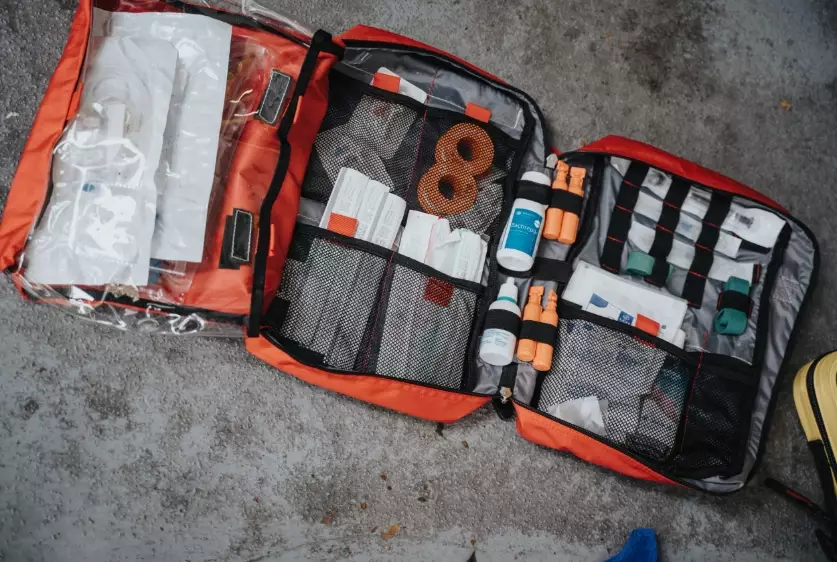
How do I choose a first aid kit for camping that isn't just full of band-aids?
Most pre-packaged kits are designed for urban scrapes. Build or augment yours for the wilderness. Prioritize: 1) Bleeding control: A quality tourniquet (like a CAT or SOFTT-W) and hemostatic gauze (QuikClot). Learn how to use them. 2) Blister care: Moleskin or specialized blister pads like Hydrocolloid bandages. Blisters can immobilize you. 3) Wound closure: Steri-Strips or butterfly closures for deeper cuts. 4) Medications: Include an antihistamine for allergic reactions, ibuprofen, and any personal prescriptions. A small manual on wilderness first aid is worth its weight.
 What's the one item you added to your kit after a real-world experience that you'd never go without now?
A small, compact power bank (about 5,000mAh) and a short charging cable for my phone. It's not for social media. A phone is your potential GPS, camera for documenting location/plants, and primary emergency communication device if you get a signal. Keeping it from dying is a modern survival priority. I keep mine in a separate waterproof case within the main kit.
Is it overkill to have a survival kit for car camping?
Not at all. Your car can break down in a remote area. A severe storm can flood roads or knock down trees, isolating your site. Having a robust kit in your vehicle means you're prepared whether you're on a trail or at the campground. It should include extra water, blankets, and perhaps a folding shovel in addition to the personal kit. The principles are the same: prepare for shelter, water, and warmth away from your primary resource (your functional car or your campsite).