Quick Navigation
Let's be honest. The idea of camping can be equal parts thrilling and terrifying. You see those perfect Instagram photos of serene lakes and cozy tents, but in the back of your mind, you're wondering about bugs, bad weather, and forgetting something crucial like a can opener. I get it. My first solo trip involved a tent I couldn't figure out, a sleeping bag that was way too thin, and a profound sense of regret by midnight.
But here's the thing – it gets better. Much better. With a bit of know-how, camping transforms from a survival challenge into one of the most rewarding ways to disconnect and recharge. This guide isn't about becoming an extreme survivalist. It's about giving you the straightforward, no-nonsense camping tips you need to have a comfortable, safe, and genuinely enjoyable time outdoors. We'll walk through everything, from that initial "where do I even start?" panic to the satisfying moment you pack up a clean campsite.
Before You Go: The Plan That Prevents Panic
Jumping straight to buying gear is a classic mistake. The foundation of a good trip is a solid plan. This is where the most valuable camping tips live – in the preparation stage.
Choosing Your Destination and Campsite
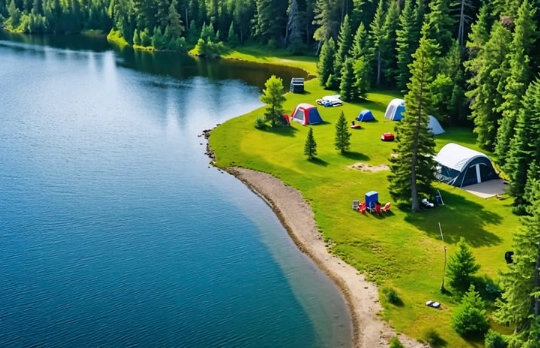
Not all campgrounds are created equal. For your first few trips, I strongly recommend a developed campground. These usually have designated sites, a flat tent pad, a picnic table, a fire ring, and access to shared amenities like restrooms and potable water. It's camping with training wheels, and there's absolutely no shame in that. It lets you focus on the experience rather than pure survival.
Resources like Recreation.gov for federal lands (US) or your state's park website are goldmines. Read the reviews! Other campers will give you the real scoop on site privacy, noise levels, and whether Site 45 really has that amazing lake view.
I once booked a site described as "secluded" that turned out to be 10 feet from the main bathroom door. Lesson learned: reviews over descriptions, every time.
The Art of the Camping Checklist
Forgetting something at home is inevitable, but a list minimizes the big mistakes. Don't just think "food." Think: breakfast, lunch, dinner, snacks, coffee. Don't just think "clothes." Think: hiking clothes, sleeping clothes, camp clothes, rain jacket, extra socks (always extra socks).
Here’s a core checklist to build from. Adapt it for your climate and trip length.
| Category | Essential Items | Pro-Tip / Why It's Crucial |
|---|---|---|
| Shelter & Sleep | Tent, footprint/ground tarp, sleeping bag, sleeping pad, pillow. | The sleeping pad is NOT optional. It provides insulation from the cold ground. A foam pad is cheap and bombproof; an inflatable one is more comfortable. |
| Kitchen & Food | Stove & fuel, lighter/matches, pot/pan, bowl/plate, mug, spork, knife, cooler, food, water containers, biodegradable soap, small towel. | Plan simple meals. Pre-chop veggies and pre-mix spices at home. A cold soak system (like oats in a jar) is a foolproof no-cook breakfast. |
| Clothing | Moisture-wicking base layers, insulating mid-layer (fleece), waterproof outer layer, hat, gloves, 2-3 pairs of socks, sturdy shoes, camp shoes (sandals/crocs). | Cotton kills (it holds moisture and steals body heat). Stick to wool or synthetic fabrics, even in summer. Trust me on the camp shoes—freeing your feet is a luxury. |
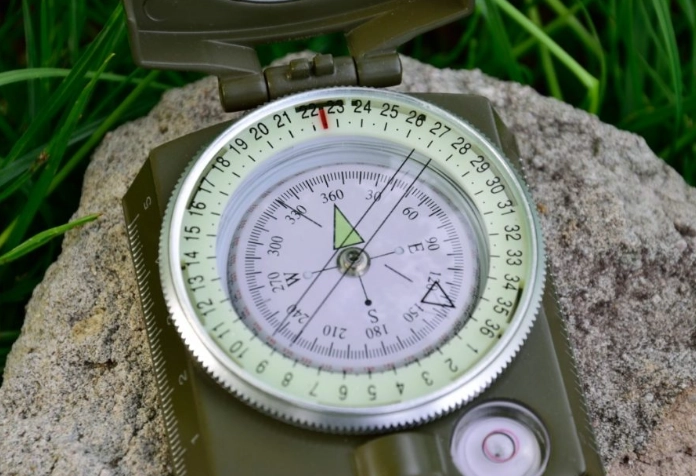
| Tools & Safety | Headlamp (with extra batteries), multi-tool, duct tape, 50 ft of paracord, first-aid kit, map & compass (not just phone), whistle, sunscreen, insect repellent. | Your phone will die. A physical map and a headlamp that leaves your hands free are non-negotiable safety items. Assemble a custom first-aid kit; don't just buy a pre-made tiny one. |
See? Breaking it down makes it manageable. Now, let's talk about the single most important piece of gear you'll buy.
The Gear Lowdown: Where to Spend and Where to Save
The outdoor industry wants you to believe you need the latest, lightest, most expensive everything. You don't. For car camping, durability and function beat ultralight weight every time.
Shelter: Your Home Away From Home
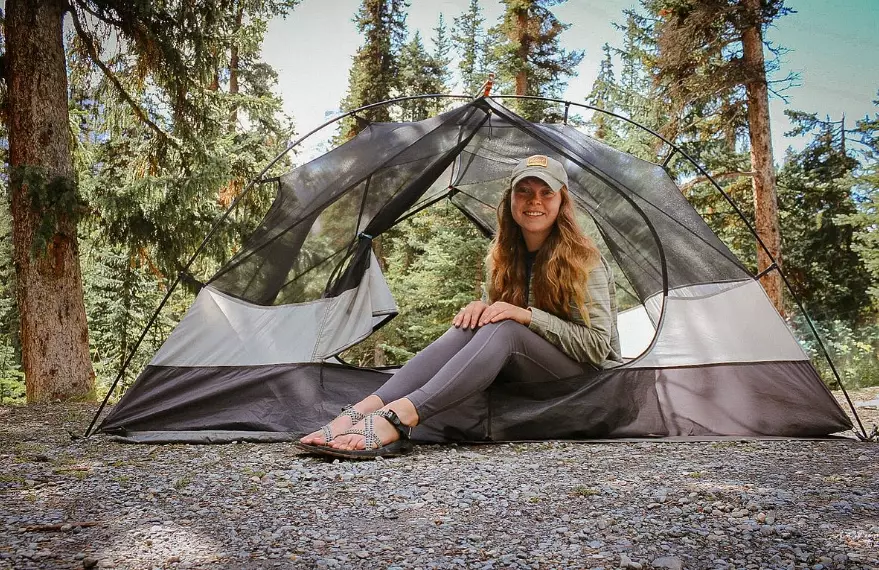
Your tent is your sanctuary. The biggest camping tip here is to pay attention to the "person" rating. A 2-person tent fits two people… and nothing else. If you want space for your gear, or just don't like feeling claustrophobic, size up. A 3-person tent for two people is a sweet spot.
Practice setting it up in your backyard or living room before you go. In the dark, in the rain, with mosquitoes buzzing, is not the time to decipher confusing poles for the first time. I learned this the hard way, and my language was… not family-friendly.
Sleep System: The Key to Not Hating Your Life
If you're cold and uncomfortable all night, you will hate camping. Your sleeping bag should be rated for temperatures colder than you expect. A 30°F bag is good for summer; for spring/fall, go for 20°F or lower. The sleeping pad has two jobs: cushioning and insulation (its R-value). A higher R-value (3+) is needed for colder weather.
Honestly, you can use an old pillow from home. No need for a fancy camping pillow initially.
The Kitchen Box: Making Meals Simple
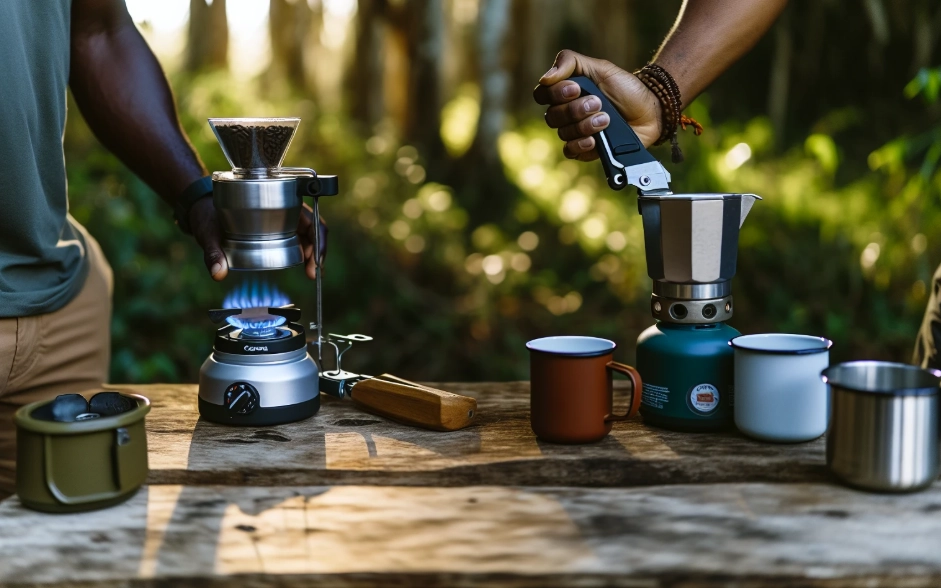
A basic two-burner propane stove is perfect for starters. It's stable and easy. For cookware, a non-stick frying pan and a medium pot with a lid will handle 95% of meals. Don't overcomplicate it. A classic mistake is bringing a giant, heavy cooler you can't lift. Pre-freeze some of your food and water bottles—they'll act as ice blocks and slowly thaw into drinks.
So you've got your gear. You've arrived. Now what?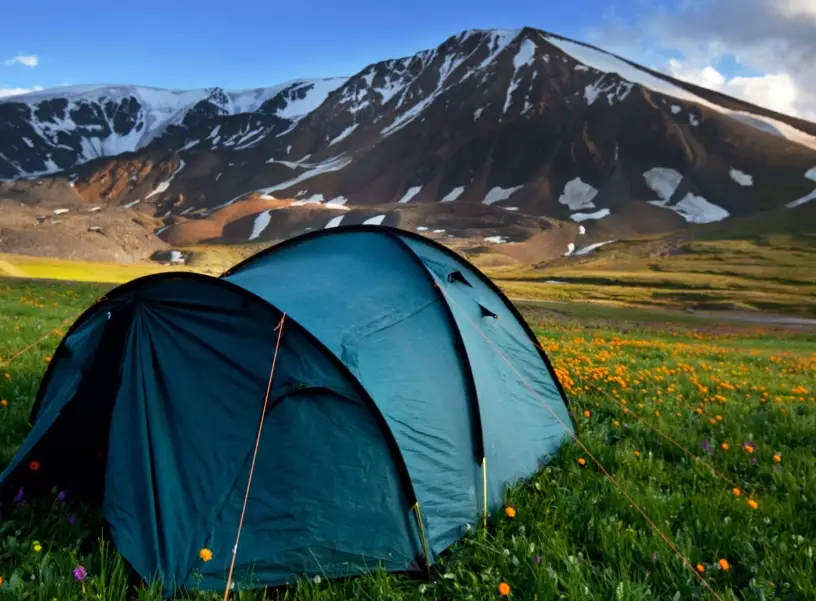
Setting Up Camp: First Impressions Matter
Pulling into your site can be overwhelming. Take a breath and follow a logical order.
Step 1: Scout. Before unloading everything, walk the site. Where is the most level, high ground for the tent (avoid depressions where water will pool)? Where is the sun path? (Morning sun on the tent is nice for warming up). Where will you cook? Keep cooking at least 10 feet downwind from your tent because of food smells attracting animals.
Step 2: Shelter First. Get the tent up. Lay down your footprint, then pitch the tent on top. Stake it out properly, even if it's not windy—weather changes. This is a core camping tip for avoiding a midnight collapse.
Step 3: Organize Zones. Create a "kitchen" area on the picnic table or a flat spot. Create a "gear storage" area, maybe under the picnic table or in your car's trunk. Keep your sleeping area clean and only for sleeping. This mental organization reduces clutter and stress.
Camp Life: Food, Fire, and Fun (Safely)
Camp Cooking Made Easy
You don't need to be a gourmet. One-pot meals are your friend: chili, stews, pasta, hearty soups. Prep at home. Foil packet dinners (protein + veggies + seasoning) thrown on the fire coals or grill are delicious and involve zero cleanup. For a foolproof first trip? Hot dogs and baked beans. No shame.
Store all food, trash, toiletries, and anything with a scent in a hard-sided vehicle or a provided food locker (bear box). Every time. Not just at night. This protects you and the wildlife. The National Park Service has excellent guidelines on this that apply to raccoons and squirrels just as much as bears.
Mastering the Campfire (If Allowed)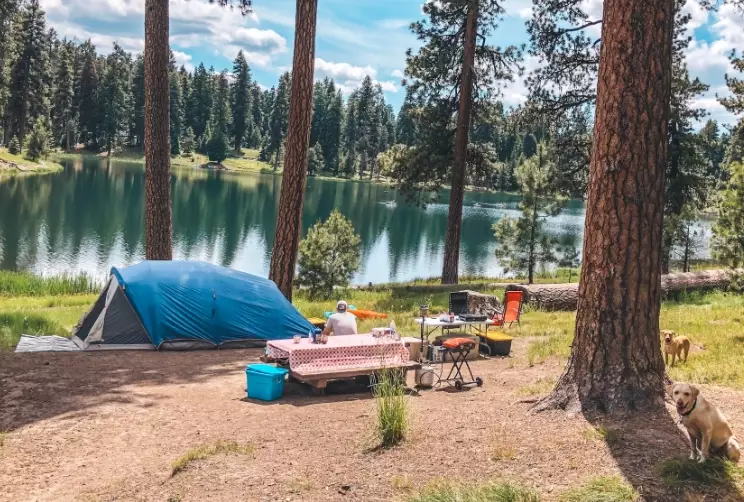
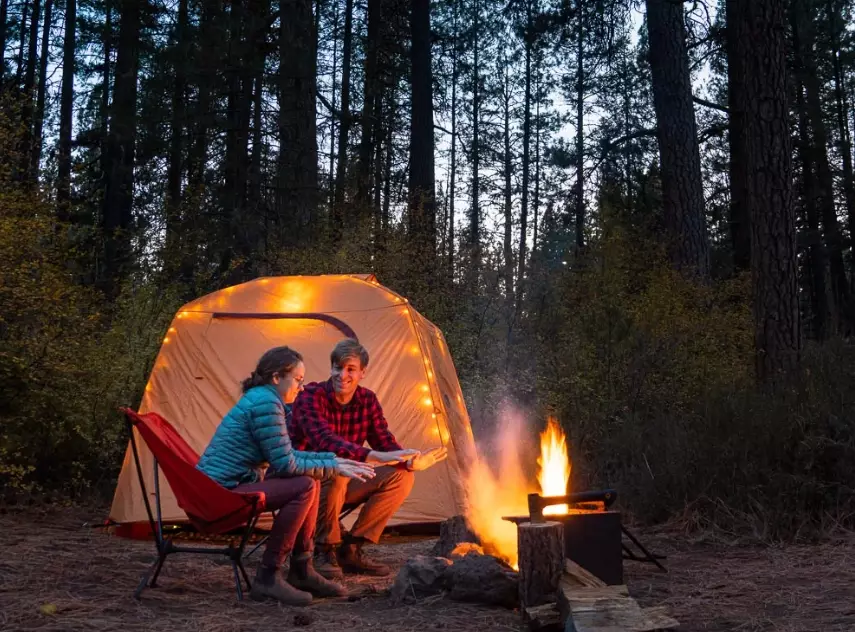
Always check for active fire bans. If fires are permitted, use the existing fire ring. Keep the fire small and manageable. The classic teepee method with small tinder (dry leaves, twigs) at the center, surrounded by progressively larger kindling, works well. Have water or a shovel nearby before you light it.
The most important camping tip for fires? Put it out COLD OUT. Drown it with water, stir the ashes, drown it again, and feel the ashes with the back of your hand. If it's warm, it's not out.
Leaving No Trace: It's Not Just a Slogan
This is the ethic that keeps the outdoors beautiful for everyone who comes after you. The principles from the Leave No Trace Center for Outdoor Ethics are the bedrock of responsible camping.
Plan ahead, travel on durable surfaces, dispose of waste properly (pack out ALL trash, including food scraps and toilet paper if there's no toilet), leave what you find (rocks, plants, historical objects), minimize campfire impacts, respect wildlife, and be considerate of other visitors.
It sounds formal, but it boils down to common sense and respect. Your goal should be to leave the site looking better than you found it. Pick up a few pieces of micro-trash, even if they aren't yours.
Answering Your Top Camping Questions
Let's tackle some of the specific worries that might be bouncing around in your head.
Parting Thoughts: Embrace the Imperfections
The best camping tips in the world can't guarantee perfect weather or that you won't forget the salt. Something will probably go slightly wrong. That's part of it. The point isn't to replicate the comfort of home; it's to experience something different—the smell of pine, the sound of a crackling fire, the stunning clarity of stars without light pollution.
My most memorable trip wasn't the one with perfect weather. It was the one where a sudden downstorm sent us scrambling, laughing, to secure the tent, and we spent the evening playing cards by lantern light, listening to the rain on the fly. It was messy and imperfect and absolutely wonderful.
Start simple. Go for one or two nights at a nearby state park. Use your checklist. Focus on the basics: a safe place to sleep, simple food, and warm clothes. The rest is just details that you'll learn with each trip. The wilderness isn't a museum; it's a place to be experienced. Get out there, be prepared, be respectful, and have fun. You've got this.