In This Guide
Let's be real. Walking into a store or browsing online for hunting camo can feel overwhelming. There are more patterns, brands, and tech claims than you can shake a stick at. Mossy Oak Break-Up, Realtree Edge, ASAT, Kuiu Vias… it's enough to make your head spin. And everyone's trying to sell you on their pattern being the "best." But here's the thing they don't always tell you: the "best" hunting camouflage is entirely dependent on where you hunt, what you hunt, and how you hunt.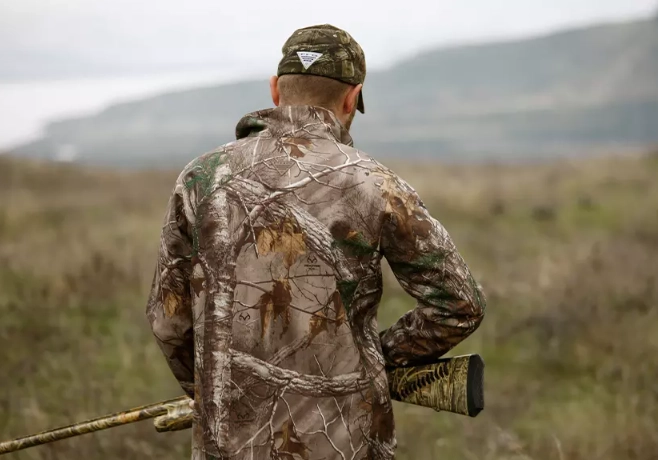
I remember my first season. I bought the coolest-looking, most advertised camo jacket I could find. It was covered in detailed leaves and branches. Looked awesome in my living room. Got out to the oak ridge I was hunting, and I stuck out like a sore thumb. The colors were too dark, the pattern was all wrong for the late-season gray and brown backdrop. That was an expensive lesson.
So, let's cut through the marketing hype. This guide isn't about pushing one brand. It's about understanding the principles of concealment so you can make smart choices. We'll break down the different types of hunting camo patterns, talk about the gear itself, and share some hard-earned tips that have nothing to do with what's printed on the fabric.
Hunting Camo Patterns Decoded: What Actually Works Where
Patterns fall into a few main families. Think of them as tools for different jobs.
Woodland & Forest Patterns
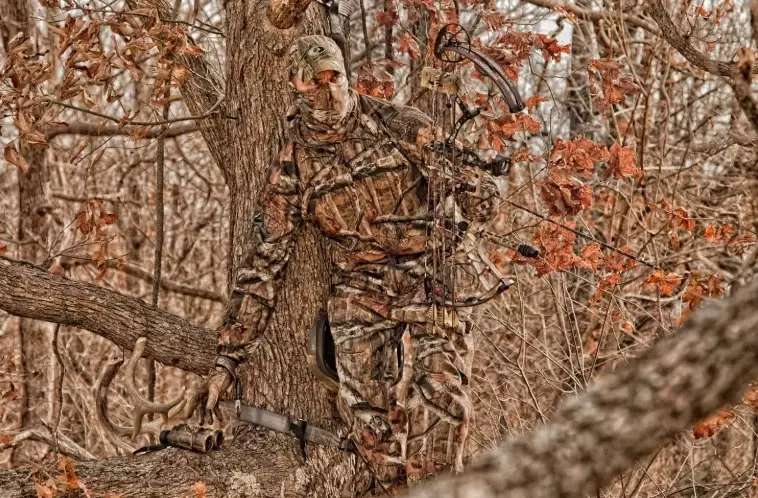
These are your classics. Designed for dense trees, they use a lot of vertical elements (simulating tree trunks) and mid-sized leaf clusters. Think Realtree Xtra, Mossy Oak Bottomland, or older patterns like Trebark. They work well when you're in the thick stuff, backed against a tree. Their weakness? Open fields or sparse timber. The contrast can be too high.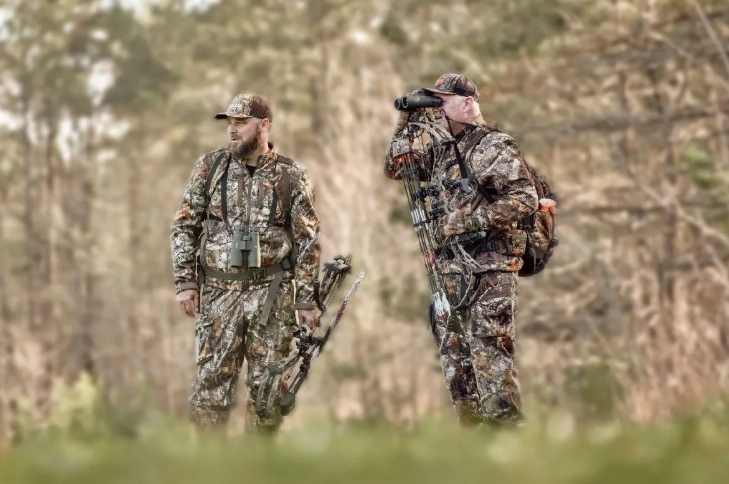
Open Country & Prairie Patterns
Built for grasslands, sagebrush, and agricultural fields. Patterns like Mossy Oak Brush, ASAT, or King's Desert Shadow use more horizontal breaks, lighter tans and browns, and mimic grasses and dirt. They're fantastic for spot-and-stalk in the West or hunting over crop fields. In a dark forest, you'll glow.
All-Purpose / Transitional Patterns
This is where most of the marketing firepower is. Patterns like Realtree Edge, Mossy Oak Break-Up Country, or First Lite Fusion are designed to work in a wider variety of settings. They mix elements—some micro-details, some macro-blobs. They're a great choice if you hunt multiple terrains or don't want to buy five different sets of gear. Are they perfect everywhere? No. But they're very good in many places, which is the point.
3D & Ghillie-Style Camo
This is texture-based concealment. 3D leafy suits or ghillie suits add physical depth and shadows, breaking up your outline incredibly well from all angles. They're the gold standard for turkey hunting and bowhunting from the ground. The downside? They're bulky, snag on everything, and can be hot. I love my 3D suit for spring turkey, but I'd never wear it on a long mountain hike.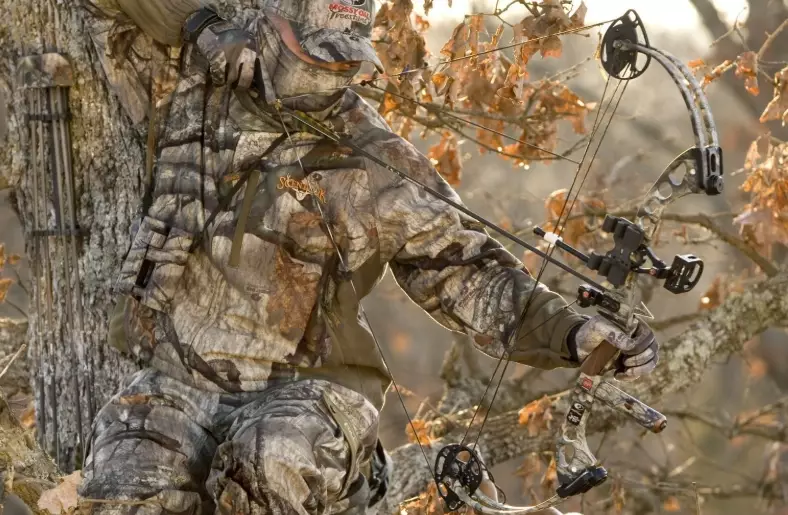
Here’s a quick breakdown to help you match a pattern to your primary environment:
| Primary Hunting Environment | Recommended Pattern Type | Key Features to Look For | Example Patterns (Various Brands) |
|---|---|---|---|
| Dense Hardwood Forest (Early Fall) | Woodland/Forest | Greens, browns, vertical tree-bark elements, detailed leaves. | Mossy Oak Shadow Oak Habitat, Realtree Timber |
| Late Season/Bare Timber & Brush | Woodland/Transitional | More browns and grays, less green, larger, softer shapes. | Mossy Oak Bottomland, Realtree Brown |
| Agricultural Fields & Fencerows | Open Country/Transitional | Tans, light browns, horizontal grass-like elements, open spaces in the pattern. | Realtree Field, ASAT, King's Mountain Mimicry |
| Rocky Terrain & High Desert | Open Country/Alpine | Light grays, tans, rocky texture simulation, low contrast. | First Lite Specter, Sitka Subalpine, Kuiu Verde |
| All-Round Mixed Terrain | All-Purpose Transitional | Balance of macro/micro, mix of greens, browns, and grays. | Realtree Edge, Mossy Oak Break-Up Country, Natural Gear |
Beyond the Pattern: The Gear That Actually Matters
Okay, you've picked a pattern. Now what? The jacket and pants are just the start. The quality of the garment is often more important than the specific hunting camo printed on it.
Fabric and Function
This is where you separate the toys from the tools. Look for features that match your hunting style.
- Quietness: For still-hunting or bowhunting, this is non-negotiable. Brushed polyester, soft fleece, or microsuede fabrics are quiet. Avoid stiff, nylon-y fabrics that rustle with every move.
- Water Resistance & Breathability: Hunting means weather. A DWR (Durable Water Repellent) finish is a good start for light rain. For wet climates, you'll need a waterproof/breathable membrane (like Gore-Tex). But remember, "waterproof" often means less breathable. Don't get a heavy rain jacket for a high-exertion spot-and-stalk hunt—you'll sweat yourself out.
- Insulation: Layering is key. Your outer camo layer should be a shell. Add insulating layers (fleece, puffy jackets) underneath. Some companies make insulated bibs and parkas for bitter cold stand hunting. They're great for that one job, but not versatile.
The Layering System: Your Real Secret Weapon
Forget buying a single thick jacket. A good system looks like this:
- Base Layer: Moisture-wicking. Merino wool (my personal favorite) or synthetic. This manages sweat.
- Mid Layer(s): Insulation. Grid fleece, wool shirt, lightweight puffy. This traps heat.
- Outer Layer (Shell): Your hunting camo. This provides wind protection, light rain resistance, and of course, concealment.
This system lets you adapt from a cold morning sit to a warm afternoon hike by adding or shedding layers. The National Deer Association has some excellent resources on hunter preparedness that emphasize layering for safety and comfort, not just warmth.
Science, Sight, and Scent: The Trifecta of Concealment
Animals don't see the world like we do. Understanding this changes how you think about your hunting camo.
How Game Animals See Color
Deer, for example, are dichromats. They see blues and yellows quite well, but reds and greens appear as shades of yellow and gray. This is why that bright orange safety vest looks dull to them—it's in their "yellow" spectrum. The takeaway? Contrast and movement matter more than specific green hues. However, they are exceptionally good at detecting UV brightness. Some laundry detergents contain UV brighteners, making your clothes "glow" to a deer. Use a UV-free detergent like Sport-Wash or Hunters Specialties.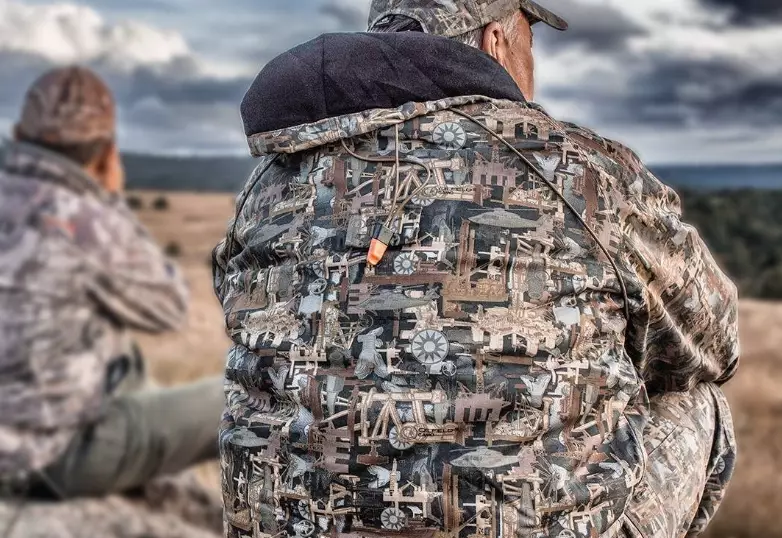
Turkeys, on the other hand, have incredible color vision, similar to ours. For turkey hunting, color matching is much more critical.
The Movement Killer
No pattern in the world will hide flailing arms or a turning head. This is where hunting technique overshadows gear. Move slowly, deliberately. Use natural cover for your movements. When you do move, a broken-up pattern helps, but disciplined stillness is your best friend.
Scent Control: The Invisible Factor
You could be wearing the world's best hunting camo, but if a whiff of your scent hits a deer's nose, the game is over. View scent control as part of your total concealment strategy. This means playing the wind, using scent-eliminating sprays, and storing your gear in a scent-free container. Some camo clothing comes with built-in scent-control technology (like silver-based antimicrobial treatments). Does it work? It can help reduce human odor, but it's not a magic force field. Nothing replaces wind awareness. The US Forest Service publishes fascinating studies on animal behavior and senses that reinforce why wind direction is the hunter's first priority.
Your Hunting Camo Checklist & Common Pitfalls
Before you buy, run through this list.
- Does the pattern suit my PRIMARY hunting location? (Don't buy for the one trip you might take).
- Is the fabric quiet enough for my style of hunting?
- Does it fit well over my intended base and mid layers? (Try it on with layers!).
- Are the pockets in the right places? Can I access my calls, rangefinder, or phone easily?
- Is it durable? Reinforced knees and seat are worth it.
Common Mistakes:
- Overthinking the Pattern: Spending hundreds more for a 5% "better" pattern while wearing blue jeans underneath.
- Ignoring Fit and Comfort: If it's restrictive or uncomfortable, you'll fidget. Fidgeting means movement.
- Washing with Scented Detergent: You might as well hang a air freshener on your backpack.
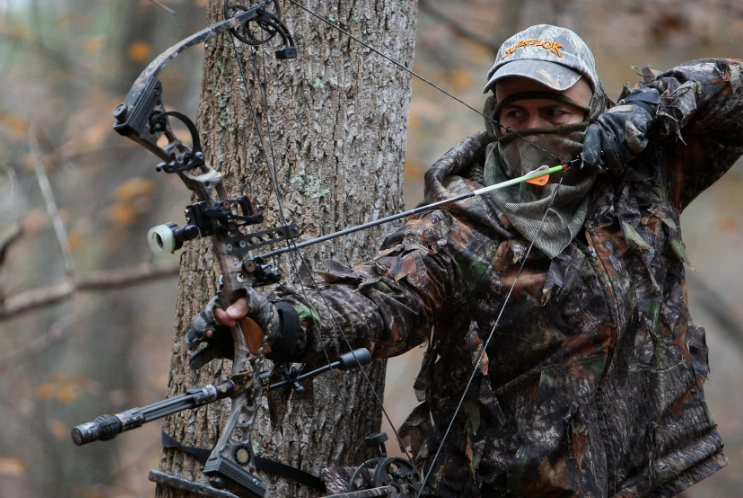
- Forgetting Your Feet and Face: Camo from the neck down isn't full camo.
Straight Answers: Your Hunting Camo Questions
Wrapping It Up: Think Like a Hunter, Not a Model
Choosing your hunting camo shouldn't be about what looks cool in a catalog. It's a practical decision. Start with your environment. Pick a pattern family that fits. Then, invest in the quality of the garment—its quietness, weather resistance, and fit. Assemble a layering system.
Remember, the camo is just one part of the equation. Your movement, your scent, and your understanding of the animal's senses are what turn good concealment into true invisibility. Now get out there, make a smart choice, and most importantly, stay still and hunt hard.