Let's be honest. The idea of family camping often sounds better than the reality of packing for it. You're staring at a pile of gear, wondering if you need a second car just for the stuffed animals. I've been there. After a decade of camping with my own kids, from soggy misadventures to glorious star-filled nights, I've learned that success hinges not on having the fanciest gear, but on a core list of well-chosen, reliable essentials. This isn't another generic list. This is the distilled, battle-tested guide to the camping essentials your family actually needs to have fun, stay safe, and want to go back for more.
Your Quick Camping Prep Guide
How to Build Your Core Family Camping Shelter System
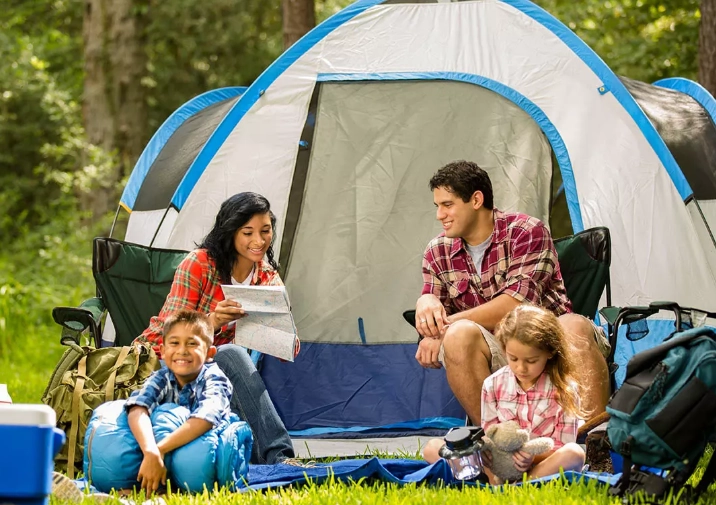
This is where most trips are made or broken. A cold, wet, cramped family is a miserable family. The biggest mistake? Choosing a tent based on its "person" rating. A 4-person tent fits four sleeping bags and nothing else. For a family of four, you need a 6-person tent minimum. This gives space for gear, changing clothes, and a buffer when kids inevitably roll around.
My pick after years of trial and error? A cabin-style tent with near-vertical walls. The extra headroom is a game-changer for dressing kids and overall mood. Don't just buy online. Go to a store like REI, get inside the tent with your family, and pretend to lay down. Is there room for your stuff? A good rainfly that extends to the ground is non-negotiable.
Sleep is everything. The ground is cold and hard. A cheap foam pad might work for a hardy teen, but for kids and adults, invest in insulated sleeping pads with an R-value of at least 3. For bags, think temperature rating. A 30°F bag is good for most summer nights, but always check the forecast. My pro-tip: use old bedsheets or lightweight sleeping bag liners inside the bags. It keeps the bag cleaner and adds a touch of home comfort that kids love.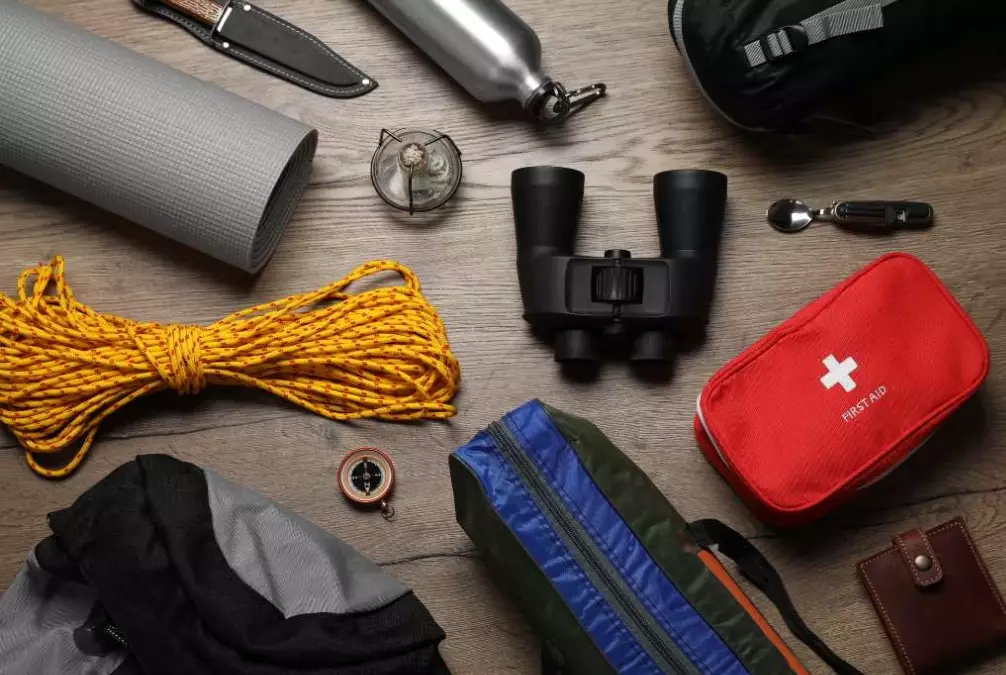
How do you feed a family in the wild? Kitchen & Food Essentials
Camp cooking shouldn't be a gourmet challenge. It should be simple, filling, and fun. Ditch the idea of complex recipes for the first trip.
| Category | Essential Items | Pro-Tip / Why It's Critical |
|---|---|---|
| Cooking Hardware | Two-burner propane stove, fuel canister(s), lighter/matches, medium pot with lid, large frying pan, sturdy spatula/tongs, sharp knife, cutting board (small), collapsible sink or wash bins. | Propane is stable and easy for beginners. Always bring a backup ignition source. The collapsible sink is for washing, not just dishes—think post-meal kid hand washes. |
| Food & Storage | Cooler with ice blocks, reusable water jug (5-7 gallon), waterproof food storage bins, zip-top bags (various sizes), aluminum foil, basic spices (salt, pepper, garlic powder). | Pre-chill your cooler for 24 hours. Use blocks, not cubes—they last longer. Store food in bins to keep critters out and stay organized. A study by the National Park Service emphasizes proper food storage to avoid attracting wildlife. |
| Meal Strategy | Pre-make & freeze meals (chili, pasta sauce), foil packet ingredients (veggies & protein), pancake mix (just add water), hot dogs/brats, snacks galore (trail mix, fruit bars). | Frozen meals act as extra ice in the cooler. Foil packet dinners are foolproof and let kids assemble their own. Over-pack snacks—hungry kids are cranky kids. |
Hydration is a silent priority. Plan for at least one gallon of water per person per day, more for cooking and cleaning. A dedicated large jug is better than a case of small bottles (less waste).
The Clothing & Personal Gear Most Families Forget
Cotton kills. It's an old hiking adage because cotton absorbs moisture and loses all insulating power when wet. For camping, dress everyone in synthetic or wool layers.
The Magic of Layers: A moisture-wicking base layer, a warm mid-layer (fleece), and a waterproof/windproof outer shell. Even in summer, nights get cold. Pack one complete warm set just for sleeping—clean, dry, and cozy.
Footwear is another common pitfall. Don't just pack sneakers. Every family member needs a pair of closed-toe shoes for camp (protects from stubbed toes and embers) and a pair of sturdy sandals or water shoes for showers and creek play.
Personal items often get short-changed: a headlamp for each kid (hands-free is key), their own reusable water bottle, a small backpack for day hikes, and a dedicated "comfort item" like a favorite small blanket or pillow. These small things provide huge psychological comfort.
Non-Negotiable Safety Items & Comfort Extras
This is the "peace of mind" category. You might not use it, but you'll be glad it's there.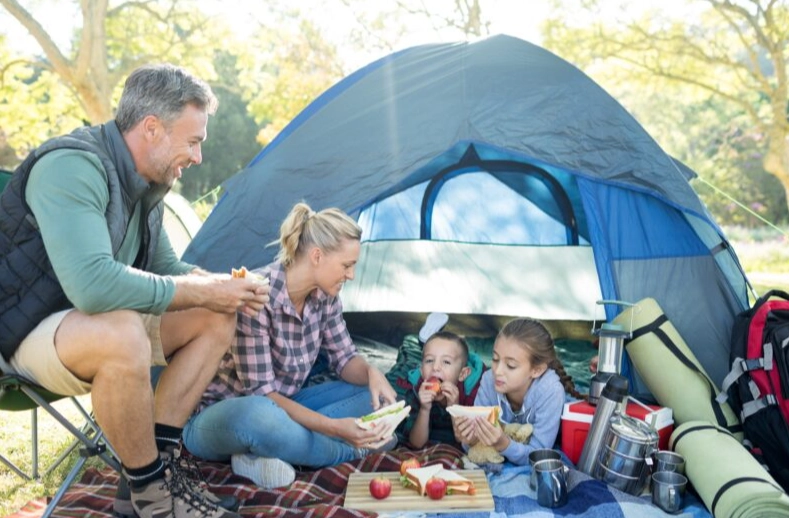
Safety First
A well-stocked first-aid kit is mandatory. Beyond band-aids, include tick removal tools, antiseptic wipes, blister treatment, children's pain/fever reliever, and any personal medications. A Red Cross guide can help you build a comprehensive kit. Have a physical map of the area and know the address/name of the campground for emergencies. A multi-tool or knife, duct tape (wrapped around a water bottle), and extra rope can fix a thousand problems.
Comfort Multipliers
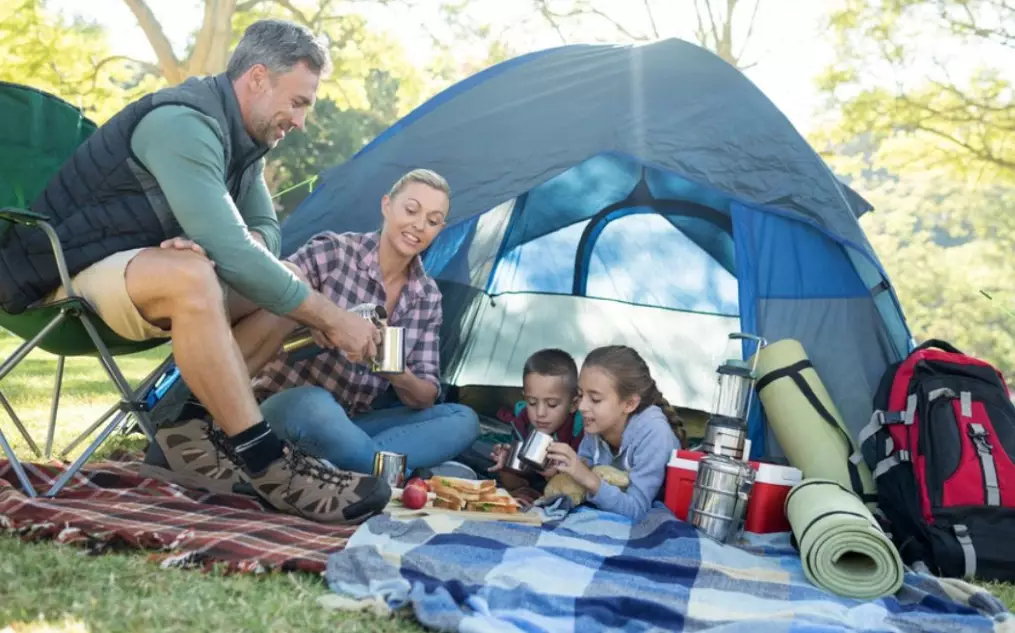
These transform a basic trip into a great one: Camp chairs for everyone (kid-sized ones are cheap and make them feel included). A folding table if your site doesn't have a good picnic table. A battery-powered lantern for ambient camp light (avoid gas lanterns with young kids). A simple tarp and rope to create a sun/rain shelter over your eating area. A few old towels you don't mind getting dirty. And finally, a bin for "camp toys"—not electronics, but a frisbee, a ball, a nature scavenger hunt list, and a deck of cards.
A Realistic Family Camping Packing Strategy
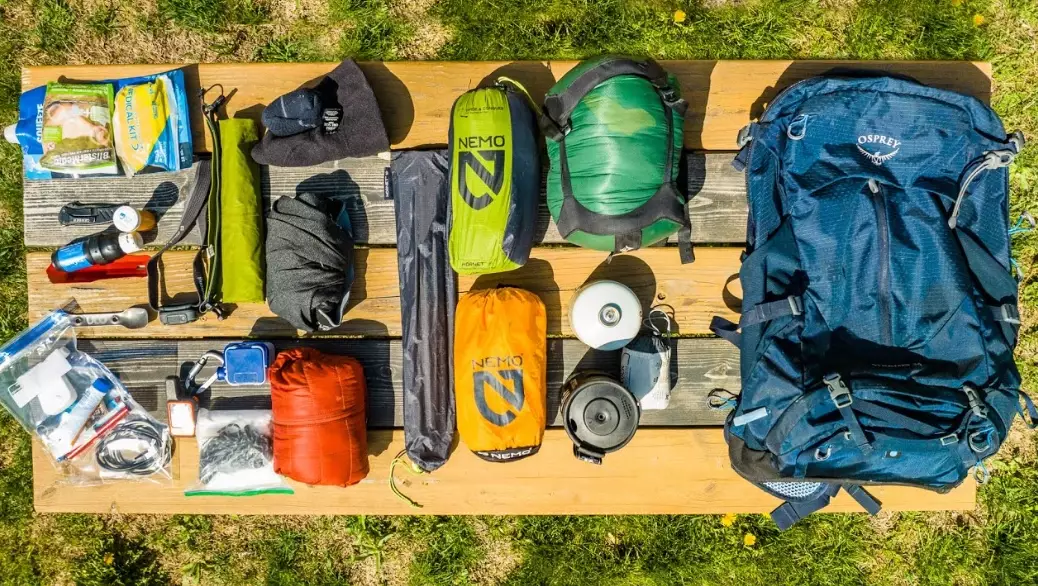
Don't pack the night before. Start a dedicated "camping bin" in your garage or closet. Keep non-perishables in it: the stove, lantern, headlamps, tools, etc. This cuts packing stress in half.
Pack by category and use clear bins: one for kitchen, one for shelter/sleep, one for clothes. Label them. When you load the car, think about access. The stuff you need first (tent, sleeping bags) goes in last. The cooler and snack bag should be easy to reach for immediate morale boosting upon arrival.
Involve the kids. Give them their own small bag or list to pack their clothes and choose one special toy. It gives them ownership.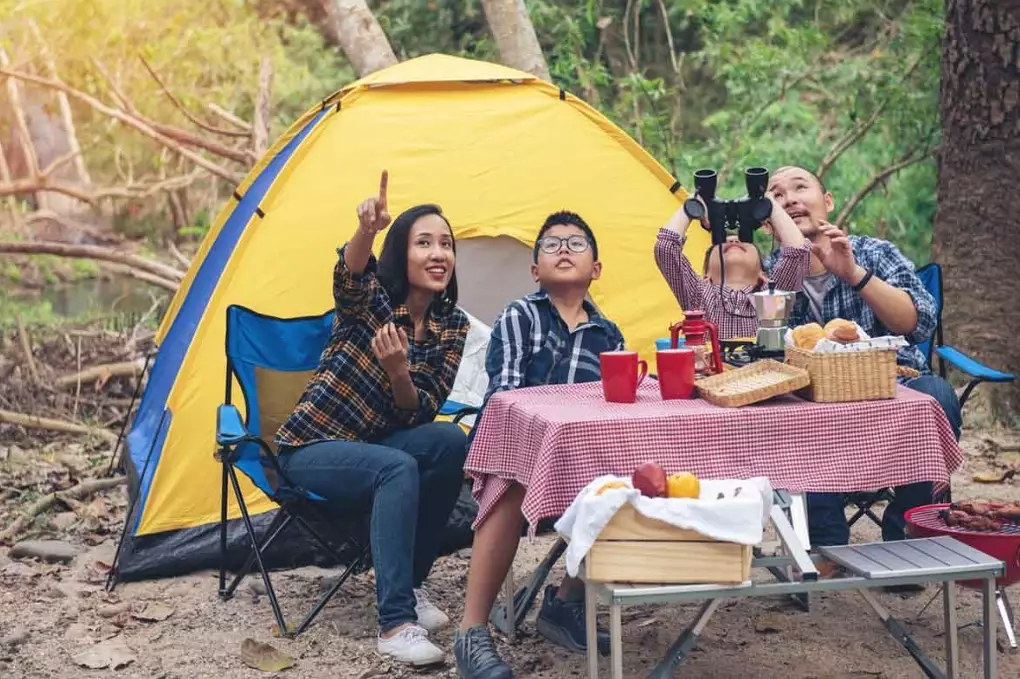
Your Family Camping Questions, Answered
 We're on a tight budget. What camping essentials can we skip or buy cheaply at first?