You're planning a tent camping trip, and you want to get it right. Forget the overwhelm—I've been there, packing too much or forgetting crucial items. After years of camping, from solo hikes to family outings, I've honed a list of tent camping essentials that actually work. This isn't just another generic checklist; it's a practical guide based on real experience, designed to save you time, money, and frustration. Let's dive in.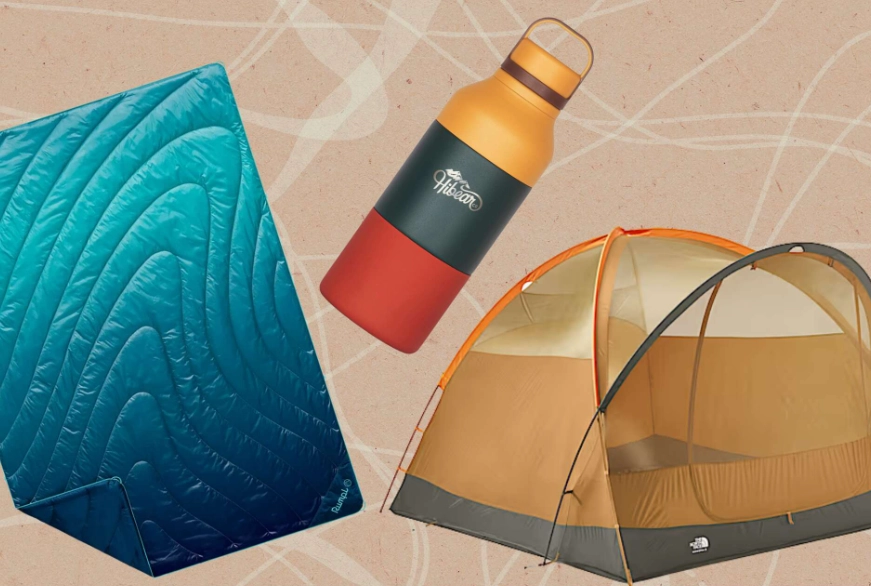
Jump to What Matters
What Are the Core Tent Camping Essentials?
Start with the basics. If you get these wrong, your trip can go south fast. I break it down into three non-negotiable categories: shelter, cooking, and safety. Most beginners focus on fancy gear, but they miss the fundamentals.
Shelter: Your Tent and Sleep System
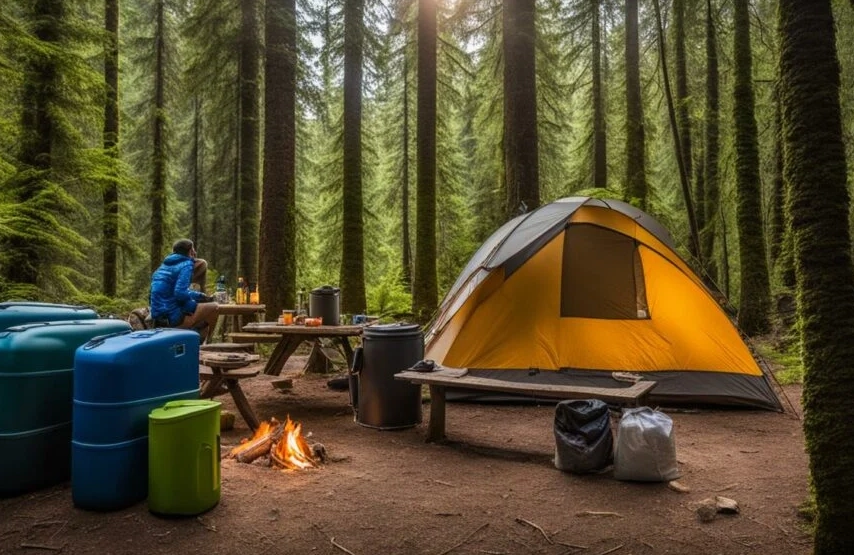
Your tent is your home outdoors. But it's not just about the tent—it's the whole sleep setup. A common mistake is buying a cheap tent that leaks in rain. I learned this the hard way on a trip to the Rockies; a sudden downpour turned my tent into a puddle. Invest in a quality tent from brands like REI or Big Agnes, which offer reliable weather protection. Pair it with a sleeping bag rated for the lowest temperature you expect, plus a sleeping pad for insulation. Don't skip the pad—sleeping directly on the ground sucks heat from your body, even in summer.
Cooking and Food Storage
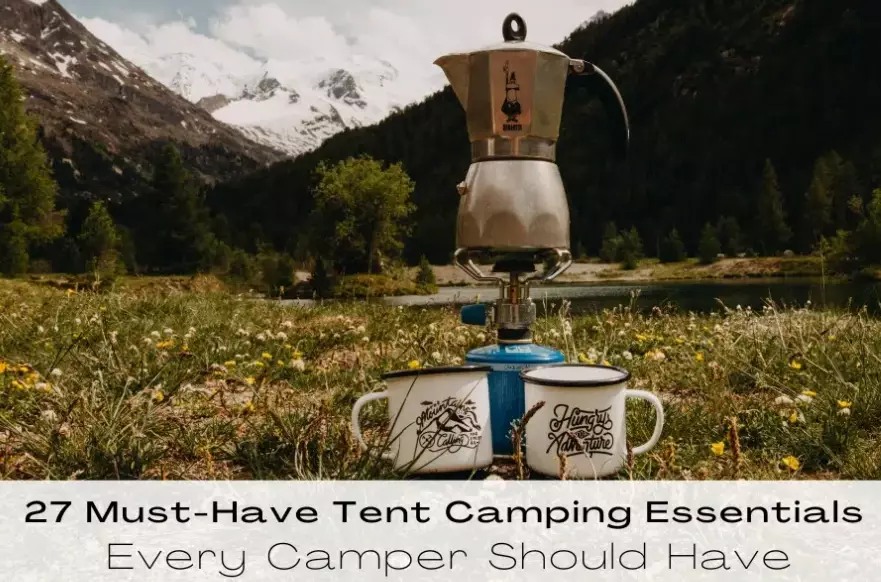
Food keeps you going, but poor planning leads to hunger or wildlife issues. A portable camp stove is essential, even for short trips. I prefer canister stoves for their ease, but if you're on a budget, a simple backpacking stove works. Store food in bear-resistant containers if you're in bear country—parks like Yosemite require them. For utensils, keep it minimal: a pot, spork, and biodegradable soap. Avoid glass; it's heavy and breaks easily.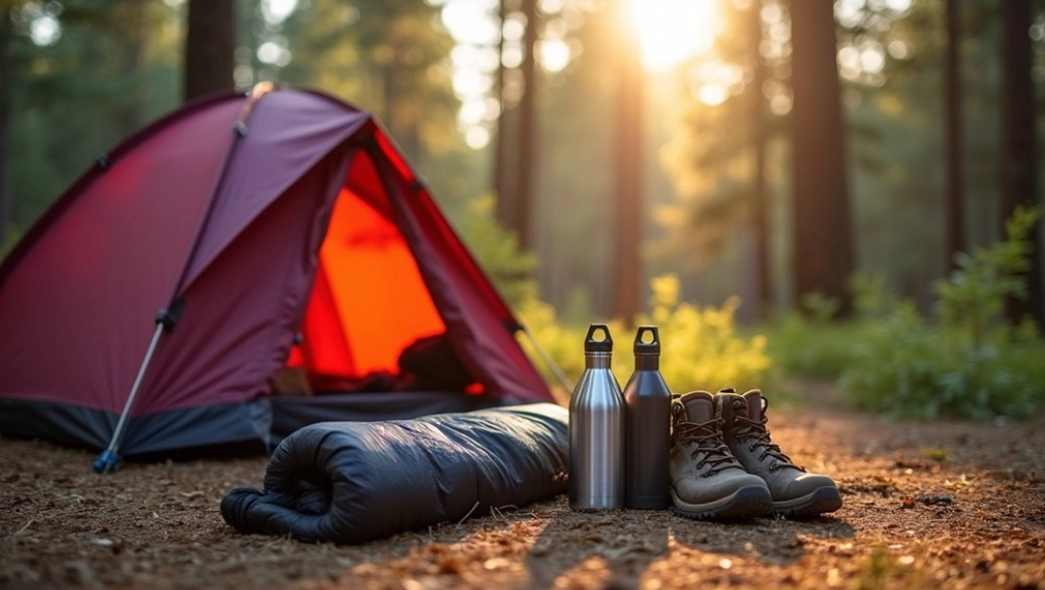
Safety and Navigation
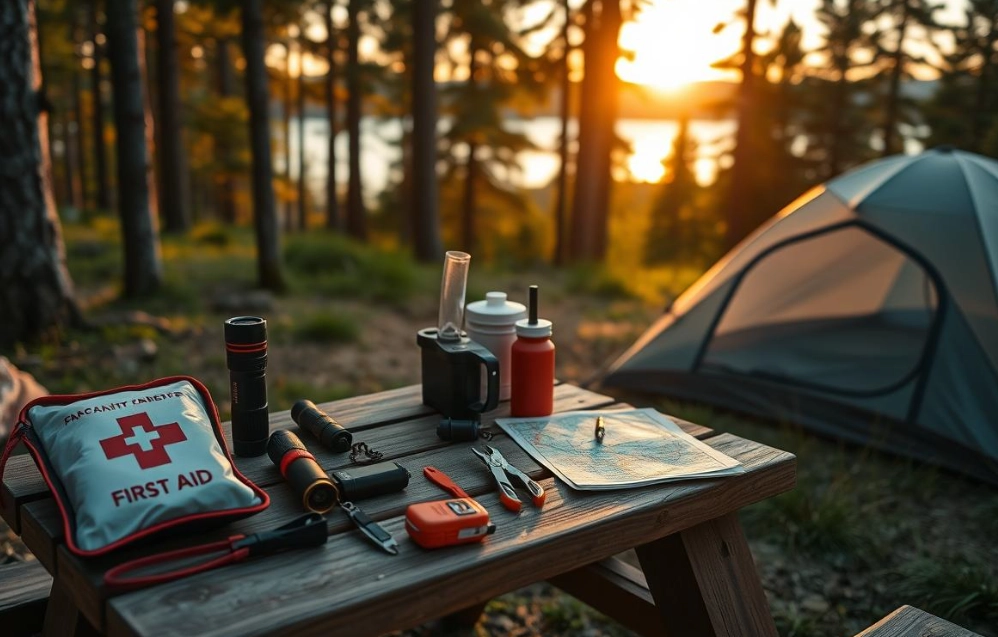
Safety often gets overlooked until something goes wrong. Always pack a first-aid kit tailored to your group's needs. Include blister treatments, antiseptic wipes, and any personal medications. A headlamp is a game-changer—hands-free light for nighttime tasks. For navigation, a map and compass are backup essentials, even if you use GPS. Phones die, but paper maps don't. The National Park Service recommends always carrying physical maps in remote areas.
How to Choose the Right Tent for Your Camping Trip
Picking a tent feels overwhelming with all the options. Focus on three things: capacity, season rating, and weight. Most people buy tents too small—if it says "3-person," it fits three people snugly, with no room for gear. Go one size up for comfort.
Here's a quick comparison based on my experience:
| Tent Type | Best For | Key Features | Average Price |
|---|---|---|---|
| Dome Tent | Beginners, family camping | Easy setup, good wind resistance | $100-$300 |
| Backpacking Tent | Solo or duo hikers | Lightweight, compact | $200-$500 |
| Cabin Tent | Car camping, groups | Spacious, vertical walls | $150-$400 |
Season rating matters. Three-season tents work for spring to fall; four-season tents handle snow but are heavier. Unless you're winter camping, stick with three-season. Weight is crucial if you're hiking—every pound counts. For car camping, weight isn't a big deal, so prioritize space and durability.
I once bought a cheap dome tent for a weekend trip. It collapsed in mild wind because the poles were flimsy. Lesson learned: read reviews from sources like OutdoorGearLab, and don't skimp on shelter.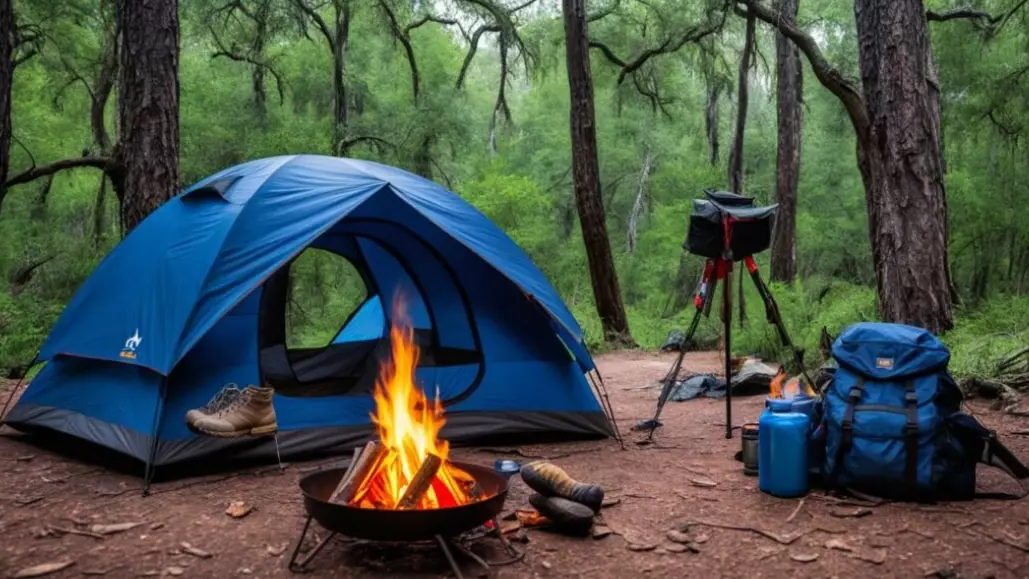
The Ultimate Camping Gear Checklist
This checklist covers everything you need, organized by priority. Print it out or save it on your phone. I've used this for years, tweaking it based on trips gone wrong.
| Category | Essential Items | Why It's Important |
|---|---|---|
| Shelter & Sleep | Tent, rainfly, stakes, sleeping bag, sleeping pad, pillow | Provides protection and rest; without these, you're exposed to elements. |
| Cooking & Food | Camp stove, fuel, lighter, pot, utensils, food, water container, cooler | Ensures you can cook and store food safely; prevents hunger and contamination. |
| Clothing | Moisture-wicking layers, insulation jacket, rain jacket, sturdy shoes, extra socks | Keeps you dry and warm; cotton is a no-go—it holds moisture and leads to hypothermia. |
| Safety & Tools | First-aid kit, headlamp, map, compass, multi-tool, whistle, fire starter | Handles emergencies and navigation; a whistle can signal for help if lost. |
| Personal Items | Sunscreen, insect repellent, toiletries, trash bags, camp chair | Adds comfort and hygiene; trash bags double as waterproof sacks. |
Pack based on your trip length. For a weekend, you might skip the camp chair, but for longer stays, it's worth it. A pro tip: use stuff sacks to organize gear by category. It saves time rummaging through your bag.
Common Mistakes to Avoid When Packing for Camping
Everyone makes mistakes, but some are avoidable. Here are the top ones I've seen—and made myself.
Overpacking. You bring everything but the kitchen sink. It leads to heavy bags and clutter. Focus on multi-use items: a bandana can be a towel, pot holder, or sun protection.
Ignoring weather forecasts. Check the weather a day before you leave. I once assumed summer meant warm nights, but at high elevation, temperatures dropped to freezing. Pack layers, not just shorts.
Forgetting small essentials. Things like a can opener or extra batteries seem minor until you need them. Create a "small items" pouch with duct tape, zip ties, and a needle—they fix gear on the go.
Not testing gear at home. Set up your tent in your backyard first. It avoids frustration at the campsite, especially in the dark. Practice using your stove too.
Relying solely on technology. Phones fail, GPS signals drop. Always have a paper map and know how to use a compass. The U.S. Geological Survey offers detailed topographic maps for most areas.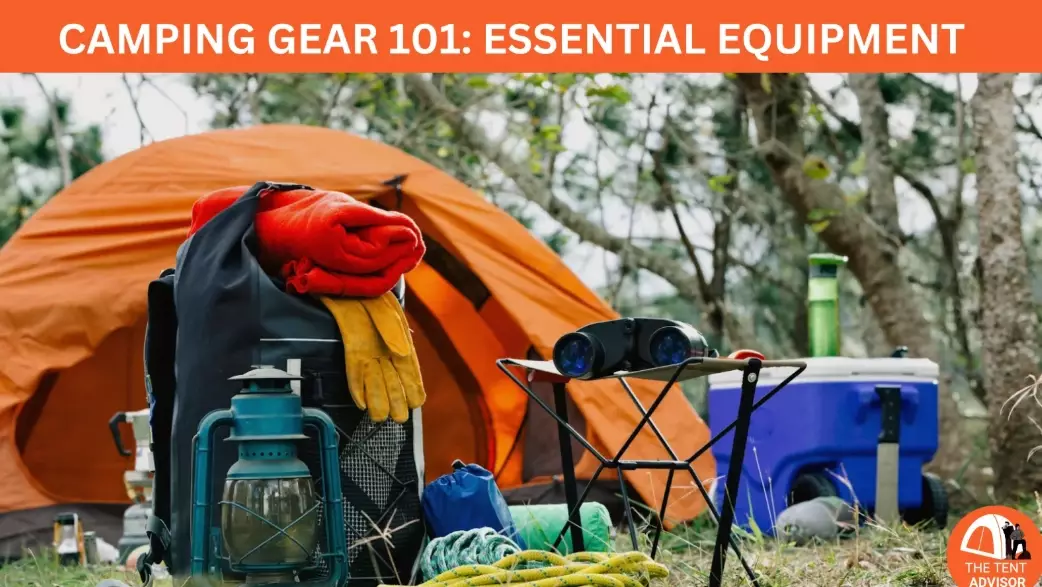
My biggest blunder: on a solo trip, I packed a cheap sleeping bag rated for 50°F, but nights hit 30°F. I spent the night shivering, barely sleeping. Now, I always check temperature ratings and add a liner for extra warmth.
FAQs About Tent Camping Essentials
 Remember, tent camping is about enjoying nature, not struggling with gear. Start with these essentials, adapt based on your needs, and learn from each trip. Happy camping!