Quick Navigation
- The Core Philosophy: Pack by System, Not by Item
- The Shelter System: Your Home Away From Home
- The Sleep System: The Key to Actually Enjoying Yourself
- The Kitchen & Food System: Fuel for Adventure
- Clothing & Personal Gear: Dress for the Destination
- The Safety & Utility Kit: Hope You Never Need It
- Site Comfort & Extras: The Icing on the Cake
- Tailoring Your Essentials: Car Camping vs. Backpacking
- Your Ultimate Master Checklist
- Answering Your Burning Camping Questions
- Final Thoughts Before You Go
Let's be honest. Packing for a camping trip can feel overwhelming. You're staring at a pile of gear, wondering if you'll forget something crucial like a can opener or, worse, your sanity when you realize you brought the wrong tent poles. I've been there, standing in my garage at midnight before a big trip, filled with that low-grade panic.
It doesn't have to be that way.
Whether you're a first-timer heading to a drive-in campground or a seasoned backpacker hitting the trail, the fundamentals are surprisingly similar. They just scale up or down. This guide is built around systems—shelter, sleep, kitchen, etc.—because that's how you should think about packing. Not as a random list of items, but as interconnected kits that solve specific problems.
The Core Philosophy: Pack by System, Not by Item
Forget alphabetical lists. When you're in the woods and it starts to rain, you don't think "R is for Rainfly." You think, "My shelter system needs to be secure." Organizing your camping must-haves by system makes packing logical and ensures you don't miss a critical component.
It also helps you prioritize. Your shelter and sleep systems are non-negotiable. A fancy camp chair? That's a luxury item (though a very welcome one). We'll start with the absolute essentials and work our way to the "nice-to-haves."
The Shelter System: Your Home Away From Home
This is your number one priority. A good shelter protects you from wind, rain, sun, and bugs. A bad one can ruin your trip before it even starts.
Tent
The heart of your shelter. The biggest mistake beginners make? Trusting the "person" rating on the box. A 4-person tent will technically fit four sleeping pads, with zero room for your gear. My rule of thumb: subtract one or even two from the manufacturer's rating for comfort. A family of four should look at a 6-person tent.
Consider the season. Three-season tents are perfect for spring through fall. If you're camping in winter or in places with heavy snow, you need a four-season tent, which is heavier and more expensive.
Footprint or Ground Tarp
This is a sheet that goes under your tent. It protects the tent floor from abrasion, moisture, and punctures. Some tents come with a custom footprint, which is ideal. You can also use a piece of durable polyurethane-coated nylon (like a tarp), but make sure it's slightly smaller than your tent's base. If it sticks out, it will catch rainwater and channel it right under your tent floor. Learned that one the hard way.
Rainfly
Most modern tents include this, but double-check! A full-coverage rainfly is essential. The little decorative roof that comes on some cheap dome tents won't keep you dry in a real storm.
Mallet or Hammer
For driving tent stakes. A rock works in a pinch, but it's hard on your stakes and your hands. A small, lightweight camping mallet is worth its weight.
The Sleep System: The Key to Actually Enjoying Yourself
You can survive a day being cold and wet. Trying to sleep while cold and wet is a recipe for a terrible next day. Investing in your sleep system is the single best thing you can do for your camping morale. Trust me, I spent one shivering night on a cheap, too-thin foam pad and vowed never again.
Sleeping Bag
The temperature rating is the most important spec. But here's the catch: that rating is often a "survival" rating, not a "comfort" rating. If the forecast calls for lows of 40°F (4°C), get a bag rated for 20°F (-7°C) or even lower if you're a cold sleeper.
Fill type matters too. Down is lighter, more packable, and warmer for its weight, but it loses all insulating power when wet. Synthetic fill is bulkier but retains warmth when damp and is usually less expensive.
Sleeping Pad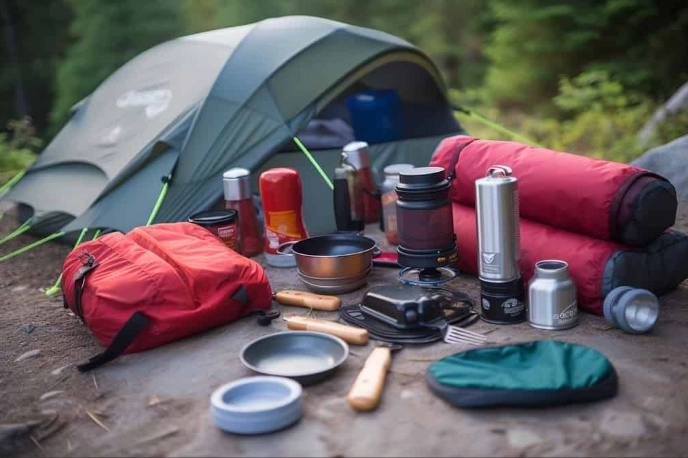
This is for insulation, not just cushioning. The ground sucks heat from your body incredibly fast. An inflatable pad with a good R-value (insulation rating) is a game-changer. Foam pads (like the classic Therm-a-Rest Z-Lite) are durable, reliable, and can't puncture, but they're bulkier. For car camping, you can go all out with a thick, luxurious inflatable mattress.
Pillow
Some people stuff clothes into a sack. I'm a believer in a proper camping pillow. That little bit of home comfort makes a huge difference in sleep quality. Inflatable ones pack down tiny.
The Kitchen & Food System: Fuel for Adventure
Camp cooking can be a highlight or a hassle. A bit of planning with your camping gear checklist turns it into the former.
| Item | Priority | Notes & Tips |
|---|---|---|
| Stove & Fuel | Essential | Canister stoves are easy for beginners. Liquid fuel (white gas) stoves perform better in cold/wind. Always bring extra fuel. |
| Lighter/Matches | Essential | Keep in a waterproof container. Bring two separate sources. |
| Cook Pot & Pan | Essential | A 2-liter pot with a lid handles most meals for 2-4 people. Non-stick is easier to clean. |
| Eating Utensils | Essential | Spork, bowl, mug. Durable plastic or lightweight metal. |
| Biodegradable Soap & Sponge | Essential | Use soap sparingly and away from water sources. The National Park Service Leave No Trace principles are clear on protecting waterways. |
| Cooler | High (Car Camping) | Invest in a quality rotomolded cooler for long ice retention. Pre-chill it and your food/drinks. |
| Water Storage & Treatment | Essential | Collapsible jugs for car camping. For backpacking, a filter (like Sawyer or Katadyn) or purification tablets are non-negotiable camping essentials. |
| Can Opener/Bottle Opener | High | The classic forgotten item. A small multi-tool covers this. |
Plan simple meals. One-pot dishes like pasta, chili, or stews minimize cleanup. Pre-chop veggies at home. And always, always pack more snacks than you think you'll need. Hunger hits differently outdoors.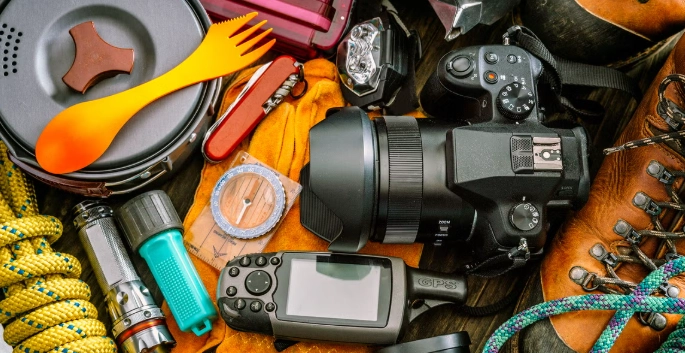
Clothing & Personal Gear: Dress for the Destination
Cotton is the enemy. It's called "cotton kills" for a reason—it absorbs moisture and loses all insulating ability, sucking heat from your body. Stick to synthetic fabrics (polyester, nylon) or wool (merino is fantastic), which wick moisture and dry quickly.
The layering system is your best friend:
- Base Layer: Moisture-wicking top and bottom. Think long underwear.
- Mid Layer: Insulation like a fleece or puffy jacket.
- Outer Layer (Shell): Waterproof and windproof jacket and pants.
Always pack a warm hat, even in summer. You lose a huge amount of heat through your head. Extra socks are pure gold. Wet feet are miserable and can lead to blisters or worse.
And for footwear? Sturdy, broken-in hiking boots or shoes for activity, and a pair of comfy camp shoes (like sandals or crocs) to let your feet breathe at the site.
The Safety & Utility Kit: Hope You Never Need It
This kit addresses the "what ifs." You assemble it once and just restock it as needed. It should live permanently in your camping bin.
Other critical safety camping essentials:
- Headlamp: Hands-free light is invaluable. Bring extra batteries.
- Multi-tool or Knife: For repairs, food prep, a million little tasks.
- Navigation: A physical map and compass, and knowing how to use them. Don't rely solely on your phone GPS.
- Fire Starter: Beyond your lighter, pack waterproof matches or a ferrocerium rod as a backup.
- Repair Kit: Duct tape (wrap some around your water bottle), tent pole repair sleeve, paracord.
A whistle and an emergency blanket (those crinkly silver sheets) weigh nothing and could be lifesavers if you get lost or injured.
Site Comfort & Extras: The Icing on the Cake
Once the survival basics are covered, these items turn a trip from basic to brilliant. They're not essential, but they're why car camping can be so luxurious.
A good camp chair. After a day of hiking, sitting on a log gets old fast. A folding table provides a clean surface for cooking and games. A battery-powered lantern or string lights creates amazing ambiance. A small broom and dustpan keep your tent tidy.
And don't forget entertainment: a deck of cards, a book, a fishing rod, or a frisbee.
Tailoring Your Essentials: Car Camping vs. Backpacking
The list of camping must haves morphs dramatically based on how you're getting there.
Car Camping: Weight and space are minimal concerns. You can bring the big, comfortable stuff—a large tent, thick sleeping pads, a massive cooler, folding chairs, a full-sized pillow, even a camp shower. Your goal is comfort and convenience.
Backpacking: Every ounce counts. Your camping essentials become ultra-lightweight, multi-purpose, and minimalist. A tiny one-person tent, a down sleeping bag that packs to the size of a loaf of bread, a lightweight stove, and dehydrated meals. Luxury is defined by an extra ounce of cheese or a pair of dry socks. The focus is purely on function and weight.
The checklist below is a master list. For backpacking, you'll take a ruthless red pen to the "Comfort" column.
Your Ultimate Master Checklist
Print this, use it as a digital guide, or just scan it to jog your memory. I still use a version of this before every single trip.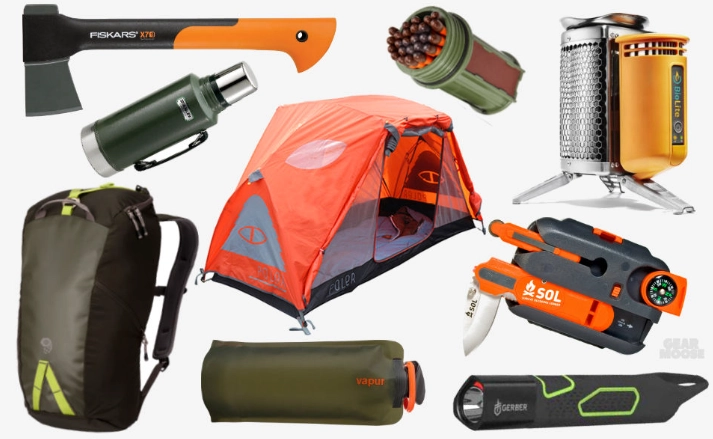
Shelter & Sleep
- [ ] Tent (with stakes, guylines, poles)
- [ ] Footprint or ground tarp
- [ ] Rainfly
- [ ] Mallet/Hammer
- [ ] Sleeping bag (appropriate rating)
- [ ] Sleeping pad (check R-value!)
- [ ] Pillow (camping or inflatable)
Kitchen & Food
- [ ] Stove & fuel (test before you go!)
- [ ] Lighter/matches (waterproof)
- [ ] Cook pot/pan & lid
- [ ] Bowl, mug, utensils (spork)
- [ ] Biodegradable soap, sponge, small towel
- [ ] Cooler & ice (car camping)
- [ ] Water containers & treatment
- [ ] Food & planned meals
- [ ] Bear canister or bag (if in bear country)
Seriously, the bear thing. In many parks, it's not just a suggestion, it's the law. Storing food properly protects you and the bears. Resources like the U.S. Forest Service have specific guidelines by region.
Clothing & Personal
- [ ] Moisture-wicking base layers (NO COTTON)
- [ ] Insulating mid layers (fleece, puffy)
- [ ] Waterproof outer shell
- [ ] Hiking pants/shorts
- [ ] Warm hat & gloves
- [ ] Several pairs of socks
- [ ] Sturdy footwear & camp shoes
- [ ] Sun hat & sunglasses
- [ ] Personal hygiene items
Safety & Tools
- [ ] Well-stocked first-aid kit
- [ ] Headlamp/flashlight (extra batteries)
- [ ] Multi-tool or knife
- [ ] Map & compass (and knowledge)
- [ ] Fire starter backup
- [ ] Whistle
- [ ] Emergency blanket
- [ ] Duct tape, paracord, repair supplies
Comfort & Extras (Mostly Car Camping)
- [ ] Camp chair
- [ ] Folding table
- [ ] Lantern or string lights
- [ ] Battery pack for devices
- [ ] Small broom/dustpan
- [ ] Trash bags
- [ ] Entertainment (books, games)
Answering Your Burning Camping Questions
Final Thoughts Before You Go
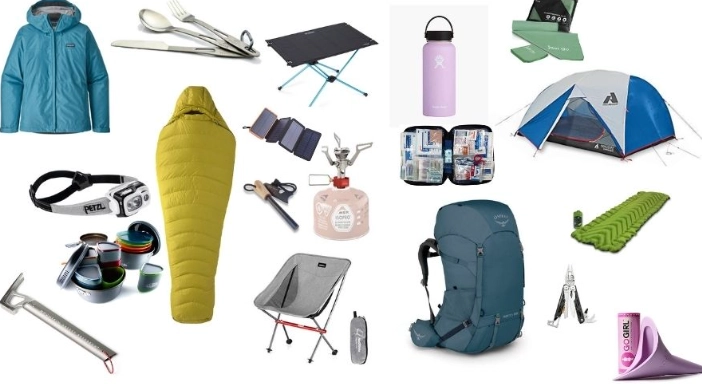
Packing the right camping essentials isn't about fear or over-preparation. It's about freedom. When you know you have what you need to be safe and comfortable, you can relax into the experience. You can watch the sunset without worrying about the dark, enjoy a hot meal without fighting your stove, and sleep soundly listening to the rain patter on your taut rainfly.
Start with this framework. Adapt it for your own needs, your climate, and your style of trip. You'll forget things occasionally—we all do. But with this system-based approach, you'll never forget the critical things.
The woods, the mountains, the lake—they're waiting. Now you're ready to go meet them.