You've searched for "what is a must-have for camping?" and you're probably staring at a dozen lists with 50 items each. It's overwhelming. After over a decade of testing gear from the Rockies to the coast, I can tell you the real answer isn't about packing everything. It's about packing the right things. A must-have isn't just an item; it's a system that keeps you safe, comfortable, and lets you enjoy the outdoors. Forget the fluff. Let's talk about the non-negotiable gear that forms the backbone of any successful trip, whether you're in a developed campground or deep in the backcountry.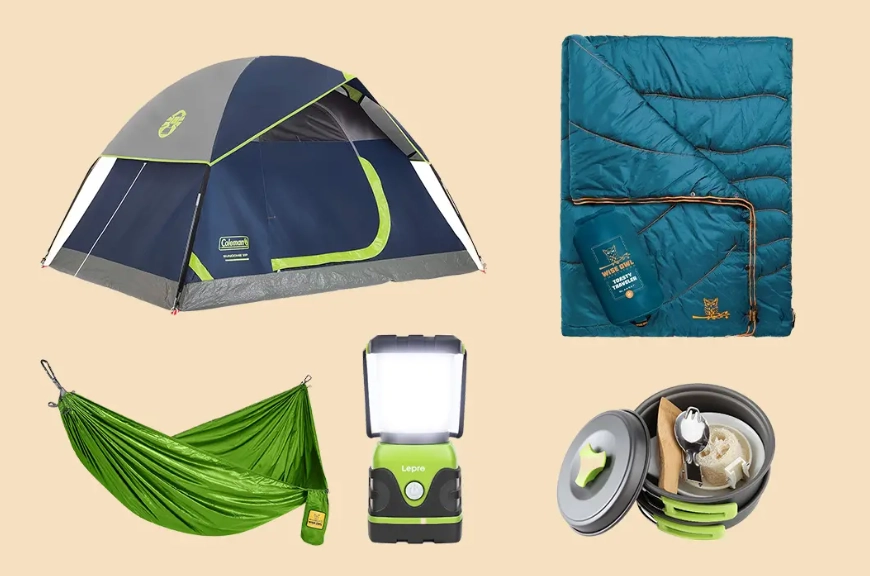
Your Quick Navigation Guide
What Makes Something a True "Must-Have"?
Before we list gear, let's define the term. A must-have item meets at least one of these criteria:
- Prevents a Safety Crisis: Think first-aid kits, navigation tools, or a reliable water filter. Without it, you could be in serious trouble.
- Preserves Core Comfort: This is your sleep system and shelter. A miserable, cold, wet night can ruin a trip and is often the reason people don't go camping again.
- Enables a Basic Function: You need to eat, drink, and see in the dark. A stove, water bottle, and headlight fall here.
Everything else is a "nice-to-have" or a luxury. My biggest piece of advice for beginners? Master the must-haves first. You can have a fantastic trip with just these items. The fancy coffee grinder and solar shower can come later.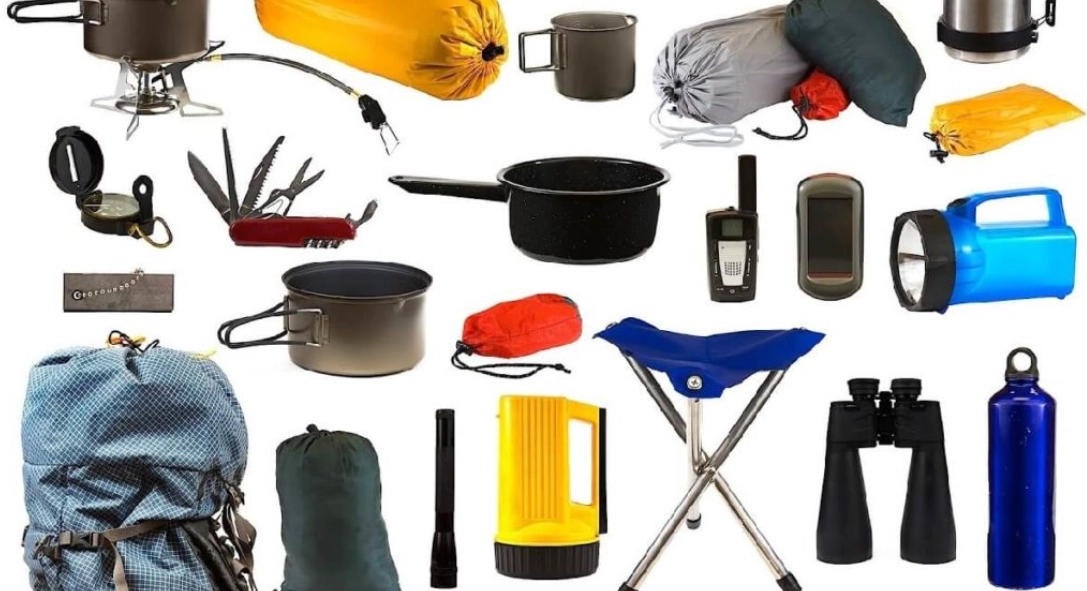
A Common Mistake I See: People often pack for the "Instagram ideal" of camping—lots of decorative, single-use items. They forget the dull but critical stuff like a repair kit for their air mattress or extra tent stakes. The most important gear is often the most boring.
The Core Systems: Shelter & Sleep
This is where you should invest your attention and a good portion of your budget. Being dry and rested changes everything.
Your Shelter: More Than Just a Tent
A tent is the obvious choice, but the must-have is reliable weather protection. For most, that is a tent. Don't just buy the cheapest one. Consider:
- Capacity: A "2-person" tent usually fits 2 people with zero extra space. For comfort, add one person to the rating. A 3-person tent for 2 people is perfect.
- Seasonality: A 3-season tent (spring, summer, fall) is the must-have for 95% of campers. Unless you're winter camping, you don't need a 4-season mountaineering shelter.
- The Forgotten Parts: A footprint or ground tarp (to protect the tent floor) and extra guylines and stakes are absolute must-haves. I've seen more tents fail from broken stakes in a mild wind than from anything else. Get the sturdy, thick ones, not the flimsy wire ones that come in the bag.
The Sleep System: Your Key to Happiness
This is a trio: pad, bag, and pillow.
- Sleeping Pad: Its primary job is insulation, not just cushioning. The ground sucks heat from your body. An inflatable pad with a high R-value (like a Therm-a-Rest NeoAir) is a game-changer over a thin foam pad. It's worth the cost.
- Sleeping Bag or Quilt: Match the temperature rating to the lowest temperature you expect. A 20°F bag is a versatile must-have for three-season camping. I've switched to a backpacking quilt for most trips—it's lighter and less restrictive, but a traditional mummy bag is foolproof for beginners.
- Pillow: Don't try to stuff clothes in a sack. A compact inflatable or foam camping pillow improves sleep quality dramatically. It's a small item with a huge impact.
Cooking, Water, and Food
You can survive on cold snacks, but a hot meal is a morale must-have.
Water: Non-Negotiable and Often Underestimated
You need a plan for carrying and purifying water.
- Carrying: A durable water bottle (like a Nalgene) and a 2- to 6-gallon collapsible water jug for the campsite are basics.
- Purifying: If you're not at a site with potable water spigots, a filter or purifier is a safety must-have. The Katadyn BeFree or Sawyer Squeeze are popular for good reason—they're simple and effective. Always have a backup method, like purification tablets.
The Kitchen Kit
Keep it simple and multi-use.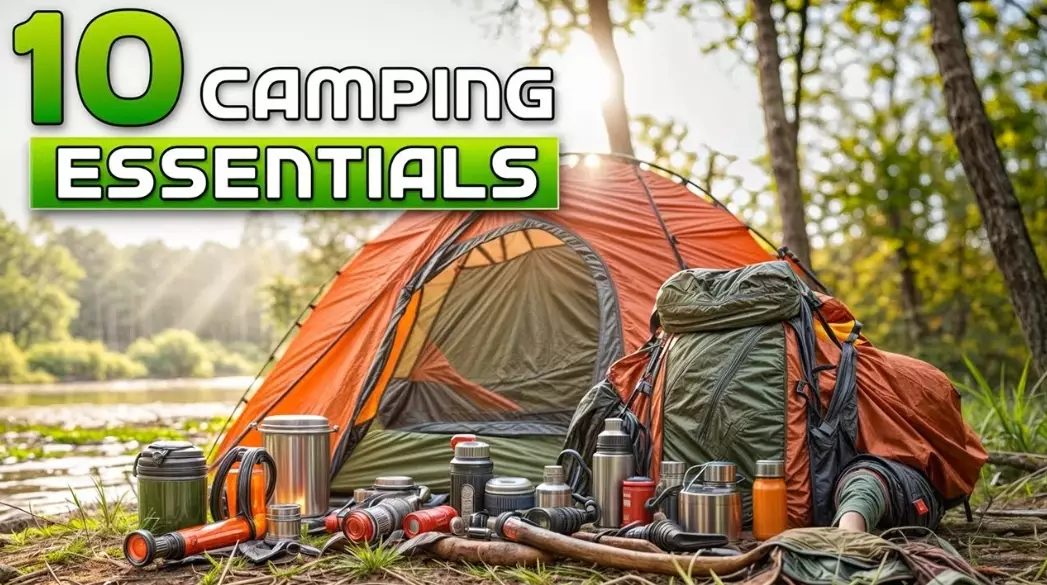
- Stove: A basic canister stove (like the MSR PocketRocket 2) is reliable and perfect for most car camping and backpacking. Have a full fuel canister and know how to connect it.
- Pot & Utensil: One medium pot with a lid can boil water for dehydrated meals, make coffee, and cook simple pasta. A long-handled spoon and a sharp pocket knife cover 99% of food prep.
- Ignition & Light: Waterproof matches or a lighter (store it in a baggie), plus a headlamp for cooking in the dark. Hands-free light is a must-have.
Safety, Navigation, and Tools
This section is boring until you need it. Then it's the only thing that matters.
| Category | Must-Have Items | Why It's Non-Negotiable |
|---|---|---|
| First-Aid | A pre-assembled kit with bandages, gauze, antiseptic wipes, blister treatment (moleskin!), pain relievers, and any personal medication. | Minor cuts, burns, and headaches happen. Being able to handle them immediately prevents infection and keeps the trip on track. |
| Navigation | A physical map of the area (not just on your phone) and a compass you know how to use. | Phone batteries die, and service disappears. A map and compass always work. Study the U.S. Geological Survey (USGS) maps for your destination. |
| Illumination | Headlamp (primary) and a small backup light (keychain LED) with extra batteries for both. | Night falls fast in the woods. Fumbling in the dark for the bathroom or your gear is frustrating and potentially dangerous. |
| Repair & Tools | Multi-tool or knife, duct tape (wrap some around your water bottle), paracord, and a tent pole repair sleeve. | Gear breaks. A snapped pole or torn rainfly can be field-repaired with these items, saving your trip. |
| Fire & Weather | Firestarter (ferro rod/lighter), a space blanket, and a way to check the forecast (weather radio or downloaded app data). | Essential for emergency warmth and signaling. Knowing if a storm is coming lets you prepare or evacuate. Monitor alerts from the National Weather Service (NOAA). |
Clothing and Comfort Items
Cotton kills. It's a cliché because it's true. Once wet, it loses insulation and takes forever to dry.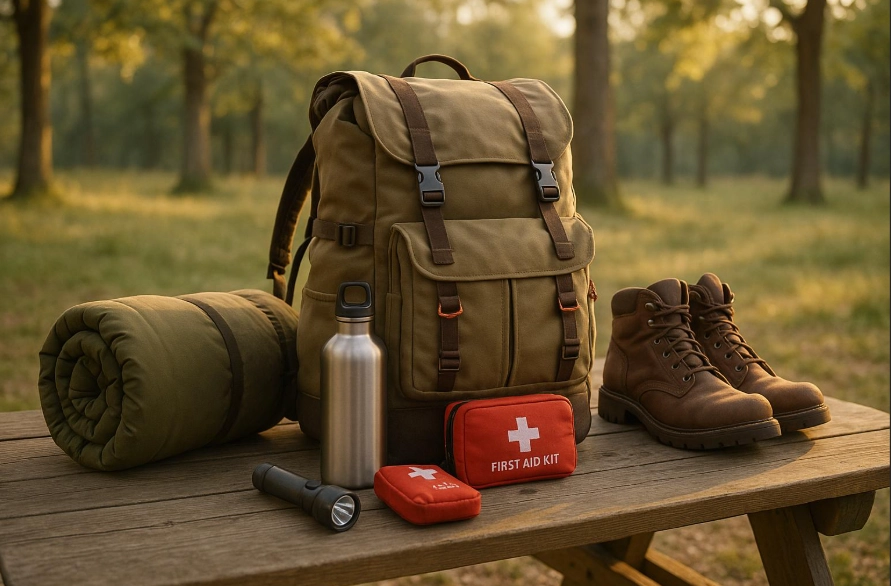
Your must-have clothing strategy is layering:
- Base Layer: Moisture-wicking (like merino wool or synthetic).
- Insulating Layer: Fleece or puffy jacket for when the temperature drops.
- Shell Layer: Waterproof and windproof rain jacket. Even if the forecast is clear, pack it.
- Extras: Two must-haves people forget: a warm hat (you lose lots of heat through your head) and camp shoes (like Crocs or sandals). Getting out of your hiking boots at camp is a sublime feeling.
Your Tailored Must-Have Checklist
Not all trips are equal. Here’s how the must-haves shift.
Car Camping with Family
You have space, so comfort reigns. Must-haves expand slightly:
- Large cooler with a real meal plan.
- Comfortable camp chairs and a foldable table.
- Lantern for ambient campsite light.
- More comprehensive first-aid kit tailored to your family's needs.
Backpacking or Hike-In Camping
Every ounce counts. Must-haves become minimalist and multi-functional:
- Lightweight tent, sleeping bag, and pad.
- Compact water filter and hydration bladder or bottles.
- Dehydrated meals and a small canister stove.
- Detailed topographic map and compass skills are paramount.
My Personal Rule: Before any trip, I lay out all my gear on the floor. I then physically pick up each item and ask, "What specific problem does this solve?" If I can't answer immediately, or if it's "just in case" for a highly unlikely scenario, it stays home. This habit has lightened my load and simplified my packing for years.
Expert Answers to Your Gear Questions
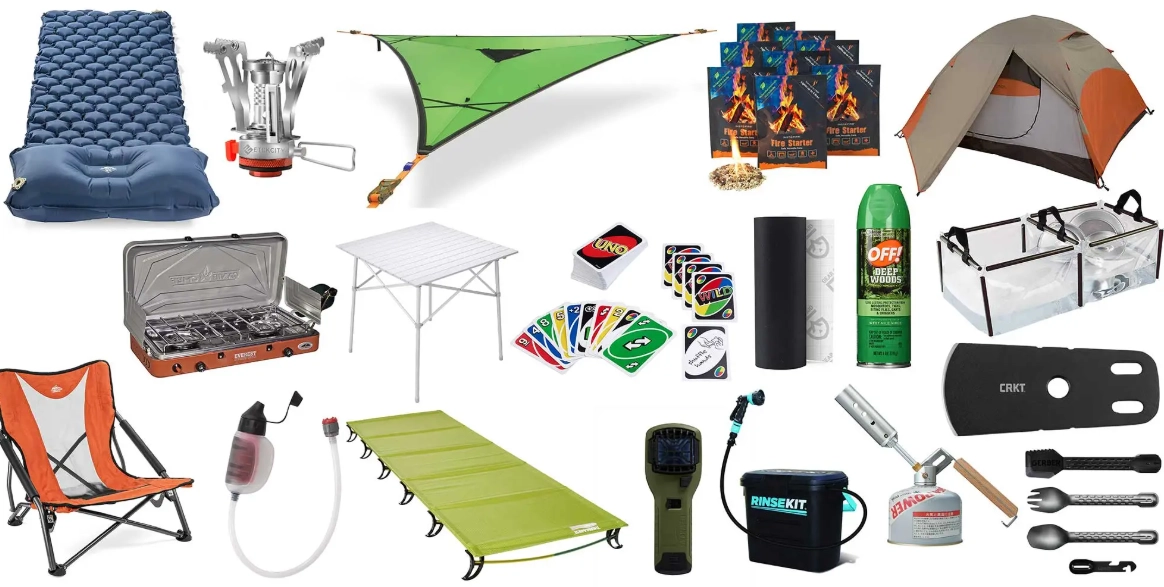 Is a camping stove really a must-have? Can't I just cook over the fire?