Let's be real. The difference between a magical family memory and a "never again" disaster often boils down to what's in the car. I've been camping with my kids for over a decade, from soggy tent mishaps to glorious star-filled nights. The single biggest lesson? A thoughtful checklist is your best friend. This isn't just another generic list. It's a battle-tested, kid-approved guide that prioritizes safety, comfort, and fun, while helping you avoid the subtle mistakes most first-timers make.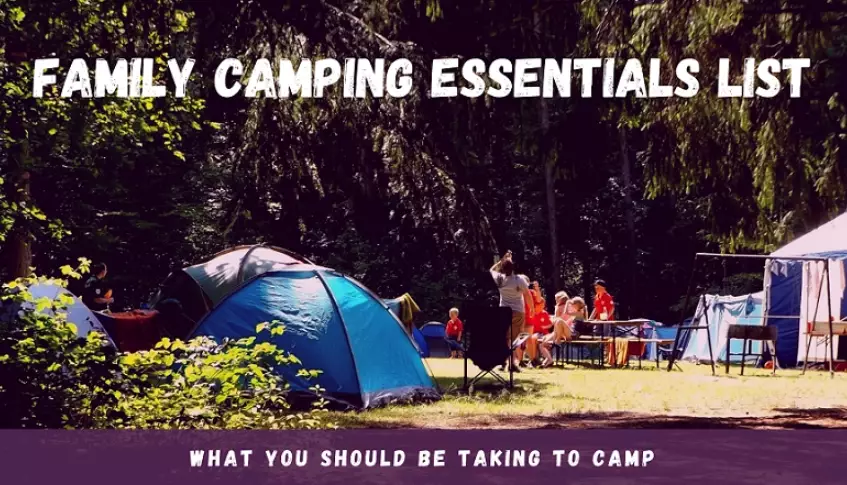
Your Quick Gear Guide
Core Shelter & Sleep Gear: Your Home Base
Getting this category wrong means cold, wet, and miserable kids before sunset. Don't just count sleeping bags; think about the entire sleep system.
The Tent: Size Up, Always
A 4-person tent for a family of four is a recipe for claustrophobia. Tent capacity ratings are for sardines, not people with gear, pillows, and a toddler who needs space to roll over. For a family of four, get a 6-person tent minimum. Look for a full-coverage rainfly and a bathtub floor (seams are raised up the sides). My personal pick is a cabin-style tent for the vertical walls – it feels more like a room.
Sleep Systems: It's All About Insulation
The ground is cold. A cheap sleeping bag on a thin mat guarantees shivering. You need insulation from below (sleeping pad) and above (bag).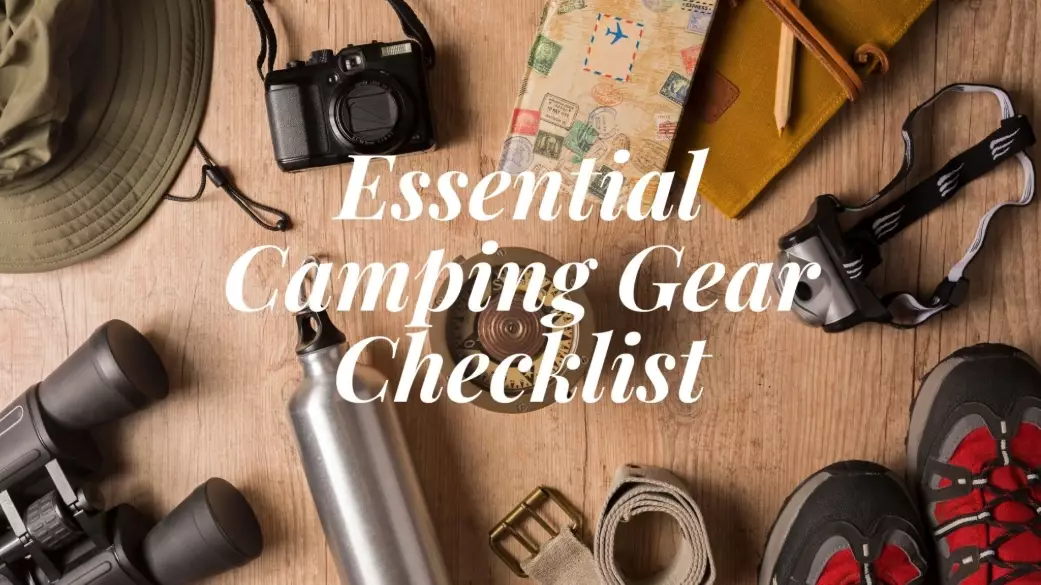
| Item | Key Spec to Check | Pro Tip / Common Mistake |
|---|---|---|
| Sleeping Bag | Temperature rating (choose 10°F lower than expected low) | Kids grow fast. Consider a slightly larger bag they can grow into, or a rectangular bag that's more versatile than a mummy shape. |
| Sleeping Pad | R-Value (insulation). Aim for R-3+ for 3-season. | New campers buy for comfort (thickness) and ignore R-Value. A 4-inch self-inflating pad with an R-1.5 will leave you cold. Prioritize the R-value. |
| Pillows | Compressibility | Don't bring home pillows. They get dirty and are bulky. Inflatable or compressible camping pillows are worth it. Or, use a stuff sack filled with clothes. |
| Ground Cloth | Size (should be slightly smaller than tent footprint) | This protects your tent floor from abrasion and moisture. A cheap blue tarp works, but cut it so no edges stick out – otherwise, rain channels under your tent. |
Cooking & Food Setup: Fuel for Adventure
Camp cooking shouldn't be a survival challenge. Plan simple, one-pot meals. My family's first-night staple is pre-made foil packet dinners (protein + veggies) cooked over the fire or on a camp stove.
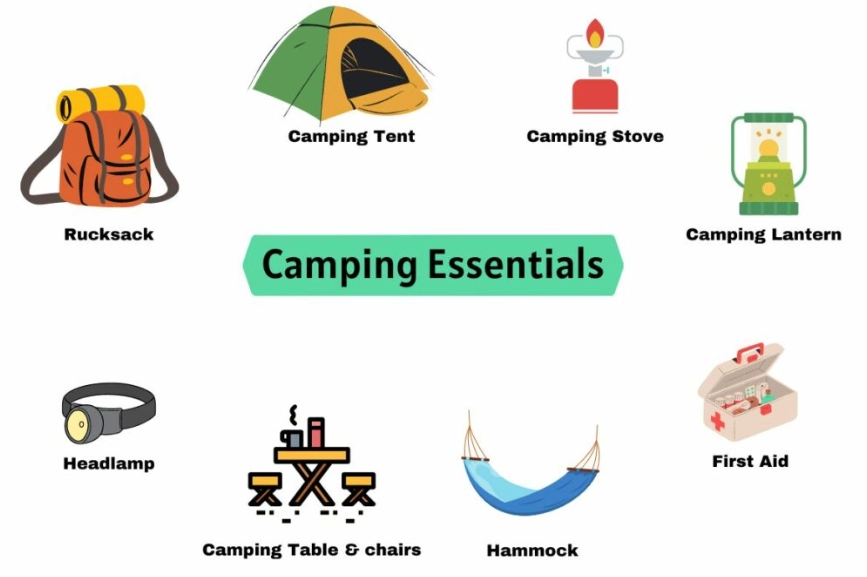
- Stove & Fuel: A reliable two-burner propane stove is the family camping workhorse. Test it at home first. Always bring an extra fuel canister.
- Cooler Strategy: One cooler for drinks (opened frequently), one for perishable food (kept closed). Pre-freeze water bottles to use as ice packs – they last longer and provide drinking water as they melt.
- Utensils & Cookware: A cast iron skillet is versatile but heavy. A non-stick camping set is lighter. Don't forget a can opener and a bottle opener – I've forgotten both and had to get creative.
- Water: Assume no potable water. Bring large 5-gallon jugs with a spigot for camp. Personal water bottles for hikes.
- Cleanup: Biodegradable soap, two basins for washing and rinsing, a scrub brush, and a quick-dry camp towel. A collapsible sink is a space-saver.
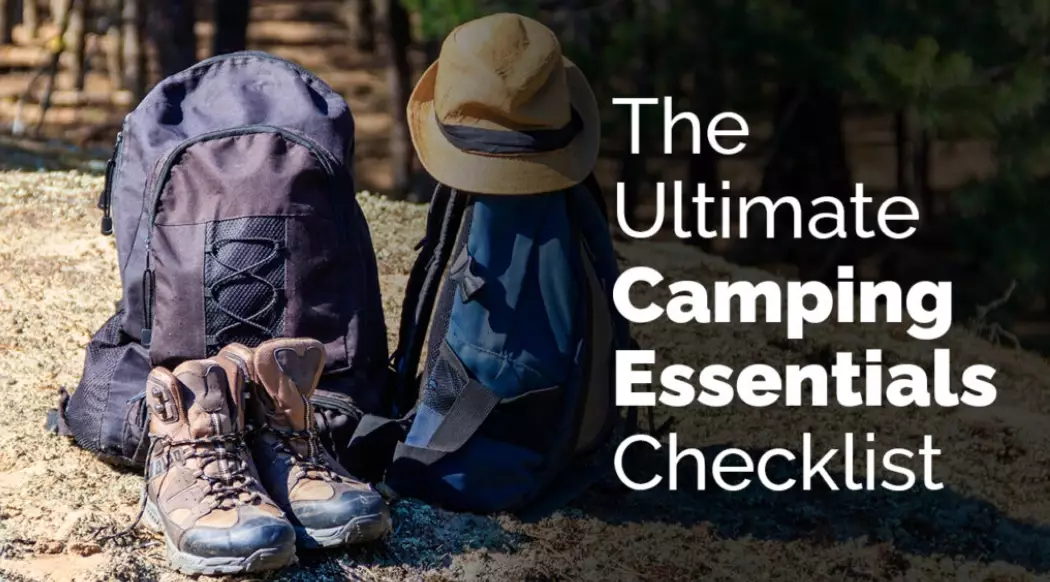
Clothing & Personal Items: Layer Like a Pro
Cotton kills. It's an old adage because it's true. Cotton absorbs moisture and stays wet, leading to hypothermia even in mild weather. Pack synthetic or wool layers.
The Layer System: 1. Base Layer: Moisture-wicking (synthetic or merino wool). 2. Insulating Layer: Fleece or puffy jacket for warmth. 3. Shell Layer: Waterproof and windproof jacket and pants.
Pack for everyone: multiple socks (wool is best), sturdy closed-toe shoes, camp shoes (crocs or sandals), a wide-brimmed hat, and sunglasses. Always, always pack a complete change of clothes in a sealed plastic bag for each person. You never know when a kid will find the only mud puddle for miles.
Safety & First Aid Must-Haves
This is non-negotiable. A basic drugstore kit isn't enough for the woods.
Your kit should have: various bandages, gauze, medical tape, antiseptic wipes, antibiotic ointment, blister treatment (moleskin), tweezers, scissors, pain relievers (adult & child), antihistamines, anti-diarrheal medication, and any personal prescriptions.
Other Safety Gear: - **Headlamp (with extra batteries) for each person.** Hands-free light is essential for nighttime bathroom trips. - **Multi-tool or pocket knife.** - **Whistle** for each kid (teach them the universal distress signal: three blows). - **Physical map and compass** (don't rely solely on phone GPS). - **Fire extinguisher or large water container** for your campfire. - **Check local fire regulations** from sources like the National Park Service or your state's forestry department before you go.
Kid-Specific Essentials: The Fun & Comfort Factor
This is what transforms tolerance into enthusiasm. Let them have their own small backpack with their headlamp, whistle, a small toy, and snacks.
- Comfort Items: Favorite small stuffed animal, their own sleeping bag liner or familiar blanket.
- Entertainment: Nature scavenger hunt list, magnifying glass, colored pencils and a notebook, a book about local wildlife, a deck of cards, a frisbee.
- Practical Kid Gear: Kid-sized camping chair, their own reusable water bottle (with a carabiner clip), easy-on shoes for quick exits from the tent.
The "Always Forgotten" Items
These aren't glamorous, but you'll regret leaving them.
Mallet/Hammer: For driving tent stakes into hard ground. A rock is a poor substitute.
Duct Tape: Wrap some around a water bottle or pencil. Fixes tent poles, gear, shoes, everything.
Extra Ziploc Bags: For wet clothes, trash, organizing small items, protecting phones.
Small Broom & Dustpan: For sweeping dirt and leaves out of the tent. A game-changer.
Cash (small bills): For park entrance fees, firewood from honor-system stands, or ice at a small store that doesn't take cards.
How to Prioritize Your Packing: The Car-Box System
Packing chaos leads to frustration. I use a simple three-box system in the car trunk:
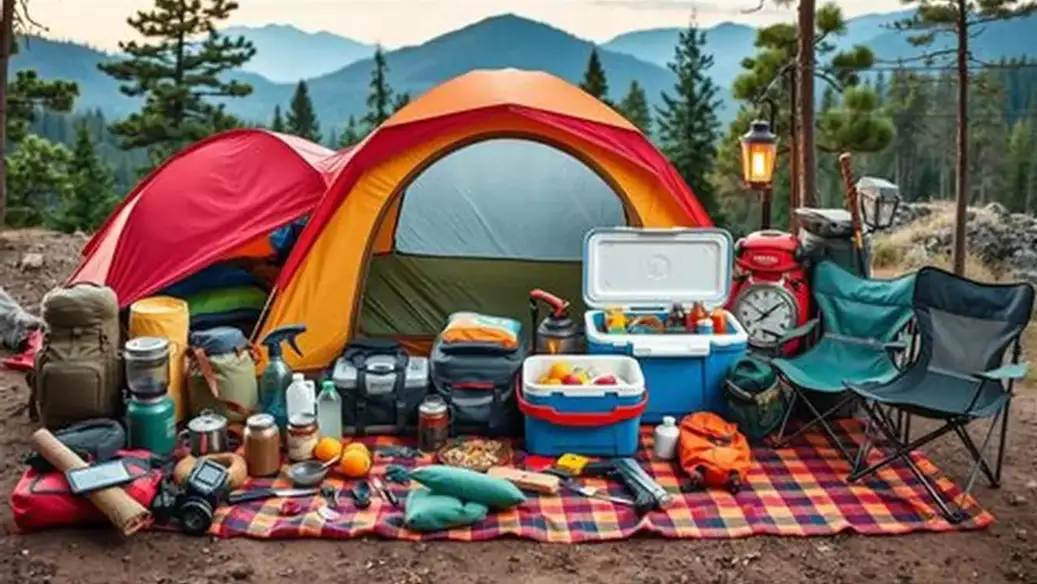
Box 1: Camp Setup. Tent, rainfly, stakes, mallet, ground cloth, sleeping pads, sleeping bags. This is the first box you grab upon arrival. You can set up camp immediately, even if it's getting dark or starting to rain.
Box 2: Kitchen & Food. Stove, fuel, cookware, utensils, cooler, food bin, water jug. Everything needed to make a meal is in one place.
Box 3: Personal & Misc. Clothing bags, toiletries, first aid kit, kid's entertainment bag, lanterns. This is the last box you need.
Keep the safety items (headlamps, first aid) easily accessible in the car's cabin, not buried in a box.
Your Family Camping Questions Answered
 Is it worth buying expensive kids' camping gear, or should we just use adult stuff?