So you've seen the term pop up on park websites or heard seasoned campers throw it around. "Primitive camping." It sounds simple, maybe a little rugged. But when you stop and think about it, what does primitive mean when camping, really? Is it just a fancy word for "no bathrooms"? Is it the same as backcountry camping, or dispersed camping, or wilderness camping? The terminology can feel like its own thicket to navigate before you even lace up your boots.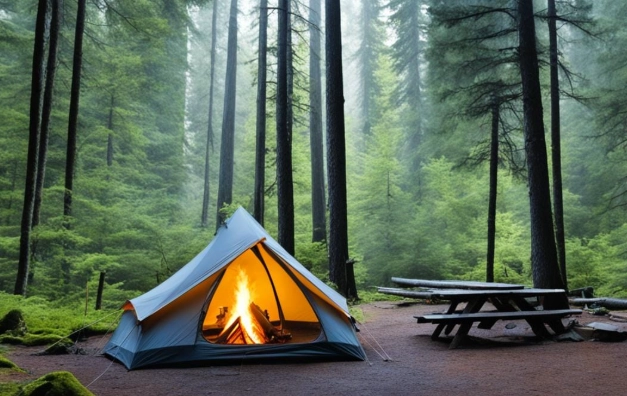
I remember the first time I booked a "primitive" site. The description was vague—something about a fire ring and a bear box. I showed up expecting, well, I'm not sure what. A flat spot at least? What I found was a post with a number on it, about a hundred yards off a gravel road, nestled between some pines on ground that sloped just enough to be annoying. That was it. No picnic table, no lantern hook, no leveled tent pad. Just me, my gear, and a whole lot of questions. It was a humbling and fantastic introduction to what this style is all about.
Explore the Guide
But that simple definition opens a can of worms. Because "primitive" isn't one single thing. It's a spectrum. The level of primitiveness can vary wildly based on location, land management rules, and how you choose to access the site. Understanding these nuances is the difference between a trip that's challenging and rewarding and one that's just miserable.
Breaking Down the "Primitive" Spectrum: It's Not One-Size-Fits-All
This is where most quick explanations fall short. They'll give you the dictionary definition but miss the practical reality. In my experience, and in talking to rangers and fellow campers, "primitive camping" typically manifests in a few distinct flavors. Knowing which one you're signing up for is 90% of the battle.
Walk-In/Dispersed Primitive Camping
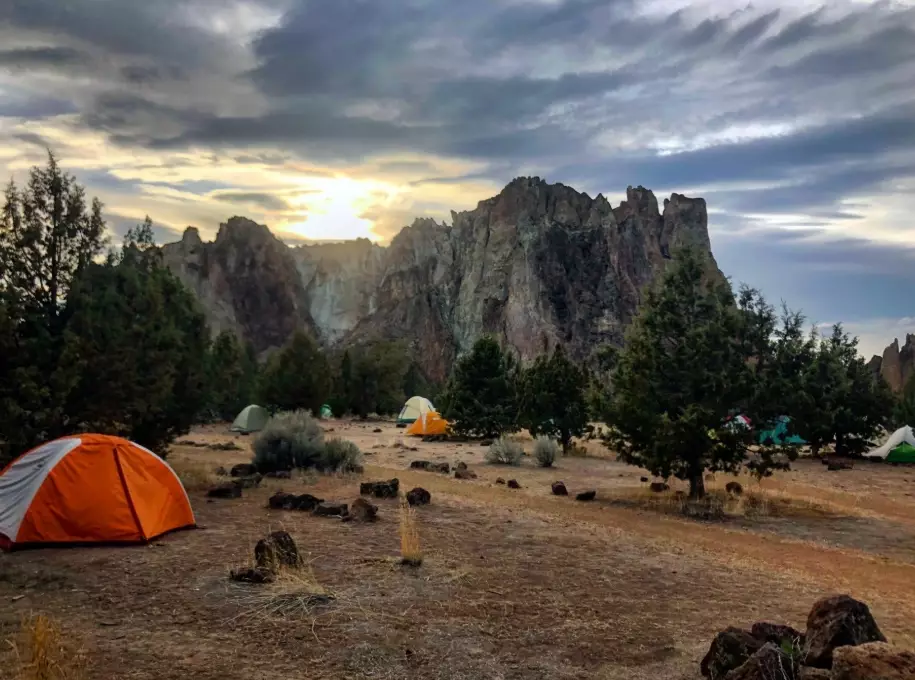
This is often what purists imagine. You park at a designated trailhead or pull-off, shoulder your pack, and hike to a site that isn't formally developed. These sites are usually marked only by previous use—a worn patch of ground, a stone fire ring that someone built. You won't find a sign with a site number. The responsibility for choosing a safe, sustainable spot is largely yours, guided by the rules of the managing agency (like the U.S. Forest Service or Bureau of Land Management). Water comes from natural sources you must filter, and waste is carried out or dealt with via catholes dug far from water. This is the answer to "what does primitive mean when camping?" in its most self-reliant form.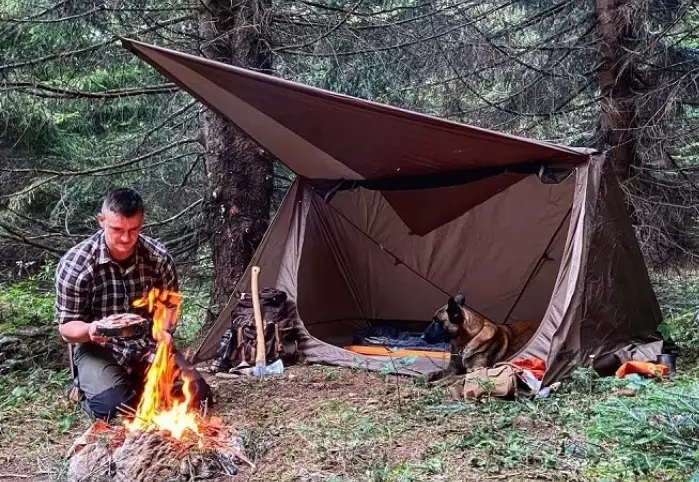
Designated Primitive Car Camping Sites
Here's where it gets interesting, and where my first experience fits. Many state parks and some national forests have campgrounds with "primitive" loops or sites. You can usually drive right up to them. But that's where the conveniences end. The site will have a cleared area, a metal fire ring, and maybe a pole for a lantern. Sometimes, if you're lucky, a rudimentary picnic table made of splintery wood. There's no electricity, no water spigot at the site, and the restroom is a vault toilet (a glorified outhouse) that might be a five-minute walk away. It's a fantastic middle ground—you get the feel of roughing it without the multi-mile hike, making it a great entry point.
Backcountry/Wilderness Primitive Camping
This is the deep end of the pool. It overlaps heavily with dispersed camping but often occurs in designated Wilderness Areas (with a capital 'W', a legal designation that prohibits mechanized transport). The rules are strict, the leave-no-trace ethics are paramount, and the preparation is intense. You're truly on your own. When discussing what does primitive mean when camping in a wilderness context, we're talking about maximum self-sufficiency and minimum impact. Permits are almost always required, and group size is often limited.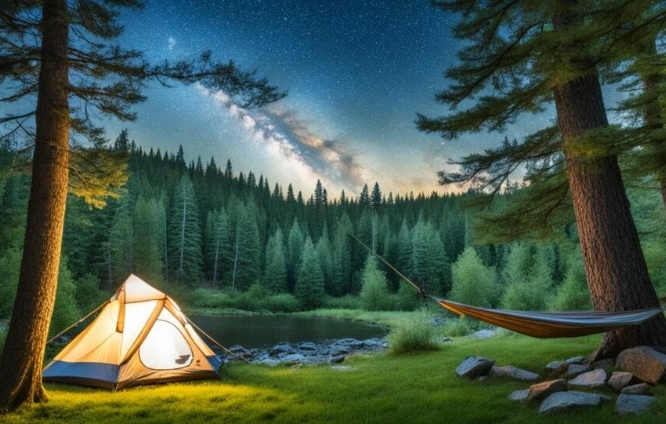
To make this clearer, let's put these types side-by-side. This table should help visualize the spectrum when you're trying to figure out what does primitive mean for your specific trip.
| Camping Type | Access | Typical Facilities | Best For | Key Consideration |
|---|---|---|---|---|
| Designated Primitive Car Site | Drive directly to site | Fire ring, maybe a table, shared vault toilet | Beginners, gear testing, easy weekends | Can be crowded; book ahead. |
| Walk-In/Dispersed Camping | Short hike from vehicle (5 mins to 1 mile) | Unofficial fire ring, cleared ground | More solitude, light backpacking feel | Finding a legal, sustainable spot is your job. |
| Backcountry/Wilderness Camping | Long hike or paddle in | None. You choose and leave no trace. | Adventure, deep solitude, challenge | Permits, advanced skills, and physical fitness required. |
See? The meaning shifts. A park ranger calling a site "primitive" usually means the first type. A backpacking guide using the term likely means the last. This ambiguity is why the question "what does primitive mean when camping?" is so important to unpack.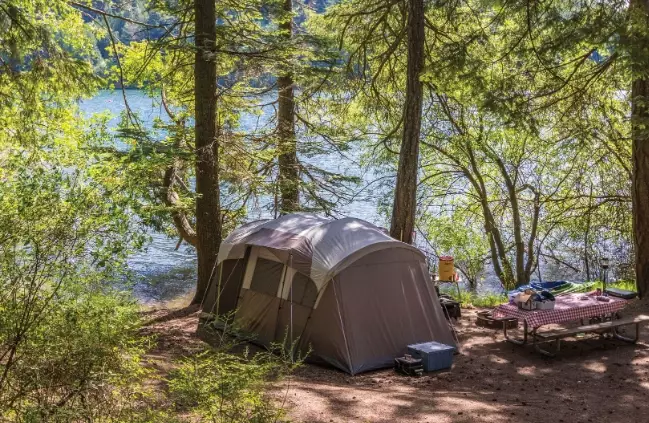
Why Bother? The Real Rewards of Choosing Primitive
If it's more work, why do it? The benefits are intangible but powerful. It's not about being a masochist.
First, solitude. You escape the generator hum, the glow of someone else's lantern, and the chatter of a full campground. The sounds become the wind, the water, and the wildlife. The privacy is absolute.
Second, connection. There's a directness to primitive camping that developed sites sanitize. You collect your water, you build your fire responsibly, you cook on it. You feel the weather, the terrain, the ecosystem in a more immediate way. It's immersive in a way that a paved RV spot can never be.
Third, challenge and satisfaction. Successfully managing a primitive trip—staying warm, dry, fed, and safe—provides a genuine sense of accomplishment. It builds confidence and practical skills that translate elsewhere in life.
And cost. Let's be practical. Designated primitive sites are almost always cheaper than full-hookup sites. Dispersed camping on most federal lands is often free, though always check current regulations.
The Flip Side: Real Challenges and How to Meet Them
Let's be honest, primitive camping can suck if you're not ready. I've been cold, wet, and frustrated on trips where I overestimated my skills or underestimated the conditions.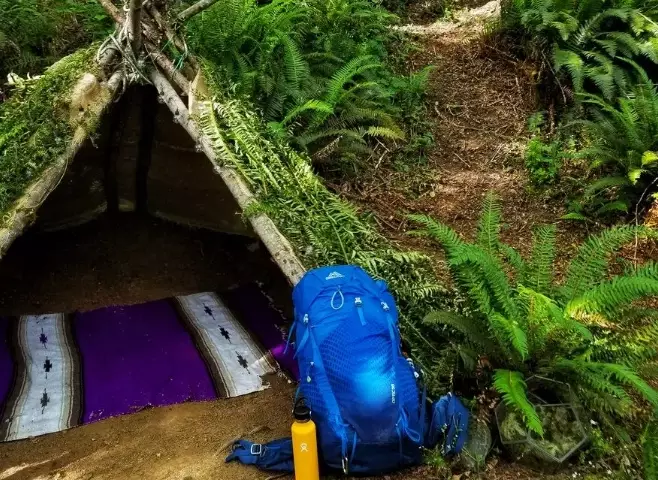
No Utilities: This is the big one. No electricity means no charging phones frivolously (a portable power bank is a lifesaver for emergencies). No water means you must carry all you need or have a reliable filtration system. I never go without my trusty pump filter and a backup chemical treatment like Aquamira drops.
Bathroom Situation: This is the number one question from newcomers. If there's no vault toilet, you're going in the woods. The principle is simple: dig a cathole 6-8 inches deep, at least 200 feet (about 70 adult paces) from any water source, trail, or campsite. Pack out your toilet paper in a zip-top bag—seriously, it's the new standard. It sounds gross until you see how long paper lasts in the woods. The Leave No Trace Center for Outdoor Ethics has detailed, science-based guidelines on this that are worth memorizing.
Safety and Self-Reliance: Help is not a button press away. You need a well-stocked first-aid kit and the knowledge to use it. You must understand basic weather prediction, wildlife precautions (proper food storage is non-negotiable—use a bear canister or hang), and how to navigate without cell service. Telling someone your detailed plans and expected return is critical.
Your First Primitive Trip: A Practical, Step-by-Step Mindset
Okay, you're intrigued. How do you start without getting in over your head? Don't try to summit your personal Everest on day one.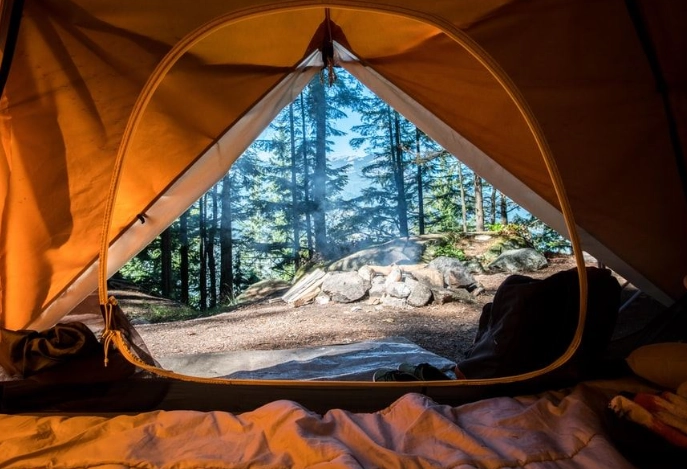
Start with a Designated Primitive Site. Pick a state park with a primitive loop. Go for one night. This lets you test your shelter, sleep system, and cooking setup with the safety net of a park road and likely a ranger on duty. It's the perfect lab.
Gear Focus: The Core Four. You don't need the most expensive stuff, but you need reliable basics.
- Shelter: A tent, hammock, or tarp you've practiced setting up. Know if it handles wind and rain.
- Sleep System: A sleeping pad with sufficient R-value (insulation) for the expected lows and a bag or quilt rated appropriately. Cold ground will steal your heat faster than cold air.
- Water: Capacity to carry it (bladders, bottles) and a surefire way to treat more (filter or chemical).
- Food & Cooking: A simple camp stove (like a canister stove), fuel, a pot, and a spork. Plan no-cook or easy-cook meals.
Research is Everything. Don't just show up. Visit the website of the forest, park, or BLM district. Look for "dispersed camping" or "backcountry camping" pages. Call the ranger station. Ask specific questions: "Are there any active fire restrictions?" "Is bear canister storage required?" "Where can I obtain a map showing legal dispersed camping areas?" This call has saved me from closed areas and unexpected permit needs more than once.
The Mental Packing List. Beyond gear, bring the right mindset. Patience. Flexibility (weather changes, plans fail). Respect—for the land, the rules, and other visitors seeking solitude. And a willingness to be a little uncomfortable. That's where the growth happens.
Clearing the Fog: Your Primitive Camping Questions Answered
Let's tackle some of the specific, practical questions that swirl around this topic. These are the things you might be too embarrassed to ask in a gear shop but are crucial to know.
Absolutely not. It is generally permitted on most National Forest and BLM land unless specifically posted otherwise, but you must be in a designated area or follow rules for dispersed sites. National Parks are much stricter—you almost always need a permit for any backcountry/primitive camping and must camp in designated sites. State and county land have their own rules. Always, always verify first. Trespassing on private land is a surefire way to ruin your trip and give responsible campers a bad name.
For dispersed camping on most Forest Service/BLM land, often not. For designated primitive sites in a park, you usually need a reservation. For backcountry/wilderness camping, especially in popular areas, a permit is almost always required to manage impact. Websites like Recreation.gov are the hub for many of these.
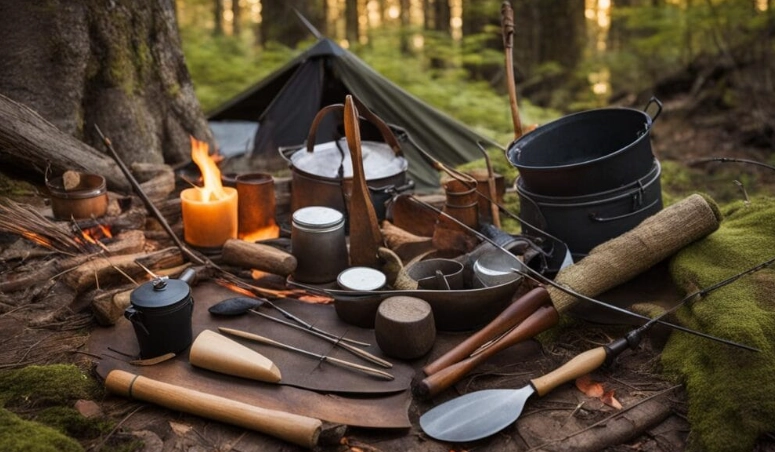
Beyond calling the ranger station, I use a combination of tools. A good paper map (like a USGS topo or a National Forest Visitor Map) is invaluable. Digital tools like the USFS Interactive Visitor Map or apps like Gaia GPS (with public lands layers turned on) help identify land management boundaries. Look for forest service roads (often numbered) that branch off main highways. Often, established pull-offs with existing fire rings indicate common, tolerated sites. Remember: if a spot looks badly eroded or too close to water, move on. Part of answering "what does primitive mean when camping?" is learning to choose sites that can handle your visit.
Overpacking and under-practicing. They bring too much stuff (that heavy cast-iron skillet seems like a good idea at home) and haven't used any of it. Set up your tent in your yard first. Use your stove. Know how your water filter works. The second biggest mistake is poor food storage, inviting unwanted animal visitors. Hang your food properly or use a bear-resistant container.
Usually, yes on most dispersed lands, but always under control (voice command or leash). Leash laws are common in designated primitive campgrounds. You must pack out their waste, too—burying it is not sufficient in high-use areas. And consider their safety: paw protection, wildlife, and temperature.
Final Thought: It's About the Ethos, Not Just the Definition
When we drill down to the core of "what does primitive mean when camping?", it's less about a checklist of missing amenities and more about an approach. It's an agreement to engage with the natural world on its terms, to take on more responsibility for your own comfort and safety, and to leave the place as good or better than you found it. It's about trading convenience for connection. It won't be for every trip or every person, and that's okay. But understanding it opens up a whole other world of places to sleep under the stars, far from the glow of a comfort station. Start small, respect the land, and you might just find your new favorite way to camp.
The trail to understanding what primitive means when camping is winding and personal. You'll define it through your own experiences—the quiet mornings with just the sound of a creek, the frustration of a sideways rain, the pride of a perfectly pitched tarp. It's a skill that deepens over time. So grab a map, make that call to the ranger station, and go find your own answer. Just remember to pack out your toilet paper.