In This Guide
- Why You Absolutely Need a Dedicated Rain Shelter
- The Big Five: Types of Camping Rain Shelters Compared
- Critical Features to Scrutinize Before You Buy
- How to Choose YOUR Best Rain Shelter for Camping: A Simple Flowchart in Words
- Top Picks Across Different Categories (Based on Real-World Use)
- Pro Tips for Deployment and Staying Dry
- Your Rain Shelter Questions, Answered
- Wrapping It Up: The Final Verdict
Let's be honest, getting caught in the rain while camping can turn a great trip into a miserable one real fast. I've been there—huddled under a cheap tarp that leaked like a sieve, watching my gear get soaked. It's no fun. That's why finding the best rain shelter for camping isn't just a nice-to-have; it's essential for comfort, safety, and actually enjoying your time outdoors.
But here's the thing: "best" means something different for everyone. Are you car camping with the family? Backpacking solo in the mountains? Or just need a quick sun and rain cover for a picnic? The options are overwhelming. Tents, tarps, canopies, pop-ups, hammock tarps... the list goes on.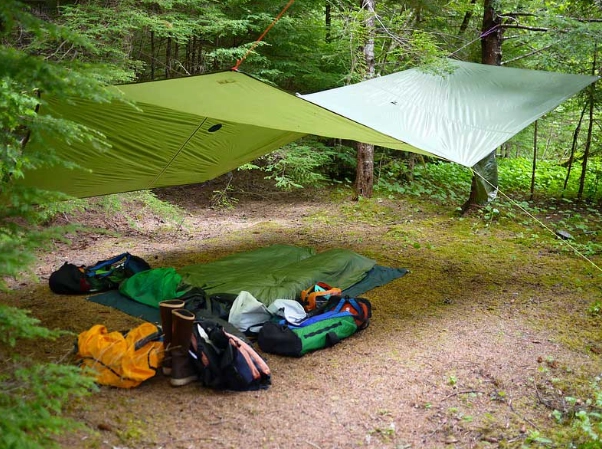
This guide cuts through the noise. We're not just listing products. We're digging into the *why* behind each type of shelter, the features that actually matter (and the ones that don't), and how to match the right one to your specific adventure. By the end, you'll know exactly what to look for, and you might even save some money by avoiding gear that's wrong for you.
Why You Absolutely Need a Dedicated Rain Shelter
Some folks think their regular tent is enough. And sometimes, it is. But a dedicated rain shelter opens up a world of possibilities. Think of it as your outdoor living room. It's a dry place to cook when your tent vestibule is cramped. It's a social space to hang out with friends without everyone being trapped in their own tents. It provides shade on a hot day and critical protection during a sudden downpour.
I learned this the hard way on a trip to the Pacific Northwest. The forecast said "chance of showers." What we got was two days of steady, cold rain. Our tents were fine, but we had nowhere to go. Sitting in a tent for 48 hours is a recipe for boredom and damp clothes. A simple tarp shelter strung between trees would have saved that trip.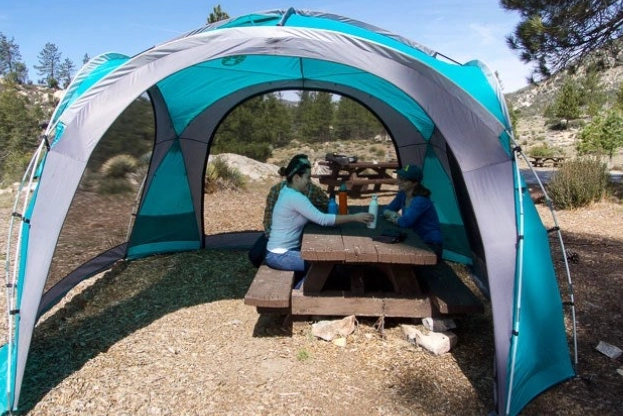
Beyond comfort, it's about safety. A good shelter keeps your cooking area dry, which is crucial for safe stove operation. It keeps firewood dry. It gives you a place to change out of wet clothes, which is key to avoiding hypothermia. For family camping, it's a game-changer for keeping kids happy and occupied when the weather turns.
The Big Five: Types of Camping Rain Shelters Compared
Let's break down the main contenders. Each has its superpower and its kryptonite.
1. The Backpacking Tarp / Ultralight Shelter
This is the minimalist's choice and my personal go-to for solo or duo backpacking trips. We're talking about a simple, waterproof sheet of nylon or polyester (like silnylon or Dyneema Composite Fabric) that you pitch with poles, trekking poles, or trees.
The Good: Incredibly light and packs down tiny. Versatile in how you pitch it (A-frame, lean-to, flying diamond). Fantastic ventilation means no condensation buildup. Lets you enjoy the views and sounds of nature.
The Not-So-Good: Offers zero bug protection unless you add an inner net (which adds weight and complexity). Less protection in high winds or blowing rain if not pitched correctly. There's a learning curve to setting it up taut and stormworthy.
Best for: Weight-conscious backpackers, hammock campers (as a rainfly), and anyone who values simplicity and connection to the environment.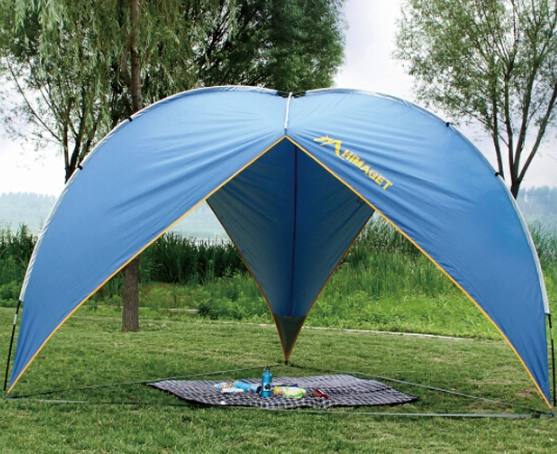
2. The Pop-Up Canopy / Instant Gazebo
You've seen these at tailgates and farmers' markets. They're the rectangular or square shelters that literally pop up in seconds. Often made of steel or aluminum frames with a polyester top.
The Good: Unbeatable ease of setup. Huge covered area, perfect for groups. Great for car camping, base camps, and events.
The Not-So-Good: Heavy and bulky—this is car-only gear. Not designed for high winds or heavy snow loads. The cheap ones can be flimsy and prone to bending or collapsing in a storm. I've seen more than one take flight in a gust because it wasn't staked down properly.
Best for: Car campers, family reunions at the campground, festivals, and anyone who wants maximum covered space with minimal effort.
3. The Dining Fly / Camp Tarp
This is the classic, heavy-duty tarp, often made of vinyl or thick polyethylene. It's the workhorse you string between trees or poles over your picnic table.
The Good: Very affordable and durable. Simple in concept. Can cover large, irregular areas.
The Not-So-Good: Heavy and bulky. Can be noisy in the wind. The grommets can tear out if not reinforced. Setup can be fiddly, requiring a lot of cord and knots.
Best for: Budget-conscious car campers, long-term base camps where weight doesn't matter, and as a supplemental ground cloth or gear cover.
4. The Screen House / Bug Shelter with Rainfly
A hybrid shelter that combines a mesh room (to keep bugs out) with a removable rainfly on top.
The Good: The ultimate bug-free lounge area. Excellent for areas with high mosquitoes or flies. Often has a zip-up door, making it feel like a real room.
The Not-So-Good: Usually heavier and more complex to set up than a simple canopy. Can feel stuffy if ventilation is poor. The mesh can be delicate.
Best for: Camping in bug-heavy seasons (spring, summer), families with small kids, and anyone who wants a completely insect-free retreat.
5. The Vehicle-Attached Awning
An awning that mounts directly to the roof rack of your SUV, truck, or overlanding rig. It deploys sideways from the vehicle.
The Good: Extremely convenient—your shelter is always with you. Very stable when attached to a heavy vehicle. Sets up quickly.
The Not-So-Good: Expensive. Ties you to your vehicle. Limited coverage area compared to a free-standing canopy.
Best for: Overlanders, road trippers, and car campers who want a streamlined, always-ready solution.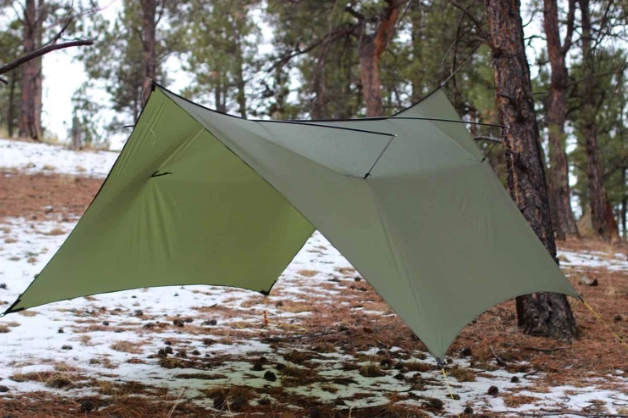
| Shelter Type | Best Use Case | Key Advantage | Biggest Drawback | Weight & Portability |
|---|---|---|---|---|
| Backpacking Tarp | Solo/duo backpacking, minimalist camping | Ultralight & versatile pitches | No bug protection, less stormproof | Excellent |
| Pop-Up Canopy | Car camping with groups, tailgating | Sets up in under 60 seconds | Bulky, poor in high winds | Poor (Car only) |
| Dining Fly / Camp Tarp | Budget car camping, base camp cover | Cheap & very durable | Heavy, noisy, fiddly setup | Poor |
| Screen House | Buggy seasons, family camping | Complete insect-free zone | Heavier, can be stuffy | Fair to Poor |
| Vehicle Awning | Overlanding, road trips | Always attached & ready | Expensive, vehicle-dependent | N/A (on vehicle) |
See what I mean? The best rain shelter for camping depends entirely on where you're going and what you're doing. A pop-up canopy is a terrible backpacking choice, and a backpacking tarp is useless for a family of four at a bug-infested campground.
Critical Features to Scrutinize Before You Buy
Once you've narrowed down the type, you need to look at the details. These are the things that separate a good shelter from a great one.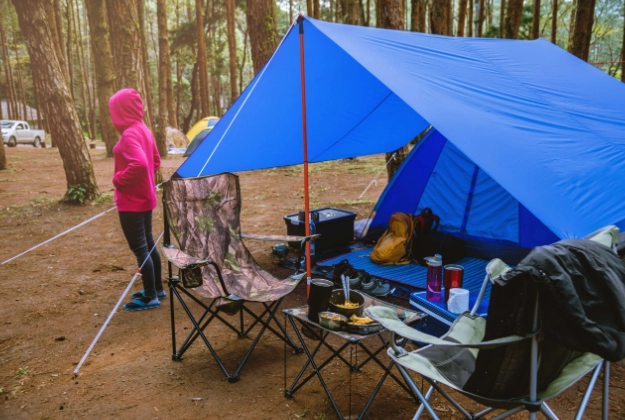
Waterproofing & Materials: It's Not All the Same
"Waterproof" on a label can be misleading. Look for a hydrostatic head (HH) rating. This measures how much water pressure the fabric can withstand before leaking. For a reliable camping rain shelter, aim for at least 1500mm HH. Good backpacking tarps often exceed 3000mm.
Fabric matters too. Polyester handles UV rays better than nylon, which can degrade and sag when wet. Denier (D) indicates fabric thickness—a higher denier is more durable but heavier. A 70D floor is tough; a 20D roof is light.
The coating is key. Polyurethane (PU) coatings are common and affordable but can degrade over time. Silicone-treated fabrics (like silnylon or silpoly) are lighter, more water-repellent, and have a higher tear strength for their weight, but they're harder to repair in the field.
Setup: Easy vs. "Easier Said Than Done"
How many people does it take to set it up? Read the reviews. Some "instant" shelters have complicated leg-locking mechanisms that can pinch fingers or jam. Color-coded poles and continuous pole sleeves are huge helps. For tarps, are there plenty of reinforced tie-out points, or just flimsy grommets?
I once bought a screen house that claimed "5-minute setup." It took two of us 25 frustrating minutes the first time, wrestling with confusing poles and sleeves that snagged. Practice in your backyard before you take it into the field!
Wind Resistance & Stability
This is where many shelters fail. Look for features that fight the wind:
- Vented Canopy Tops: Allows wind to pass through rather than lifting the whole structure like a parachute.
- Sturdy, Adjustable Guy Lines: Not just cheap, thin strings. You need real cord and robust stakes for all critical points.
- Frame Design: Thicker, powder-coated steel or aluminum is better than thin, painted tubing. Truss-style frames on canopies are more stable than simple straight legs.
For a backpacking tarp, your pitching skill is the main factor for wind resistance. A low, angled pitch facing the wind is far more stable than a high, flat pitch.
Size & Coverage: Don't Guess
Manufacturers love to list the "overall" dimensions, which is the footprint of the legs. The important number is the underneath coverage area. A 10'x10' canopy does not give you 100 sq ft of dry space—the legs and slope of the roof eat into that.
Think about what you need to fit underneath. A picnic table? Chairs? A cooking station? A general recommendation: for a group of 4-6 people to sit comfortably, you probably want at least a 10'x10' or 12'x12' canopy-style shelter.
For a backpacking tarp, an 8'x10' is a versatile size for one or two people. It gives you enough coverage to pitch it low in bad weather or high for more living space in fair weather.
How to Choose YOUR Best Rain Shelter for Camping: A Simple Flowchart in Words
Stuck? Ask yourself these questions in order:
- How am I getting to camp? Car = weight doesn't matter. Backpack = weight is everything.
- How many people need to stay dry? Just me? My family of four? A big group?
- What's the biggest nuisance? Rain? Bugs? Wind? Sun? (Often, it's a combo).
- What's my budget? Be realistic. A great ultralight Dyneema tarp costs over $300. A decent pop-up canopy is around $150. A basic poly tarp is $30.
- How handy am I with knots and setups? Be honest. If you hate fiddly things, get a pop-up or a simple freestanding screen house.
Your answers will point you in the right direction. For example: Car + Family of 4 + Bugs & Rain + Mid Budget + Low Fuss = A Screen House with a Full-Coverage Rainfly.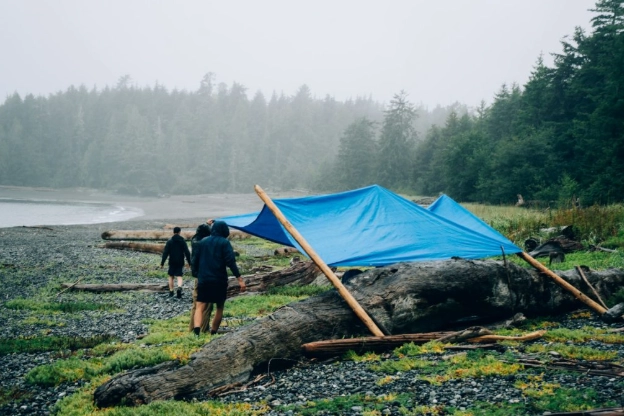
Top Picks Across Different Categories (Based on Real-World Use)
These aren't just spec-sheet winners. They're shelters that have proven themselves in the field, either through my own use or through consistent, high praise from the camping community. Remember, the best rain shelter for camping for a thru-hiker is worlds apart from the best for a weekend warrior.
For the Ultralight Backpacker: The Versatile Flat Tarp
If I had to pick one, I'd point to a well-made silnylon or silpoly flat tarp from a cottage gear company. Brands like Borah Gear, Simply Light Designs, or Hammock Gear make excellent ones. Why? The customization. You choose the size, fabric, and number of tie-outs. A 7'x9' or 8'x10' in silpoly is a fantastic balance of weight (often under 16 oz), coverage, and durability. It's not the absolute lightest, but it's tough, doesn't sag like silnylon when wet, and is more affordable than Dyneema.
This is the ultimate best rain shelter for camping when every ounce counts and you have the skills to use it.
For the Car Camping Family: The Reliable Pop-Up Canopy with Vents
After testing a few, the ones that stand up to actual weather have a few things in common: a truss-style frame, a vented top, and decent included stakes. The Eurmax 10'x10' Premium Canopy is often cited as a workhorse. It's heavier than the cheap ones from big-box stores, but that weight is in a thicker steel frame and a denser 500D canopy fabric. The leg-lock system is robust. It's not perfect—it's still a pain to pack up alone—but for creating instant dry space at a drive-in site, it's hard to beat.
For the Bug-Battle Camper: The Full-Zip Screen House
When the mosquitoes are like tiny vampires, you need walls. The Clam Quick-Set Escape series is interesting because it's a hybrid—it sets up like a pop-up (literally unfolds) but has fully enclosed mesh and a waterproof roof. It creates an instant room. Another solid, more traditional option is the Coleman Screened Canopy. It takes longer to set up with its pole-and-sleeve design, but it's often more affordable and provides a huge bug-free area. Just make sure you get the model that includes a proper rainfly, not just a mesh top.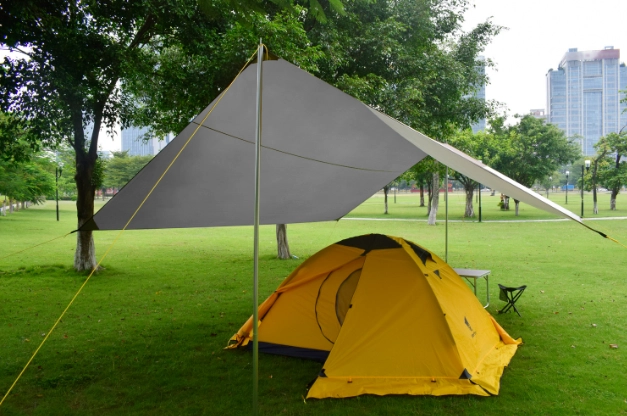
Pro Tips for Deployment and Staying Dry
Buying it is only half the battle. Using it right is the other half.
- Site Selection is 90% of the Game: Don't set up in a natural drainage ditch. Look for flat, slightly elevated ground. Use natural windbreaks like trees or bushes, but be mindful of dead branches overhead ("widowmakers").
- Pitch it Tight: A loose tarp or canopy will flap noisily all night and is more likely to fail. On a tarp, you should be able to drum the fabric lightly with your fingers.
- Angle is Everything: Always angle your shelter so the prevailing wind hits the lowest or most sheltered side. Pitch one side lower than the other to shed rain and block wind-driven rain.
- Use a Footprint/Ground Cloth: Even under a canopy, putting down a tarp or a dedicated footprint protects the shelter floor from mud, sharp rocks, and pine sap, extending its life.
- Seam Seal It: Most tents and tarps come with factory-sealed seams, but it's worth checking. A small bottle of seam sealer (like McNett Seam Grip) is cheap insurance against leaks. Do this at home before your trip.
Your Rain Shelter Questions, Answered
Wrapping It Up: The Final Verdict
So, what's the absolute best rain shelter for camping? I wish I could give you one name, but I'd be lying. The truth is, the best one is the one that matches your trip, your skills, and your budget.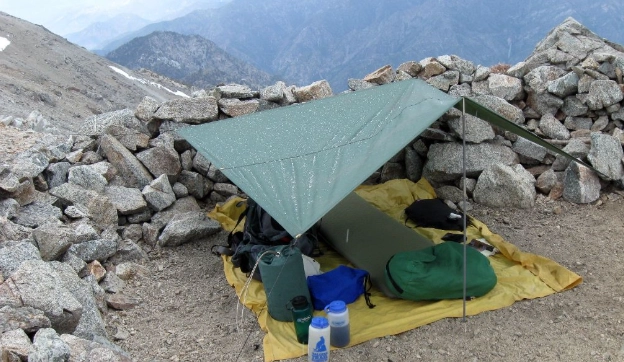
For most people starting out or camping with family from a car, a sturdy pop-up canopy with a vented top is a phenomenal investment. It solves the problem quickly and effectively. For the solitary backpacker chasing miles, a versatile flat tarp is a piece of freedom. For the bug-plagued summer camper, a full-coverage screen house is worth its weight in gold.
The goal isn't to buy the most expensive or the lightest. The goal is to stay dry, comfortable, and happy so you can focus on the campfire, the stars, and the company. Do your homework based on what we've covered here, and you'll find your perfect match. And when the clouds roll in, you'll just smile, settle under your shelter, and enjoy the sound of the rain—from a dry, comfortable seat.
Got a specific scenario I didn't cover? Think I'm totally wrong about pop-up canopies? Drop a comment below—the best advice often comes from shared experiences.