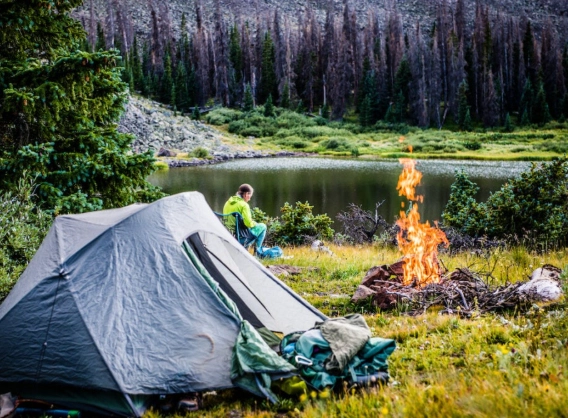
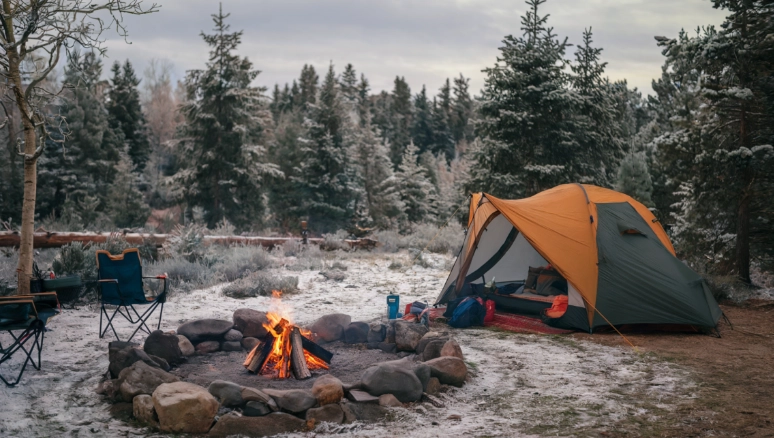
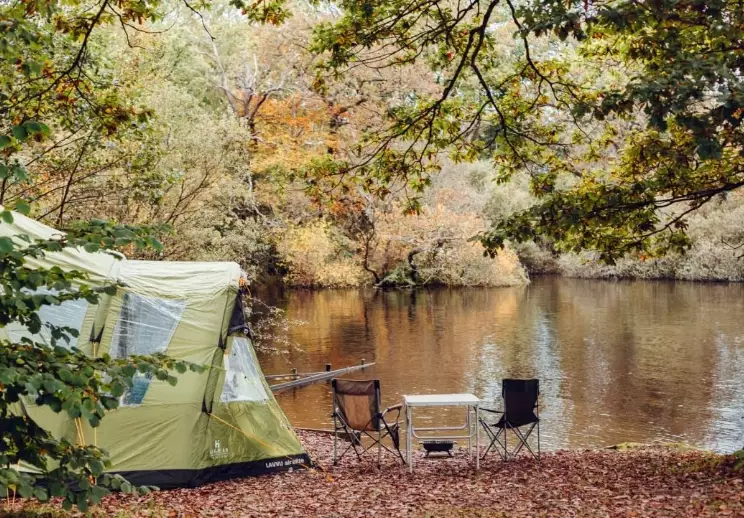
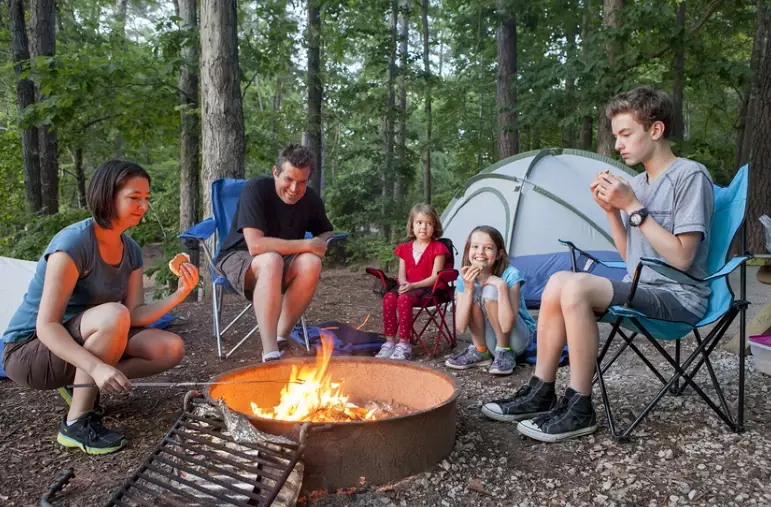
Let's be honest. The idea of a couples camping trip sounds perfect—pristine nature, crackling fires, and quality time away from screens. But I've seen too many trips go sideways because of one overlooked detail. It's not just about throwing a tent in the car. A successful romantic camping trip hinges on a blend of practical planning and intentional connection. Forget the generic lists. After a decade of camping with my partner, from soggy misadventures to sublime starry nights, I'm sharing the nuanced tips that actually make a difference. This guide will help you move from a potentially stressful outing to a genuinely bonding adventure.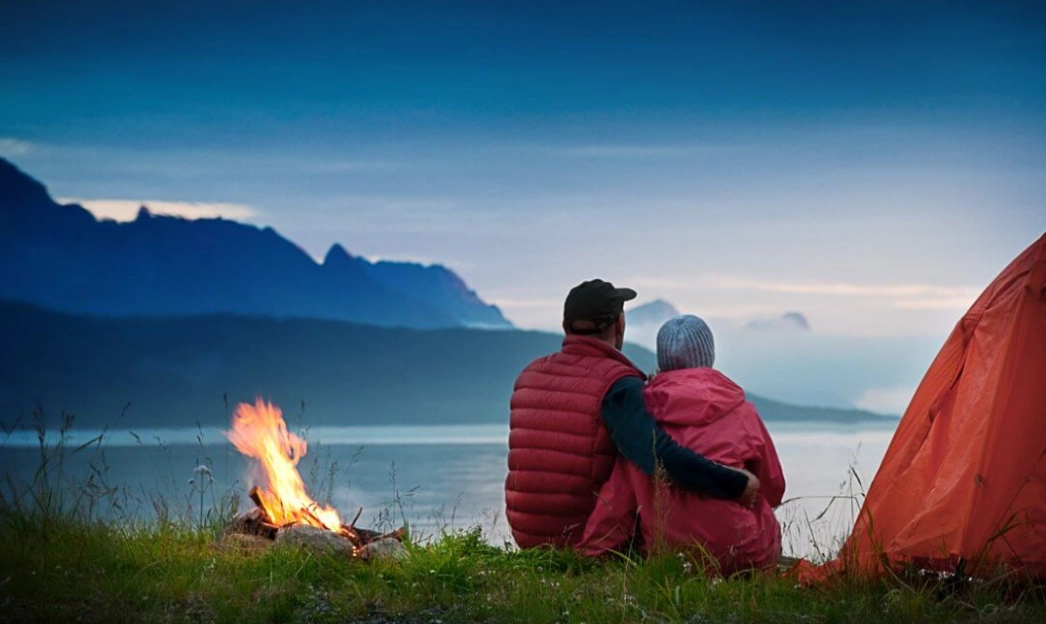
Your Quick Guide to a Perfect Couples Camping Trip
Planning Your Perfect Trip
This is where most couples make their first subtle mistake. They pick a spot because the photos look "romantic," without considering what "romantic" means for them as a team. A remote, hike-in site might be romantic for an experienced duo but a nightmare for first-timers.
How to Choose the Right Campsite for Two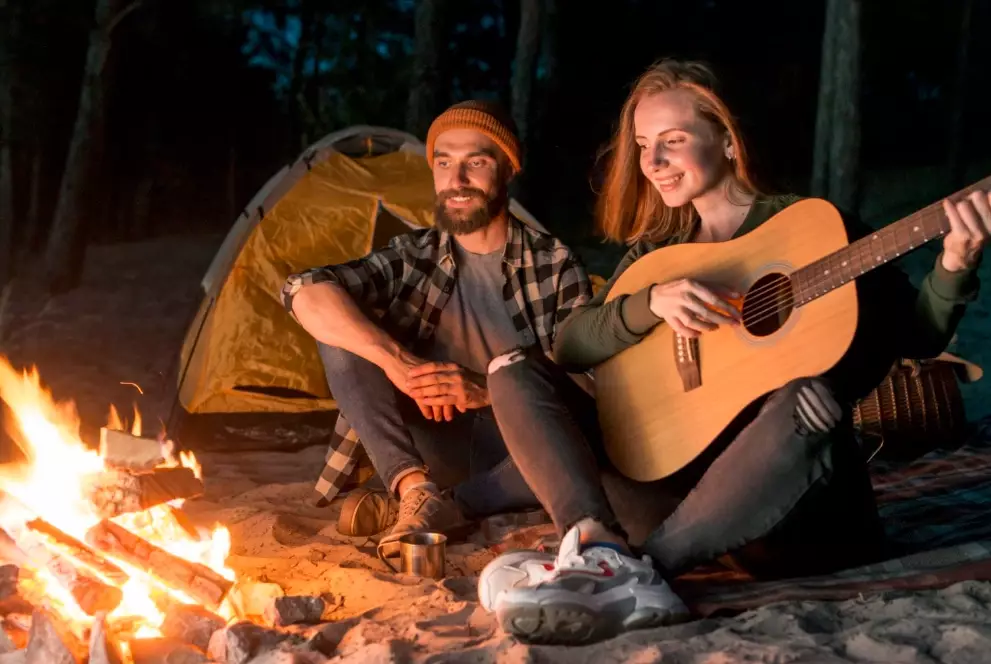
Don't just search for "romantic camping." Think about your shared comfort zone. Are you looking for solitude or the safety net of a few nearby campers? Use filters on sites like Recreation.gov or Hipcamp strategically.
For First-Timers: Choose a developed campground. Yes, they're less "wild," but they have flush toilets, potable water, and a camp host. This removes huge stress variables. Look for sites labeled "walk-in" or "tent-only" within these campgrounds—they're often quieter and more private than the RV loop.
For a More Secluded Experience: Consider dispersed camping on National Forest or BLM land (Bureau of Land Management). The privacy is unmatched. But you must be self-sufficient: bring all water, know how to manage waste, and have a reliable vehicle. Always check the specific district's rules online first.
The Booking Window & Tent Strategy
Popular spots book up months in advance. If you're planning for summer, start looking now. For spontaneous trips, aim for Sunday-Thursday arrivals, which are easier to book.
Your tent is your bedroom. The biggest error? Getting one that's too small. A "2-person" tent fits two sleeping pads and nothing else. For comfort, get a 3 or 4-person tent. This gives you room for your gear and to sit up without feeling claustrophobic. A tent with a vestibule is golden—it's a mudroom for your dirty shoes and packs, keeping the sleeping area clean.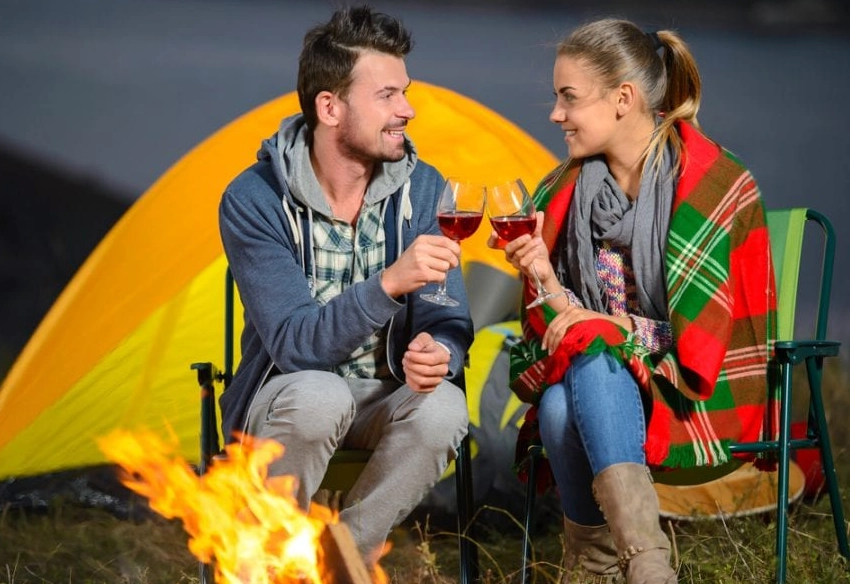
Packing Like a Pro (For Two)
Packing together is a pre-trip ritual. It sets the tone. Create a shared list (Google Keep is great for this) and divide responsibilities. One person manages shelter, the other handles kitchen. This avoids the "I thought you packed the coffee" moment.
Here’s a streamlined checklist that goes beyond the basics, focused on comfort and couple-specific needs:
| Category | Essential Items | Why It's Key for Couples |
|---|---|---|
| Sleep System | Roomy tent, two sleeping pads (insulated!), sleeping bags rated for the expected low temp, compact pillows (or stuff sacks with clothes). | Comfort is non-negotiable for mood. Cold, sore campers are not romantic. Invest in good pads—they matter more than the bag for warmth and comfort. |
| Kitchen & Food | Compact stove, fuel, lighter, pot/pan, spatula, biodegradable soap, sponge, two mugs, plates/bowls, sharp knife, cooler, water jug. | Plan meals you can cook together. Pre-chop veggies and marinate meat at home. Simplify. A fancy camp dinner is great, but so is shared instant ramen with an egg cracked in it. |
| Clothing & Personal | Layers (merino wool is a game-changer), rain jacket, sturdy shoes, camp shoes (Crocs or sandals), beanie, sunscreen, bug spray, two headlamps (with red light mode!). | The red light on headlamps preserves night vision and is less jarring for your partner. Pack a "camp comfort" outfit you both love—like matching hoodies. |
| Comfort & Connection | Compact camp chairs, small foldable table, picnic blanket, deck of cards, a book to read aloud, Bluetooth speaker (used respectfully), journal. | This category transforms a survival trip into a enjoyable getaway. The table is crucial for meal prep and games. The blanket is for stargazing. |
| Safety & Misc | First-aid kit, map (paper or offline), power bank, duct tape, multitool, trash bags, wet wipes, hand sanitizer. | Being prepared reduces anxiety. A small first-aid kit should include blister patches and pain relievers—common trip-savers. |
Setting Up Camp & Daily Life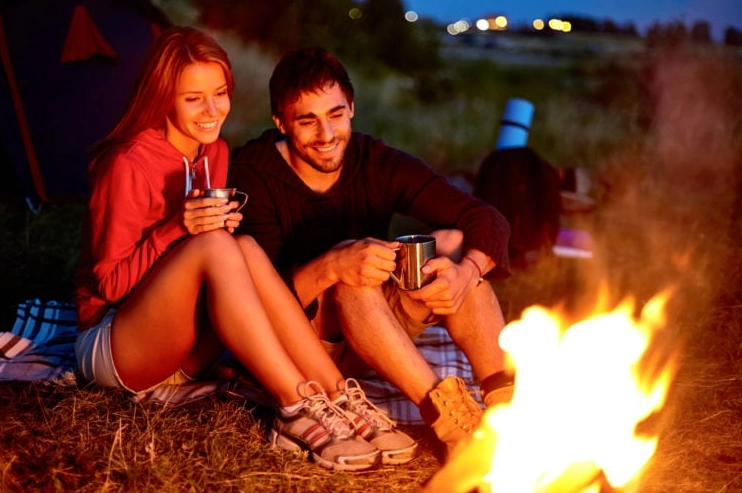
You've arrived. Now what? The first hour sets the pace. A common tension point is setting up camp. Have a loose plan: one person clears the tent site and lays out the footprint, while the other gathers water or starts organizing the kitchen area. Work in parallel, not on top of each other.
Mastering the Camp Kitchen for Two
Keep it simple but satisfying. One-pot meals are your friend. Think chili, pasta, or hearty stews. My non-consensus tip? Bring a small pour-over coffee setup. That morning ritual of making real coffee together, watching the steam rise, is a tiny luxury that feels massive outdoors. It beats instant coffee packets every time.
Cleanup is a team sport. One washes, the other dries. It gets done fast, leaving more time for relaxing.
Navigating the Night (And Bathroom Trips)
It gets dark, and it gets quiet. That silence can be profound or unnerving. Talk about it. Keep a headlamp with that red light setting inside the tent for midnight trips to the bathroom—it won't ruin your or your partner's night vision. Always have shoes ready to slip on by the tent door.
Temperature drops drastically. That's why insulated sleeping pads are on the checklist. If you're cold, share body heat. A double sleeping bag or zipping two compatible bags together can be a great investment for frequent camping couples.
Creating Romantic Moments & Activities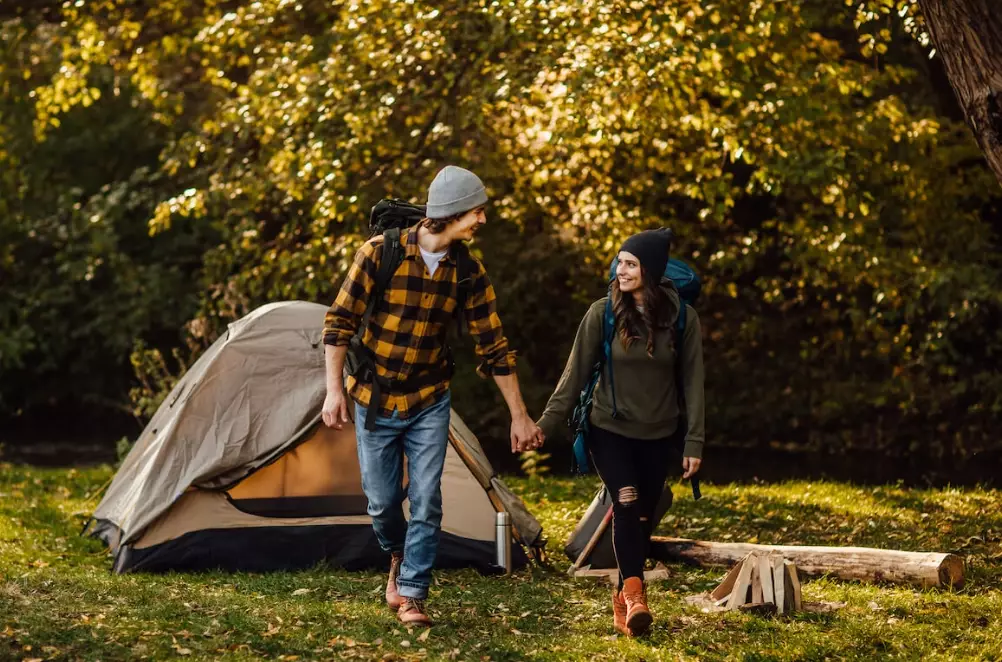
Romance outdoors isn't about grand gestures. It's about shared attention. Put the phones on airplane mode and in the car. Seriously.
Sunrise/Sunset Ritual: Pick one. Make a point to watch it together with your morning coffee or evening tea. No talking, just watching.
Stargazing 101: Download a star app like SkyView Lite. Lie on your blanket and try to find constellations. The shared wonder of spotting a shooting star is pure magic.
Easy Day Adventure: Choose a short, scenic hike where the goal is the journey, not the summit. Stop often. Look at bugs on logs, strange rocks, interesting leaves. Bring snacks and have a picnic halfway.
The Campfire Talk: Move beyond daily logistics. Ask questions like "What's a memory from childhood that always makes you smile?" or "Where should we travel next year?" The campfire is a natural conversation catalyst.
Remember, the goal is connection, not a perfectly executed itinerary. If it rains, see it as a chance to cozy up in the tent with a card game. Flexibility is the most romantic tool you have.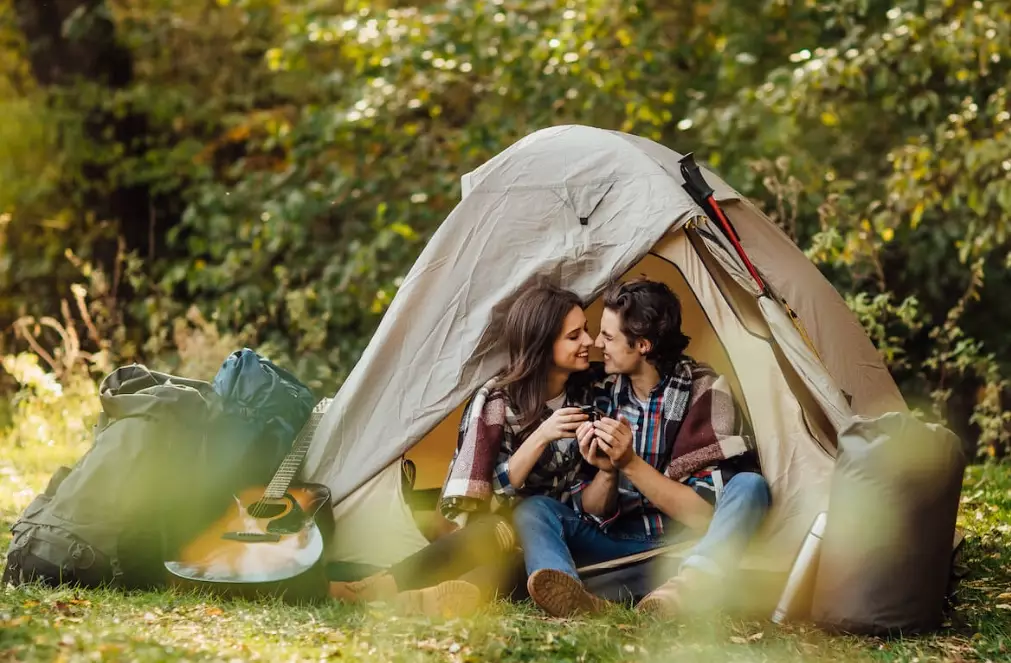
Your Couples Camping Questions Answered
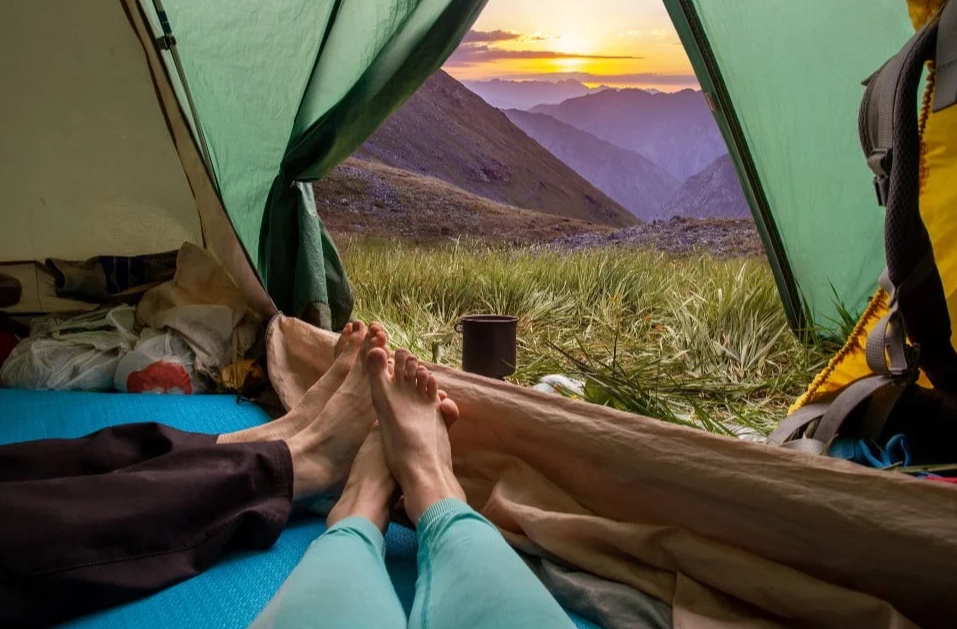 My partner loves the idea of camping, but I'm worried about being uncomfortable and not sleeping. Any advice?