Quick Navigation
Let's be honest, the idea of survival camping sounds awesome in movies. You know, the lone hero against the elements. But when you're actually staring at a map, trying to figure out where to pitch your tarp for a real trip, it gets confusing fast. Is that spot by the river too exposed? Will that valley be a wind tunnel? Finding the right survival camping locations isn't about picking the prettiest spot on Instagram; it's about finding a place where you can actually practice your skills safely, without getting yourself into a real survival situation you didn't sign up for.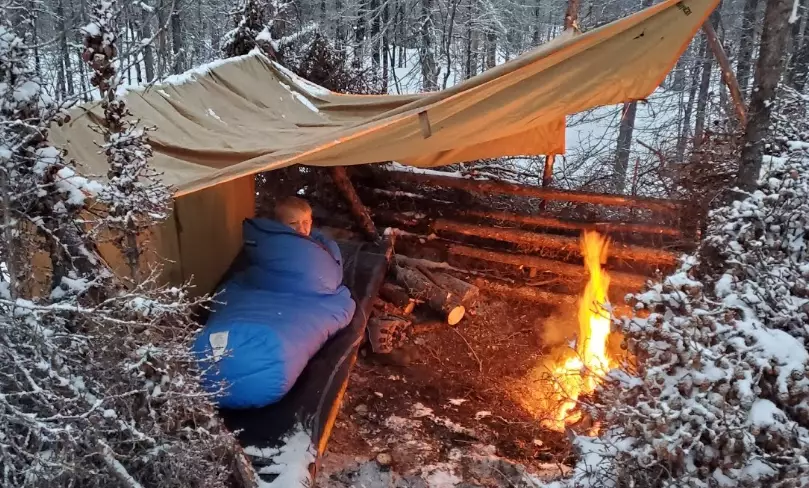
I've dragged my gear to places that looked perfect on satellite view, only to find the ground was pure rock or the "secluded" meadow was a midnight highway for local wildlife. It's frustrating. This guide is what I wish I had back then. We're not just listing places. We're digging into the why behind a good location, the stuff that makes the difference between a challenging learning experience and a miserable, potentially dangerous night.
So, what makes a spot good for survival camping? It's a mix of safety, resource availability, and legal access. It's different from your typical car camping where the biggest worry is whether the picnic table is level.
What You're Really Looking For in a Survival Spot
Forget the generic "find flat ground" advice. When evaluating potential survival camping spots, you need to think like a scout and a safety officer simultaneously. Here’s the breakdown that matters.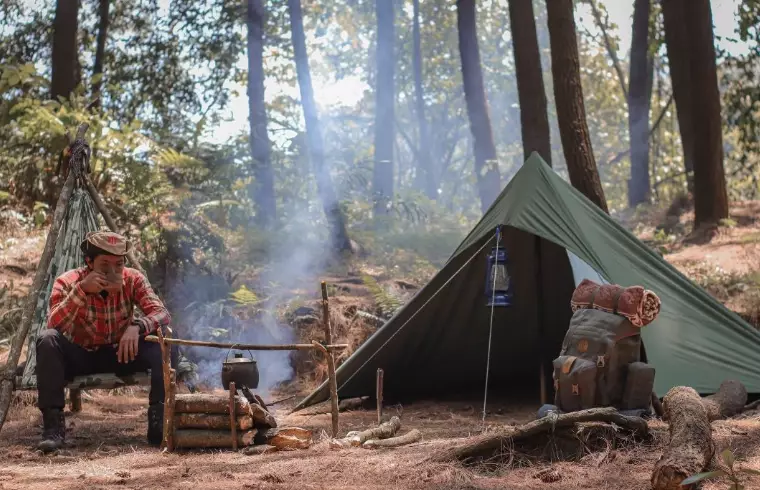
Terrain and Ground: Your Foundation
This is your number one priority. A bad foundation ruins everything.
- Slope and Drainage: Absolutely avoid valley bottoms or depressions. They become cold sinks at night and can flood in a surprise rain. A very slight slope is ideal for drainage. I learned this the hard way in the Appalachians—woke up in a puddle because my "flat" spot was actually a subtle bowl.
- Ground Composition: Soft forest duff is great for stakes and comfort. Sandy soil drains well but stakes pull out easily. Avoid pure rock shelves (no stakes, cold) and thick clay (slippery when wet, hard when dry).
- Overhead Dangers: This is non-negotiable. Look up. Are there dead branches ("widowmakers") hanging in the trees above? Is the area under a single, tall tree that could attract lightning? Clear these zones.
Resource Proximity: The Lifelines
In survival camping, you're intentionally relying on the land more, but you're not trying to torture yourself. Strategic proximity is key.
Water: You need a reliable source within a reasonable walking distance (think 5-10 minutes max). A flowing stream or river is best. Stagnant ponds are last-resort options and require more thorough purification. Remember, you'll be making multiple trips for water. The U.S. Geological Survey has great resources on water basics that underline why finding a good source is critical.
Wood: You need dead, downed wood for fire. An area with a mix of standing live trees and plenty of fallen deadfall is perfect. A heavily picked-over area or a damp rainforest floor with only sodden logs is a problem.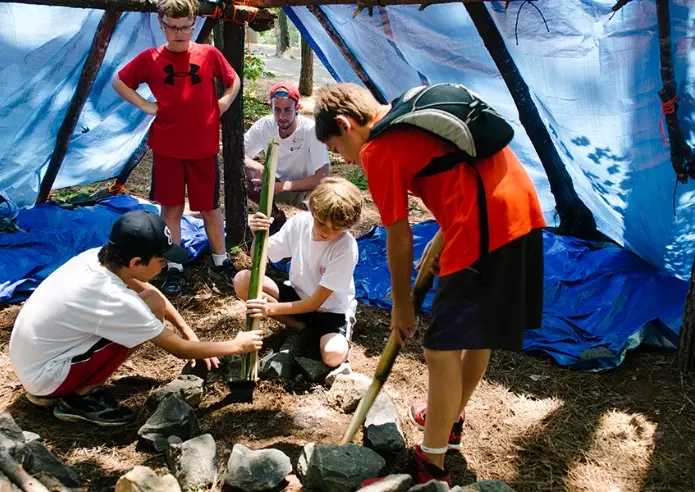
Materials: Are there natural materials for shelter improvization? Vines for lashing, tall grasses for thatching, evergreen boughs for bedding? Not all locations have these.
Exposure and Microclimate
This is where online maps fail you. A spot can look perfect but feel awful.
- Wind: Ridges are windy and cold. Valley bottoms can be still but cold. A spot midway on a slope, or tucked behind a natural windbreak (a rock outcrop, dense evergreens) is often the sweet spot.
- Sun: Morning sun is a morale booster and helps dry dew. A south-facing slope (in the Northern Hemisphere) gets more sun warmth. Deep, north-facing ravines stay colder and darker.
- Insects and Critters: Being right on the water's edge often means more mosquitoes. Dense, damp undergrowth can host more ticks. It's a trade-off.
See what I mean? It's a puzzle. Now, let's look at some actual types of areas that often fit these puzzles together well.
Top Types of Terrain for Survival Camping Practice
Based on the factors above, certain landscapes consistently offer better setups. Here’s a quick comparison.
| Terrain Type | Pros for Survival Camping | Cons & Challenges | Best For Practicing |
|---|---|---|---|
| National Forest (Dispersed Sites) | Legal, vast space, varied resources, established fire rules, often free. | Can be crowded near trailheads, requires research on specific district rules. | Shelter, fire, water purification, navigation. |
| BLM Land | Often more remote/arid, great for solitude, generally permit-free dispersed camping. | Water sources scarce, extreme temps, less overhead cover. | Sun/wind exposure management, minimal-impact camping, arid survival skills. |
| Designated Wilderness Areas | Purest wilderness experience, no mechanized access, true challenge. | Strict regulations (often no groups >10, no fires above treeline), requires high skill level. | Advanced navigation, low-impact travel, self-sufficiency. |
| Northern Boreal Forest | Abundant deadfall, natural insulation (moss), often has lakes/streams. | Short seasons, brutal bugs (summer), very cold (outside summer). | Fire-making in damp conditions, improvised insulation, bug management. |
| High Desert/Pinyon-Juniper | Amazing visibility, low humidity, unique firewood (pinyon pine). | Water is THE critical factor, wide temp swings, limited natural shelter. | Water conservation, solar exposure, finding/filtering scarce water. |
My personal bias? I cut my teeth in National Forests. They offer a fantastic balance of accessibility and genuine wilderness. The rules are clear, and the ranger stations are (usually) helpful if you call ahead with questions about current conditions or fire restrictions.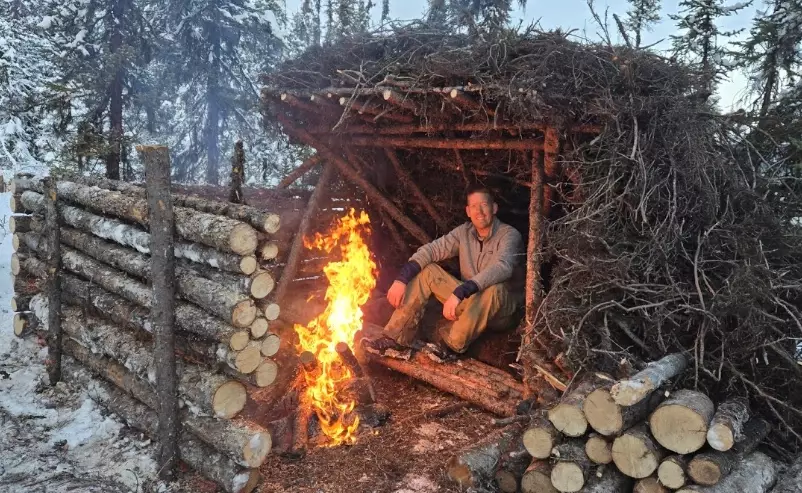
A Closer Look at Specific Survival Camping Locations (By Region)
Alright, let's get more concrete. These are examples of areas known for offering the right mix of challenge and safety for practicing survival skills. Remember, conditions change, so always verify details before you go.
The West: Big Land, Big Skies
Inyo National Forest (California/East Sierras): This place is a survival camper's dreamscape. You've got high desert on the east side near Lone Pine and alpine lakes on the west. The dispersed camping along the many dirt roads off Highway 395 is legendary. Why it's good? Extreme variety in a small geographic area. You can practice desert water sourcing one day and alpine shelter the next. The Inyo NF official site is essential for checking fire restrictions and road closures.
Markagunt Plateau (Dixie National Forest, Utah): This high-elevation plateau, away from the crowds of Zion, is dotted with lakes and thick conifer forests. It's less arid than much of Utah, so finding water is less of a panic. The soil is good for stakes, and there's tons of deadfall. It gets cold at night even in summer, which is perfect for testing your shelter's insulation.
What's the catch out West? Distance. You're often a long way from help. Your first-aid kit and communication plan (I never go without a PLB now) are not optional.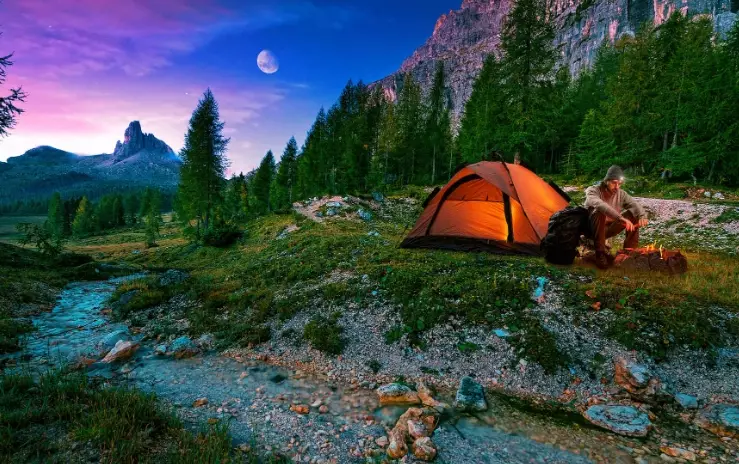
The East: Green and Dense
Monongahela National Forest (West Virginia): If you want to practice woodland survival, this is a top-tier classroom. It's wet, lush, and full of resources. Springs and streams are plentiful. The forest is dense, offering great wind protection and ample shelter materials. The Dolly Sods Wilderness area within it is particularly rugged and popular for this kind of thing. The challenge here is often staying dry and making fire with potentially damp wood.
Adirondack Park (New York) - Specific Wilderness Areas: The Pharaoh Lake Wilderness or the Five Ponds Wilderness are massive, trailless(ish) areas where you can truly get lost (figuratively and literally). The regulations are strict—group size limits, bear canisters required—which forces good discipline. The terrain is a mix of thick forest, rocky outcrops, and countless lakes. Finding a good survival camping location here teaches you to read complex, glaciated landscapes.
The North: The True Test
Boundary Waters Canoe Area Wilderness (Minnesota): While often accessed by canoe, you can basecamp on a lake and practice inland skills. This is a masterclass in resource management. You have abundant fresh water and fish, but the weather can turn on a dime, and the bugs in June are a survival challenge all their own. It forces you to think about long-term camp placement and storage. The BWCAW official site has all the permitting and regulation info, which is crucial for planning.
Maine's North Woods (Private/Public Mix): Millions of acres of commercial timberland are often open to public recreation under specific rules. It's remote, rugged, and has a real “last frontier” feel. Moose are more common than people. The key here is understanding the unique public access rules for each landholding company. It's not as straightforward as National Forest land, but it offers incredible solitude.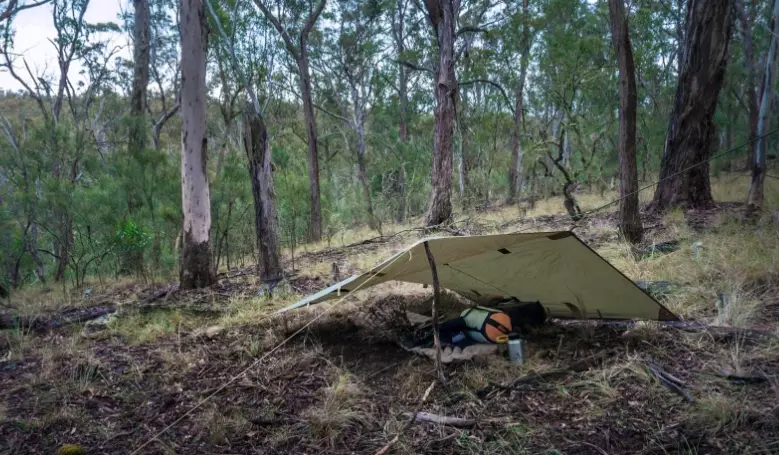
See, it's not just about naming a forest. It's about understanding the character of the place and how it aligns with the skills you want to test.
The Non-Negotiables: Your Gear and Mindset
Even when practicing survival, you carry backup. Calling it a “survival kit” is a bit dramatic. It's just smart gear that gives you the safety net to practice primitive skills without becoming a statistic.
Here’s my pared-down, essential list for any trip to evaluate or use a survival camping location:
- Navigation: Physical map of the area, compass, and a charged GPS/phone as a backup. Know how to use the map and compass.
- Water: Two methods of purification. A filter (like a Sawyer Squeeze) for bulk water and chemical treatment (Aquamira) as a backup/for viruses if needed.
- Fire: A modern fire starter (ferro rod) AND a simple lighter in a waterproof case. Don't be a purist at the expense of safety. Plus, cotton balls soaked in petroleum jelly.
- Shelter: A sturdy tarp (8x10 ft minimum) and cordage. This is your guaranteed roof. You can practice building a debris hut under it.
- First Aid: A kit tailored to you. Include blister care, antiseptic, and any personal meds. Know how to use it.
- Insulation: An extra layer of clothing (puffy jacket, rain shell) beyond what you think you'll need.
- Illumination: Headlamp with extra batteries.
- Communication/Rescue: A fully charged power bank and, for truly remote wilderness survival camping, a Personal Locator Beacon (PLB) or satellite messenger.
Answering Your Questions (The Stuff You Actually Google)
Let's tackle some common head-scratchers that pop up when planning for these kinds of survival camping locations.
Look, the internet is full of extreme stories. The reality of finding and using good survival camping locations is more about careful homework and thoughtful observation than dramatic daring. It's a skill that builds with every trip, every mistake you analyze, and every perfect spot you find that just clicks.
Start small. Pick a familiar National Forest, go for one night, and make your goal simply to find the best possible site using these criteria. That's how you build the real-world experience that turns this from a theoretical idea into something you just know how to do. The wilderness will always be there, ready to teach you its next lesson.