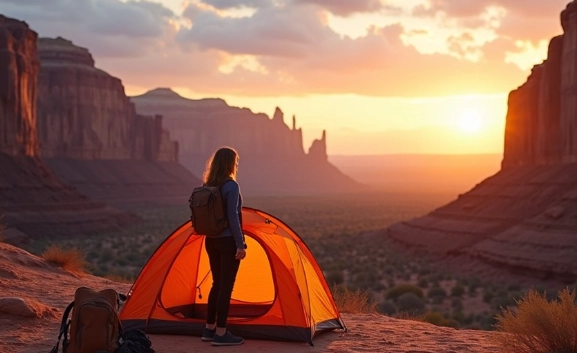
Let's be honest. The idea of solo camping as a woman can be intimidating. I remember my first time, a decade ago. I spent more time triple-checking the locks on my car than I did enjoying the sunset. The whispers of "is it safe?" were louder than the crickets. But here's what I learned, and what most articles don't tell you: that initial fear, when managed correctly, transforms into the most profound sense of freedom and self-reliance you'll ever experience. This isn't just about sleeping in a tent alone. It's about reclaiming your time, space, and confidence in the natural world. This guide cuts through the generic advice and gives you the real, actionable steps I've honed over years of camping alone.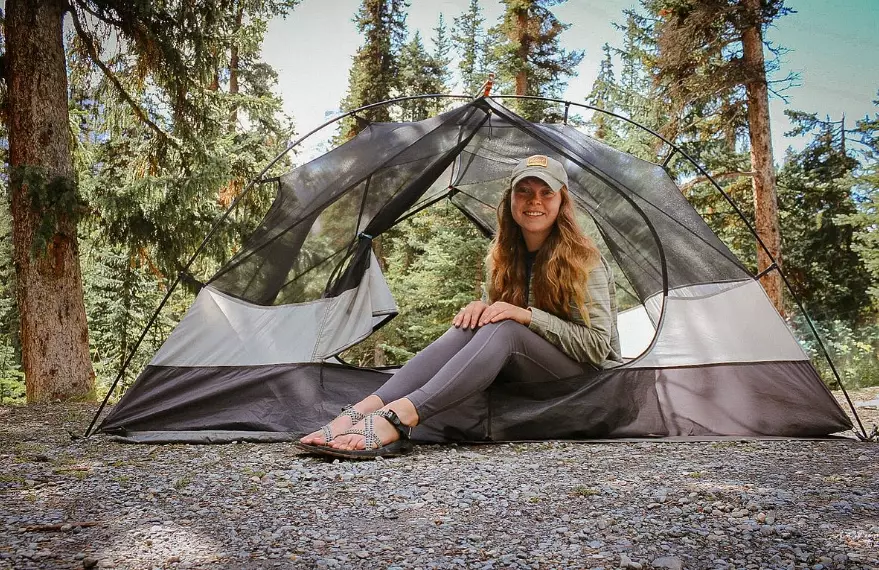
Your Quick Guide to Solo Camping Confidence
- How to Plan Your First Solo Camping Trip as a Woman
- Non-Negotiable Safety Gear for Solo Female Campers
- Choosing the Right Campsite: Frontcountry vs. Backcountry
- Building Confidence: Skills Before You Go
- A Realistic Solo Camping Weekend Itinerary
- Handling Common Concerns and Emergencies
- Your Solo Camping Questions, Answered
How to Plan Your First Solo Camping Trip as a Woman
Don't start with a week in the remote wilderness. That's a recipe for overwhelm. Your first trip should be a controlled experiment in fun. I always recommend a two-night, frontcountry trip at a state park or established campground within a 2-hour drive from home. Why? Cell service, proximity to other people (but not too close), and a quick bail-out option if needed.
The biggest mistake I see is over-planning the activities and under-planning the logistics. Your focus should be on comfort and simplicity.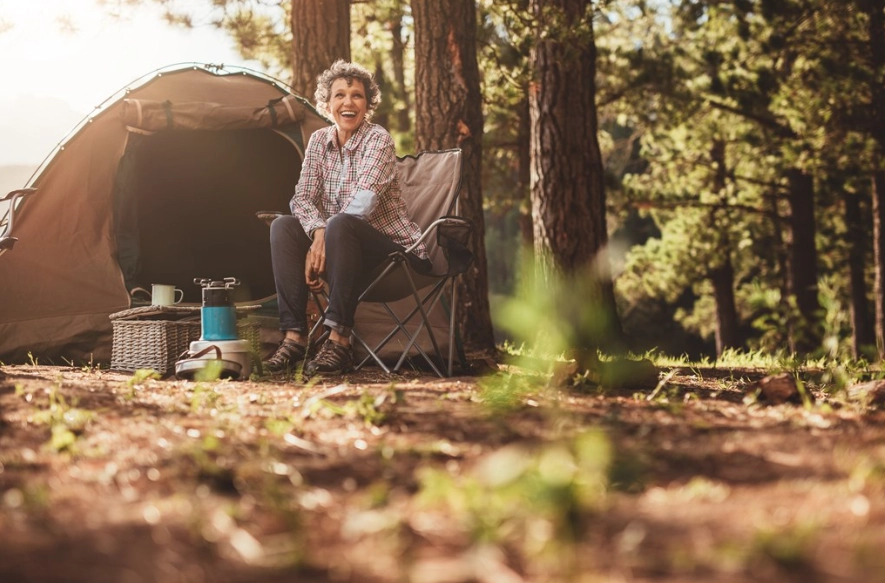
Pro Tip from the Field: Book a site that arrives in daylight. Aim to get to the campground with at least 2-3 hours of sunlight left. Setting up a tent for the first time in the dark, alone, is a special kind of frustration you don't need.
Tell one or two trusted people your exact plan. I use a shared note on my phone with: campsite number, park name and address, my planned arrival/departure times, and a note to "check on me if you don't hear from me by X time tomorrow." It's not paranoid; it's responsible.
Non-Negotiable Safety Gear for Solo Female Campers
Forget the 50-item packing lists. For solo trips, your gear philosophy shifts from "nice to have" to "critical for security and peace of mind." Here are the items that live permanently in my solo pack, beyond the usual tent and sleeping bag.
>Most pre-made kits are junk. Build your own. A single blister can make hiking miserable.| Gear Category | Specific Item & Why It's Crucial | My Personal Recommendation / Note |
|---|---|---|
| Communication & Light | Fully charged power bank + cable: A dead phone is your biggest vulnerability. Headlamp with red light mode: Hands-free, preserves night vision, less blinding to others. |
Anker power banks are reliable. Get a headlamp with at least 300 lumens. The red light is also less likely to attract bugs. |
| Personal Security | Personal safety alarm: The loud, piercing kind you pin to your belt. Whistle on your keychain: Universal distress signal, works when you can't yell. |
I keep the alarm clipped inside my tent door at night. It's more for psychological deterrence than anything. |
| Shelter Security | Compact door jamming alarm: For cabin doors or sturdy tent zippers. Extra tent stakes & paracord: To securely fasten rainfly and create a taught pitch. |
A poorly pitched tent looks and feels insecure. A tight, orderly campsite subconsciously signals competence. |
| First Aid & Repair | Customized first-aid kit: Include blister pads, antihistamines, and ibuprofen. Multi-tool & duct tape: For quick gear repairs that could otherwise ruin your trip. |
Notice what's not on this list? A weapon. I don't recommend carrying anything you're not extensively trained to use under extreme stress. It often creates more risk. Your best weapons are your awareness, your voice, and your ability to leave.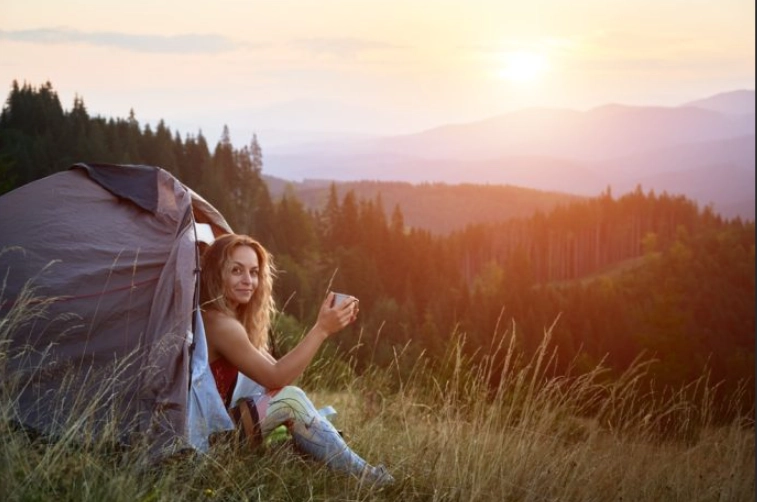
Choosing the Right Campsite: Frontcountry vs. Backcountry
This decision makes or breaks your experience. Let's break down the reality of each.
Frontcountry Camping (Car Camping)
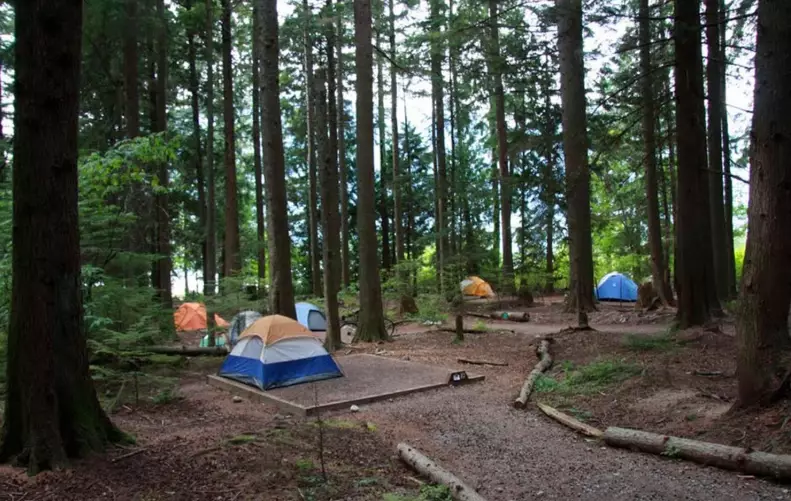
Your car is right there. You have a designated spot, often with a picnic table and fire ring. There are bathrooms (maybe even with showers) and other campers within sight or earshot.
Best for: First-timers, those wanting to bring more comfort items (cooler, camp chair, real pillow), and anyone prioritizing ease and accessibility.
How to pick a good site: Use the campground map. I avoid sites right next to the bathroom (foot traffic) or the entrance (car lights). I look for a site that's somewhat bordered by trees or shrubs for a sense of privacy, but not completely isolated. Reserve in advance on sites like Recreation.gov or state park portals.
Backcountry / Dispersed Camping
You hike in with everything on your back. No facilities, no designated spots, often no cell service. This is advanced-level solo camping.
Best for: Experienced campers seeking deep solitude and a greater challenge.
The crucial step: Always check in with the local ranger station or land management office (e.g., US Forest Service, BLM). They give you current trail conditions, water sources, fire restrictions, and bear activity. They also note your intended itinerary—a critical safety check. Never skip this.
Building Confidence: Skills Before You Go
You can buy all the gear, but confidence comes from skill. Practice these at home first.
Pitch and pack your tent blindfolded. Okay, not literally blindfolded, but in your backyard or living room until it's muscle memory. Knowing you can set up a secure shelter quickly, in rain or wind, is a huge anxiety reducer.
Start a fire with one match (or a ferro rod). Don't rely on firestarter logs. Learn to build a proper teepee or log cabin structure with tinder, kindling, and fuel. It's a primal, empowering skill. Check local regulations for fire bans first.
Use your stove and purify water. Cook a meal on your camp stove on your patio. Practice using your water filter with a hose or bucket. The goal is to make the unfamiliar routine before you're alone in the woods.
A Realistic Solo Camping Weekend Itinerary
Here’s what a relaxed, successful first trip might look like. This is based on a trip I did at Pfeiffer Big Sur State Park in California (just an example—find a park near you).
Friday:
2:00 PM: Leave home. Drive is part of the decompression.
4:00 PM: Arrive at campground (Site #45, near the river loop). Check in, pay fees.
4:30 PM: Set up tent, organize camp. Unfold chair, lay out kitchen area. This is the "nesting" phase—it makes the space yours.
6:00 PM: Simple dinner (pre-made chili reheated on stove).
7:30 PM: Short walk to the river overlook. Sit. Listen. No phone, no book. Just be.
9:00 PM: Secure food in bear locker (required here). Brush teeth, get ready for bed. Read with headlamp for a bit.
10:00 PM: Lights out. The sounds are loud at first. You'll get used to it.
Saturday:
7:30 AM: Wake naturally. Make coffee. This is the best part.
9:00 AM: Day hike on the Buzzards Roost Trail (3 miles round trip, moderate). Pack water, snacks, rain layer.
12:30 PM: Back at camp. Lunch (wraps with hummus and veggies).
1:30 PM: Downtime. Journal, sketch, nap in the hammock. Permission to do nothing is key.
4:00 PM: Explore the park's nature center. Talk to a ranger. Human interaction is nice.
6:00 PM: Cook a proper camp dinner (pasta with pesto and sundried tomatoes).
8:00 PM: Small, safe campfire (if allowed). Stargaze.
10:00 PM: Bed.
Sunday:
8:00 AM: Leisurely breakfast, break down camp. Pack out all trash.
10:00 AM: One last short walk. Drive home, stopping at a cute local cafe for a treat.
See? It's not about survival. It's about rhythm and simplicity.
Handling Common Concerns and Emergencies
Let's address the mental scripts that play on repeat.
"What if someone bothers me at my campsite?"
Your demeanor matters. Appear confident and busy. A simple, firm "I'm all set, thanks" works. If someone makes you uncomfortable, don't hesitate to walk to the campground host's site or ranger station. That's what they're there for. In over a decade, I've had to do this once, and the host handled it immediately.
"What about wildlife?"
Research the specific wildlife for your area. For bears, proper food storage is 99% of the solution—use the provided lockers or a certified bear canister. For smaller critters, keep a clean camp. Make noise while hiking to avoid surprising animals. The CDC and park websites have good resources on avoiding encounters. Fear is often worse than the reality.
"I'll feel lonely."
You might. And that's okay. Bring a book, a journal, a podcast to listen to while walking. But also sit with the quiet. The loneliness often morphs into a valuable, reflective solitude. I've had my clearest thoughts sitting by a campfire alone.
Real Emergency: If you're injured or truly lost, STOP (Stop, Think, Observe, Plan). If you have a signal, call 911. If not, use your whistle: three sharp blasts, pause, repeat. It's the international distress signal.
Your Solo Camping Questions, Answered
 Is it weird to go to a campground alone? Will people stare?