There's something primal and deeply satisfying about cooking over an open fire. The crackle of the wood, the scent of smoke clinging to your clothes, and the unique flavor it imparts to food—it turns a simple meal into an event. But let's be honest, it can also be a frustrating mess of burnt hot dogs and undercooked potatoes if you don't know what you're doing. I've been doing this for over a decade, and I've seen every mistake in the book. This guide isn't about romanticizing the idea; it's about giving you the real, practical knowledge to cook confidently over flames.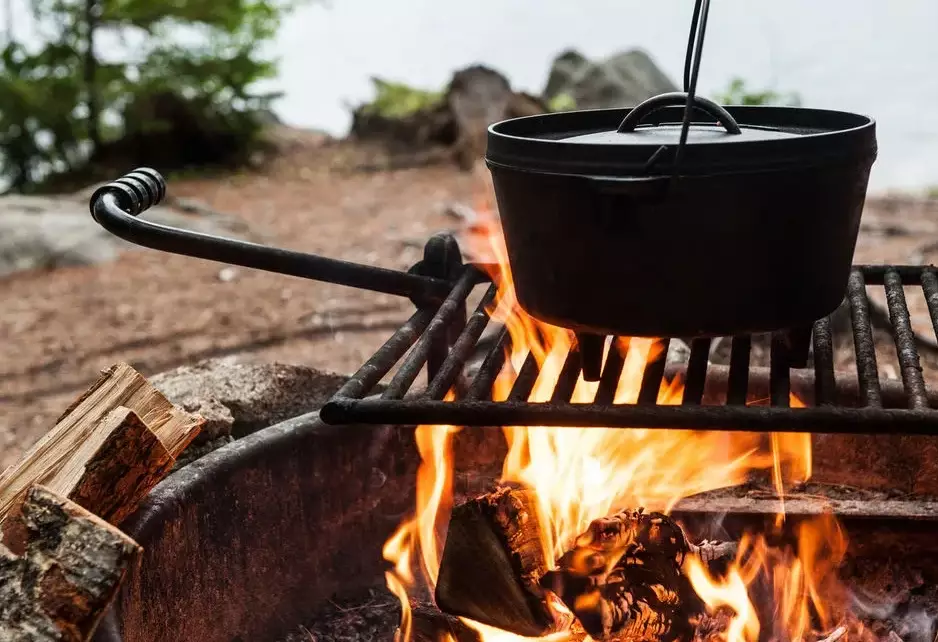
Your Campfire Cooking Roadmap
- How to Build the Perfect Campfire for Cooking
- Essential Campfire Cooking Safety Rules
- Must-Have Campfire Cooking Gear (And What to Skip)
- What Are the Best Foods to Cook Over a Campfire?
- Advanced Campfire Cooking Techniques
- How Do I Clean My Cookware After Campfire Cooking?
- Your Campfire Cooking Questions Answered
How to Build the Perfect Campfire for Cooking
Forget the tepee of logs you see in movies. For cooking, you need a bed of hot coals, not towering flames. The goal is consistent, controllable heat.
Start by checking the rules. Many managed campgrounds have designated fire rings or pits—use them. Never build a new one unless it's explicitly allowed in a backcountry area. Gather your wood: you need tinder (dry leaves, birch bark, commercial fire starters), kindling (small sticks, pencil-sized), and fuel wood (larger logs). Hardwoods like oak, maple, or hickory are best for cooking; they burn longer and create more consistent coals than softwoods like pine, which can pop and impart a resinous taste.
Here's the method I swear by: the log cabin fire lay. Place two larger logs parallel in the fire ring. Build a small teepee of tinder and kindling in the center. Then, place two more logs parallel on top of the first two, perpendicular, forming a square "cabin" around the teepee. Light the tinder. As the kindling catches, add more small logs criss-cross. This structure collapses inward as it burns, creating a concentrated bed of coals perfect for spreading out.
Essential Campfire Cooking Safety Rules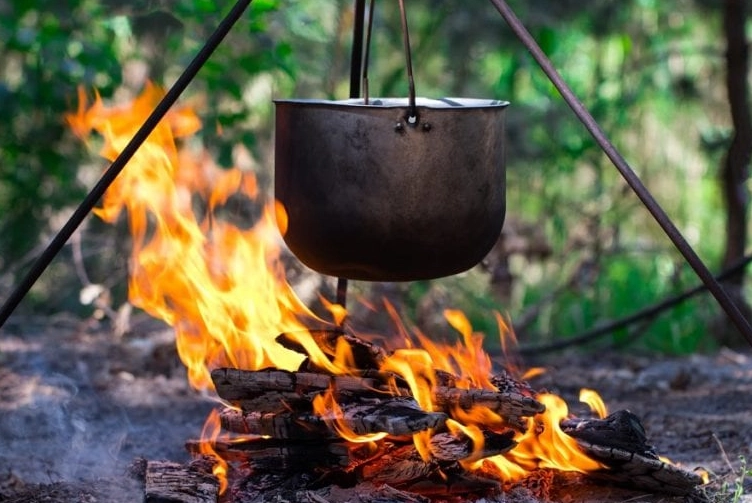
This isn't just about avoiding a ticket; it's about preventing wildfires and keeping you safe. Always have a water bucket and a shovel near the fire. Before you light a single match, clear a 10-foot diameter around the fire ring of all leaves, twigs, and flammable material.
Keep your fire small and manageable. A massive bonfire is dangerous, hard to cook over, and wastes wood. When you're done cooking and ready to put it out, drown the fire with water, stir the ashes with your shovel, drown it again, and feel for heat with the back of your hand. If it's warm, it's not out. The U.S. Forest Service has a great motto: Drown, Stir, Feel, Repeat.
Must-Have Campfire Cooking Gear (And What to Skip)
You don't need a kitchen's worth of equipment. A few key pieces will cover 95% of your meals.
| Gear | Why It's Essential | Pro Tip / Watch Out |
|---|---|---|
| Cast Iron Skillet | Distributes heat evenly, can go directly on coals, non-stick when seasoned. | Season it well before your trip. Never wash with soap; scrape and wipe clean while warm. |
| Dutch Oven | The ultimate campfire oven. Bakes, stews, roasts. Versatile powerhouse. | Use a lid lifter and heat-resistant gloves. Control temp by coals on top and bottom. |
| Long-Handled Tongs & Spatula | Keeps your hands away from intense heat. Crucial for safety and control. | Metal handles are best; plastic or rubber coatings can melt over direct fire. |
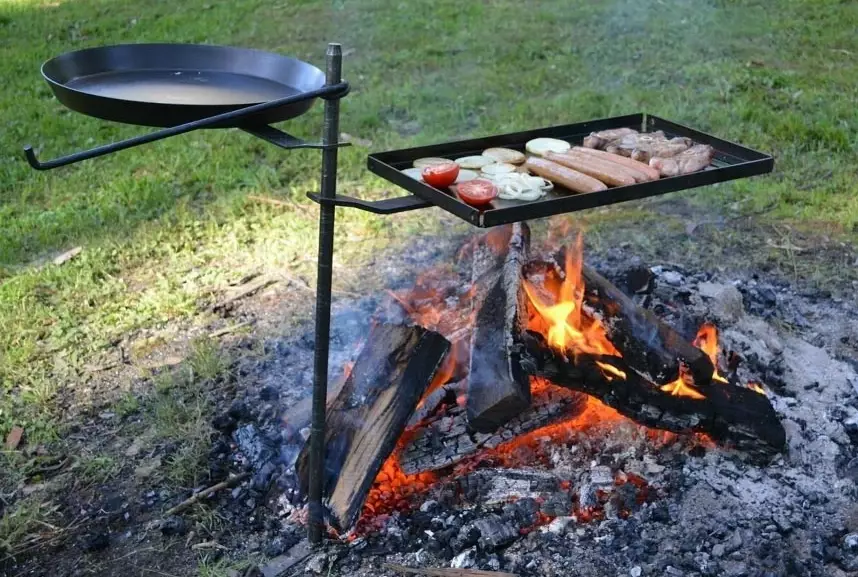
| Grill Grate | Many fire rings have one. If not, a portable grate turns coals into a grill. | Clean it with a wire brush before cooking, not after, to avoid ash contamination. |
| Heavy-Duty Aluminum Foil | For foil packet meals ("hobo dinners"), wrapping corn, or creating a makeshift lid. | Use two layers for sturdiness. Always place shiny side facing the food. |
What to skip? Those flimsy, cheap camp cooking sets with thin non-stick coating. They warp over direct heat and the coating flakes off into your food. Also, avoid bringing your nice kitchen knives; a good, sturdy camp knife is all you need.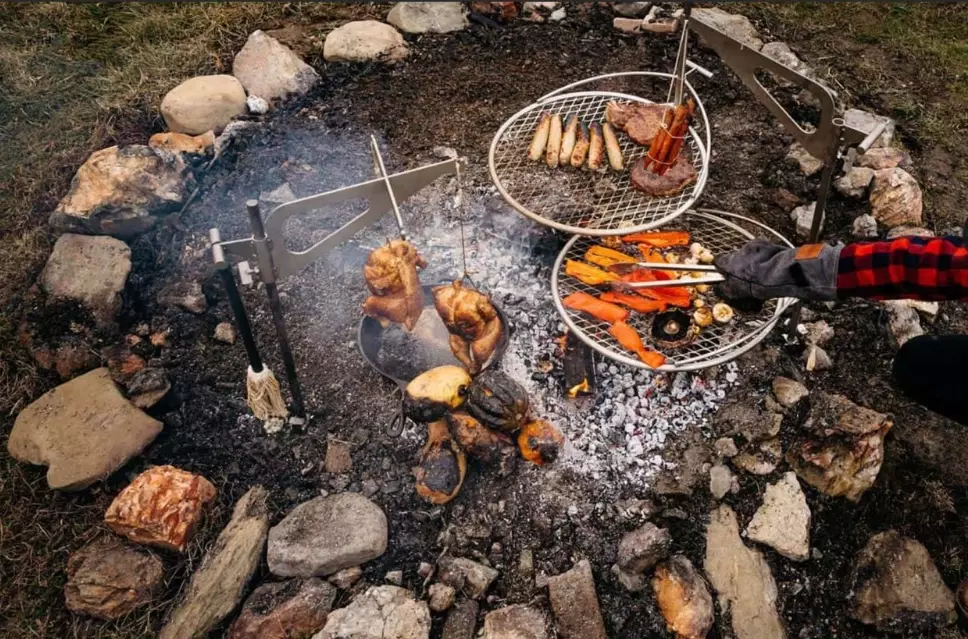
What Are the Best Foods to Cook Over a Campfire?
Think simple, hearty, and forgiving. Foods that can handle a little variable heat are your friends.
Foolproof Favorites
Foil Packet Wonders: This is where beginners should start. Chop potatoes, carrots, onions, and a protein like sausage or chicken. Add butter, oil, and seasoning. Seal into a double-layered foil packet. Place directly on hot coals for 20-30 minutes, flipping once. Dinner with almost no cleanup.
Skillet Classics: A cast iron skillet over coals is perfect for a big campfire breakfast (bacon, eggs, hash browns) or a one-pan dinner like fajitas. The key is to let the skillet heat up slowly. Don't just throw it on roaring flames.
Direct Grill: For things that cook fast: pre-cooked sausages, marinated chicken thighs, steak, vegetables like zucchini or bell peppers. Wait for the coals, not the flames.
Level Up: Dutch Oven Magic
This is my secret weapon. With a Dutch oven, you're not limited to "grilled" food. You can make chili, stew, baked pasta, and even fresh bread. Yes, bread. The first time I pulled a golden, crusty loaf out of a Dutch oven buried in coals, it felt like a miracle. The indirect, surrounding heat creates a perfect baking environment. A simple no-knead dough works brilliantly.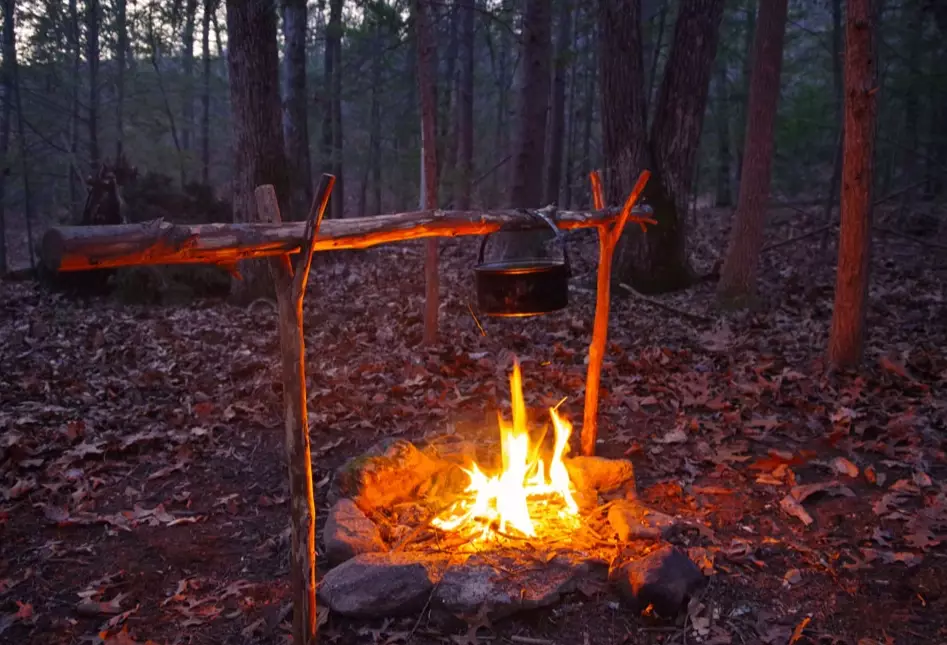
Advanced Campfire Cooking Techniques
Once you've mastered the basics, these tricks separate a good meal from a great one.
Heat Zone Management: Don't treat your coal bed as one uniform temperature. Rake most coals to one side for a high-heat searing zone. Leave a thinner layer on the other side for a low-and-slow cooking or warming zone. This lets you sear a steak and then move it to finish cooking gently, just like a professional grill.
The Coal Calculator: For Dutch oven baking, a rough guide is to use twice as many coals on the lid as underneath for baking (e.g., 16 on top, 8 underneath for a 350°F/175°C equivalent). For stewing, a 1:1 ratio works. Rotate the oven and lid every 10-15 minutes to prevent hot spots.
Wood Selection for Flavor: While hardwoods are best for heat, a few chips of fruitwood (apple, cherry) or mesquite added to the coals can subtly smoke whatever you're grilling. Don't overdo it; you're not cold-smoking a brisket for 12 hours.
How Do I Clean My Cookware After Campfire Cooking?
This is the unglamorous part, but doing it right saves your gear. For cast iron, never use soap. While the pan is still warm (use gloves!), scrape out food bits with a metal spatula or a dedicated camp scrubber. Wipe it out with a paper towel or rag. If needed, add a little coarse salt and a drop of water to scrub stubborn bits. Dry it thoroughly, then apply a very thin layer of oil before storing. For everything else, use hot water and a biodegradable soap like Dr. Bronner's, well away from any water source. Pack out all your food scraps and grease—don't bury it.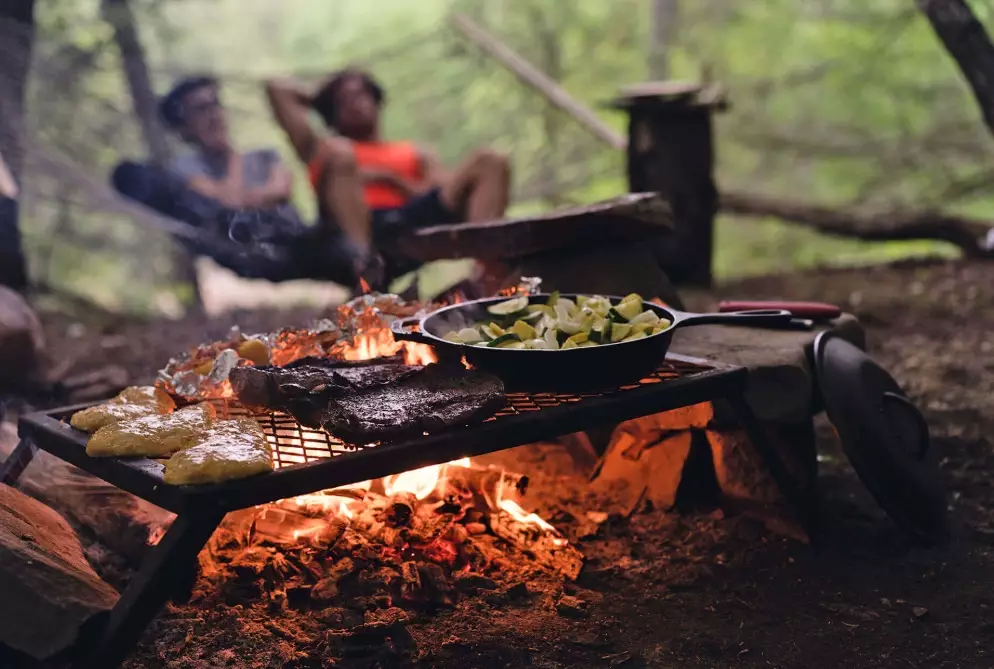
Your Campfire Cooking Questions Answered
 Is it safe to cook with aluminum foil directly in the fire?