You're staring at your gear, the weekend is clear, but your usual camping buddies are busy. A thought crosses your mind: could I just go by myself? The question "Is it okay to camp alone?" isn't just about permission; it's a mix of excitement and a knot of anxiety in your stomach. Let's cut to the chase: yes, it's absolutely okay, but whether it's right for you is a different story. It's not a simple yes or no. Solo camping is a powerful experience that sits at the intersection of profound freedom and real responsibility. This guide won't just list generic tips. We'll dig into the mental shifts, the overlooked safety gaps most beginners miss, and how to structure your first trip so you come back empowered, not terrified.
Your Solo Camping Roadmap
The Real Pros and Cons: Beyond the Brochure
Forget the poetic Instagram captions for a second. Let's lay out what solo camping actually feels like on the ground. It's not all serene sunsets.
| The Good Stuff (The Freedom) | The Challenges (The Reality) |
|---|---|
| Complete Schedule Control. Wake at dawn? Sleep till noon? Hike 10 miles or read a book all day? Your call, no debates. | All the Work is Yours. Every single task—setting up camp, filtering water, cooking, cleaning, problem-solving—falls on you. There's no splitting duties. |
| Deep Connection with Nature. Without conversation, your senses sharpen. You notice animal sounds, wind patterns, and the stars in a way that's impossible in a group. | Safety Risk Multiplier. A simple twisted ankle, a failed stove, or sudden weather becomes a major incident when you're the only one there to handle it. |
| Ultimate Mental Reset. The silence forces introspection. It's a hard reset for a noisy mind. Many find it more therapeutic than any group retreat. | Loneliness Can Creep In. Not everyone enjoys their own company for 48 straight hours. Evenings can feel long, and there's no one to share the "wow" moment with. |
| Boost in Self-Reliance & Confidence. Successfully managing everything alone provides a tangible confidence boost that translates to everyday life. | Higher Perceived Risk from Others. You might get odd looks or unsolicited advice from other campers. Family may worry excessively. |
See that balance? The pros are intensely personal and rewarding. The cons are logistical and psychological. Your job is to mitigate the cons so you can fully enjoy the pros.
The Safety Checklist You Actually Need
Safety is the gatekeeper. Most articles tell you to "tell someone your plans." That's kindergarten level. Here's the graduate-level safety protocol I've refined over a decade, born from a few close calls I'd rather you avoid.
Communication & Documentation: Your Lifeline
Give a trusted person a detailed itinerary document, not just a text. Include: exact trailhead name and location, planned route (with map screenshots), campsite location (GPS coordinates if possible), your vehicle description and plate number, and a hard deadline for when to call for help ("If you haven't heard from me by 3 PM Sunday, call park rangers at THIS number").
Update them if plans change, even slightly. I use a Garmin inReach Mini for satellite SOS and two-way texting outside cell service. It's not cheap, but for solo trips, it's the best money I've spent.
The Gear That's Not Optional
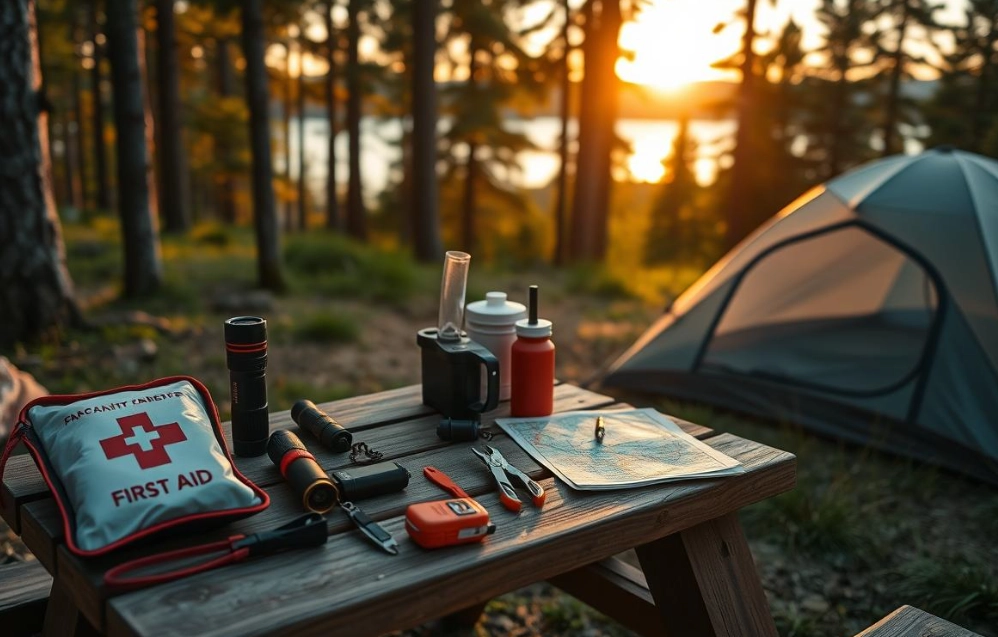
Beyond the Basics: You need your standard gear (tent, sleep system, etc.), but these items move from "nice-to-have" to "critical":
- Two Light Sources: A headlamp anda backup handheld flashlight or lantern. Darkness alone is disorienting.
- Comprehensive First-Aid Kit: Include a SAM splint, duct tape, and know how to use it. A wilderness first aid course is a superb investment.
- Water Redundancy: Two methods to purify water (filter and chemical tablets).
- Fire-Starting Kit: In a waterproof case: lighter, stormproof matches, ferro rod, and fatwood. Test it before you go.
- Physical Map & Compass: And the skill to use them. Electronics fail.
- Emergency Bivvy or Space Blanket: Weighs nothing, can save your life if you're stuck overnight without shelter.
A common mistake? Bringing all this gear but not knowing how to use half of it. Practice in your backyard. Start a fire with that ferro rod when you're calm and dry, not when you're cold and desperate.
Planning Your First Solo Trip: A Step-by-Step Walkthrough
Let's build your first trip. We'll assume you have some camping experience with others. If you're a total novice, camp with a group first.
Step 1: The Shakedown Night
Don't drive five hours for your first solo attempt. Go to a developed campground within an hour of home, one with cell service and a camp host. Book a single night. This is a low-stakes rehearsal. Test your gear, your setup routine, and your comfort level. If something feels wrong, you can pack up and be home in 60 minutes. This removes immense pressure.
Step 2: Location Scouting & Logistics
Choose a familiar area for your first real trip. You've hiked there before. Familiarity reduces unknown variables. Check official park or forest service websites for alerts (fires, closures, bear activity). Call the ranger station. They give the best on-the-ground info. "Is there active bear activity at the Lake Trail campsites?" is a perfect question.
Step 3: The Pre-Trip Mindset Drill
Run through "what-if" scenarios in your head. What if I spill my water? (I have a backup filter). What if my headlamp dies? (I have a flashlight in my pocket). What if I feel sudden, overwhelming fear? (I will get in my tent, read, and remind myself I am safe. I can leave at first light). This mental rehearsal builds resilience.
Where to Go (And Where to Avoid) Alone
Location choice is 80% of your safety strategy.
Great First-Time Solo Choices:
Established National Forest or State Park Campgrounds: Sites like those in the White Mountain National Forest (NH) or Pisgah National Forest (NC) often have other campers within earshot, potable water, and hosts. You're alone but not isolated. Check Recreation.gov for bookings and details.
Popular Backcountry Sites with Permits: Places like the Lakeshore Trail in Pictured Rocks National Lakeshore (MI) or certain loops in Great Smoky Mountains National Park see regular traffic. You'll likely have solitude at camp but pass other hikers during the day, which feels reassuring. Always get the required permit.
Places to Avoid Until You're Seasoned:
Remote, off-trail destinations with no cell service and no posted itinerary system. Deep wilderness areas with known large predator populations (grizzlies, moose) unless you are expertly trained in avoidance and carry proper deterrents (bear spray is a must in grizzly country). Any area with a technical component (scrambling, river crossings) that you haven't practiced with a partner.
The Mental Game: Handling Loneliness and Fear
The physical stuff is straightforward. The mind is the real wilderness. Around dusk on my first solo trip, a wave of irrational fear hit me. Every rustle was a bear. The solitude felt oppressive, not peaceful.
Here's what works:
Have a Task-Based Evening Routine. Don't just sit in the dark after dinner. Clean up meticulously, organize tomorrow's pack, write in a journal, read a gripping book with your headlamp. Keep your mind productively occupied until you're ready to sleep.
Embrace the Sounds. Identify them. That loud crack? Probably a falling branch, not a monster. That shuffling? More likely a raccoon or deer than anything else. Learning basic animal noises beforehand helps immensely.
Give Yourself an Out. Mentally permit yourself to leave. Knowing "I can pack up right now and drive to a motel" often makes staying easier. You're choosing to be there, not trapped.
The second night is almost always easier. You've already proven you can do one night.
Solo Camping Questions Answered
What's the biggest mistake first-time solo campers make with their gear?
Overpacking comfort items and under-packing safety redundancies. They'll bring three books but only one lighter. Or a huge chair but no backup water purification. Your pack should be heavy on safety and light on luxury for the first few trips. Master the basics before you bring the espresso maker.
I'm a woman interested in solo camping. Are there extra precautions I should take?
The core principles are the same, but situational awareness is heightened. I recommend choosing established, reputable campgrounds with good reviews from other solo female travelers (sites like TheDyrt.com have filters for this). Trust your intuition absolutely—if a person or a situation feels off at a trailhead, leave. Many women carry a personal safety alarm and prefer sites closer to a camp host. The outdoor community, by and large, is wonderful, but it's wise to plan for the minority.
How do I handle cooking and meals efficiently when alone?
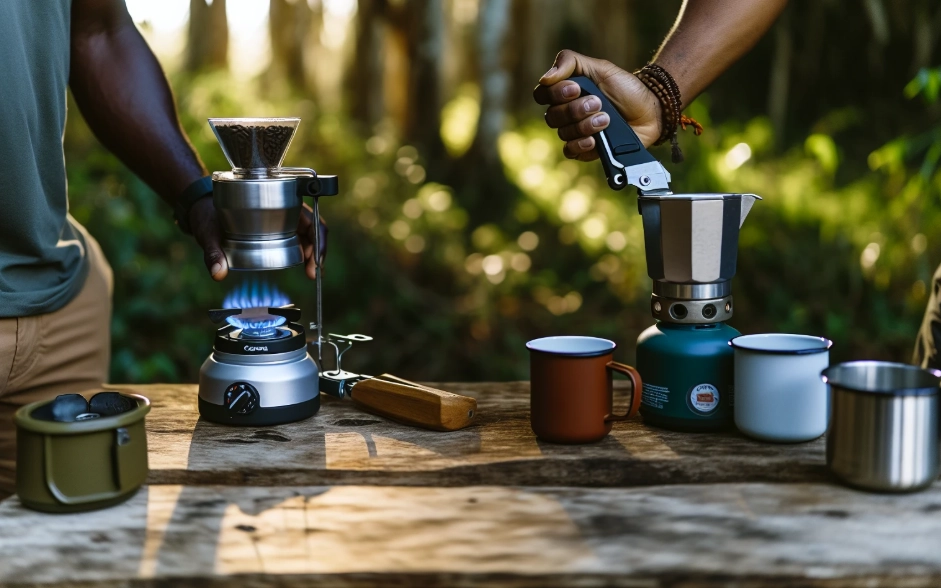
Simplify drastically. One-pot meals are king. Pre-cook and freeze a chili or stew, reheat it. Or use dehydrated backpacking meals—they're foolproof and require minimal cleanup. The goal is nutrition and ease, not a gourmet experience. Clean all dishes and store food/smellables immediately after eating, following local bear-proofing rules to the letter.
What should I do if I get injured and can't walk out?
This is why the communication plan is sacred. If you have a satellite messenger, trigger SOS. If not, and you're on a trail with occasional traffic, stay put, make yourself visible (use that bright space blanket), and blow your emergency whistle in sets of three (the universal distress signal). Conserve energy and water. This scenario is why telling someone your exact route and check-in time is non-negotiable—it triggers a search when you don't report in.
So, is it okay to camp alone? It's more than okay—it can be transformative. But it's a privilege earned through careful preparation, honest self-assessment, and a respect for the risks. Start small, build your systems, and listen to your gut. The confidence and peace you find out there, under your own power, is something no group trip can ever replicate.