Quick Guide
Let's cut straight to the chase. You've probably seen the photos – someone crafting a spoon from a piece of wood next to a minimalist tarp shelter, a fire boiling a kettle without a gas canister in sight. That's the image, but it barely scratches the surface. So, what is bushcraft camping, really? At its heart, it's not about suffering or showing off. It's the practice of thriving in the natural world by using skills and knowledge to meet your needs, moving from being a visitor in nature to being a competent participant. It's camping where your backpack is lighter on gear but heavier on know-how.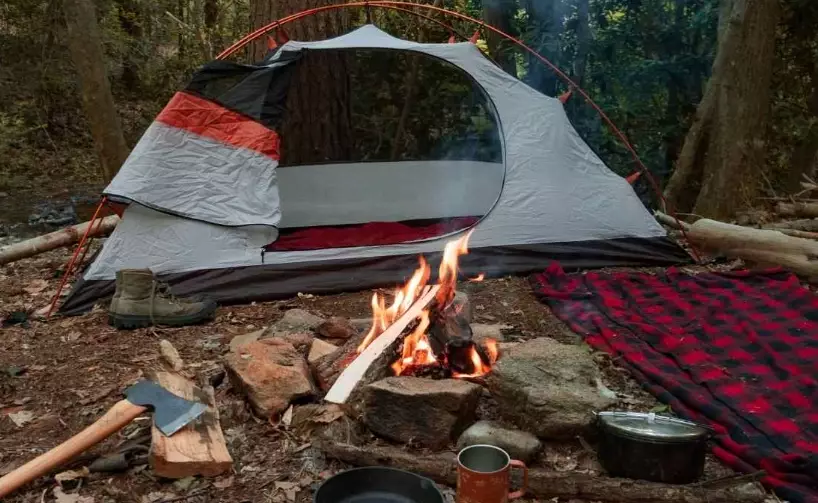
I remember my first real attempt. I had all the fancy, lightweight backpacking equipment but decided to leave the stove behind. "I'll just make a fire," I thought. Three hours, blistered hands, and a lot of frustration later, I had a sad pile of smoke. That experience was a brutal but perfect introduction. Bushcraft camping flipped my entire approach to the outdoors upside down. It's less about what you bring and more about what you can do.
The Core Philosophy: Self-Reliance Meets Respect
Understanding what is bushcraft camping means first understanding its soul. It's built on two pillars that seem to oppose but actually balance each other perfectly: self-reliance and environmental stewardship.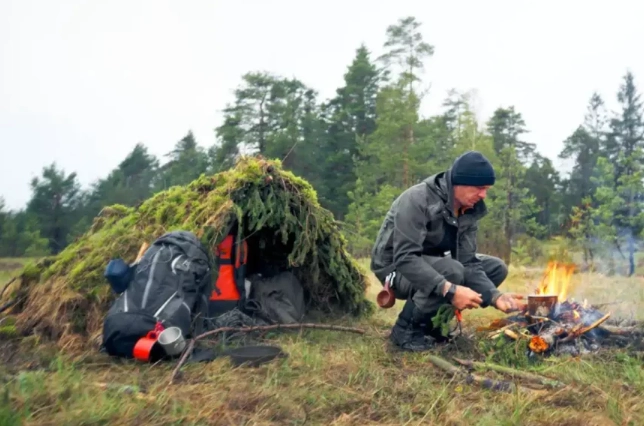
The self-reliance part is obvious. It's the drive to know that you can handle yourself. If your lighter fails, can you make a fire with a ferro rod? If it rains for two days, can you keep your tarp secure and dry? This confidence is addictive. It transforms anxiety about being in the woods into a calm, focused presence. You're not just waiting out the trip; you're actively engaging with your environment to create comfort and safety.
But here's the critical counterweight.
The respect pillar is non-negotiable. True bushcraft isn't about conquering nature; it's about cooperating with it. This means following principles like Leave No Trace, but often taking them a step further. It's about judicious harvesting. You might cut a few dead branches for a shelter frame (where permitted), but you'd never strip a live tree. You might harvest a handful of pine needles for tea, but never denude a bush. The goal is to have such a minimal impact that after you leave, the forest barely remembers you were there. This ethical code is what separates bushcraft from mere survivalism or, worse, vandalism. Organizations like the U.S. Forest Service provide essential guidelines on responsible gathering and campfire safety that every bushcrafter should know.
Bushcraft Camping vs. Traditional Backpacking: A Side-by-Side Look
It's easier to see the differences when they're laid out. This isn't to say one is better—they're just different tools for different experiences.
| Aspect | Traditional Backpacking | Bushcraft Camping |
|---|---|---|
| Primary Goal | Covering distance, enjoying vistas, lightweight travel. | Deep immersion, skill practice, creating a camp. |
| Shelter | Lightweight tent or hammock (carried in). | Tarp, natural shelter, or lean-to (often built/modified on-site). |
| Fire | Portable stove for speed and convenience. | Open fire (where legal/safe) for cooking, warmth, and morale. |
| Water | Filter/purification tablets carried in. | Boiling over fire, possibly using a handmade container. |
| Mindset | Efficiency, minimizing weight and time. | Process, engagement, and utilizing natural resources. |
| Gear Weight | Ultra-light is king. | Weight shifts from consumables/tech to robust, multi-use tools. |
See the shift? Backpacking optimizes for movement. Bushcraft camping optimizes for connection and capability in one location. You might hike a shorter distance, but you'll do a lot more with the place you choose to stay.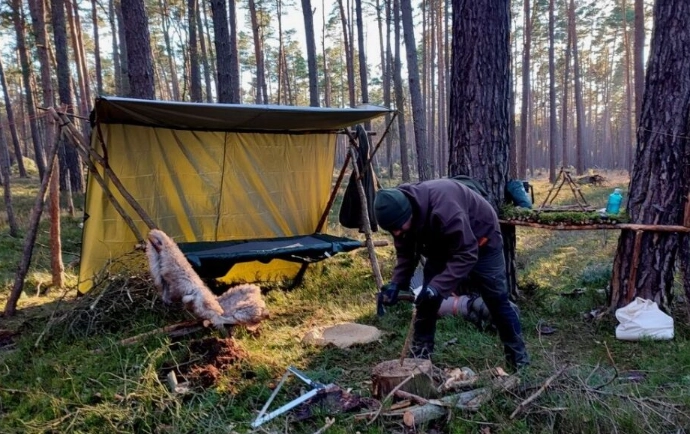
The Essential Skills: Your Real Toolkit
If you're asking "what is bushcraft camping?" you're really asking about the skills. This is the practical heart of it. You don't need to be an expert in all of them to start, but knowing a few fundamentals opens up the whole world. Let's break down the big five.
1. Firecraft: The Cornerstone Skill
Fire is everything. Warmth, light, safety, cooking, purifying water, and a huge psychological boost. Modern lighters are fine, but the skill is in preparing your fuel and understanding fire structure.
- Tinder: You need super-fine, bone-dry material that catches a spark. Think birch bark, cedar shavings, dry grass, or even a cotton ball rubbed with vaseline (a cheat I still use in damp conditions).
- Kindling: Small twigs, from matchstick to pencil thickness. This stage is where most beginners fail—they smother the tiny tinder flame by adding wood that's too big, too fast.
- Fuel: Larger pieces of dead, standing wood. Hardwoods like oak burn long and hot; softwoods like pine ignite easily but burn fast.
Practice with a ferrocerium rod. It's more reliable than flint and steel and works when wet. The motion isn't striking; it's shaving a piece of the rod off with pressure, creating super-hot sparks. It's oddly satisfying once you get it.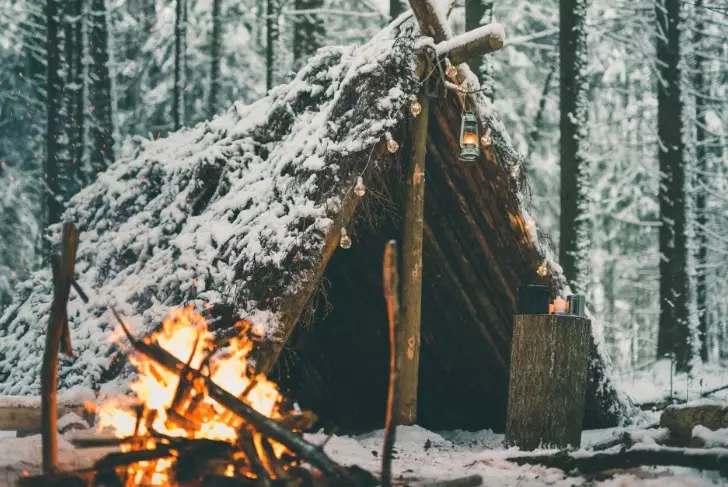
2. Shelter Building: Your Home for the Night
Your shelter is your primary defense against the elements. A good tarp is the bushcrafter's best friend—infinitely versatile. Learn a few key configurations: the simple A-frame, the lean-to for wind protection, the flying V for rain runoff.
But the real bushcraft test is using natural materials. A debris hut—a framework of branches piled high with leaves, ferns, and moss—can be incredibly warm. The principle is insulation. A thick enough layer of dead, dry leaves traps your body heat. It's a ton of work, which is why most people use a tarp as a roof and improve it with natural walls. The point is knowing you could build one if you had to.
3. Finding and Purifying Water
You can't bushcraft if you're dehydrated. Knowing how to find water is step one. Listen for streams, look for animal trails converging, check low valleys. Clear, flowing water is your best bet.
Purification is non-negotiable. Giardia is not a fun souvenir. Boiling is the bushcraft gold standard—a rolling boil for 1-3 minutes (longer at altitude). If you're practicing pure bushcraft, you might boil water in a metal bottle or even a container you've made from birch bark (carefully, without letting it burn!). In reality, carrying a small metal pot and a backup filter like a Sawyer Squeeze is just smart. Skills are for knowledge and backup; modern tech is for guaranteed safety.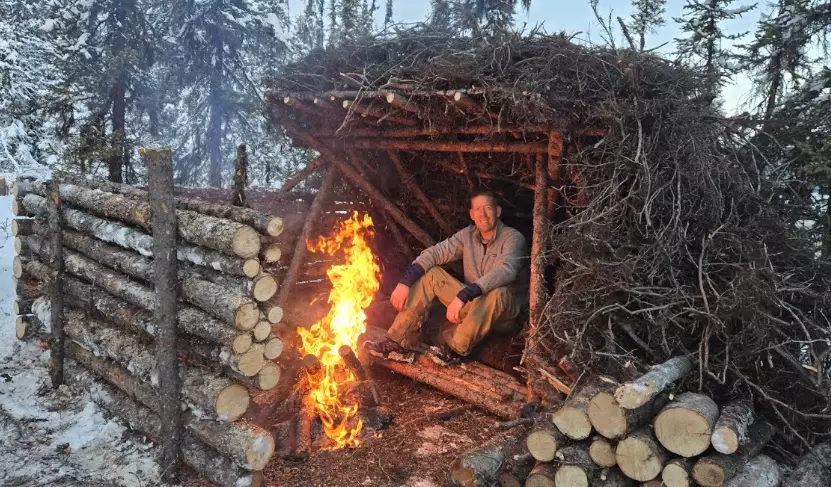
4. Knots and Lashings: The Invisible Architecture
Rope work holds your world together. Your shelter, your gear hangs, even simple tools. You don't need to know fifty knots. Master these five, and you're set for 95% of situations:
- Bowline: Creates a fixed loop that won't slip. Perfect for securing a tarp line to a tree.
- Taut-Line Hitch: An adjustable knot for guylines. You can tighten or loosen it without untying. Essential for getting your tarp drum-tight.
- Clove Hitch: Quick to tie and untie, great for starting and ending lashings or temporarily securing something to a post.
- Square Lashing: The fundamental lashing for joining two poles at a right angle (like for a bench or table frame).
- Tripod Lashing: For lashing three poles together at one end to make a tripod (for a pot hanger over a fire).
I spent an entire rainy afternoon in my backyard practicing the taut-line hitch. It felt silly until the next trip, when a gust of wind loosened my tarp and I had it re-tensioned in 30 seconds without getting out of my sleeping bag. That's the payoff.
5. Safe Tool Use and Wood Processing
This is where a lot of people get nervous—and they should. A sharp knife and axe are force multipliers, but they demand respect. The core rule: always cut away from your body, and ensure your "line of fire" is clear.
- The Knife: A fixed-blade, full-tang knife (like a Morakniv Companion) is the bushcraft workhorse. It's for feathering sticks for tinder, carving tent pegs, notching wood. Batoning—driving the knife through wood with a baton—is a safe way to split small logs for kindling.
- The Saw: A folding saw (like a Bahco Laplander) is safer and more efficient than an axe for gathering most fuel wood. It's quieter, uses less energy, and leaves a clean cut.
- The Axe/Hatchet: For splitting larger rounds of wood. It requires space, a solid chopping block, and full attention. Personally, I often leave the axe at home unless I know I'll be at a basecamp for multiple days. The saw and knife combo handles most tasks with less risk.
The Gear Shift: What to Actually Put in Your Pack
Your gear list for bushcraft camping looks different. It's less about ultra-light fabrics and more about durable, multi-purpose items that work with your skills.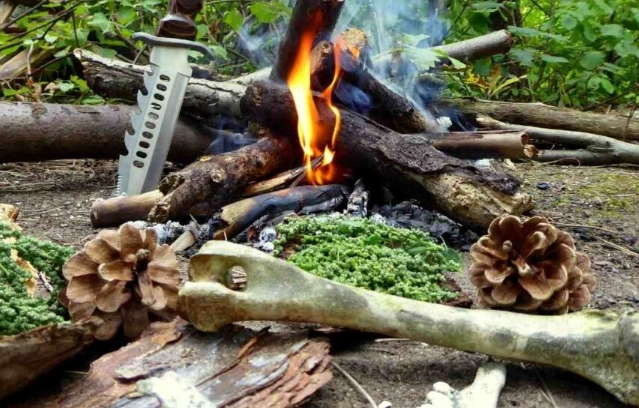
The Bushcamper's Core Kit
- Cutting Tools: A robust fixed-blade knife and a folding saw. These are your primary tools for processing natural materials.
- Fire Starters: A ferrocerium rod (and striker) as your primary, with a lighter as a quick backup. Some char cloth or tinder tabs in a waterproof container.
- Shelter System: A durable tarp (e.g., 8x10 ft) and a large roll of paracord or bank line. A groundsheet (tyvek works great) and a sleeping pad/mat for insulation from the ground.
- Container: A single-walled metal water bottle (like a Klean Kanteen) or a small pot. It holds water and can be boiled directly in the fire.
- Cordage: At least 50 feet of paracord. It's your rigging, your clothesline, your repair kit.
- Navigation & Safety: A physical map and compass (and knowing how to use them), a first-aid kit, a headlamp.
- The "10th Essential": Your brain. The most important piece of gear. A plan, knowledge of the area, and the humility to turn back if things feel wrong.
Notice what's missing? A heavy tent, a complex stove system, a chair. Your comfort comes from your ability to create a good camp, not from unpacking it. Your pack might weigh a similar amount to a backpacker's, but the weight is distributed differently—more in tools, less in pre-fabricated shelter and kitchen systems.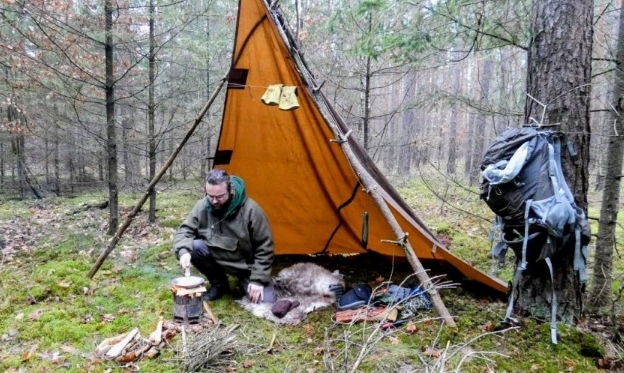
Getting Started: Your First Bushcraft Campout
Feeling overwhelmed? Don't be. You don't need to build a log cabin on your first trip. The best way to understand what is bushcraft camping is to dip your toes in. Here's a sensible progression.
Phase 1: The Backyard or Car-Camp Hybrid. This is your safe lab. Set up your tarp in the backyard. Practice lighting a fire in a fire pit (if you have one). Try cooking a simple meal over it—boil water for coffee, cook a sausage on a stick. Fail here, where your house is ten steps away. It takes the pressure off.
Phase 2: The One-Nighter on Familiar Ground. Go to a campground you know, but leave the tent in the car. Set up your tarp shelter. Use your knife to whittle some roasting sticks. Use your ferro rod to light your campfire (check campground rules first!). You have the safety net of your car and possibly other campers, but you're practicing the core skills in a real environment.
Phase 3: The Dedicated Bushcraft Trip. Now you head to a more remote, dispersed camping area (where it's legally allowed, like many National Forest lands). You hike in with your bushcraft-specific kit. You choose your site based on resources (water, dead wood, flat ground) and wind protection. You build your camp from the ground up. This is the full experience.
The goal isn't purity. It's competence.
If it rains sideways and your tarp setup is leaking, it's okay to admit defeat and pitch your tent. That's not failing; that's learning. You'll figure out how to pitch the tarp better next time. The Boy Scouts of America have been teaching this progressive, skill-based outdoor education for over a century, and their handbooks are still a fantastic resource for clear, step-by-step instructions on these fundamental skills.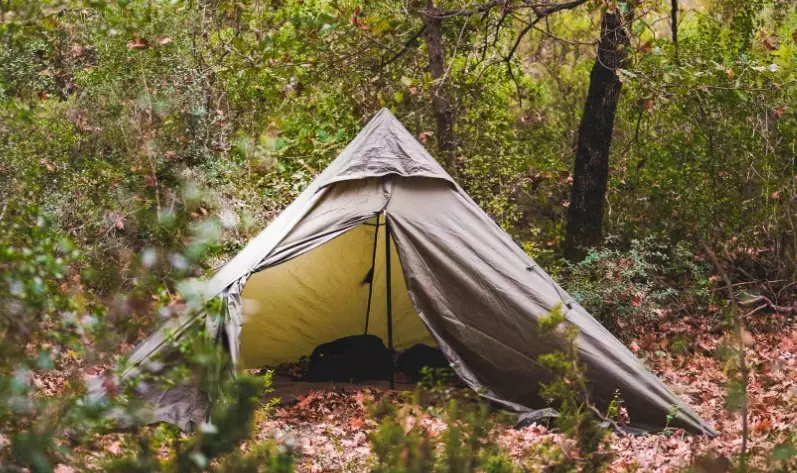
Common Questions (And Straight Answers)
Let's tackle some of the things people really wonder when they first hear about this.
Is bushcraft camping legal?
This is the #1 question, and it's vital. It depends entirely on location. In most state and national parks, you cannot cut any vegetation, dead or alive. Your bushcraft is limited to skills like fire-making in designated pits and knot-tying. True bushcraft, involving minimal harvesting of deadwood, is usually only legal on lands that allow "dispersed camping," like many National Forests and Bureau of Land Management (BLM) areas. Always check the specific regulations for your destination. Never assume.
Do I need a ton of experience to start?
Absolutely not. In fact, starting with zero experience is the best way. You have no bad habits. Start with one skill—maybe fire lighting with a ferro rod. Master that in your backyard. Then add shelter. Trying to learn everything at once on a remote trip is a recipe for a miserable time. Build your skills brick by brick.
What's the difference between bushcraft and survivalism?
This is a key distinction. Survivalism is about enduring an unplanned, emergency situation. It's reactive, often stressful, and the goal is simply to stay alive until rescue. Bushcraft camping is a planned, recreational activity. It's proactive. The goal is not just to survive, but to create comfort and thrive using practiced skills. It's the difference between cramming for a test and leisurely studying a subject you love.
Isn't it dangerous?
Any outdoor activity has risks. But bushcraft, practiced responsibly, can actually be safer than going into the woods with only high-tech gear. Why? Because when your water filter breaks, a bushcrafter knows how to boil water. If your tent pole snaps, a bushcrafter can rig a shelter. Your knowledge becomes your primary safety system. The danger comes from arrogance—from using tools without practice or venturing beyond your skill level. Start small, think ahead, and always tell someone your plans.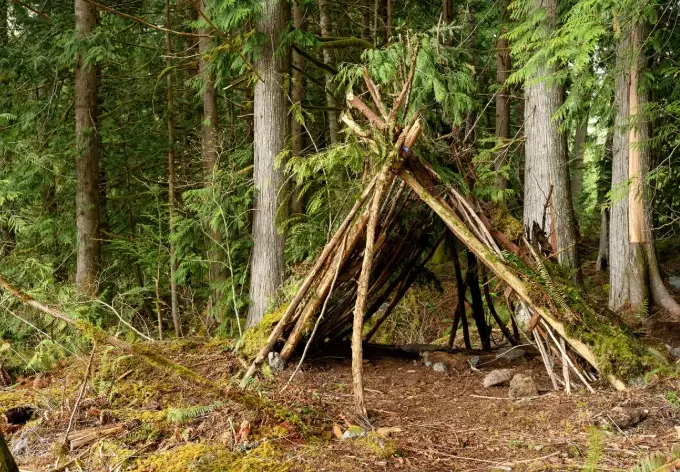
The Less-Glamorous Truths (A Reality Check)
Social media makes it look like a serene, always-successful journey. It's not. Let's be honest.
It can be incredibly frustrating. You'll spend an hour trying to get a fire going in damp conditions. Your perfectly planned shelter might sag in the night if you didn't tie the tension right. You'll get dirtier than you do in a tent. Bugs can be more of an issue if you're not sealed in nylon.
And sometimes, it's just plain uncomfortable. A sleeping pad under a tarp doesn't have the same insulated, cocooned feel as a modern tent. A cold night can feel colder.
But here's the secret: those challenges are the point. Overcoming them, even partially, is where the deep satisfaction comes from. The cup of tea you drink after boiling the water yourself over a fire you struggled to light tastes better than any other tea. I promise.
Final Thoughts: Why Bother?
So, after all this, what is bushcraft camping? It's a return to a more fundamental way of interacting with the world. In an age where we're often passive consumers of experiences, bushcraft makes you an active creator. It quiets the noise of modern life and replaces it with the simple, demanding tasks of making camp. The focus required to carve a notch or build a fire is a form of meditation.
It builds a quiet confidence that leaks into everyday life. If you can handle a storm under a tarp you pitched, a difficult work meeting feels a bit less intimidating. It's not about being a mountain man or rejecting technology. It's about adding a layer of capability and connection that most of us have let atrophy.
Start small. Buy a decent knife and a ferro rod. Go sit in your local woods for an afternoon and try to make a small, safe fire. You might just discover that answering the question "what is bushcraft camping?" is best done not by reading, but by doing. The woods are waiting, and they have a lot to teach you.