Your Camping Clothing Quick Guide
Let's be honest. I've been on camping trips where I packed all wrong. I remember one spring weekend in the mountains where I brought a bunch of cotton t-shirts and a single, bulky sweater. The first day was sunny and warm, and I was fine. That night, the temperature plummeted, a damp fog rolled in, and I spent the evening shivering in my damp cotton layers, feeling miserable and vowing to never make that mistake again. Getting your camping clothing right isn't about looking good for Instagram (though that's a bonus). It's about safety, comfort, and actually enjoying the outdoors you came to see.
That's why I'm putting together everything I've learned—often the hard way—about camping clothing tips. This isn't a list of rules, but a system for thinking about what to wear. Whether you're car camping with the family, backpacking into the deep woods, or just doing an overnight hike, the principles are the same. We'll break it down so you can make smart choices without overthinking it.
The core idea? It's all about managing moisture and temperature. Your body is a furnace, and your clothes are the insulation and ventilation system.
The Golden Rule: The Layering System Explained
Forget packing one giant coat. The secret to adaptable comfort is layering. This system gives you total control over your body's microclimate. You can add or remove pieces as you hike (generating heat) or sit around camp (cooling down), as the sun goes behind a cloud, or as the wind picks up.
Think of it like a customizable sandwich for your body.
Base Layer (The Skin Layer)
This is your second skin. Its job is moisture management. It sits right against your skin and needs to wick sweat away to keep you dry. If you remember one thing from all camping clothing tips, it's this: Avoid cotton at all costs. Cotton absorbs moisture like a sponge and holds it next to your skin, which makes you feel clammy and sucks heat away from your body—a recipe for discomfort or even hypothermia in cooler weather.
Mid Layer (The Insulation Layer)
This layer's job is to trap warmth. It's your primary insulation. The best mid-layers are fluffy or fleecy to create pockets of warm air.
My personal favorite is a simple fleece jacket. It's lightweight, breathes well, and provides good warmth even when damp. For colder trips, a puffy insulated jacket filled with down or synthetic insulation is a game-changer. Down is incredibly warm for its weight but loses its insulating power when wet. Synthetic insulation, like PrimaLoft, is slightly bulkier but will keep you warm even if it gets damp.
Outer Layer (The Shell Layer)
This is your shield. Its job is to protect you from wind, rain, and snow. A good outer layer is waterproof, windproof, and breathable (or has pit zips for ventilation).
There's a big difference between a water-resistant jacket (good for a light drizzle) and a fully waterproof one (necessary for sustained rain). For most three-season camping, a lightweight, packable waterproof shell is perfect. I made the mistake of buying a cheap, non-breathable rain jacket once. Sure, the rain didn't get in, but I was just as wet from my own sweat. It was a miserable hike.
Layering is the foundation of all smart camping clothing tips. Master this, and you're 80% of the way there.
Fabric 101: Your Material Choices Matter
Let's get into the nitty-gritty. Why are some fabrics godsends for camping and others total nightmares? Here’s a quick breakdown.
| Fabric | Best For | Pros | Cons | Verdict |
|---|---|---|---|---|
| Merino Wool | Base layers, socks, beanies | Excellent temperature regulation, wicks moisture, naturally odor-resistant, warm when wet. | Can be expensive, less durable than synthetics, requires careful washing. | Top-tier choice for comfort on multi-day trips. |
| Polyester / Nylon (Synthetic) | Base layers, mid-layers, outer shells, hiking pants | Durable, quick-drying, affordable, widely available. | Can retain body odors more quickly than wool. | The reliable workhorse for most situations. |
| Fleece (Polyester) | Mid-layer insulation | Lightweight, breathable, provides warmth even when damp, inexpensive. | Not windproof, can be bulky. | Essential mid-layer for almost every trip. |
| Down (Natural) | Mid-layer insulation (puffy jackets) | Unbeatable warmth-to-weight ratio, highly packable. | Loses all insulation when wet, expensive, requires ethical sourcing. | Perfect for cold, dry conditions. Keep it dry! |
| Gore-Tex / eVent (Waterproof Membranes) | Outer shell jackets & pants | Highly waterproof, windproof, and breathable. | Premium price, can feel less breathable during high exertion. | The gold standard for serious weather protection. |
| Cotton | Around the campfire AFTER you're done hiking for the day. | Comfortable, breathable in hot/dry weather. | Dangerous when wet (holds moisture, causes heat loss), slow to dry. | Avoid for active wear. The infamous "cotton kills" saying exists for a reason. Save it for camp. |
What to Wear: Season-by-Season and Activity Breakdown
Your packing list changes with the weather and what you're doing. A summer car camping trip versus a fall backpacking trip require different strategies.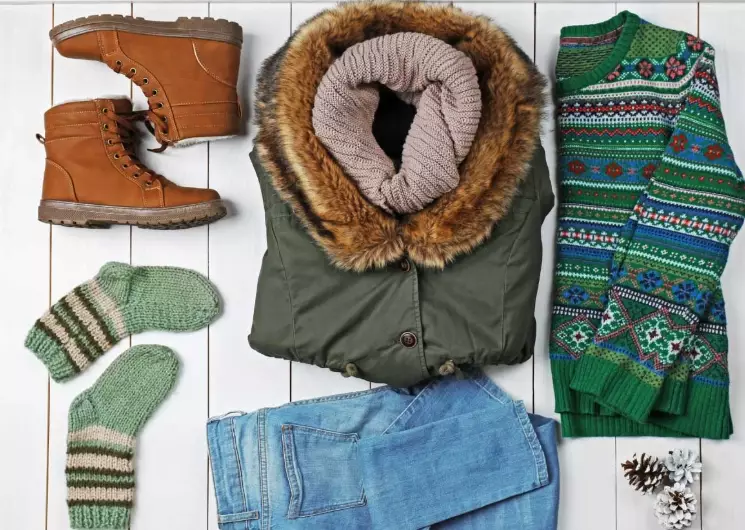
Spring & Fall Camping (The Unpredictable Seasons)
This is where layering shines. Temperatures can swing wildly from morning to night. Be prepared for everything.
On your body: A synthetic or merino base layer top and bottom are crucial. Over that, a fleece or lightweight puffy. Always, always have your waterproof/windproof shell accessible in your pack. Convertible hiking pants are fantastic—zip off the legs if you get too warm. A warm beanie and gloves are lightweight saviors for chilly mornings.
In your pack: An extra warm layer (like that puffy jacket), a spare base layer top in case you sweat through the first one, and rain pants. Don't forget a neck gaiter or buff—it's surprisingly versatile for face warmth or as a light hat.
Summer Camping
The challenge here is beating the heat, sun, and bugs.
On your body: Light-colored, loose-fitting, synthetic shirts and pants. Yes, pants! Long, lightweight hiking pants protect your legs from sunburn, scratches, and insect bites far better than shorts. I switched to pants years ago and never looked back. A wide-brimmed sun hat and UV-protection sunglasses are non-negotiable.
In your pack: Your trusty rain shell (summer storms pop up fast), a lightweight long-sleeve shirt for sun protection, and a light fleece or sweater for potentially cool nights, even in summer. A quick-drying towel is also a great addition.
Winter Camping
This is serious business, and your camping clothing tips need to be dialed in. The focus is on heavy insulation and moisture management from both sweat and external snow.
On your body: A warm merino or heavyweight synthetic base layer. A thick fleece or insulated synthetic jacket as a mid-layer. A heavyweight, insulated puffy jacket. A waterproof and breathable hardshell jacket and pants. Insulated, waterproof boots. Heavyweight gloves or mittens, a balaclava, and warm socks (consider a thin liner sock under a thick wool sock).
Key Tip: Ventilate aggressively when active to avoid sweating into your layers. The moment you stop moving, add insulation immediately. For authoritative guidance on preparing for cold weather, the US Forest Service provides excellent cold-weather camping safety advice that emphasizes proper clothing systems.
Footwear & Extremities: Don't Neglect These!
Cold hands and wet feet can ruin a trip faster than anything.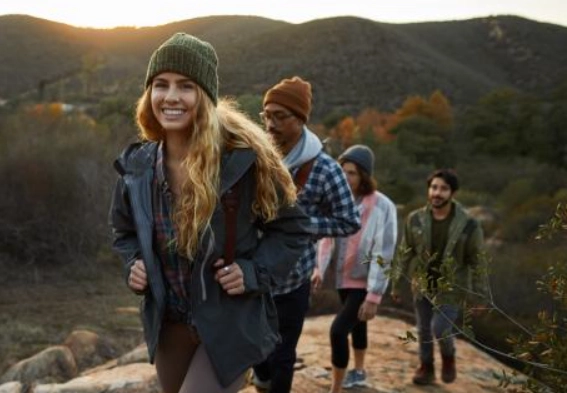
Socks: Again, no cotton. Merino wool or synthetic blends are the way. Bring multiple pairs. A fresh pair of socks at the end of the day is a simple, profound luxury.
Boots/Shoes: Your footwear should be broken in before the trip. Waterproof hiking boots are great for wet conditions and heavier loads. Trail runners are lighter and dry faster, preferred by many for summer backpacking. It's a personal choice, but make sure they fit well with your hiking socks on.
Head, Hands, Neck: A huge amount of body heat is lost through your head. A simple beanie is a must for cool weather. Gloves or mittens (mittens are warmer) are essential. A buff or neck gaiter is my most-used accessory—it can be a hat, neck warmer, face mask, or sweatband.
The Practical Packing List: What Actually Goes in Your Bag
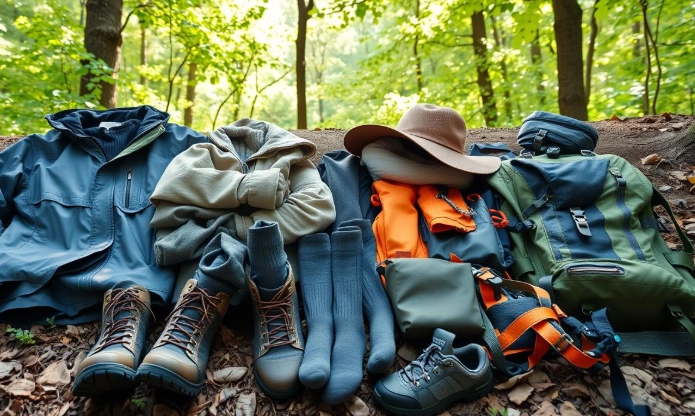
Let's make this concrete. Here’s a core packing list for a typical 3-season (spring, summer, fall) weekend camping trip with some hiking involved. Adjust quantities for longer trips.
Wearing on the Trail:- Synthetic or Merino Wool Base Layer Top
- Hiking Pants or Leggings (not cotton!)
- Hiking Socks (Wool/Synthetic blend)
- Broken-in Hiking Boots or Shoes
- Sports Bra (for women) / Appropriate Underwear (synthetic)
- Sun Hat or Baseball Cap
- Insulation Layer: Fleece Jacket or Pullover
- Shell Layer: Packable Waterproof/Windproof Jacket
- Extra Base Layer: 1x spare synthetic/wool top
- Extra Socks: 2-3 pairs (wool/synthetic)
- Extra Underwear: 1-2 pairs (synthetic)
- Sleep Clothes: Dedicated clean, dry base layer set (this is sacred—never hike in it!)
- For Camp: Lightweight, comfortable pants and top (this is where your cotton shirt can finally come out!)
- Head/Hands: Beanie, Lightweight Gloves, Buff/Neck Gaiter
- Rain Protection: Waterproof Pack Cover or Liner (optional but recommended)
Answering Your Top Camping Clothing Questions
I get a lot of questions from friends who are new to this. Here are the most common ones.
Why is cotton so bad for camping?
It's all about water. Cotton fibers absorb and hold water, losing all insulating power and conducting heat away from your body. When you're active and sweaty or caught in the rain, cotton becomes a cold, wet blanket against your skin. In warm weather, it's just uncomfortable. In cool or cold weather, it can actively contribute to hypothermia. Save it for the ride home.
How many clothing items do I really need to pack?
Less than you think. The goal is not a fresh outfit for every day like a hotel stay. You need enough to stay dry, warm, and have a clean, dry set for sleeping. For a weekend, that's often: 2 tops, 1-2 bottoms, 3 pairs of socks, 3 pairs of underwear, plus your insulation and shell layers. Laundry is done by wearing items in streams (with eco-friendly soap, far from water sources) or simply airing them out.
Are jeans okay for camping?
This is a hard no from me. Jeans are heavy cotton. When they get wet (from rain, sweat, crossing a stream), they become incredibly heavy, stiff, and cold. They take forever to dry. They chafe terribly when hiking. They offer zero insulation when damp. There are so many better options—quick-dry hiking pants or even synthetic leggings are infinitely superior. It's one of the most common beginner mistakes.
How do I deal with smelly clothes on a long trip?
Embrace the funk, to a point. Merino wool is magic because it resists odors. For synthetics, air them out thoroughly at camp. Some people use a small amount of alcohol-based hand sanitizer on key areas to kill odor-causing bacteria. On long trips, a quick rinse and dry in the sun can help. Ultimately, everyone smells a bit on the trail—it's part of the experience. For more detailed care tips, resources like REI's guide to caring for technical fabrics are super helpful for making your gear last.
What's the one piece of clothing I shouldn't skimp on?
Your rain shell. A cheap, non-breathable plastic poncho will leave you wet from condensation. A good quality, breathable waterproof jacket is an investment that will last for years and truly keep you dry and comfortable in a downpour. It’s worth saving up for.
Putting It All Together
See? Camping clothing tips don't have to be complicated. It boils down to a simple mindset: manage moisture, trap warmth, and block the elements. Start with a non-cotton base, add a warm mid-layer, and top it with a protective shell. Choose your fabrics wisely, pack for the season, and always have a dry, cozy set of clothes waiting for you in your tent.
The best way to learn is to go out there. Pay attention to how you feel. Were you too hot on that climb? Maybe shed your mid-layer earlier next time. Did your feet get cold at night? Maybe you need a thicker sock system. It's a personal experiment.
Now you're equipped with more than just a list of items. You have a system. So pack your bag, leave the cotton jeans at home, and go enjoy a comfortable night under the stars. You've got this.