Your Essential Guide
- Why the Right Camper Van Site Makes All the Difference
- How to Actually Find Camper Van Camping Sites (The Real-World Methods)
- Breaking Down the Types of Camper Van Camping Sites
- The Booking Dance: How to Snag Amazing Camper Van Sites
- What to Look For When You Arrive at a Camper Van Camping Site
- Essential Amenities & Hookups: A Van Lifers' Decoder Ring
- Beyond the Hookups: The Real-World Checklist for a Great Stay
- Top Picks: Categories of Amazing Camper Van Camping Sites
- Common Questions About Camper Van Camping Sites (FAQ)
- Final Thoughts: It's a Learning Curve
Let's be honest. The dream of camper van life isn't just about the van. It's about where you park it for the night. That moment you crack open the door to a stunning view, with no hotel room in sight—that's the magic. But finding those perfect camper van camping sites can feel like a secret club you don't have the password to.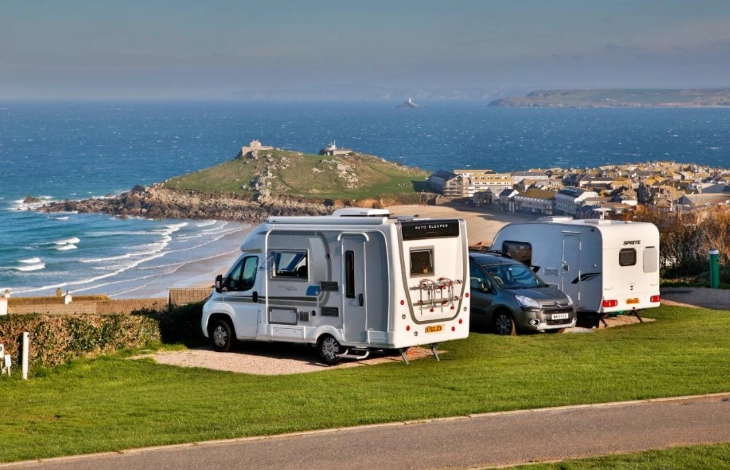
I remember my first few trips. I'd end up in a massive RV park feeling totally out of place, my modest van dwarfed by giant motorhomes, or worse, pulling into a "no overnight parking" area at 10 PM. It was stressful.
It doesn't have to be that way. Whether you're planning your first weekend getaway or you're a seasoned road warrior looking for new spots, this guide is your roadmap. We're going to ditch the confusion and talk about how to actually find, choose, and enjoy the best camper van campgrounds out there.
Why the Right Camper Van Site Makes All the Difference
You might think a spot is a spot. But trust me, it's not. Picking the wrong type of camper van camping site can turn a relaxing trip into a headache.
Park in a tight, crowded RV park when you wanted solitude, and you'll feel claustrophobic. Try to boondock in a spot with no cell service when you're not prepared, and anxiety kicks in. The right site matches your van's capabilities, your comfort needs, and the experience you're after.
Are you looking to plug in and have a long, hot shower? Or are you trying to wake up to absolute silence in a national forest? The answer changes everything about where you should look.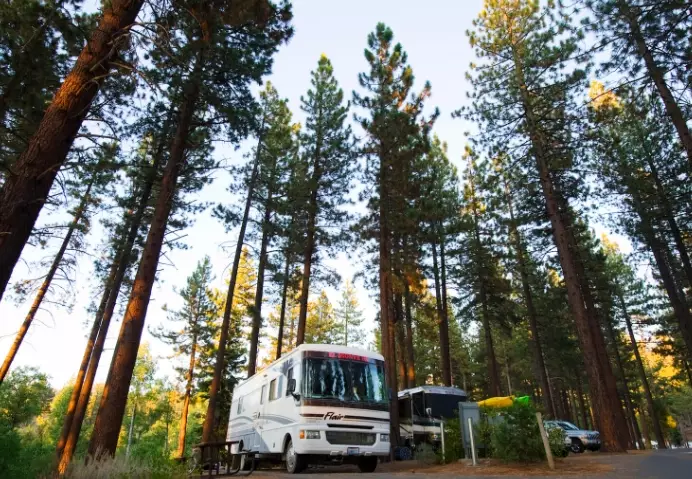
How to Actually Find Camper Van Camping Sites (The Real-World Methods)
Forget just Googling. That's a surefire way to find the big, commercial parks that pay for ads. To find the gems, you need a mix of tech and old-school tactics.
Your Digital Toolkit: Apps and Websites
These are your scouts. I use them all, but for different reasons.
- iOverlander: This is the community-powered king for off-grid and unique spots. User reviews tell you everything: "Great cell signal for Starlink," "Quiet but road noise after 7 AM," "The host Dave is awesome." It's invaluable for camper van sites outside formal campgrounds. The downside? Information can be outdated, so always check recent comments.
- Campendium & The Dyrt: These are fantastic for a mix of everything. They list formal campgrounds (public and private) alongside dispersed camping areas. Their filters are powerful—you can search specifically for "Big Rig Friendly" or, more importantly for us, "Van Friendly." The photos and reviews from other van lifers are gold.
- Recreation.gov: This is the official booking site for US federal lands like National Parks, many National Forests, and Bureau of Land Management (BLM) campgrounds. If you want to stay inside a famous national park in a designated spot, you're probably booking here. It's not great for finding *where* to camp, but it's essential for *securing* a spot once you know. You can learn more about the types of federal lands available on the Recreation.gov website.
- Google Maps (Satellite View): My secret weapon. Found a potential area on BLM land? Zoom in on satellite view. Look for little pull-offs, clusters of vehicles that might indicate a common dispersed area, or the tell-tale loops of a formal campground. It gives you a visual sense of the terrain before you go.
The Old-School Way: Paper Maps and Ranger Stations
Tech fails. Batteries die. And the best spots are sometimes hidden from algorithms.
Whenever I'm heading into a large area of public land—like a National Forest or BLM district—I stop at the local ranger station or district office. These folks are the most underutilized resource. Walk in and ask: "Where are the popular dispersed camping areas for vans?" They have maps (often free or cheap) where they can literally circle areas for you. They'll tell you about road conditions, fire restrictions, and any recent issues.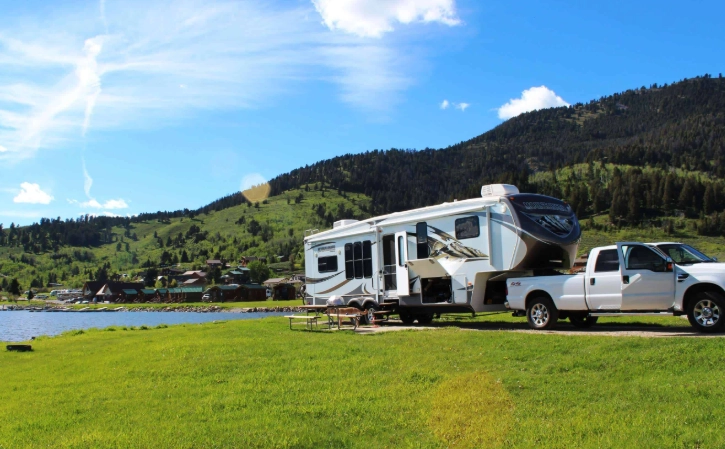
A good paper map, like those from the US Forest Service or Benchmark, doesn't need a signal. It shows the maze of forest service roads where you'll find solitude.
Breaking Down the Types of Camper Van Camping Sites
Not all sites are created equal. Here’s the breakdown, from most amenities to least.
| Type of Site | What It Is | Best For | Typical Cost | Booking |
|---|---|---|---|---|
| Full-Hookup RV Parks/Resorts | Paved sites with water, sewer, and electrical (30/50 amp) hookups. Often have pools, laundry, clubs. | Vans that need power (A/C, microwaves), travelers wanting maximum comfort & amenities, longer stays. | $40 - $80+/night | Required, often far in advance. |
| Public Campgrounds (State & National) | Designated sites in parks. May have electric hookups (rarely sewer), water spigots, shared bathhouses, picnic tables, fire pits. | Beautiful settings, access to park trails, a balance of nature and some amenities. Classic camping feel. | $20 - $45/night | Highly recommended, often on Recreation.gov. |
| Private Campgrounds & Harvest Hosts | Farms, vineyards, breweries, museums that allow overnight parking (often for a membership fee or small fee). Usually no hookups. | Unique experiences, safe overnight stop, supporting small businesses. Not for day-long hanging out. | $0 - $30/night (or annual membership) | Required via their platform. |
| BLM/USFS Dispersed Camping | Free camping on undeveloped public land. No facilities—just you and the land. Must follow Leave No Trace principles. | Adventure, solitude, cost-saving, stunning remote locations. For self-contained vans. | FREE (usually 14-day limit) | First-come, first-served. No booking. |
| Boondocking (Parking Lots/etc.) | Overnighting in parking lots of businesses (Cracker Barrel, Cabela's, some casinos/Walmarts) with permission. | Practical, one-night stops on long travel days. Zero ambiance, but convenient. | Free (sometimes expectation to patronize) | None. Always call/store manager to ask. |
My personal rhythm? I mix it up. A few nights of free dispersed camping for the views and quiet, then a night at a campground to dump tanks, fill water, and take a proper shower. It keeps costs down and the experience fresh.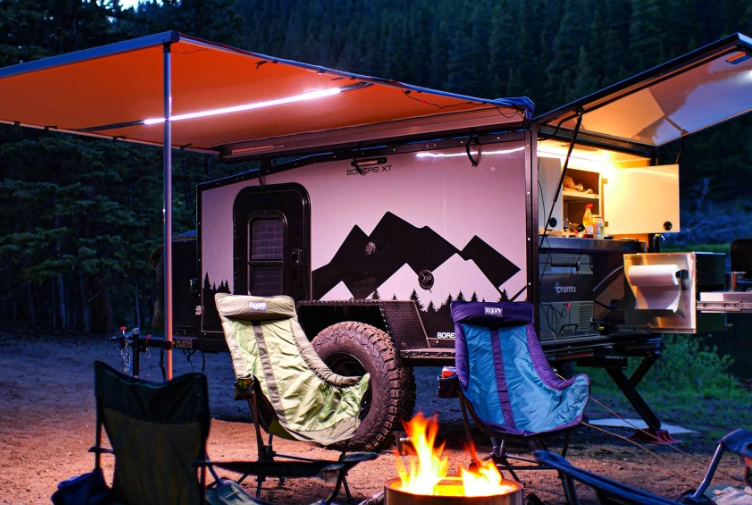
The Booking Dance: How to Snag Amazing Camper Van Sites
For popular places, especially national parks, getting a spot is a competitive sport. Here's how to play.
For Reservable Sites (Recreation.gov, etc.):
- Know the Release Schedule: Most federal sites release reservations 6 months in advance, exactly at 10 AM local time. Set a calendar reminder. Be logged in, payment info ready, and refresh right at the hour.
- Be Flexible: Can't get a weekend? Try Tuesday-Wednesday. Your chances skyrocket.
- Check for Cancellations: People's plans change. Religiously check the site for last-minute openings, especially mid-week. I've scored Yosemite Valley sites 48 hours before by being persistent.
For First-Come, First-Served (FCFS) Sites:
- Timing is Everything: Aim to arrive on a Sunday afternoon or a weekday morning. The weekend crowd is leaving, freeing up spots.
- Have a Plan B (and C): Never drive to a remote FCFS area without 2-3 backup options nearby. The first one might be full.
- Talk to Campground Hosts: If there's a host, ask politely if they know when someone might be leaving. They often have the intel.
What to Look For When You Arrive at a Camper Van Camping Site
You've found a spot and pulled in. Don't just park. Do a quick site assessment.
Is it level? I keep a bag of leveling blocks in my van for a reason. A slight slope makes for a miserable night's sleep.
Look up. Are there dead branches hanging over your van (widowmakers)? Avoid them.
Where's the sun? In summer, shade is a precious commodity by afternoon. In cooler months, you might want all the sunshine you can get.
How's the privacy? Are you staring directly into your neighbor's window? Sometimes moving 10 feet within a site makes a huge difference.
Check the ground. Is it soft sand or mud that you might get stuck in when leaving?
This 5-minute check saves you from a lot of regret later.
Essential Amenities & Hookups: A Van Lifers' Decoder Ring
Let's demystify the utilities. This is where new van folks get tripped up.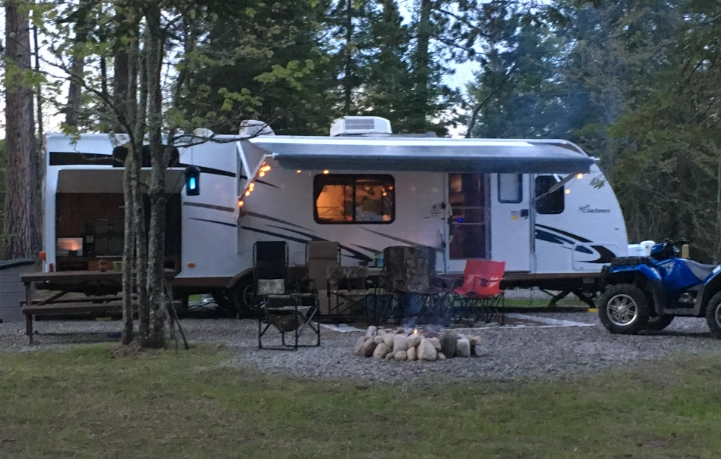
Electrical Hookups (30 Amp / 50 Amp / 20 Amp): Most RVs use 30 or 50-amp service. Our vans? We usually have a standard household 15/20-amp plug (like in your house). Many sites have a "post" with all three types. You'll need a simple 30-amp to 15-amp dogbone adapter (under $20). Plug that into the 30-amp outlet, and you can plug your van's regular cord into the adapter. You won't draw 30 amps, but the adapter makes it compatible. 50-amp sites require a different adapter. Just have both in your kit.
Water Hookups: Simple. Screw your drinking-water-safe hose onto the spigot. CRITICAL: Always use a water pressure regulator ($10-15). Campground water pressure can be wildly high and burst your van's plumbing. It's cheap insurance.
Sewer Hookups: You'll see a black plastic flange in the ground. This is for dumping your gray (sink/shower) and black (toilet) water tanks. You need a sewer hose kit with the right fittings. Dumping is… an experience. Wear gloves. Dump black first, then gray to flush the hose.
Beyond the Hookups: The Real-World Checklist for a Great Stay
Here’s my mental checklist when evaluating camper van camping sites, beyond just the utilities.
- Cell Signal / Starlink Viability: I work from the road. I check apps like Coverage? or just look at my phone's bars. A site can be beautiful but useless if I can't get online for a Zoom call tomorrow.
- Noise Level: Is it near a highway? A generator loop? Read reviews for mentions of noise.
- Pet Policy: If you travel with a dog, this is huge. Are they allowed? Is there a leash rule? A dog park nearby?
- Host/Vibes: Is there a friendly host who keeps the place clean and safe? Or does it feel neglected and sketchy? Trust your gut.
- Access Road Condition: That amazing free BLM site might be down 5 miles of rough, rutted dirt road. Is your van (and your nerves) up for it?
Top Picks: Categories of Amazing Camper Van Camping Sites
Instead of just listing specific places (which can change), let's talk about categories of locations that consistently deliver incredible experiences for van campers.
For the Iconic Views: National Park Campgrounds
Yes, they're crowded. Yes, they're hard to book. But waking up inside a national park, before the day-trippers arrive, is unmatched. Examples: Watchman Campground in Zion (walk to the canyon), Moraine Park in Rocky Mountain NP, any campground in Yellowstone. You're paying for the priceless location. Book early or target the off-season.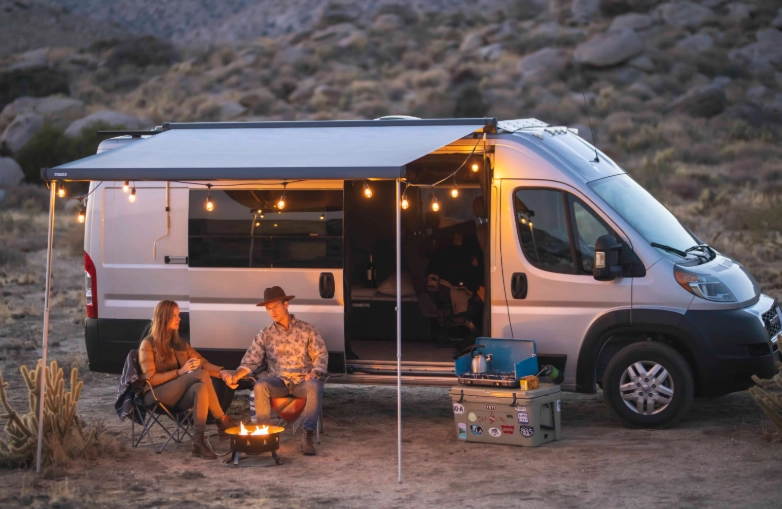
For Solitude & Adventure: Dispersed Camping on BLM/National Forest Land
This is the heart of van freedom. Vast landscapes, no fees, no neighbors (if you go far enough). The Bureau of Land Management (BLM) manages millions of acres, especially in the western US, where dispersed camping is generally permitted. Areas around Moab, UT, the Alabama Hills near Lone Pine, CA, or vast stretches of Arizona and Nevada are legendary. The rule is usually camp 100-200 feet from water and roads, and stay no more than 14 days in a 28-day period.
For a Quirky, Memorable Stop: Harvest Hosts & Boondockers Welcome
These networks connect travelers with private landowners. For an annual fee, you get access to overnight parking at wineries, farms, museums, and more. No hookups, but you get a unique, safe spot. It's not for partying—it's about the experience and supporting hosts. I've stayed at a llama farm and a classic car museum. You won't forget it.
For the Practical Overnighter: Trusted Parking Lots
Sometimes you just need to crash. Cracker Barrel, many Cabela's/Bass Pro Shops, and some casinos are famously van/RV friendly. Always, always ask permission from a manager. Policies change. Use the app iOvernight or RV Parky for crowdsourced info on which specific locations allow it. Be discreet, arrive late, leave early, and patronize the business.
Walmart is famously hit-or-miss now. It's based on local ordinances and store manager discretion. Never assume.
Common Questions About Camper Van Camping Sites (FAQ)
Final Thoughts: It's a Learning Curve
Finding your perfect rhythm with camper van camping sites takes a few trips. You'll overpay for a site you didn't love. You'll get skunked on a FCFS gamble. You'll also stumble upon a perfect, free lakeside spot that makes you feel like you won the lottery.
Start simple. For your first trip, maybe book a state park campground with facilities. Get the feel of it. Then, maybe try one night of dispersed camping near a familiar area. Build your confidence and your personal list of must-haves and deal-breakers.
The goal isn't perfection. It's adventure, comfort on your own terms, and those views out your sliding door that you'll remember forever. Now get out there and find your next spot.