Quick Navigation
- Why You Should Try Camping (It's Not Just About Saving Money)
- First, Let's Talk About What Kind of Camping You Want to Do
- The Absolute Beginner's Camping Checklist: What You Actually Need
- Step-by-Step: Planning Your First Camping Trip
- The Big Day: Setting Up Camp Like a Pro (Even If You're Not)
- Cooking, Food, and the Eternal Quest for the Perfect S'more
- Leaving No Trace: It's More Than Just a Slogan
- Safety Considerations You Shouldn't Ignore
- Your First-Time Camping Questions, Answered
- You're Ready. Now Go Get Some Dirt on Your Shoes.
Let's be honest. The idea of how to start camping can feel pretty intimidating. You see those photos of perfect tents against mountain backdrops and think, "Yeah, but where do I even begin?" I remember my first time. I borrowed a tent from a friend that was missing half its poles, brought a sleeping bag better suited for a slumber party, and picked a campsite purely because it had a cool name. It rained. I was cold. It was... kind of a mess. But you know what? I still loved it. The crackle of the fire, the quiet of the woods—it hooked me. And I learned a ton from every mistake.
So, if you're staring at a wall of gear online or wondering if you're the "type" of person who camps, take a deep breath. This isn't about becoming an extreme survivalist overnight. It's about learning a simple, rewarding skill. This guide is everything I wish I'd known when I was figuring out how to start camping for the first time. We'll walk through gear, planning, and those little tricks that make all the difference, without the jargon or pressure.
Why You Should Try Camping (It's Not Just About Saving Money)
People get into camping for all sorts of reasons. Maybe you want a cheaper vacation. Maybe you're desperate to get your kids off their screens. Or maybe you just need a quiet place to think. For me, it was the reset button. No notifications, no to-do lists, just the rhythm of daylight and the sound of the wind.
But the benefits are more than just poetic. There's real science behind why sleeping outside feels good. It's a full sensory reset. You're also learning self-reliance in the gentlest way possible. Figuring out how to cook a meal on a single burner or set up a home for the night gives you a quiet confidence that follows you home. And honestly, it's fun. There's a childlike joy in roasting marshmallows and telling stories under the stars.
Is it always comfortable? No. Will you forget something? Probably. But that's part of the story.
First, Let's Talk About What Kind of Camping You Want to Do
"Camping" isn't one thing. Before you buy a single piece of gear, think about your style. This will save you a fortune and a lot of headaches.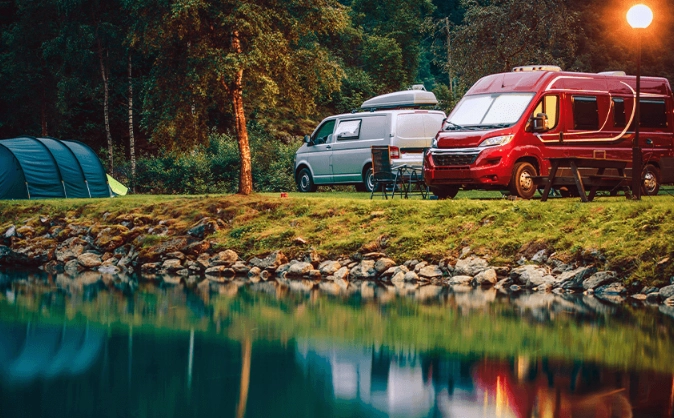
Car Camping: Your Best Bet for Learning How to Start Camping
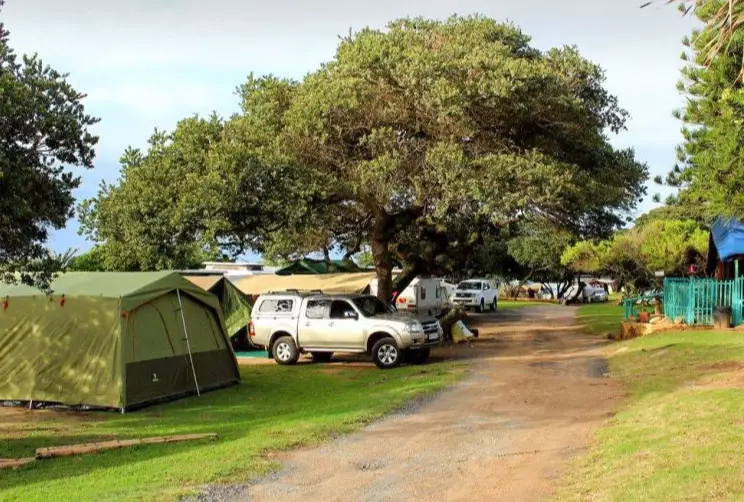
This is where 90% of beginners should start. Your car is right there at the campsite. It's your locker, your backup plan, and your emergency shelter. You can bring a bigger tent, more blankets, a cooler full of real food, and even a folding chair. The barrier to entry is low, and the comfort level is high. It's the perfect training ground. When people ask me for advice on how to start camping, I always point them here first. Master this, then think about the other stuff.
Backpacking & Hike-In Camping
This is the next level, where you carry everything you need on your back to a remote site. It's incredible, but the gear is more specialized (lighter, more expensive) and the planning is more intense. Don't make this your first trip. It's like deciding to run a marathon before you've gone for a jog around the block.
RV or Van Camping
More home, less tent. Great for families or those who want maximum weather protection and amenities. It's a different world with its own rules and costs.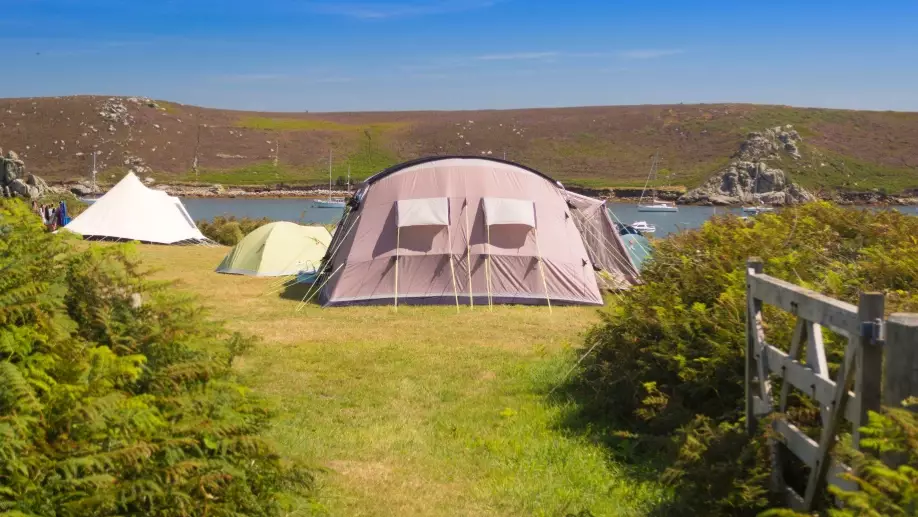
For this guide, we're focusing on car camping. It's the gateway.
The Absolute Beginner's Camping Checklist: What You Actually Need
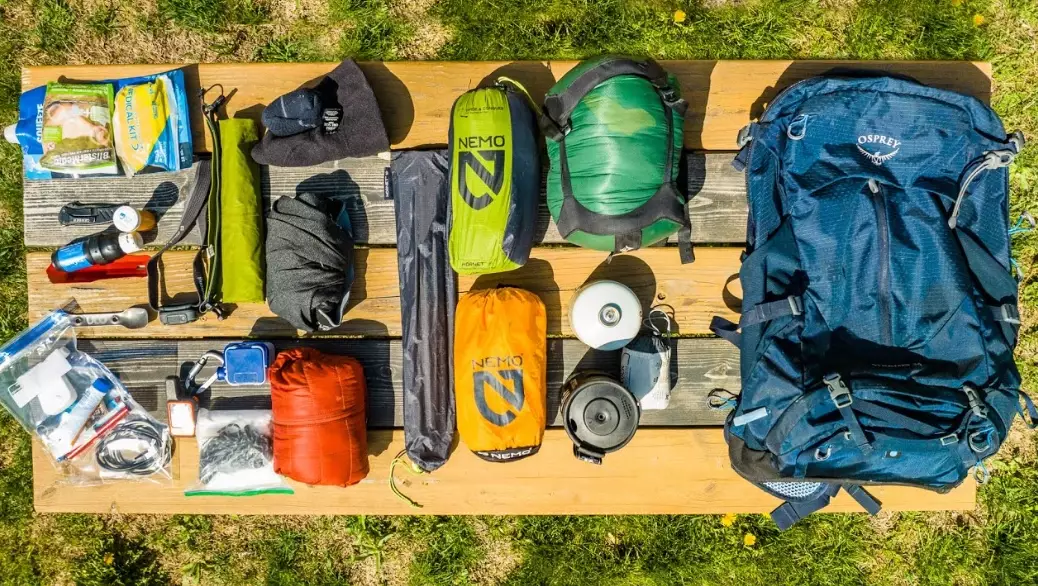
Gear lists can be endless. I've seen checklists with 80 items that would make anyone give up before they start. Let's simplify. Here’s a breakdown of the essentials, ranked by importance. Think of it in layers: Shelter, Sleep, Kitchen, and Everything Else.
Core Gear Checklist (The Non-Negotiables)
| Category | Essential Items | Beginner Tips & Why It Matters |
|---|---|---|
| Shelter | Tent, Tent Footprint/Ground Tarp, Mallet or Hammer for Stakes | Tent: Get a 3- or 4-person tent even if there are only 2 of you. The extra space for gear is worth it. Look for "freestanding" designs—easier to set up. Footprint: This protective layer under your tent is cheaper than fixing a torn tent floor. |
| Sleep System | Sleeping Bag, Sleeping Pad, Pillow | This is where comfort lives or dies. Bag: Check the temperature rating (a "30°F" bag is for temps down to 30°F). Pad: This isn't just cushion; it's insulation from the cold ground. An inflatable one is a great upgrade from foam. |
| Kitchen & Food | Camp Stove & Fuel, Lighter/Matches, Cooler, Basic Pot/Pan, Utensils, Plate/Bowl, Biodegradable Soap, Sponge, Water Jugs | You don't need a gourmet kitchen. A simple 2-burner propane stove is perfect. Plan easy meals (think pasta, pre-made chili, sandwiches). A good cooler is an investment—it keeps food safe and drinks cold. |
| Lighting | Headlamp (CRUCIAL), Lantern for the campsite | Your hands will be full. A headlamp is a game-changer. A simple battery-powered lantern for the picnic table makes evenings cozy. |
| Clothing | Synthetic or Wool Layers (NO COTTON), Rain Jacket, Sturdy Shoes, Warm Hat | Cotton kills (comfort). When it gets wet, it stays wet and sucks heat. Pack layers you can add or remove. Always, always pack a rain jacket. |
But do you really need all of this brand new? Absolutely not.
Gear on a Budget: Borrow, Rent, Buy Used
The cost of all-new gear can stop anyone. Here's the secret: you don't have to buy it all.
- Borrow: Ask friends or family. Most campers have extra tents or sleeping bags sitting in a closet.
- Rent: Many outdoor stores like REI have rental programs. It's a fantastic, low-risk way to test higher-quality gear before you commit.
- Buy Used: Check Facebook Marketplace, Craigslist, or gear swap forums. You can find barely-used items for a fraction of the cost. Just inspect tents for mold/must and sleeping bags for cleanliness.
Step-by-Step: Planning Your First Camping Trip
Okay, you've got an idea of the gear. Now, where are you actually going to go? This is the fun part.
Finding and Choosing a Campsite
For your first trip, I strongly recommend a developed campground in a state or national park. Why? They have defined sites, usually have bathrooms (often with running water), fire rings, picnic tables, and sometimes even a camp store. It's camping with training wheels, and there's no shame in that.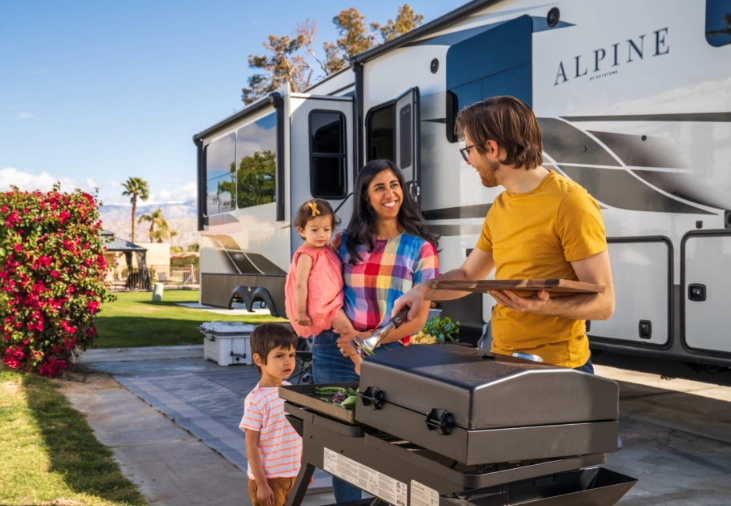
How to find one?
- Use Recreation.gov: This is the primary booking site for US federal lands (National Parks, National Forests, BLM, etc.). It's a bit clunky, but it's the source of truth.
- State Park Websites: Each state runs its own reservation system. These parks are often gems with great facilities.
- The Dyrt or Hipcamp: These are like Yelp or Airbnb for campsites. You can see photos, read reviews from other campers, and discover hidden spots.
When you're browsing sites, look for keywords like "family campground," "easy access," or "RV-friendly" (even if you don't have an RV, these usually mean the roads and sites are well-maintained). Read the recent reviews! Someone will mention if the water is turned off or if the sites are super close together.
Making a Reservation (And What to Do If Everything's Booked)
Popular spots book up months in advance, especially for summer weekends. Don't panic.
- Be Flexible: Try a Sunday-Thursday trip instead of Friday-Saturday. You'll have the place more to yourself.
- Look Beyond the Famous Parks: A lesser-known state forest or county park can be just as beautiful and way more peaceful.
- Check for Cancellations: People's plans change. Refresh the booking page regularly in the week leading up to your desired dates.
Packing: The Art of Not Forgetting the Can Opener
I use a master packing list on my phone that I tweak for every trip. It saves my sanity. Pack your car logically: things you'll need last (tent, sleeping bag) go in first. Things you'll need first at camp (cooler, chairs, daypack) go in last.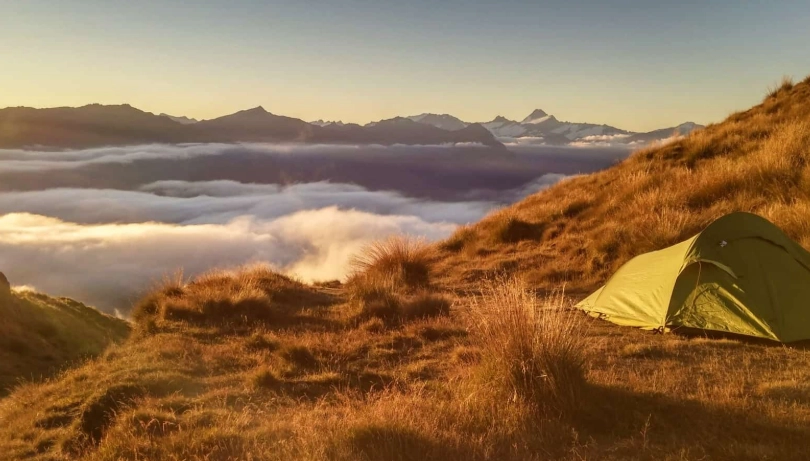
A classic rookie move is packing the tent at the very bottom of the trunk. Then it starts drizzling when you arrive, and you have to unpack your entire car in the rain to get to it. Learn from our mistakes!
The Big Day: Setting Up Camp Like a Pro (Even If You're Not)
You've arrived. Now what? Don't just start hammering stakes randomly.
- Survey the Site: Walk around. Where's the flattest, highest ground for your tent? Avoid dips where water will pool if it rains. Look up for "widowmakers"—dead branches hanging in trees.
- Set Up Your Tent in Daylight: This is non-negotiable. Practice at home if you can. At the site, lay out your footprint first, then the tent on top. Assemble the poles, feed them through the sleeves or clips, and raise it. Stake it out firmly. Finally, add the rainfly, making sure it's taut and covers the tent completely.
- Organize Your "Rooms": Designate zones. The tent is for sleeping and changing only—no food! The picnic table is your kitchen. A spot away from the tent is for storing garbage. This keeps things clean and critter-free.
What's the one thing everyone forgets? A small broom and dustpan for the tent. Tracking in dirt and leaves happens, and it's nice to sweep it out.
Cooking, Food, and the Eternal Quest for the Perfect S'more
Camp cooking doesn't have to be beans from a can (unless you like that). Keep it simple.
- Breakfast: Oatmeal packets, pre-made breakfast burritos you just reheat, or bacon and eggs.
- Lunch: Sandwiches, wraps, or just a big spread of snacks (cheese, crackers, fruit, nuts).
- Dinner: One-pot meals are king. Think chili, pasta with jarred sauce, or pre-marinated kebabs to grill.
Food Safety is Critical: Keep your cooler cold with block ice (it lasts longer than cubes). Keep raw meat sealed and at the bottom. The USDA has clear guidelines on food safety for the outdoors that are worth a quick read. A case of food poisoning is the fastest way to end a trip.
Leaving No Trace: It's More Than Just a Slogan
This is the golden rule. The goal is to leave the site looking better than you found it, so the next person gets the same magic you did. The principles from the Leave No Trace Center for Outdoor Ethics are your bible here.
It boils down to common sense and respect.
- Pack out ALL your trash, including tiny things like twist ties and apple cores.
- Wash dishes 200 feet away from any water source using biodegradable soap.
- Follow local rules for fires. Use the existing fire ring, keep fires small, and drown them DEAD OUT with water until you can touch the ashes.
- Respect wildlife. Store your food properly (in your car or a provided bear locker). Never feed animals—it's bad for them and dangerous for you.
Safety Considerations You Shouldn't Ignore
A little preparation prevents big problems. Tell someone not on the trip your exact plans—where you're going and when you'll be back. Have a basic first-aid kit. Know the weather forecast and be prepared for it to change. Bring more water than you think you need. A simple power bank can keep your phone charged for emergencies.
If you're in bear country, research proper food storage. The US Forest Service has excellent, region-specific advice. In many places, leaving food in your car is fine; in others, you need a hard-sided bear canister.
Your First-Time Camping Questions, Answered
What if I have to go to the bathroom?
Developed campgrounds have vault toilets (pit toilets) or flush toilets. It's just like a very basic public restroom. If you're at a more primitive site, you'll need to learn how to dig a "cat hole" 6-8 inches deep, at least 200 feet from water, trails, and camp. Pack out your toilet paper in a sealed bag. It's not glamorous, but it's part of the deal.
I'm scared of animals. What's real and what's hype?
The vast majority of wildlife wants nothing to do with you. Noise and your scent keep them away. The real nuisance is small critters like raccoons, squirrels, and mice attracted to food. That's why storing food properly is your #1 animal safety task. Bear encounters are extremely rare if you follow the rules.
How do I start camping alone?
Solo camping is amazing but requires extra planning. Choose a popular, safe campground for your first time. Tell multiple people your plans. Arrive early to set up in daylight. Trust your instincts—if a site feels weird, ask the camp host to move. The solitude is powerful, but safety first.
What's the one thing most guides don't tell you about how to start camping?
You will overpack. Everyone does. You'll bring five changes of clothes for a two-day trip. You'll bring that "just in case" gadget you never use. It's okay. Each trip, you'll learn what you actually need and what you can leave behind. The process of simplifying is part of the joy.
You're Ready. Now Go Get Some Dirt on Your Shoes.
Learning how to start camping isn't about having the perfect Instagram setup. It's about trying something new, embracing a few inconveniences, and discovering a different pace of life. Your first trip might not be perfect, but it will be yours. You'll remember the taste of food cooked outside, the smell of pine needles, and the way the stars look without city lights.
Start small. Borrow gear. Pick a campground an hour away for just one night. Keep your meals stupidly simple. Focus on the basics: a safe place to sleep, a warm meal, and a way to see in the dark. Everything else is a bonus.
The trailhead is right there. What are you waiting for?