Quick Guide
- The Short Answer (And Why It's Wrong)
- The Real Deal: Wind Chill and Wetness Are the True Killers
- A Practical Temperature Threshold Guide (By Camper Type)
- Recognizing When You've Crossed the Line: Hypothermia & Frostbite
- Hot Tenting and Vehicle Camping: Changing the Equation
- Answers to Your Burning Questions (FAQ)
- The Bottom Line: Respect Over Bravado
Let's cut to the chase. You're staring at a weather forecast, the temperature is dropping, and you're wondering if you should cancel your trip or power through. What temperature is too cold for camping? It's the question that keeps many outdoor enthusiasts up at night, and the answer isn't as simple as a single digit on a thermometer.
I remember a trip in the Adirondacks a few years back. The forecast said 25°F (-4°C). "No problem," I thought, with my three-season bag and a bit of bravado. Let's just say I spent the night wearing every piece of clothing I brought, shivering violently, and vowing to never make that mistake again. It wasn't just the air temperature—it was the dampness, the wind cutting through the trees, and my own poor preparation. That night taught me that figuring out what temperature is too cold for camping is a personal calculation mixed with science and respect for the elements.
Straight Talk: If you're asking this question, you're already on the right track. Recognizing the danger is the first step to avoiding it. This isn't about being tough; it's about being smart.
The Short Answer (And Why It's Wrong)
Most people want a neat number. You'll see forums where folks throw around 20°F (-7°C) or 32°F (0°C) as the "too cold" cutoff. But handing out a universal number is borderline irresponsible. Why? Because a calm, dry 20°F night with the right gear can be comfortable for a seasoned winter camper, while a windy, wet 35°F (2°C) night can be dangerously cold for a beginner in a summer sleeping bag.
The real question isn't "what temperature is too cold for camping?" but rather "what conditions are too cold for me, with my gear and my skills, on this particular trip?"
See the difference? One is a search for permission. The other is a framework for making a smart decision.
The Real Deal: Wind Chill and Wetness Are the True Killers
Forget the dry-bulb temperature for a second. The two factors that radically change the game are wind and moisture. These are what transform a chilly night into a survival situation.
Wind Chill is the big one. It strips away the thin layer of warm air your body creates. The National Weather Service Wind Chill Chart is not just a pretty graphic—it's a vital tool. A calm 20°F day feels very different from a 20°F day with 20 mph winds, which can feel like 4°F (-16°C). Exposed skin can get frostbite in under 30 minutes under those conditions. Suddenly, your "mildly cold" campout is in the danger zone.
Pro Insight: Always, always check the forecast for wind speed, not just temperature. A high-quality, breathable wind barrier is often more critical than a thick insulated jacket in windy, cold conditions.
Then there's wetness. Water conducts heat away from your body 25 times faster than air. Rain, melting snow, sweat, or even high humidity can soak your insulation, rendering it useless. A damp sleeping bag at 40°F (4°C) is a one-way ticket to hypothermia. I'd rather camp in a dry 15°F (-9°C) than a wet 35°F any day of the week.
A Practical Temperature Threshold Guide (By Camper Type)
Okay, you want some numbers. I get it. Here’s a realistic breakdown. Think of these as "caution zones" rather than hard limits. Venturing into these temperatures requires specific planning and gear.
| Camper Experience Level | "Comfortable" Limit (Dry & Calm) | "Manageable with Focused Gear" Limit | "Too Cold / High-Risk" Zone | Key Factors |
|---|---|---|---|---|
| Beginner / Fair-Weather Camper | 40°F (4°C) and above | Down to 32°F (0°C) | Below 32°F (0°C) | Relies on 3-season bag, basic tent. Low cold tolerance. |
| Intermediate / Four-Season Dabbler | 30°F (-1°C) and above | Down to 15°F (-9°C) | Below 15°F (-9°C) | Has a true cold-weather bag (rated 15-20°F), sleeping pad with high R-value, understands layering. |
| Advanced / Winter Enthusiast | 15°F (-9°C) and above | Down to -10°F (-23°C) | Below -10°F (-23°C) | Uses a mountaineering bag, insulated tent or hot tent, expedition-grade layers, extensive experience managing condensation and cold. |
| Camping with Kids | 50°F (10°C) and above | Down to 35°F (2°C)* | Below 35°F (2°C)* | *With extreme caution and over-preparation. Kids lose heat faster and may not recognize early hypothermia signs. |
See how it varies? Your personal threshold is a moving target.
Gear: The Great Multiplier (or Divider)
Your gear is what allows you to bend these temperature rules. A $30 sleeping bag from a big-box store claiming it's "good to 20°F" is almost certainly lying—those ratings are often survival ratings, not comfort ratings. You'll be miserable at 30°F in it.
When you're asking what temperature is too cold for camping, you're really asking if your gear is up to the task. Here’s the non-negotiable checklist for cold weather:
- The Sleeping Bag: Get one with a comfort rating at least 10°F lower than the coldest temp you expect. Prefer down for dry cold (better warmth-to-weight) or high-quality synthetic for damp conditions (retains heat when wet).
- The Sleeping Pad: This is where most people fail. The ground is a heat sink. Your bag's insulation underneath you compresses. You need a pad with a high R-value (insulation rating). For near-freezing, aim for R-value 4+. For below freezing, R-5 or higher. I use two pads in deep cold.
- Shelter: A 3-season tent is fine for light frost, but for real cold or snow, a 4-season tent is stronger and sheds snow. The biggest issue is condensation—breathing puts a lot of moisture into a sealed tent, which then freezes. Good ventilation is critical, even if it feels counterintuitive.
- The Clothing System: Cotton kills. It's an old adage because it's true. Use moisture-wicking base layers (merino wool or synthetic), insulating mid-layers (fleece, down, or synthetic puffy), and a waterproof/windproof outer shell. Always have a dry set of base layers to sleep in.
My Personal Rule: If the forecast is within 15 degrees of my bag's comfort rating, I bring an extra fleece liner or wear my insulated jacket to bed. It's a cheap safety buffer.
Recognizing When You've Crossed the Line: Hypothermia & Frostbite
Knowing the signs that it's already too cold is more important than any forecast. Hypothermia starts subtly. The CDC's guidelines on hypothermia are essential reading. Early signs include uncontrollable shivering, clumsiness, slurred speech, and confusion. The scary part? The confused person often doesn't realize they're in trouble.
Frostbite is the freezing of skin and underlying tissues. It typically affects extremities first—fingers, toes, nose, ears. Look for numbness, white or grayish-yellow skin, and skin that feels unusually firm or waxy.
If you or a buddy show these signs, it's an emergency. The answer to "what temperature is too cold for camping?" is RIGHT NOW.
What To Do If You're Getting Too Cold
- Stop Exposure: Get out of the wind and wet immediately. Get into your tent or build a windbreak.
- Add Layers: Put on every dry piece of clothing you have. Don't wait.
- Eat and Drink: Your body needs fuel to create heat. Eat high-calorie snacks (nuts, chocolate, jerky). Drink warm (not hot) sugar-water or decaf tea. Dehydration makes you more susceptible to cold.
- Get in the Bag: Get into your sleeping bag with all your dry layers on. Use a hot water bottle (secured in a bottle, NOT a soft flask) to add warmth.
- Consider Bailing: There is zero shame in packing up and hiking out in the middle of the night to get to your car and turn the heater on. A ruined trip is better than a ruined life.
Hot Tenting and Vehicle Camping: Changing the Equation
Your shelter type completely changes the rules. Asking what temperature is too cold for camping in a backpacking tent is different from other setups.
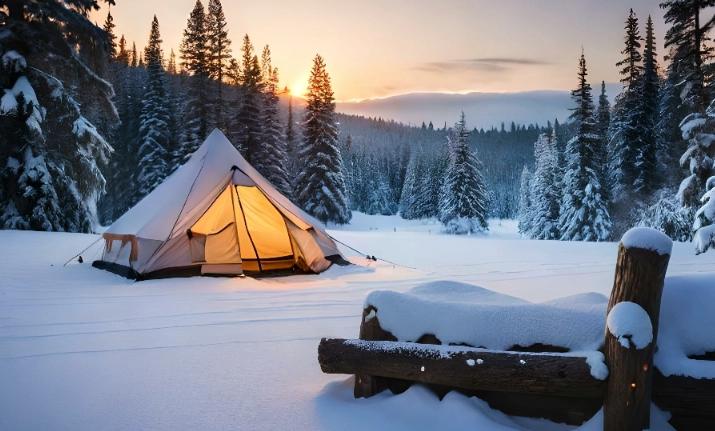
Hot Tent (Wood Stove): With a reliable hot tent setup, you can camp comfortably in temperatures far below zero. The stove allows you to dry gear, melt snow, and maintain a shirtsleeve environment inside. The "too cold" limit here is more about your stove's capability and fuel supply than personal endurance.
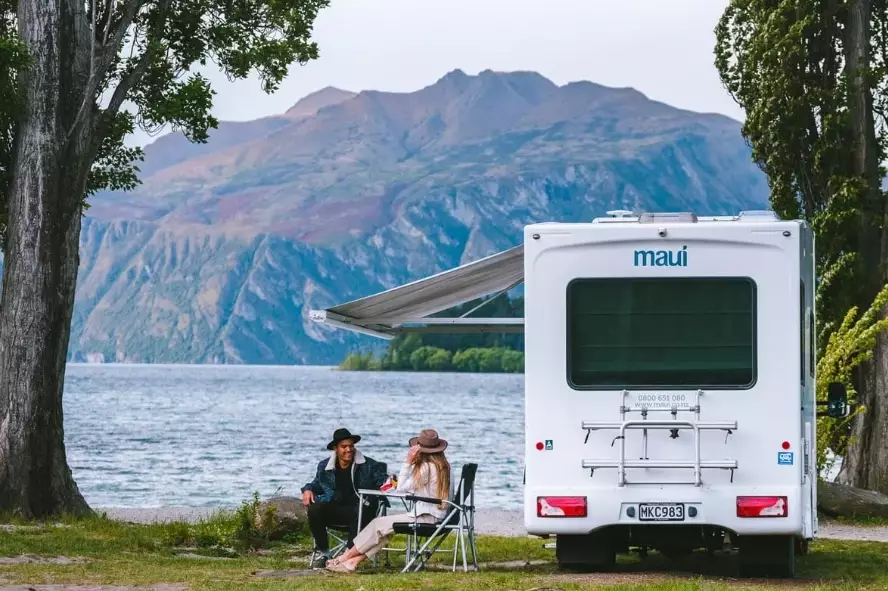
Vehicle Camping (Car, Van, RV): This provides massive advantages: a windproof/waterproof shell, the ability to bring bulky gear (extra blankets, heaters), and a ready escape route. With a good sleeping bag and insulating the windows, comfortable camping down to 0°F (-18°C) is achievable. WARNING: Never run a propane or fuel-burning heater meant for the outdoors inside an enclosed vehicle due to carbon monoxide risk. Use electric heaters only if you have a reliable power source like a jackery or are plugged into shore power.
Answers to Your Burning Questions (FAQ)
Let's tackle some specific scenarios people search for.
Is 30 degrees too cold for camping?
For a beginner or with summer gear? Absolutely, it can be miserable and risky. For an intermediate with a 20°F bag, a good pad (R-value 4+), and proper layers, it's a manageable and often beautiful winter camping experience. The key differentiator is gear and preparation.
Can you camp in 20 degree weather?
Yes, but this is firmly in the realm of winter camping. It requires dedicated winter gear: a sleeping bag rated for 0-10°F, a high-R-value pad, a 4-season tent or excellent site selection for wind protection, and mastery of the layering system. It's not for casual campers.
What about camping in the 40s?
40s Fahrenheit (4-9°C) is a fantastic sweet spot for many. It's cold enough to keep bugs away and enjoy a campfire, but not so cold that specialized gear is mandatory. A good three-season bag and a decent pad will suffice. The main risk here is getting wet—a cold rain at 45°F is dangerous.
How do you know if it's too cold to tent camp?
Run this mental checklist:
1. Is the forecast temperature (including wind chill) below the COMFORT rating of my sleeping bag?
2. Do I have a sleeping pad with an appropriate R-value for that temperature?
3. Is there significant rain or snow in the forecast that could wet my gear?
4. Do I have the proper clothing system (NO COTTON)?
5. Am I feeling healthy, or am I already tired, hungry, or dehydrated?
If you answer "yes" to #1 or "no" to any of #2-5, you need to seriously reconsider or massively upgrade your plan.
The Bottom Line: Respect Over Bravado
After all this, my final answer to what temperature is too cold for camping is this: It's the temperature where your preparation ends and suffering (or danger) begins.
The goal of camping is to enjoy the outdoors, not to endure a miserable, sleepless night fighting the cold. Pushing limits is part of the adventure, but do it incrementally. Test your gear in your backyard or on a one-nighter close to your car before committing to a remote weekend in the deep freeze.
Nature doesn't care about your plans. A forecast is a prediction, not a promise. Always have a bail-out option and let someone know your itinerary. Checking resources like the National Weather Service for detailed forecasts and warnings is a non-negotiable step before any cold-weather trip.
Start high, within your comfort zone, and learn. Feel how your body reacts. See how your gear performs. That experience, more than any article (even this one), will teach you your own personal answer to the question, "What temperature is too cold for camping?"
Stay safe, stay warm, and I'll see you out there.