Quick Navigation
- Why You Can't Just Drink from the Stream (Even If It Looks Clean)
- The Main Players: How Do Different Camping Water Purifiers Work?
- What to Actually Look for When You're Buying One
- Putting It All Together: How to Pick YOUR Perfect Match
- Using Your Purifier: Tips You Won't Find in the Manual
- Cleaning, Storing, and Knowing When to Say Goodbye
- Straight Answers to Common Camping Water Purifier Questions
- Wrapping It Up: Clear Water, Clear Mind
Let's be real for a second. You're planning a trip, the gear list is long, and somewhere between picking a tent and debating freeze-dried meals, you remember you need to figure out water. That murky lake or questionable stream isn't going to drink itself. But the world of camping water purifiers? It can feel like a maze of jargon and conflicting advice.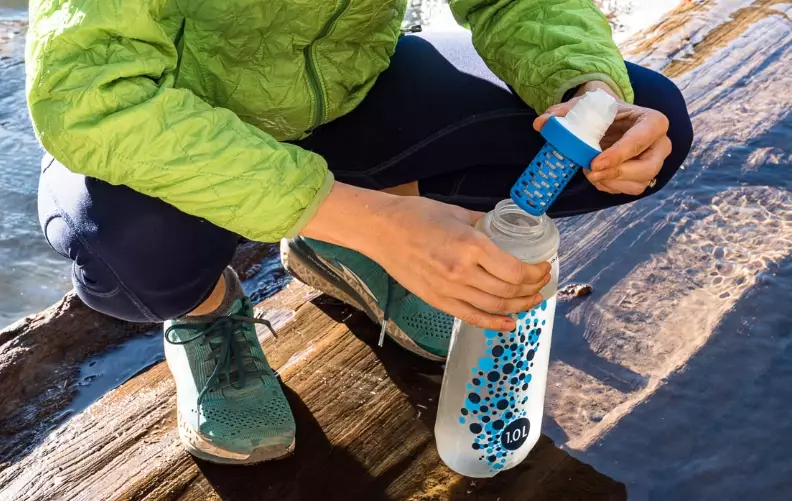
I've been there. I've used a pump filter that gave up halfway through a week-long trek (not fun). I've also had a simple straw purifier save the day on a day hike gone long. The right gear makes all the difference between a great adventure and a miserable one spent worrying about your next sip.
So, what's the deal with these devices? A camping water purifier isn't just a fancy filter. It's your frontline defense against the nasty stuff you can't see – bacteria, protozoa, and sometimes even viruses, depending on where you roam. Getting this piece of gear wrong is a risk you really don't want to take.
Why You Can't Just Drink from the Stream (Even If It Looks Clean)
That crystal-clear mountain stream looks pristine, right? It's probably not. The truth is, surface water in the backcountry can harbor microorganisms that can ruin your trip in a seriously unpleasant way. We're talking about more than just a stomach ache.
The U.S. Environmental Protection Agency (EPA) has clear guidelines on waterborne pathogens in recreational waters, highlighting risks that are magnified in untreated wilderness sources. It's a solid reminder that what's out there is no joke.
Boiling works, sure. But it's fuel-intensive, time-consuming, and leaves you waiting for hot water to cool on a thirsty day. A good camping water purifier gives you safe, drinkable water on demand. That's freedom.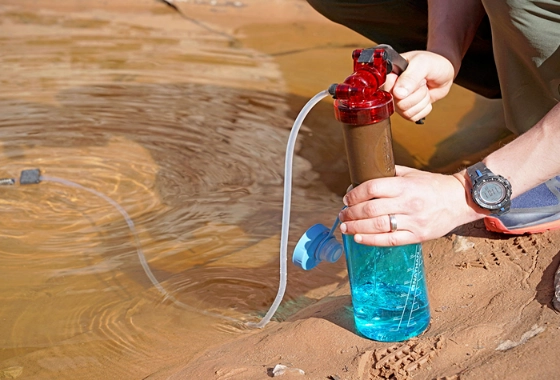
The Main Players: How Do Different Camping Water Purifiers Work?
Not all purifiers are created equal. They tackle contaminants in different ways, and understanding this is key to picking one. Let's break down the common types you'll see.
Pump Filters: The Old Reliable
You see these in a lot of classic gear lists. A hose goes into the water source, you work a handle, and clean water comes out another hose into your bottle. They usually use a hollow fiber or ceramic filter element.
- You get direct control over the flow rate.
- Can often filter large volumes efficiently.
- Many are very effective against bacteria and protozoa.
- Requires effort. Pumping for a group's worth of water can be a chore.
- More mechanical parts mean more things that can freeze, break, or clog.
- They can be bulkier and heavier than other options.
I had one fail because sediment clogged the ceramic filter beyond field cleaning. It was a lesson in always having a backup plan (and pre-filtering really dirty water).
Gravity Filters: The Lazy Genius
These are my personal favorite for base camps or group trips. You fill a dirty water bag, hang it up, and gravity pulls the water through a filter into a clean bag below. You set it and forget it.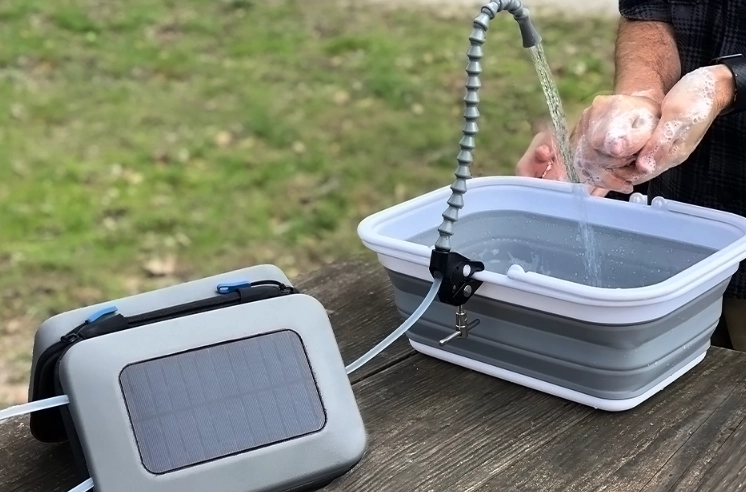
They use similar filter tech to pumps but eliminate the manual labor. The flow rate depends on the height difference and how clogged the filter is. For filtering water for morning coffee and evening dinner for several people, it's hard to beat the convenience.
Straw-Style and In-Bottle Purifiers: Ultimate Personal Use
These are the epitome of lightweight and simple. You drink directly through the straw from the source, or you squeeze a pouch/bottle with the filter built into the cap.
UV Light Purifiers: The Techy Solution
These use ultraviolet light to scramble the DNA of microorganisms, rendering them harmless. It's a pen-like device you stir in your water bottle for a minute or two.
- Extremely lightweight and compact.
- Effective against bacteria, viruses, and protozoa.
- Doesn't alter water taste.
- Requires batteries or recharging.
- Doesn't remove dirt, sediment, or chemical tastes.
- Water must be relatively clear for the light to penetrate effectively.
- If it breaks or dies, you're out of luck.
Chemical Treatment (Drops/Tablets): The Featherweight Backup
Not a "purifier" in the mechanical sense, but a critical part of the conversation. Iodine or chlorine dioxide tablets are incredibly light and reliable as a secondary system.
The downsides? You have to wait (often 30 minutes to 4 hours), it can leave a chemical taste, and it doesn't filter out particulates. Many seasoned backpackers carry a few tablets as a failsafe, even if their primary system is a mechanical camping water filter.
Side-by-Side: Quick Comparison of Camping Water Purifier Types
| Type | Best For | Weight & Bulk | Speed & Effort | What It Removes/ Kills | Key Limitation |
|---|---|---|---|---|---|
| Pump Filter | Solo or small groups; precise water needs | Medium-High | Slow, High Effort | Bacteria, Protozoa, Sediment | User fatigue, maintenance |
| Gravity Filter | Base camps, groups, lazy filtering | Medium | Hands-off, Medium Speed | Bacteria, Protozoa, Sediment | Requires hanging point, slower flow when clogged |
| Straw/Bottle Filter | Ultralight, personal day use | Very Low | Instant, Low Effort | Bacteria, Protozoa, Sediment | Can't filter for cooking/store water |
| UV Light Purifier | Tech lovers, clear water sources | Very Low | Fast, Low Effort | Bacteria, Viruses, Protozoa | Needs power, doesn't clarify water |
| Chemical Treatment | Emergency backup, extreme weight saving | Negligible | Very Slow, No Effort | Bacteria, Viruses, Protozoa | Wait time, taste, no particulate removal |
What to Actually Look for When You're Buying One
Beyond the type, the specs on the box matter. Here’s what those terms mean for you on the trail.
Pore Size & Filtration Standards
This is the big one. Pore size is measured in microns. Smaller is better for catching tiny bugs.
- 0.2 microns or less: Will catch all bacteria and protozoa (like Giardia and Crypto). This is the standard for most good backpacking filters.
- 0.4 microns: Usually fine for bacteria and many protozoa, but may not catch smaller species like some Cryptosporidium.
Look for certifications. The gold standard is testing against the NSF Protocol P231 or the U.S. EPA Guide Standard. This means an independent lab verified it removes 99.9% or more of specific pathogens. The Centers for Disease Control and Prevention (CDC) provides detailed guidance on water treatment options for travelers, which is a great resource for understanding these standards.
Flow Rate: The Patience Factor
Measured in liters per minute. A faster flow rate means less time waiting. But remember, flow rate often slows down as the filter clogs. A gravity filter might start at 1.5 L/min but drop to a trickle if you're filtering silty water without a pre-filter.
Capacity (Lifetime Liters)
How much total water the filter element can clean before it needs replacing. A 1,000-liter filter might last a solo hiker a few seasons, but a family on frequent trips will burn through it faster. This number is based on ideal lab water. Muddy, silty real-world water will reduce that lifespan.
Weight and Packed Size
For backpackers, every ounce counts. A pump filter might weigh 400 grams, while a UV purifier is under 100 grams. But you have to balance weight against durability and function. Don't just grab the lightest one; make sure it fits your actual use.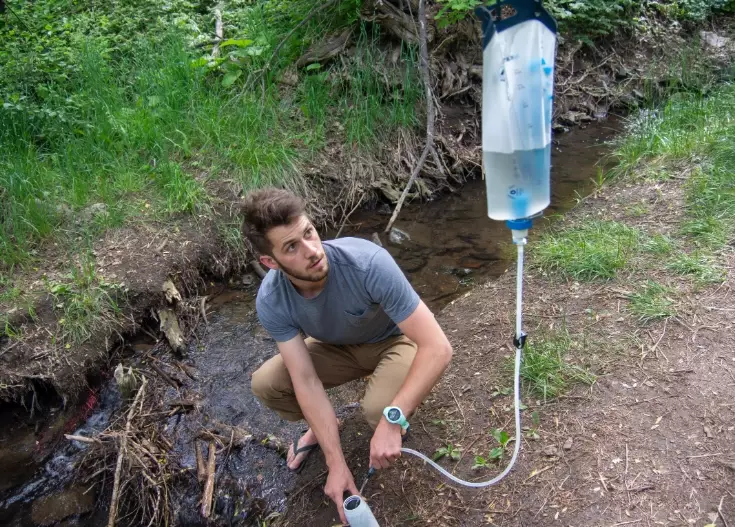
Ease of Maintenance & Cleaning
Can you clean it in the field? Most hollow fiber filters can be backflushed with clean water. Ceramic filters can be scrubbed gently. Ask yourself: if this clogs on day three of a seven-day trip, can I fix it, or am I stuck?
Putting It All Together: How to Pick YOUR Perfect Match
Okay, with all that info, how do you decide? Stop thinking about the "best" camping water purifier overall. Start thinking about the best one for you.
Are you a solo ultralight backpacker crushing miles? A fast in-bottle squeezer or a lightweight UV purifier (paired with a pre-filter bandana for silt) might be your winner.
Heading out with a family or a group of friends car camping? A high-capacity gravity filter system is a game-changer. Fill the dirty bag, hang it from a tree, and let it work while you set up camp. Everyone can fill their bottles and hydration bladders from the clean bag with zero wait.
Planning an international trek where viruses are a concern? You need a purifier, not just a filter. That means a device with an EPA virus removal claim, a UV purifier, or a mechanical filter that you follow up with chemical tablets. Don't guess on this one.
Just need something for day hikes and emergencies? A personal straw filter is affordable, foolproof, and lives permanently in your daypack. It's fantastic peace of mind.
Sometimes, the answer is a combo. I often carry a gravity filter for camp and a straw as a personal backup. It's not double the work; it's smart redundancy.
Using Your Purifier: Tips You Won't Find in the Manual
You've bought it. Now let's use it right. Little tricks make a huge difference in performance and longevity.
- Pre-filter Visibly Dirty Water: Use a bandana, your t-shirt, or a dedicated coffee filter to pour water through before it hits your good filter. This removes big silt and sand that clog the fine pores unnecessarily. It'll triple the life of your filter element.
- Avoid the Muck: Don't put the intake hose directly into the muddy bottom of a pond. Find a clearer inlet, collect water in a pot and let sediment settle, or skim from just below the surface.
- Keep the Clean Side Clean: This sounds obvious, but be militant. Never let the dirty hose or bag opening touch the clean hose or your clean water bottle. Designate one pot as the "dirty water" pot if you're settling sediment.
- Prevent Freezing: Water freezing inside the hollow fibers can crack them. If temperatures will drop below freezing, sleep with your filter in your sleeping bag or an insulated pocket. Treat it like your electronics.
- Field Clean it Regularly: Don't wait until the flow is a dribble. If you're filtering silty water, backflush or clean the filter at the end of each filtering session while you remember.
Straight Answers to Common Camping Water Purifier Questions
Let's tackle some of the specific things people wonder about when making this decision.
Do I need a filter or a purifier for camping in the US?
For most backpacking in US wilderness areas, a camping water filter rated to 0.2 microns (effective against bacteria and protozoa) is sufficient. Viruses are rarely a major concern in remote North American backcountry. However, always check specific advisories for the area – places with heavy livestock use or known issues might be an exception. If you want absolute certainty, a purifier (meeting EPA virus standards) or adding chemical treatment removes all doubt.
Can a water purifier remove chemical runoff or heavy metals?
Most standard mechanical camping water purifiers cannot remove dissolved chemicals, pesticides, or heavy metals. For that, you need an activated carbon filter stage (which many units include to improve taste) or a specialized filter. If you're concerned about chemical contamination (e.g., near old mines or agricultural runoff), research is key. The filter's specs will explicitly state if it reduces heavy metals or chemicals.
How do I filter water for a large group efficiently?
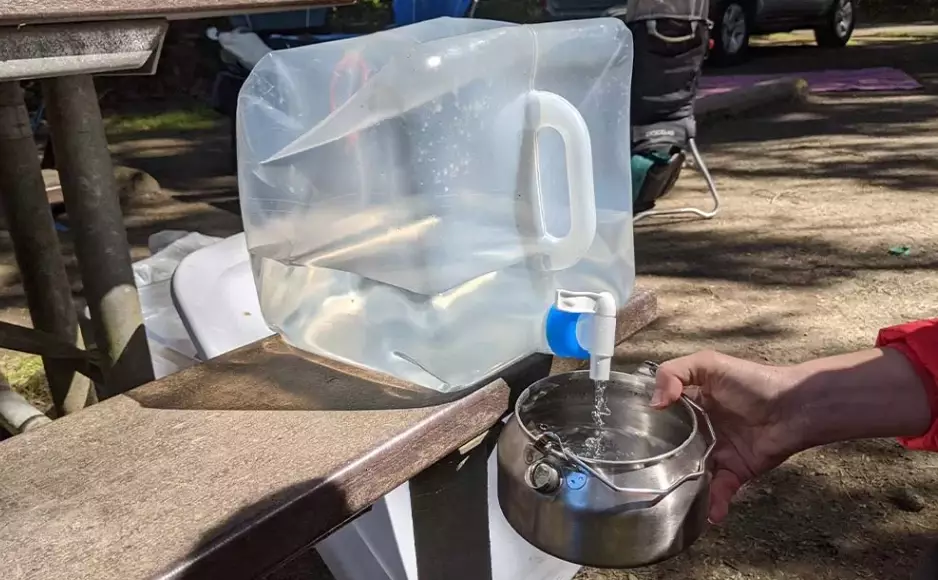
A high-capacity gravity system is king here. Look for one with a 4+ liter dirty bag. You can also use a pump filter, but be prepared for it to be a dedicated job for someone. Another trick is to use the gravity system to fill a large, clean container (like a collapsible jug) that everyone can draw from, rather than each person filtering individually.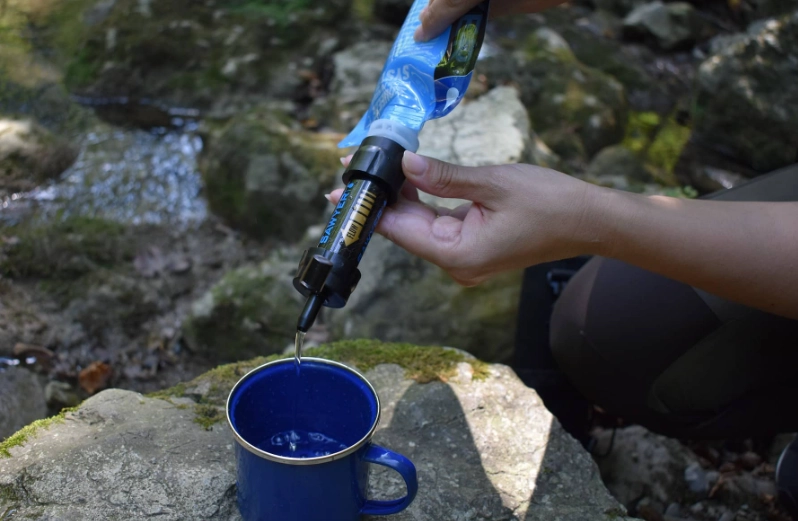
What's the best backup method if my main purifier fails?
Carry a small bottle of chlorine dioxide tablets (like Aquamira). They weigh nothing, take up no space, and are a reliable, if slow, backup that covers all pathogen types. Boiling is a great backup if you have ample fuel and time. I never go into the backcountry without a few tablets stashed separately from my main filter.
Is it worth spending more on a branded camping water purifier?
Generally, yes. Brands like Katadyn, MSR, Sawyer, and Platypus have long-standing reputations because their products are rigorously tested and reliable. You're paying for proven technology, quality materials, and often, accessible customer support and replacement parts. A no-name filter from an online marketplace is a huge gamble with your health. Trusted outdoor retailers like REI provide detailed product guides and support based on real-world use, which is invaluable.
Wrapping It Up: Clear Water, Clear Mind
Choosing a camping water purifier might seem technical, but it boils down to a few simple questions: Who's going? Where are you going? How are you traveling?
Match the tool to the trip. A weekend car camper has different needs than a thru-hiker. There's no single right answer, but there is a right answer for your next adventure.
The goal isn't to carry the most expensive or technically impressive gadget. The goal is to have safe, accessible water without it becoming a source of stress. A reliable portable water purifier does exactly that. It turns a fundamental survival concern into a non-issue, freeing you up to enjoy the views, the company, and the experience.
Invest time in choosing it, take care of it, and it will be a piece of gear that serves you trip after trip. Now go plan your adventure – hydration is covered.