In This Guide
- Why You Can't Just Boil Everything (And Other Hard Truths)
- The Four Main Types of Backcountry Water Treatment
- What Actually Makes a Camping Purifier "The Best"? (The Real Checklist)
- Top Picks: Breaking Down the Contenders
- Common Questions (Stuff You Actually Want to Know)
- The Final Decision: It's About Your Trip
Let's be real for a second. You're looking for the best camping purifier because you've either had a close call with questionable water, heard horror stories, or you're smart enough to know that a stomach bug in the middle of nowhere is a special kind of misery. I've been there. I once trusted a "clear, fast-moving stream" a bit too much on a solo trip. Let's just say the next 48 hours were dedicated to a very intimate relationship with my tent's vestibule, not hiking. Never again.
That experience turned me into a bit of a water treatment nerd. I've tested pumps in freezing rain, cursed at gravity bags that dripped too slow, and been genuinely amazed by what some of these little devices can do. This guide isn't just a list of products. It's about matching the right tool to your specific trip, your tolerance for hassle, and most importantly, the actual nasties you might find in the water.
Why You Can't Just Boil Everything (And Other Hard Truths)
Boiling is the gold standard, sure. The CDC says rolling boils for 1 minute (3 minutes at high altitude) kills everything. But who wants to spend time and fuel boiling every sip of water for a three-day hike? Or wait for it to cool down when you're desperately thirsty? A good camping purifier gives you instant—or nearly instant—access to safe water. It's about convenience and safety combined.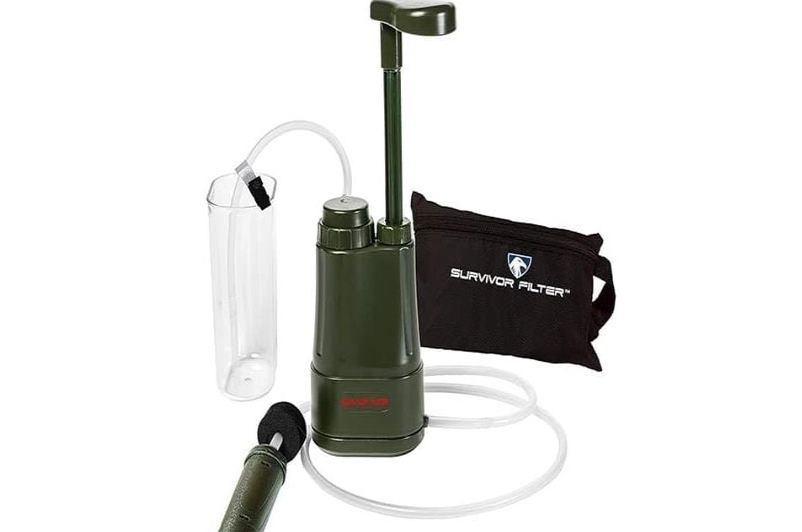
But here's the thing a lot of gear reviews gloss over: water sources vary wildly. A high alpine lake is different from a murky lowland pond, which is different from a river in agricultural land. The best camping purifier for a weekend in the Rockies might be a terrible choice for a trek in Nepal. You have to think about the enemy first.
The Four Main Types of Backcountry Water Treatment
Each system has its personality. Some are high-maintenance but powerful, others are dead simple but have limits. Let's break them down like you're choosing a hiking partner.
Pump Purifiers
The old-school workhorses. You put the intake hose in the water source, the output hose in your bottle, and you pump. It's a workout. They're fantastic for filtering large quantities of water for a group at camp, and they often have the highest flow rates of any mechanical system. The downside? They have moving parts that can freeze or break, they require cleaning, and pumping gets old fast when you're tired. If you need to filter water for cooking for four people, they're great. For quick trailside drinks for one? Overkill.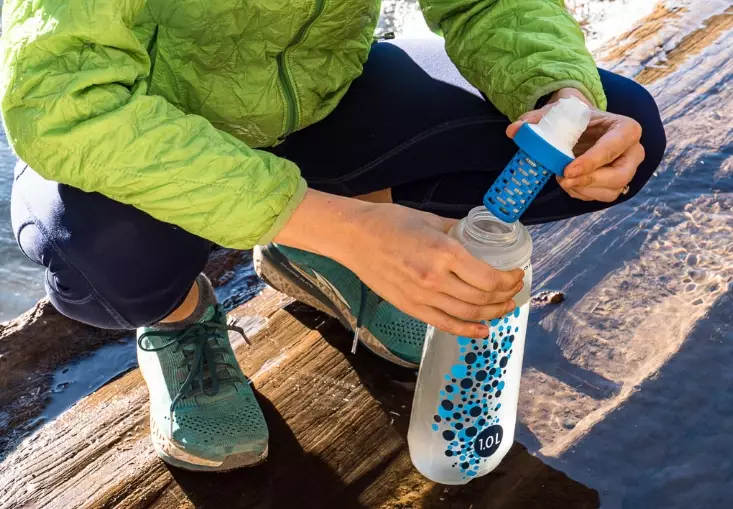
Gravity Filters
My personal favorite for base camping or group trips. You fill a "dirty" bag with water, hang it from a tree, and let gravity pull the water through a filter into a "clean" bag or reservoir. It's hands-off. You can set it up and forget it while you set up your tent. The flow rate is slower than a pump, but the effort is zero. The bags can be bulky and sometimes a pain to fill in shallow water. But for pure laziness-efficiency, they're hard to beat. This category has some of the most popular contenders for the title of best camping purifier for groups.
Straw-Style Filters & Bottles
The ultimate in personal, on-the-move convenience. You just drink directly from the source through the straw, or you fill a bottle with a built-in filter and sip. They're incredibly light and fast for solo hikers who need a drink without stopping for long. The huge limitation is volume. You can't easily filter water to cook your pasta. They're for drinking only. Some also have slower flow rates, so taking a big gulp takes some suction. Perfect for day hikes or as a personal backup on bigger trips.
Ultraviolet (UV) Light Purifiers
Tech magic. You stir a UV light wand in your water bottle for a minute or so, and it scrambles the DNA of bacteria, viruses, and protozoa. It's incredibly light, treats viruses, and leaves no taste. Sounds perfect, right? Well... it needs batteries (or a USB charge). It doesn't work well in cloudy or silty water—the particles can shield the bugs from the light. And it's purely a treatment device; it doesn't filter out dirt, microplastics, or chemical tastes. I love mine for clear mountain lakes where weight is critical. I'd never rely on it alone for a muddy river.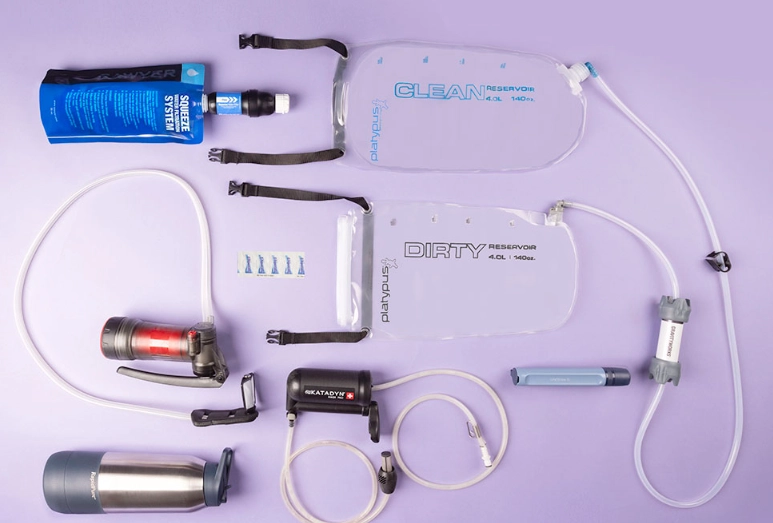
Quick Comparison: Which Type is For You?
| Type | Best For | Biggest Pro | Biggest Con | Viruses? |
|---|---|---|---|---|
| Pump | Groups, base camps, filtering lots of water | High flow rate, control | Physical effort, maintenance | Some models |
| Gravity | Groups, lazy filtering at camp | Zero effort, hands-free | Slower, bulky bags | Some systems |
| Straw/Bottle | Solo hikers, quick personal water | Ultra-light, instant use | Only for drinking, small volume | Rarely |
| UV Light | Solo/duo, clear water, ultralight focus | Extremely light, treats viruses | Needs power, fails in murky water | YES |
| Chemical Drops | Emergency backup, large volumes | Cheap, lightweight, treats viruses | Wait time, taste, less effective in cold | YES |
*Chemical treatment (like Aquamira or iodine) is a fifth option—great as a backup or for treating large batches where weight is paramount, but the wait time (30 mins to 4 hours) and taste are real drawbacks for daily use.
What Actually Makes a Camping Purifier "The Best"? (The Real Checklist)
Forget marketing fluff. When you're comparing models, these are the factors that will make or break your experience in the field.
Effectiveness (What Does It Remove?): This is non-negotiable. Look for a device that is independently tested to NSF/EPA standards or clearly lists what it removes. You want to see log reduction ratings (e.g., "99.9999% of bacteria," which is a 6-log reduction). A good best camping purifier will be transparent about this. Does it handle Cryptosporidium? That little parasite has a tough shell that some filters can't catch. How about viruses? Check the fine print.
Flow Rate: How fast does water come out? A rate of 1 liter per minute (LPM) is decent. Under 0.5 LPM can feel agonizingly slow when you're thirsty. Pumps might boast 2+ LPM, but that's with vigorous pumping. Gravity systems slow down as the dirty bag empties. A fast flow rate is a huge quality-of-life feature.
Weight and Packed Size: This matters more the longer you hike. A heavy pump might be fine for a car camper, but a nightmare on a week-long backpacking trip. Straws and UV pens win here.
Durability and Ease of Maintenance: Will it survive being dropped on rocks? Can you clean the filter when it clogs from silt, or is it just disposable? Some cartridges can be backflushed clean in the field; others require gentle tapping. A device that's hard to clean will have a short, frustrating life.
Ease of Use: Sounds obvious, but some systems have fiddly hoses, tricky sealing mechanisms, or complicated priming steps. When you're cold and tired, you want something simple and intuitive.
Cost (Initial and Long-Term): The sticker price is one thing. The real cost is the replacement filter. Some filters last for 100,000 liters; others are done after 1,000. Do the math on cost per liter. A cheap device with expensive cartridges can be a trap.
Top Picks: Breaking Down the Contenders
Based on years of use, talking to guides, and geeking out on specs, here are my top recommendations in different categories. These aren't just Amazon's top sellers; they're the ones that have proven themselves where it counts.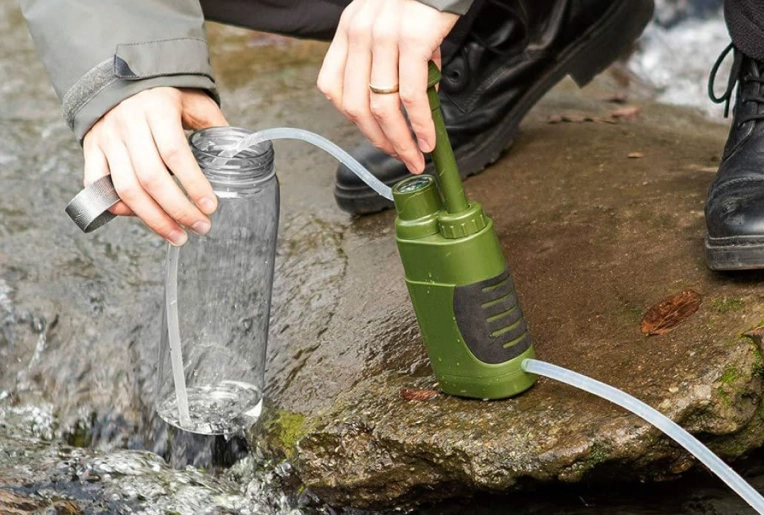
Top Pick for Most Backpackers: The All-Rounder
The Katadyn BeFree 1.0L isn't perfect, but it hits a sweet spot. It's a soft flask with an integrated filter. You scoop water, screw on the cap, and drink. It weighs almost nothing, packs small, and has a fantastic flow rate when new. It filters bacteria and protozoa (0.1 micron). For most three-season backpacking in North America, it's brilliant. The downside? The filter lifespan is shorter than some (about 1000L), and the flow slows down over time. You can't backflush it aggressively. But for simplicity and weight, it's my go-to for solo trips. It's a strong candidate for the best camping purifier if you prioritize speed and weight above all.
Top Pick for Groups and Base Camp: The Lazy Genius
The Platypus GravityWorks 4.0L system is what you want if you're with friends or family. The 4-liter dirty bag fills quickly, and gravity does the work, delivering clean water to the 4-liter clean bag. You can filter 4 liters in under 3 minutes with zero effort. It's fantastic for cooking dinner and filling everyone's bottles at once. The filter is effective against bacteria and protozoa, and it's cleanable. The bags are sturdy but can be awkward to fill in shallow streams. For sheer volume and ease, it's unmatched in its category. If your camping involves a lot of time in one spot, this is arguably the best camping purifier system you can get.
Top Pick for the Ultralight & Global Traveler: The High-Tech Solution
The SteriPen Ultra represents the UV approach. It's a pen that goes in your water bottle. Two 90-second cycles treat a full liter, zapping bacteria, viruses, and protozoa. It weighs just a few ounces. I love it for trips above treeline where the water is crystal clear and every ounce matters, or for travel where viruses are a concern. The major caveat: it's useless in murky water. You must use it with a pre-filter or only in clear sources. And you must remember to charge it. But when conditions are right, it feels like witchcraft.
Honorable Mention: The Reliable Workhorse
The MSR Guardian pump is in a league of its own. It's a purifier (not just a filter), removing viruses, bacteria, and protozoa. It's self-cleaning, works in any water, is incredibly durable, and has a high flow rate. So why isn't it my top pick? Two reasons: it's by far the most expensive option, and it's heavy (over a pound). This is professional-grade gear for expeditions, military use, or aid workers in challenging environments. For the average camper, it's overkill. But if your life absolutely depends on safe water from any source, this is what you get. It's the tank of camping purifiers.
Common Questions (Stuff You Actually Want to Know)
The Final Decision: It's About Your Trip
So, after all this, what's the single best camping purifier? The boring but true answer: it depends.
- Solo, fast-and-light backpacker in the mountains? Katadyn BeFree or a SteriPen for clear sources.
- Car camping or base camping with a family? Platypus GravityWorks, no question.
- Going somewhere with known virus risks (Asia, some parts of South America)? You need a purifier: SteriPen (for clear water), MSR Guardian, or chemical treatment.
- On a tight budget but want reliability? A Sawyer Squeeze (a fantastic, versatile mini-filter) and two smartwater bottles will get you very far for very little money.
The goal isn't to find the one perfect device for all situations. The goal is to understand the trade-offs so you can pick the best camping purifier for your next adventure. Start by asking: Who's going? Where is the water likely to come from? What's in it? How much effort am I willing to put in?
Now get out there. And drink confidently.