I unrolled my mat on a bed of pine needles, the scent sharp and clean. My "studio" was a clearing in the Sierra Nevada, the only sounds a distant creek and the wind through fir trees. As I moved from Downward Dog to a lunge, my hands pressed into earth, not rubber. That was a decade ago, my first real camping yoga session. It was clunky, I slipped on a cone, and ants explored my toes during Savasana. But something clicked. The practice felt less like performance and more like conversation—with my body and the land.
Camping yoga isn't just doing sun salutations outside. It's the deliberate fusion of two deeply connective practices: immersing yourself in nature and turning inward through movement. You trade sterile air for mountain breeze, elevator music for bird song, and the mirror's judgment for the sky's vast acceptance.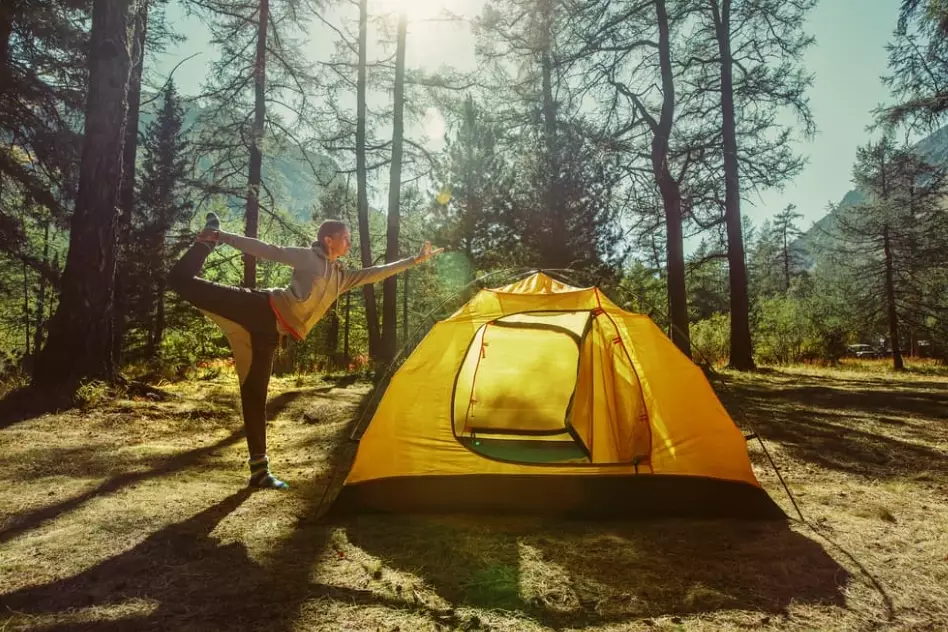
Your Quick Trail Map
Why Bother Taking Yoga Outdoors?
The benefits stack up fast, and they go deeper than a nice photo.
First, the science bit. A study published in the International Journal of Environmental Health Research found that just 20 minutes in a park, not even exercising, significantly lowered cortisol levels. Combine that with yoga's proven stress-reduction effects, and you have a powerful reset button for a fried nervous system. The air is better (usually), the vitamin D is free, and the panoramic views force your eyes to relax their constant near-focus.
But here's the less discussed, experiential payoff: it rewires your relationship to the practice. In a studio, you follow. Outside, you listen. There's no instructor to cue the next pose, no sequence to memorize. You learn to respond to how your body feels that morning, stiff from sleeping on a pad, and to what the environment offers—a warm rock for hip opening, a sturdy tree for support in Warrior III.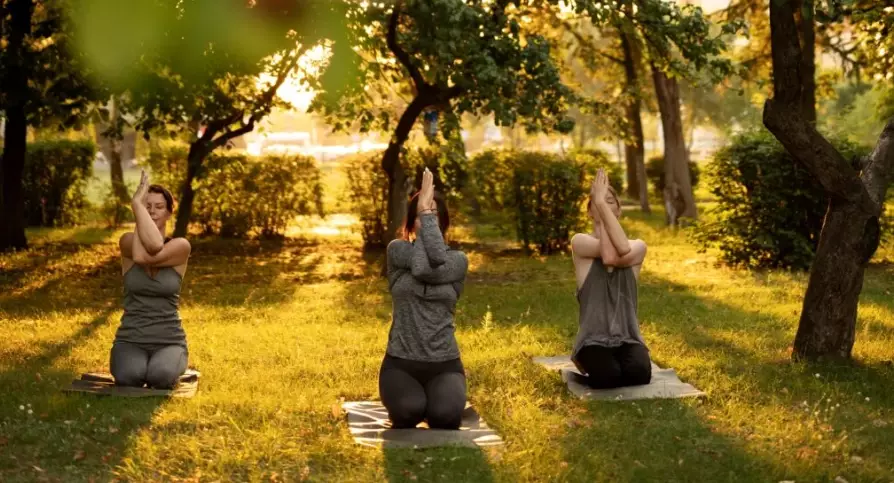
A quick note on the "distraction" myth: Beginners often worry about bugs, sounds, and passersby breaking their focus. Flip that script. The fly buzzing around isn't a disruption; it's an opportunity to practice dharana (concentration). Can you hold your balance while acknowledging the sound? That's a more advanced skill than doing it in a silent room.
Gear Unpacked: What You Really Need (And Don't)
You don't need a specialty outdoor yoga kit. You need a thoughtful edit from your existing gear. Overpacking is the enemy of spontaneity.
| Item | Essential Tier | Why & Pro Tip |
|---|---|---|
| Mat or Ground Cover | Non-negotiable | Damp grass, dirt, gravel—you need a barrier. A standard mat works, but a thinner, grippy travel mat (like Lululemon's 3mm) packs smaller. A thick, moisture-wicking towel is a decent backup. |
| Clothing | Non-negotiable | Think layers. A moisture-wicking base, insulating mid-layer, and a wind shell. Avoid cotton—it gets cold when damp. Leggings protect from bugs and brush; bare feet connect you to the earth. |
| Bug Spray & Sunscreen | Highly Recommended | Apply before you start. Look for natural, scent-free options to avoid overwhelming your senses during practice. A small stick format is perfect. |
| Water Bottle | Highly Recommended | Hydration is key, especially at altitude. Use it as a gentle weight in lunges or for stability in seated twists. |
| Yoga Props (Blocks, Straps) | Optional & Improvised | Leave the heavy stuff. A stable log or flat rock is a perfect block. Your jacket, rolled tight, makes a great bolster. A climbing sling or a spare strap from your backpack substitutes for a yoga strap. |
| Journal & Pen | Personal Preference | Post-practice insights can be fleeting. Jotting down a few words anchors the experience. |
The biggest mistake I see? People bringing their full studio setup. It becomes a chore. The goal is simplicity.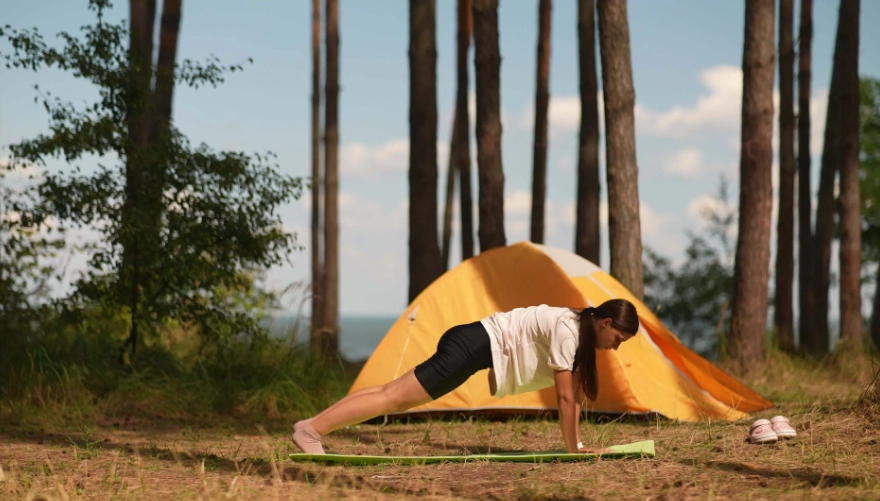
Scouting Your Perfect Spot
Finding your patch of peace is a practice in itself. It's not about the most Instagrammable vista (though those are nice). It's about safety, comfort, and a touch of privacy.
Walk around your campsite in the morning. Look for:
- Ground Quality: A relatively flat area free of major rocks, roots, and obvious anthills. Packed earth or short grass is ideal. Deep sand or thick mud is challenging.
- Privacy & Sightlines: A little seclusion helps you let go, but ensure you're still within earshot of your camp if alone. A view that gives your eyes a place to rest—a lake, a valley, even a beautiful tree—beats staring at the side of your car.
- Sun & Wind: Morning sun is glorious for warming stiff muscles. Midday sun can be brutal. Know where the shade will be. A light breeze is refreshing; a howling wind is a distraction. Use natural windbreaks.
- Surface Hazards: Check for poison ivy/oak, sharp debris, and overhanging dead branches ("widowmakers"). Follow Leave No Trace principles—don't crush delicate flora.
My favorite spots? The flat rock by a lakeshore at dawn. The soft pine duff just off a trail. The quiet corner of a campground before anyone else is awake.
When Nature Has Other Plans
Rain? Move under a picnic shelter or the awning of your car. Windy? Practice seated or supine poses, or use the wind to challenge your stability in standing poses—it's incredible for core engagement. The practice adapts. That's the point.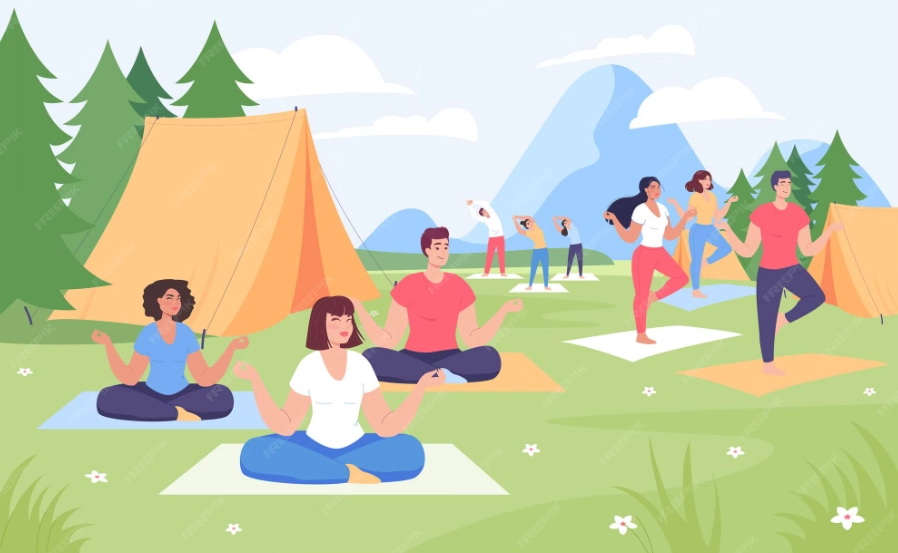
Adapting Your Flow for Uneven Ground
You can't just plop your studio flow onto a hillside. The ground is your new, imperfect teacher.
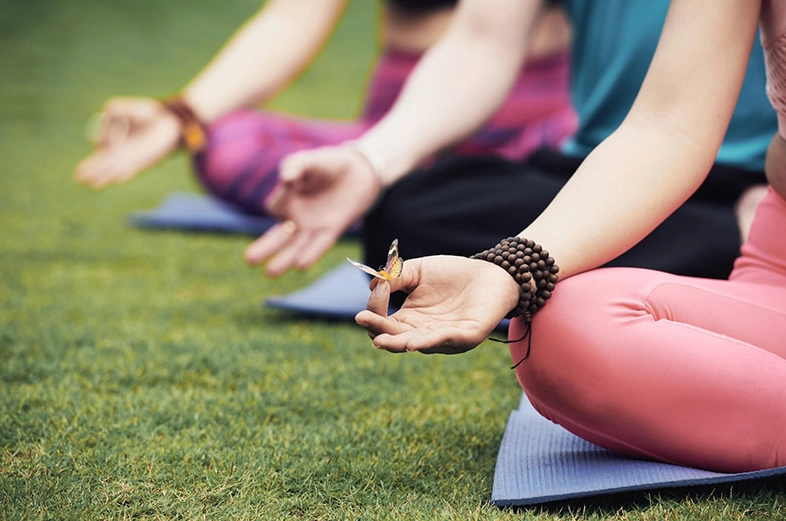
Start Grounded, Not Standing: Begin seated or lying down. Close your eyes. Listen for 5 breaths. What do you hear? Feel the temperature, the texture under you. This simple act transitions your mind from "hiking mode" to "practice mode."
Embrace Micro-Movements: On a slope, your hips might not be level in a seated forward fold. That's fine. Focus on the sensation along your spine, not achieving a picture-perfect shape. Use your breath to find length, not force.
Use the Environment: This is the magic. A tree isn't just a tree.
- Press your hands into its trunk for a heart-opening stretch.
- Use it for light support in Tree Pose (Vrksasana). Feel its solidity.
- Let your back rest against it for seated meditation.
Common Pitfalls Even Experienced Yogis Face
After ten years, I still get caught out sometimes.
Pitfall 1: The Performance Trap. You see a gorgeous backdrop and think, "I need to nail that Instagram arm balance." Suddenly, you're striving, not flowing. The moment you start performing for an imaginary audience, you've left the practice. Come back to your breath. What does your body need right now?
Pitfall 2: Ignoring the Setup. That one tiny pine cone under your mat will feel like a boulder in your spine during Savasana. Spend an extra 30 seconds clearing your space. It's worth it.
Pitfall 3: Fighting the Environment. A bee investigates you. Instead of flinching and cursing, freeze gently. Observe your panic rise and fall. The bee will leave. This is yoga—meeting reality without unnecessary reaction.
Pitfall 4: Skipping Integration. You finish Savasana, jump up, and start making coffee. Hold on. Sit up slowly. Take three breaths to acknowledge the shift. What feels different? Carry that calm awareness into your next camp task.
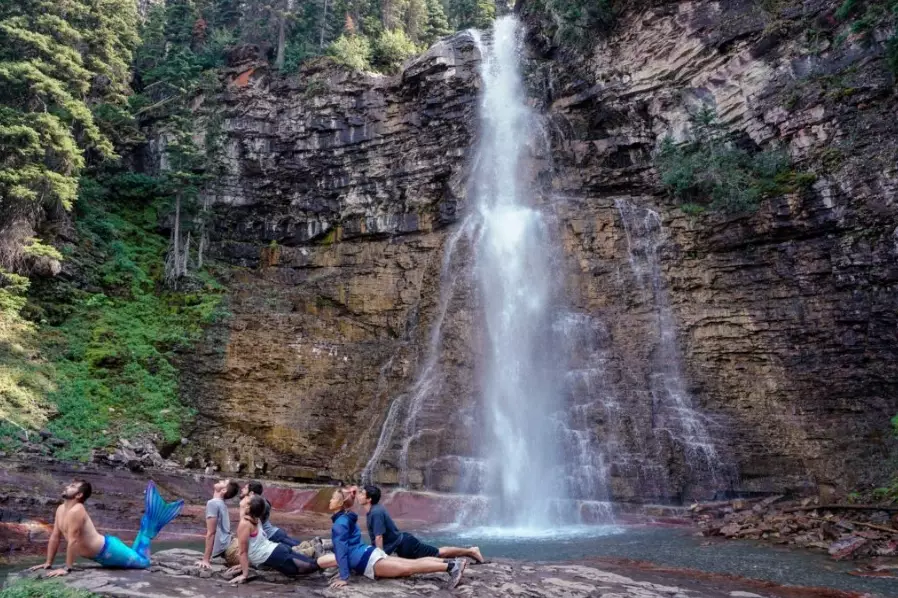 The final pose of camping yoga isn't Savasana. It's packing up your mat, leaving no trace, and walking back to camp with a quieter mind and a more settled body. You've moved with the landscape, not just on it. That shift—from observer to participant in the natural world—is the real takeaway. It sticks with you long after the campfire smoke has faded from your clothes.
So next time you pack the tent, throw in your mat. The best studio you'll ever find is already there, waiting.