In This Guide
- Why Go Minimalist? The Benefits Beyond a Lighter Pack
- The Non-Negotiable Gear: Building Your Minimalist Kit
- The Art of Packing: How to Fit It All (And Make It Work)
- Minimalism at the Campsite: The Simple Camp Life
- Answering Your Doubts: Common Minimalist Camping Questions
- Making the Shift: Your First Minimalist Trip
Let's be honest for a second. How many times have you spent more time packing for a camping trip than actually enjoying the trip itself? You stare at that giant backpack or the overflowing car trunk, filled with gadgets you saw in a video, backup gear for your backup gear, and that "just in case" item you've never used in five years. Your shoulders ache just thinking about it. I've been there. My first few trips were like moving a small apartment into the woods. It was exhausting, and it completely missed the point.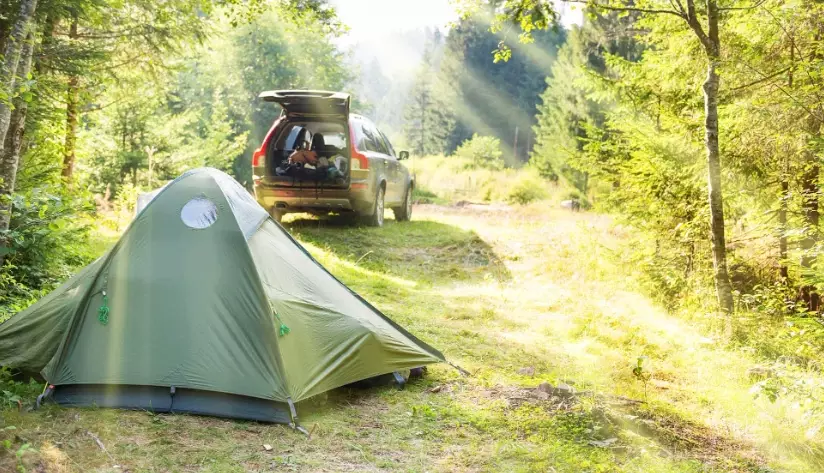
That's where the idea of minimalist camping comes in. It's not about suffering or deprivation. It's the exact opposite. It's about freedom. It's a conscious choice to strip away the clutter—both physical and mental—to focus on what truly matters: the crackle of the fire, the clarity of the stars, the deep quiet of a forest morning. It's about trading weight for wonder and stuff for serenity.
This guide is for anyone who feels that pull towards simplicity. We're going to break down the minimalist camping philosophy, build a bulletproof gear list from the ground up, and share packing hacks that feel like cheating. We'll also tackle the real-world questions and doubts you might have. By the end, you'll see that having less doesn't mean missing out; it means getting more of the good stuff from your time outdoors.
The Core Mindset Shift: Minimalist camping isn't a strict set of rules with a weight limit. It's a mindset. Ask yourself before packing any item: "What essential need does this serve?" and "What happens if I don't bring it?" You'd be surprised how often the answer is "Not much."
Why Go Minimalist? The Benefits Beyond a Lighter Pack
Everyone talks about the lighter backpack, and yeah, that's a huge perk. Your knees and back will thank you on mile five. But the benefits of a minimalist camping approach run much deeper.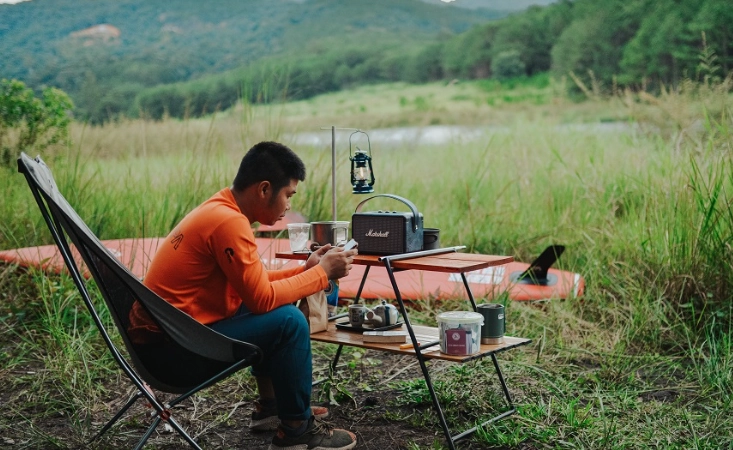
First, there's the sheer reduction in decision fatigue. With fewer items, you spend less time rummaging and more time relaxing. Setting up camp becomes a 15-minute task, not a 45-minute ordeal. Breaking camp is just as fast. This creates more time for hiking, fishing, reading, or just sitting and watching the clouds.
Then there's the financial side. You're not chasing every new, shiny piece of gear. You invest in a few high-quality, versatile items that last for years. You learn to repair and maintain what you have. It's sustainable for your wallet and, importantly, for the environment. Less stuff produced, less stuff transported, less stuff potentially left behind. The Leave No Trace Center for Outdoor Ethics principles align perfectly with this philosophy, emphasizing minimizing impact, which starts with what you bring in.
But for me, the biggest win is mental. There's a profound sense of calm and capability that comes from knowing exactly what you have, where it is, and how to use it. Your world simplifies down to shelter, water, food, and warmth. Everything else is a bonus. That simplicity is incredibly grounding.
It forces you to be more present. When you're not fiddling with a complex coffee maker or a bulky lantern, you notice the sunrise. You listen to the birds. You connect with your companions. That's the real treasure.
The Non-Negotiable Gear: Building Your Minimalist Kit
Okay, let's get practical. What do you actually need? We're going to build this list around the "Big Four"—shelter, sleep system, pack, and cooking—and then add the crucial essentials. Forget the 20-item "must-have" lists from gear magazines. We're focusing on multi-use heroes.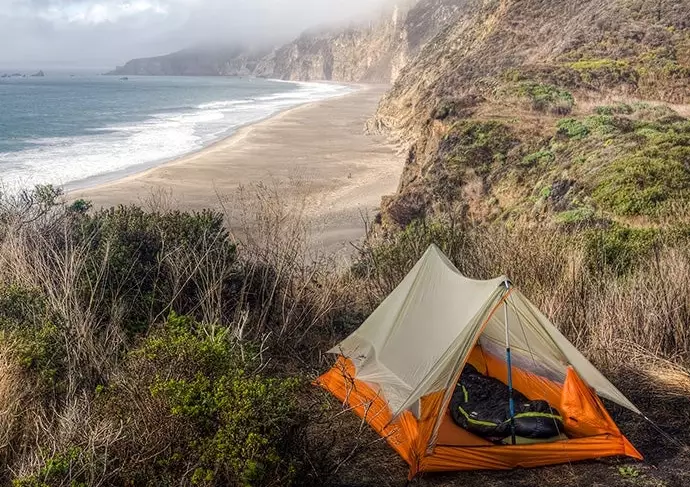
The Big Four: Where to Invest Your Money and Weight
These are the pillars. Skimping here usually means discomfort or worse. The goal is to find the lightest, most reliable option you can afford for each.
- Shelter: A one-person tent or a lightweight tarp and bivy combo is the classic choice. Hammocks are fantastic for certain environments but have their own learning curve. The key is to match the shelter to your most common conditions. A 3-season tent that's simple to pitch is worth its weight in gold when rain hits at dusk.
- Sleep System: This is your sleeping bag and pad. Down insulation packs smaller and is lighter than synthetic, but it's useless when wet. A sleeping pad is non-optional—it provides insulation from the cold ground. An inflatable pad is comfier but a closed-cell foam pad is bombproof and can double as a seat.
- Backpack: Your pack should be the *last* thing you buy, not the first. Why? Because you need to know the volume of your other gear first. A 50-65 liter pack is the sweet spot for most minimalist weekend trips. Get fitted properly. A poorly fitting pack can ruin your trip, no matter how light your load is.
- Cooking System: Keep it stupid simple. A single-pot setup is all most people need. A lightweight pot, a canister stove (like the MSR PocketRocket style), a spork, and a small lighter. That's it. No plates, no bowls, no spatula. You eat out of the pot. For many minimalist camping purists, this is the area where they cut deepest, sometimes opting for no-cook meals to eliminate the stove and fuel entirely.
The Essential Support Crew: The "Core 10" Beyond the Big Four
Here’s where we separate the true essentials from the nice-to-haves. I call this the "Core 10" list for minimalist camping. Every item has a critical, non-negotiable job.
- Knife/Multi-tool: A small, sharp knife or a minimalist multi-tool (like a Leatherman Style PS). For repairs, food prep, gear fixes. You don't need a Rambo knife. A simple blade is sufficient.
- Sun Protection: A small tube of sunscreen. A hat is multi-use (sun, rain, bugs).
- Insulation: Weather changes fast. A lightweight puffy jacket packs small and is a lifesaver at camp.
- Fire Starter: Have two reliable methods. A simple Bic lighter is the king of reliability.
- Repair Kit: Tenacious Tape, duct tape (wrapped on trekking pole), needle/thread. Fixes tents, packs, sleeping pads. Duct tape is the universal fixer.
- Nutrition: High-calorie, dense food + 1 extra day's worth. Plan simple meals. Dehydrated meals are easy but expensive. Oatmeal, nuts, jerky, tortillas are staples.
| Category | Item | Minimalist Reasoning & Tips | Weight/Space Priority |
|---|---|---|---|
| Hydration | Water bottles/bladder (2L capacity), water filter or purification tablets | Never, ever compromise on water. A Sawyer Squeeze filter is a lightweight game-changer. Tablets are the ultimate backup. | High - Non-negotiable |
| Illumination | Headlamp (with extra batteries) | Hands-free is key. A simple LED model is fine. Red-light mode preserves night vision. | High |
| Navigation | Physical map & compass, GPS/Phone (offline maps) | Electronics fail. Knowing how to use a map and compass is a weightless, critical skill. The National Park Service always recommends carrying physical backups. | High |
| First Aid | Small, personalized kit | Don't buy a bulky pre-made kit. Build your own with bandaids, blister care, antiseptic, meds you use, and a few gauze pads. | High |
| Knife/Multi-tool | For repairs, food prep, gear fixes. You don't need a Rambo knife. A simple blade is sufficient. | Medium | |
| Sun Protection | Sunscreen, sunglasses, hat | Medium-High (depends on location) | |
| Insulation | Extra layer (puffy jacket or fleece), beanie | Medium-High | |
| Fire Starter | Lighter, waterproof matches, firestarter (cotton balls in vaseline) | Medium | |
| Repair Kit | Tenacious Tape, duct tape (wrapped on trekking pole), needle/thread | Low-Medium | |
| Nutrition | High-calorie, dense food + 1 extra day's worth | High (but consumable) |
See? It's a short list. But with these items, you are safe, sheltered, fed, and hydrated. Everything beyond this serves to increase comfort, not safety. And that's the line you learn to identify.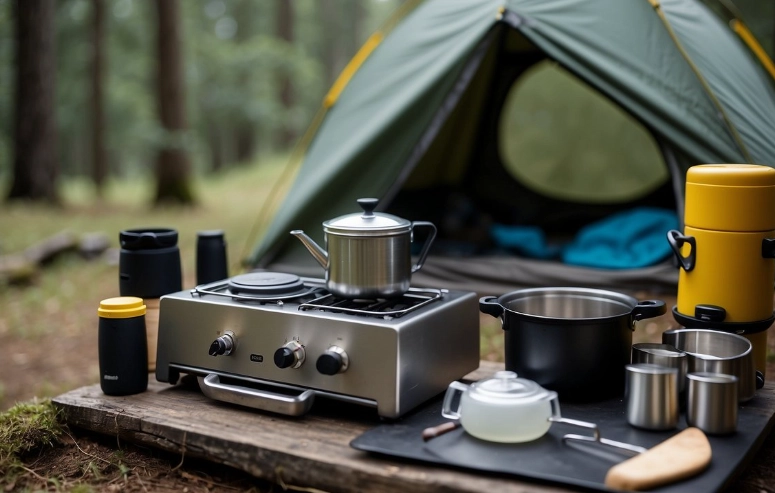
I made the mistake once of not bringing an extra insulation layer on a summer trip, thinking my hiking shirt was enough. A cold front rolled in at night, and I spent the evening huddled way too close to the fire, unable to sleep properly. Never again. That puffy jacket is now a permanent resident in my pack.
The Art of Packing: How to Fit It All (And Make It Work)
You've got your gear. Now, how do you make it all fit in a way that makes sense on the trail? This is where the puzzle gets fun.
First, lay everything out on the floor. I mean everything. Look at it. Now, be ruthless. Do you really need three pairs of socks for a two-night trip? (Hint: You don't. Wear one, pack one. Wash them if needed). Can your pot double as a bowl? Can you use your extra clothing as a pillow?
Pro Tip: Pack your bag in reverse order. The things you need last (sleeping bag, sleep clothes) go in the bottom. Things you need during the day (rain jacket, snacks, water filter) go in the top or in external pockets. Your shelter should be easily accessible, often strapped outside or in the very top of the pack.
Use stuff sacks or ziplock bags to organize by category: kitchen, clothes, first aid. But here's a counterintuitive trick: compressing soft items like clothes and your sleeping bag can sometimes create awkward, rigid shapes that leave dead air space. Sometimes, just stuffing them loosely into the bottom of your pack liner (a heavy-duty trash compactor bag is the classic, cheap solution) lets everything mold together more efficiently.
Weight distribution is crucial. Heavy items (food, water, stove) should be centered close to your back and higher up. This keeps the load stable and doesn't pull you backwards. Light, bulky items (sleeping bag, puffy jacket) go at the bottom.
Finally, do a test run. Pack it all up, put the pack on, and walk around the block. Feel any pressure points? Is something jabbing you? Does it feel unbalanced? Adjust. This simple step has saved me from countless on-trail annoyances.
Minimalism at the Campsite: The Simple Camp Life
So you've arrived. You're not burdened by a ton of stuff. Now what? This is where the joy of minimalist camping truly unfolds.
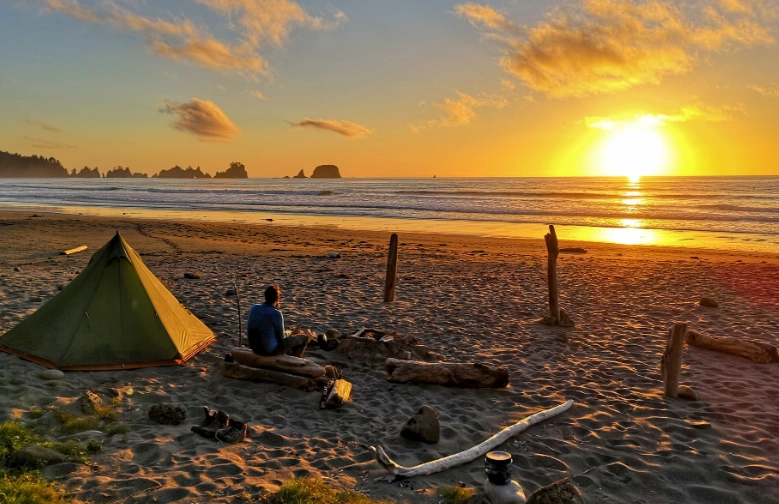
Your camp setup is quick. Tent up, sleeping bag laid out, kitchen kit in one small spot. That's it. You're done. No elaborate camp kitchen, no stringing up a dozen lanterns, no unfolding chairs and tables. You sit on a log, on your sleeping pad, or on the ground. You look around.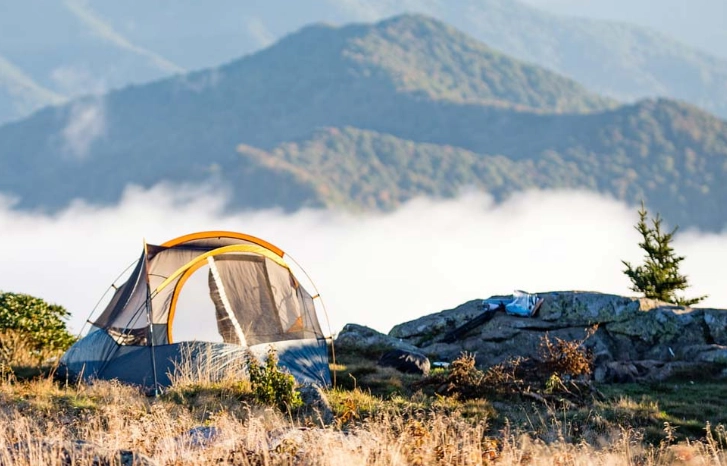
Meals are simple but satisfying. A one-pot pasta dish, maybe some instant mashed potatoes. You're not cooking a gourmet feast, but you're also not spending an hour cleaning. You eat, you rinse your pot with a little water, and you're done. More time for stargazing.
Entertainment is the environment. A small book or a journal is a luxury you now have space for. But mostly, you talk, you watch the fire, you listen. Without the distraction of gadgets and gizmos, you start to notice the small things—the pattern of bark on a tree, the different bird calls, the way the light changes.
This simplicity extends to your impact. With less stuff, you're less likely to leave something behind. You have a clearer sense of all your possessions. Packing out all your trash—every bit of it—is non-negotiable. Your goal is to leave the site looking like you were never there, or better.
It feels different. It feels intentional.
Answering Your Doubts: Common Minimalist Camping Questions
Making the Shift: Your First Minimalist Trip
Don't try to go from overloaded to ultralight in one jump. You'll scare yourself and hate it. Start with a single overnight at a familiar, easy-to-access location. A state park campground is perfect.
Pack using the "Core 10" list and your Big Four. Then, look at your usual pile of extras. Allow yourself to bring three comfort items from that pile. Just three. Maybe it's a camp chair, a book, and a fancy dessert. Go on your trip. Pay attention.
What did you actually use? What did you miss? What did you not even think about? The data from this trip is invaluable. Next time, you adjust. Maybe the chair was worth it, but the book wasn't (you were too busy watching the fire). Maybe you needed a warmer hat.
It's an iterative process. You learn your personal preferences through experience, not from a gear list. That's how you build a kit that is truly minimal for you.
Minimalist camping isn't a destination; it's a style of travel. It's a continuous editing process, a refinement of both your pack and your intention. It asks you to be more mindful, more skilled, and more engaged with the world outside your tent flap.
It might seem daunting at first, but give it one shot. Pack that lighter bag. Walk that easier trail. Sit at that simpler camp. Feel the relief when your mind isn't cluttered with stuff. You might just find that the less you carry, the further you can go—not just in miles, but in experience. That, to me, is the entire point of getting out there.
And honestly? If you forget something, you'll probably be okay. You'll improvise. You'll remember that people have been enjoying the wild long before moisture-wicking fabrics and titanium spoons existed. That's a pretty good feeling too.
The trail is calling. This time, answer it with a lighter step.